



Everything from Every
A second look at $OHM, questioning "intrinsic value," stress technology, and more.
Oct 10, 2021 · 3 min readUpdated Jul 31, 2026

Happy Sunday!
We're now fully immersed in fall, so we hope this email finds you all cozied up in your favorite reading chair with your warm, pumpkin-flavored beverage of choice.
Here's everything we published this week:
I Was Wrong About Olympus

Nat isn't afraid to admit when he's wrong! And this week, he takes another look at Olympus ($OHM) to find that not only is it not a Ponzi scheme, but it might be one of the most important DeFi protocols ever built. By combining a bonds program for liquidity and staking incentives for stability (and creating a program for other crypto project to do the same), Olympus created a cryptocurrency backed by more than just memes. As a store of value, OHM could even replace Bitcoin.
What is “Intrinsic” Value?

Nathan Baschez / Divinations
Prompted by a recent statement from the CEO of JP Morgan Chase, Nathan gets philosophical on us. Rather than debate whether crypto (particularly Bitcoin) has "intrinsic value" or not, Nathan argues that the concept of "intrinsic value" is...not really a thing. In fact, we'd do better to abandon the term altogether, because "value is fundamentally non-fungible. It always connects back to individual humans with individual circumstances, knowledge, desires, and dreams."
Do “Stress Cancelling” Headsets Work?

Dan Shipper / Superorganizers
Wouldn't it be nice if we could turn our stress off with the touch of a button? The Cove headset claims to do just that, and in a way that's totally backed by science! But for $490, does it actually work? Dan puts the device to the test—and fully examines the science of stress-reduction and affective touch—in this week's Superorganizers.
The End of Software, Again

Evan Armstrong / Napkin Math
This week Evan proposes his new theory about the future of software businesses—one where niche, industry-specific software is subsidized by businesses bundling financial products. Citing examples like Shopify, Veeva, and Toast, he walks through the implications of what this disruption could do to alter the balance of power in software.
A Primer on the Parasocial Economy

Fadeke Adegbuyi & Yash Bagal/ Cybernaut
Back in July, Fadeke showed us how social media platforms are encouraging parasocial relationships and blurring the line between "fan" and "friend." This week, Fadeke and Yash prove that those parasocial relationships are key to making the creator economy work. This primer illustrates how platforms (and creators) are monetizing parasocial relationships—from Super Follow subscriptions on Twitter, to tips for Twitch streamers, to celebrity Cameo videos.
A Very Good, Very Long Read:
If you were confused by the Twitter discourse this week on kidneys, group chats, plagiarism, and bad art friends, now is your chance to catch up. I can think of no better time to read this story than on a calm Sunday morning. It's wild, sprawling, divisive, and not a single character emerges unscathed...and it's all true:
Who Is the Bad Art Friend?
Robert Kolker / New York Times
And speaking of Twitter—Follow us @Every! We discuss the latest from our authors, remind you of events, and chat about, you know, everything.
All right, that's it. Have a gorgeous Sunday. Go take a stroll and bask in some orange leaves if you can. See you next week.

The Only Subscription
You Need to
Stay at the
Edge of AI
The essential toolkit for those shaping the future

"This might be the best value you
can get from an AI subscription."
- Jay S.
 Every Content
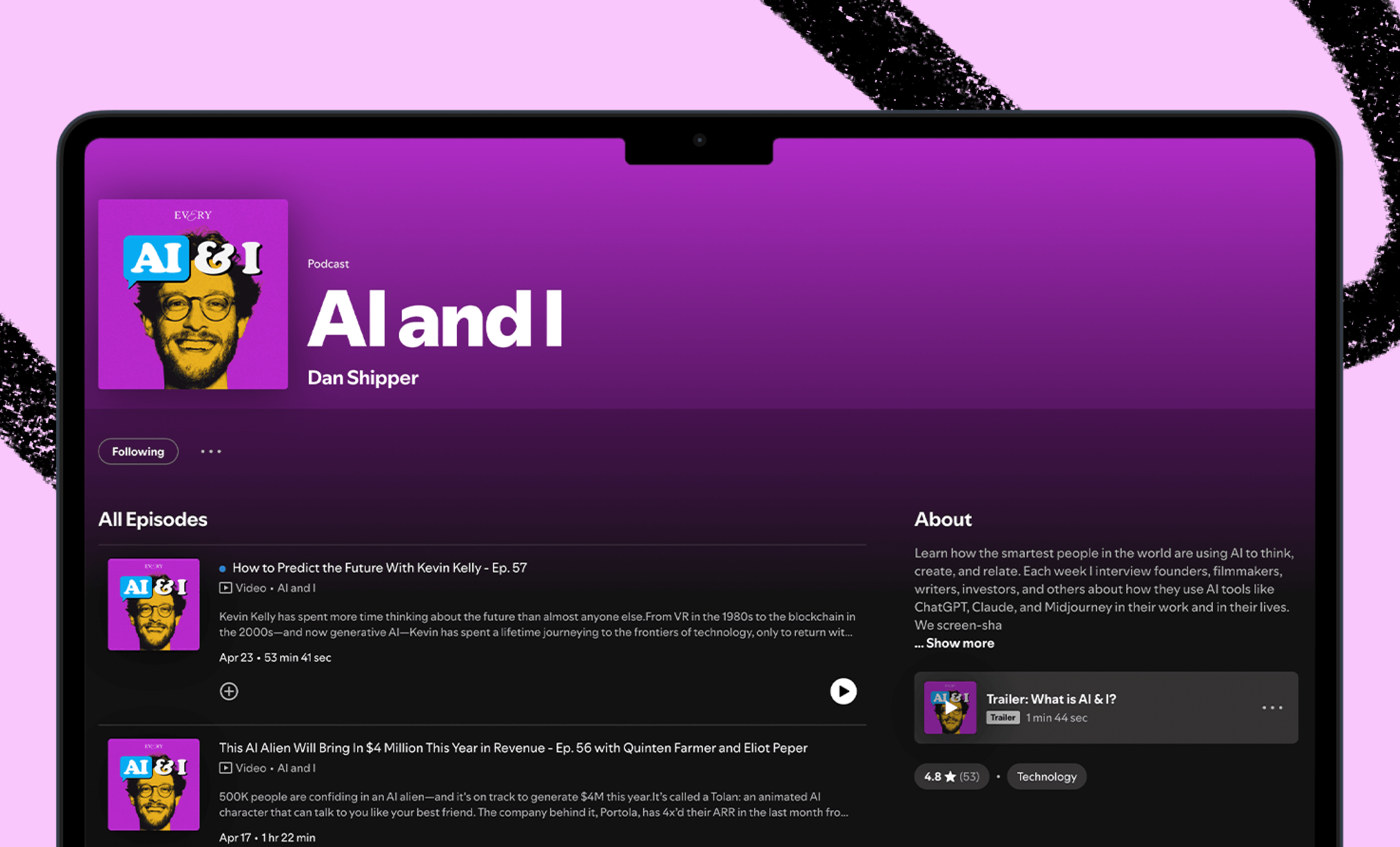
 AI&I Podcast
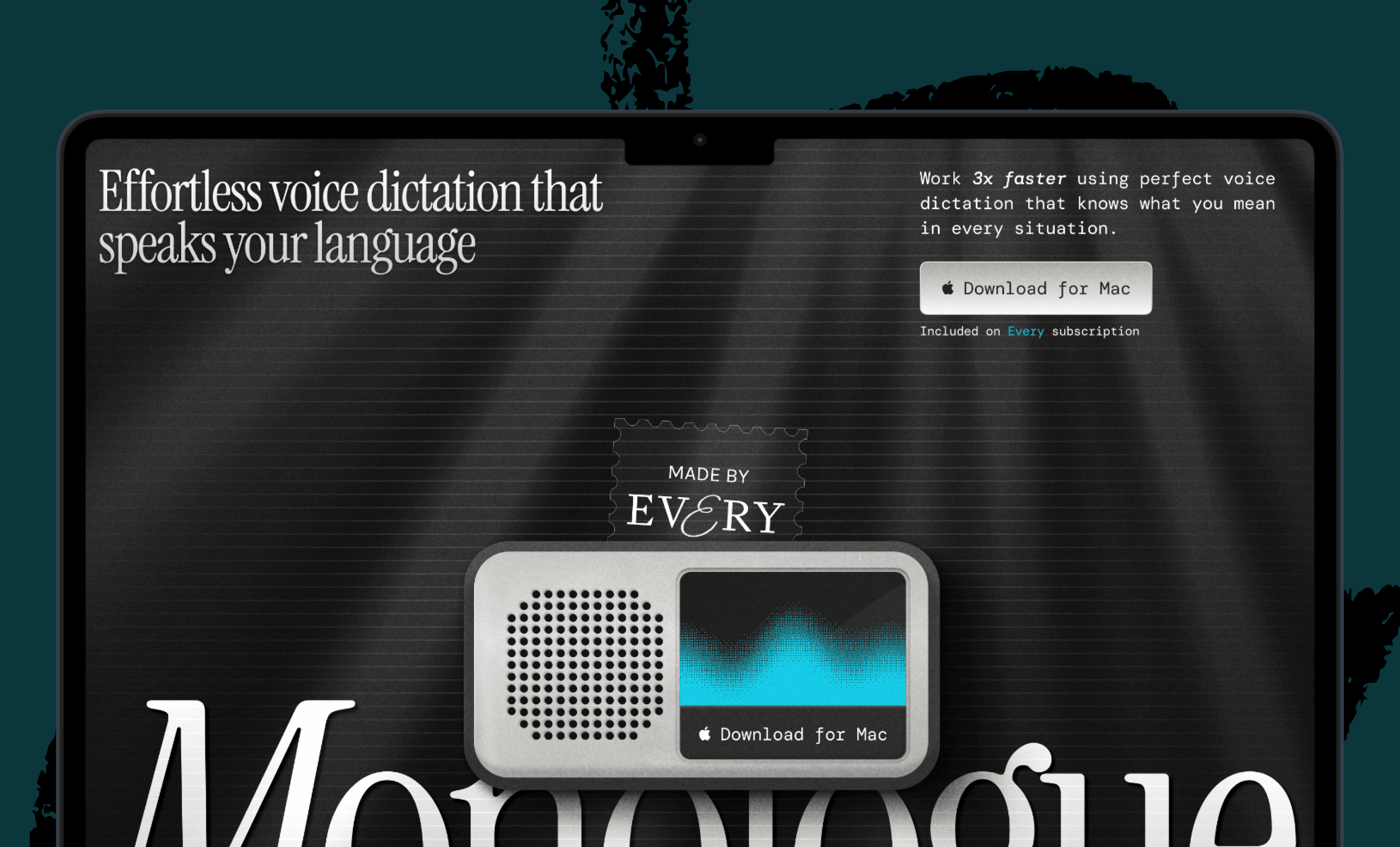
 Monologue
 Every Agent
Join 100,000+ leaders, builders, and innovators

Already have an account? Sign in.
What is included in a subscription?
Daily insights from AI pioneers + early access to powerful AI tools

 Front-row access to the future of AI
 In-depth reviews of new models on release dayPlaybooks and guides for putting AI to workPrompts and use cases for buildersIn-depth reviews of new models on release dayPlaybooks and guides for putting AI to workPrompts and use cases for builders
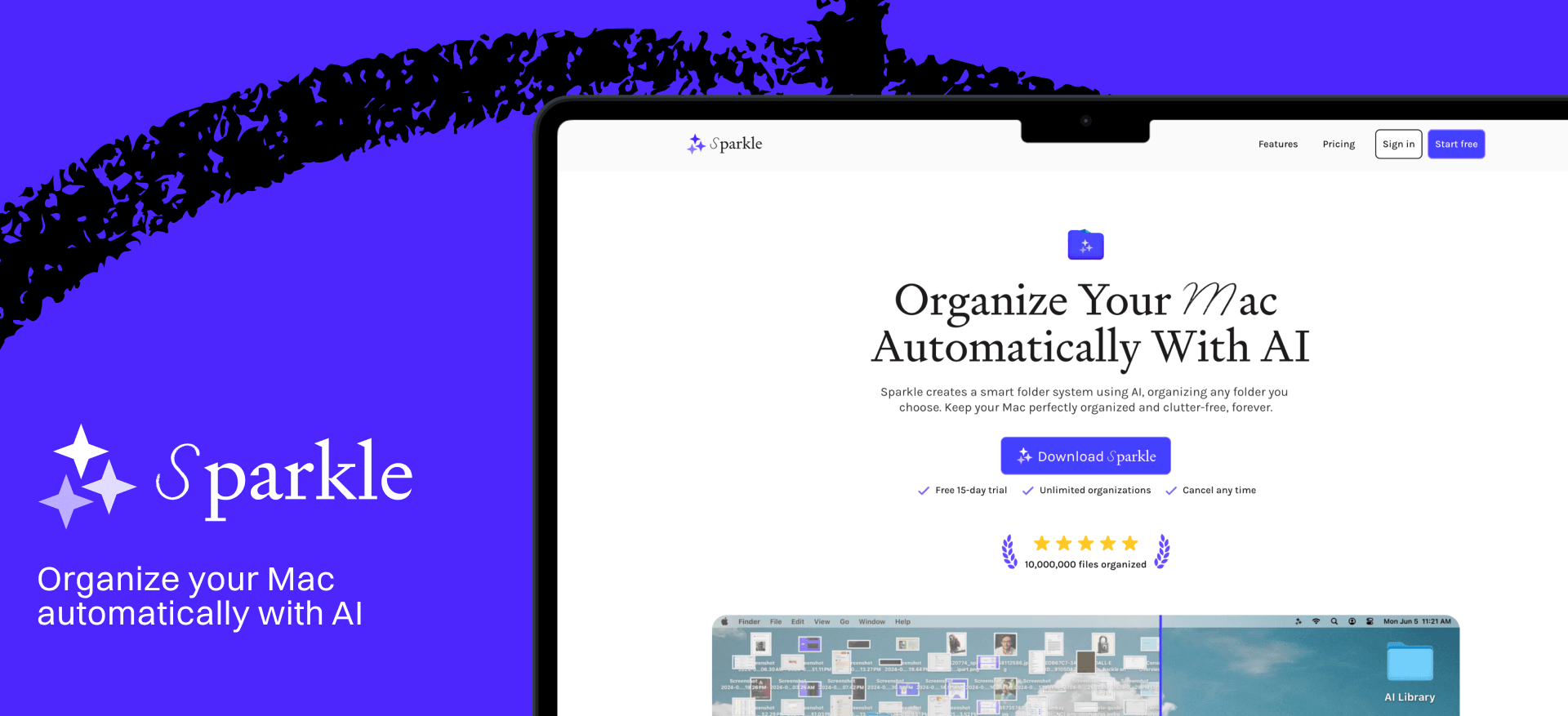
 Bundle of AI software




 Katie Parrott
 Every Staff
 Kieran Klaassen
Comments