

Evan Armstrong was a lead writer at Every who explored profit and power in technology in Napkin Math.

Copy Rights and Wrongs
Who owns the output of AI—the machines or the creators?
Aug 22, 2024 · 10 min readUpdated Jul 16, 2026

ICYMI: I’m teaching a new course called How to Write With AI. You’ll learn how to do the best writing of your life and how AI can help you achieve your goals, faster. It’s a four-week course running from September 19 through October 24 that includes hands-on workshops with tools like ChatGPT, Claude, Spiral, and Lex. Discounted early bird registration ends next week. Check out the course website for complete details.
To risk sounding like a zitty 14-year-old who just discovered Atlas Shrugged rather than a 32-year-old man gleefully planning to vote blue this fall, sometimes I can’t help but think that all taxation is theft.
It is a sad fact of the world that governments are constantly coming up with novel ways to carve off their pound of asset flesh from us. What is particularly galling is that all the taxes I pay over my lifetime will probably fund, like, one quarter of a Raytheon missile that blows up some cave in another country that is supposedly filled with terrorists but is more likely occupied by goats that are about to be judiciously kabobified by my tax dollars. If the government had just left me and my (hilariously unlucrative) newsletter earnings alone, I would’ve spent said monies on happy things like puppy adoption fees, pepperoni pizza on which the spicy meat cups are crunchy, and footbaths.
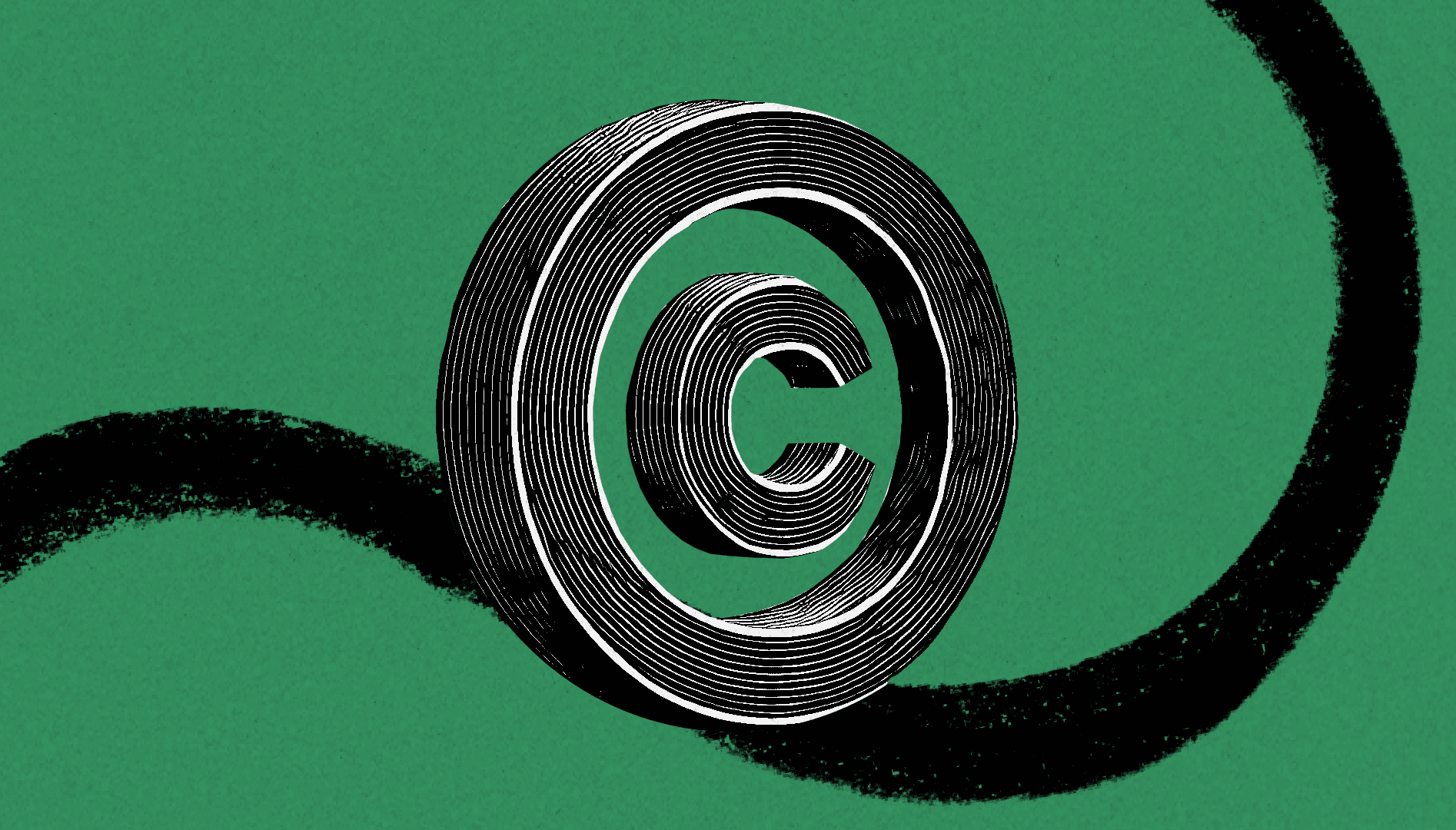
You may or may not agree with me on taxes, but I’m using them to make a very, very roundabout point about copyright protection laws, and what happens when large-scale government interventions, awash with noble purpose, sometimes end up failing to address the problems they set out to solve.
Like taxes, copyright law has a worthy goal. Taxes are for investments in common goods like roads, libraries, and Boston Celtics championship parades. Yet in practice, American tax policy has often proved itself to be a boondoggle, captured by corporate interests and riddled with waste. Copyright, similarly, is for protecting the people in our society who make art by granting them the exclusive ability to monetize their work. Too often, though, copyright law has functioned to shore up the interests of mega-corporations while failing to facilitate meaningful revenue capture for actual artists. In both cases, the contrast between the noble ideals and the bureaucratic malarky is stark.
In the generative AI space, the difference matters, because copyright is shaping up to be the de facto legal framework for regulating this technology. Just this week, a group of authors filed a class-action lawsuit against Anthropic alleging that the company included their books in the Claude model’s training data. Last week, the journalists at 404 Media revealed that Nvidia had scraped YouTube and Netflix to form its own video models, in obvious violation of both platforms’ terms of service.
There will be more stories like these in the years to come. Every AI company I can think of is scraping the internet’s content. And while many of the major startups are striking partnerships with media and entertainment companies—such as the deal Condé Nast and OpenAI announced yesterday—these are the exception, not the rule. The vast majority of training data is scraped without consent.
Is this yet another case of powerful tech startups taking advantage of creatives, or are these technologies simply tools that enable creative people to make wonderful things? Even if we believe the latter to be true, are these innovations only possible because they bend the rules we have around intellectual property?
These questions matter both for individual creators and for the entire technology sector. Silicon Valley has bet the farm on this bubble, and copyright law could be the needle that pops it. Before we go any further down his road, however, it’s important to get clear on what we’re talking about when we talk about copyright and AI. When someone says that “generative AI violates IP” or “OpenAI stole my content without compensation,” they are asserting bigger ideas about the origins of creativity.
Where does an idea come from?
Become a paid subscriber to Every to unlock the rest of this piece and read about:
- The copyright conundrum in AI
- The noble intentions versus messy realities of IP law
- Where machines and human creativity collide
- Growing the financial pie, not just slicing it differently
 Create a free account to continue reading
The Only Subscription
You Need to
Stay at the
Edge of AI
The essential toolkit for those shaping the future

"This might be the best value you
can get from an AI subscription."
- Jay S.
 Every Content
 AI&I Podcast
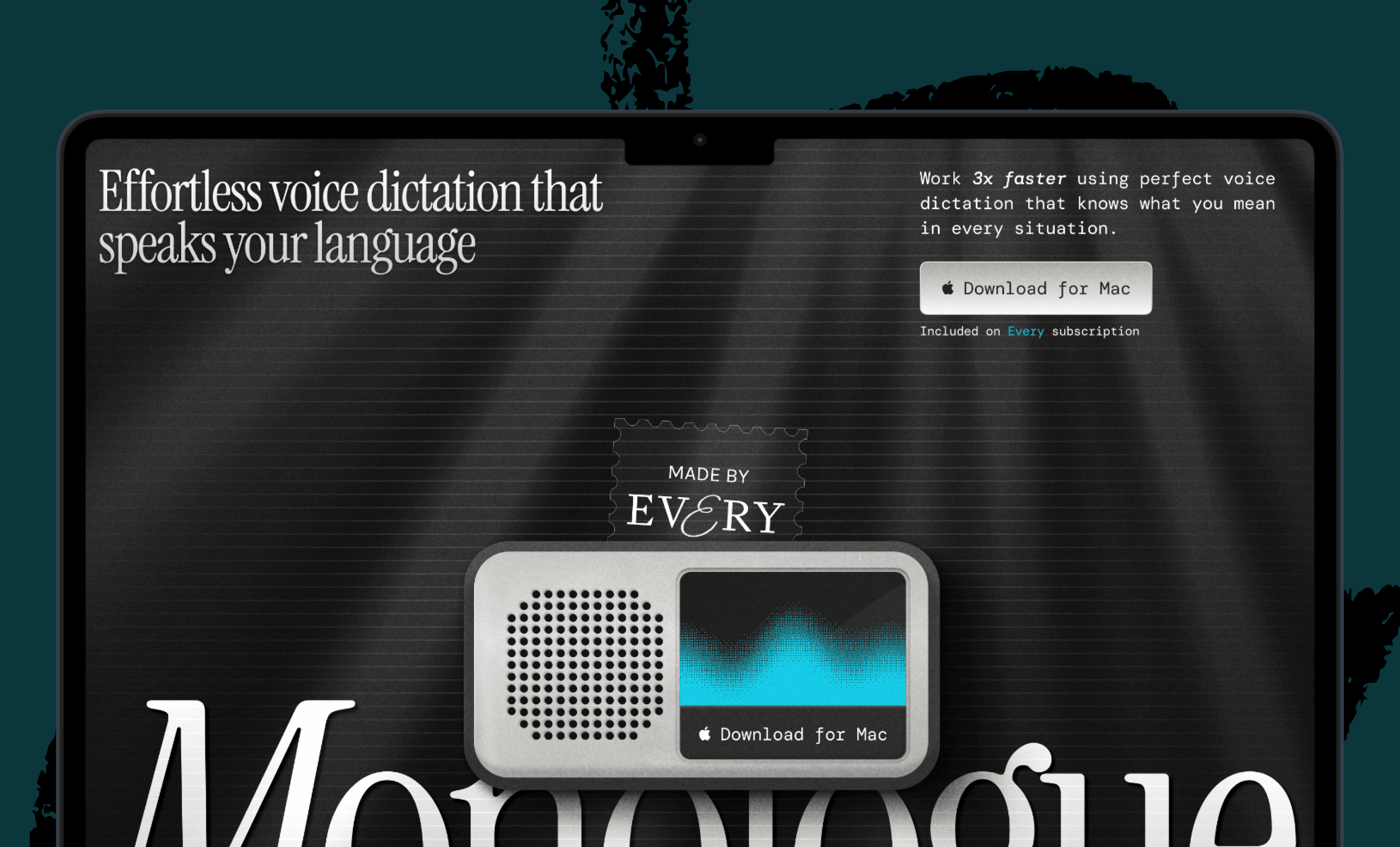
 Monologue
 Every Agent
Join 100,000+ leaders, builders, and innovators

Already have an account? Sign in.
What is included in a subscription?
Daily insights from AI pioneers + early access to powerful AI tools
 Front-row access to the future of AI
 In-depth reviews of new models on release dayPlaybooks and guides for putting AI to workPrompts and use cases for buildersIn-depth reviews of new models on release dayPlaybooks and guides for putting AI to workPrompts and use cases for builders
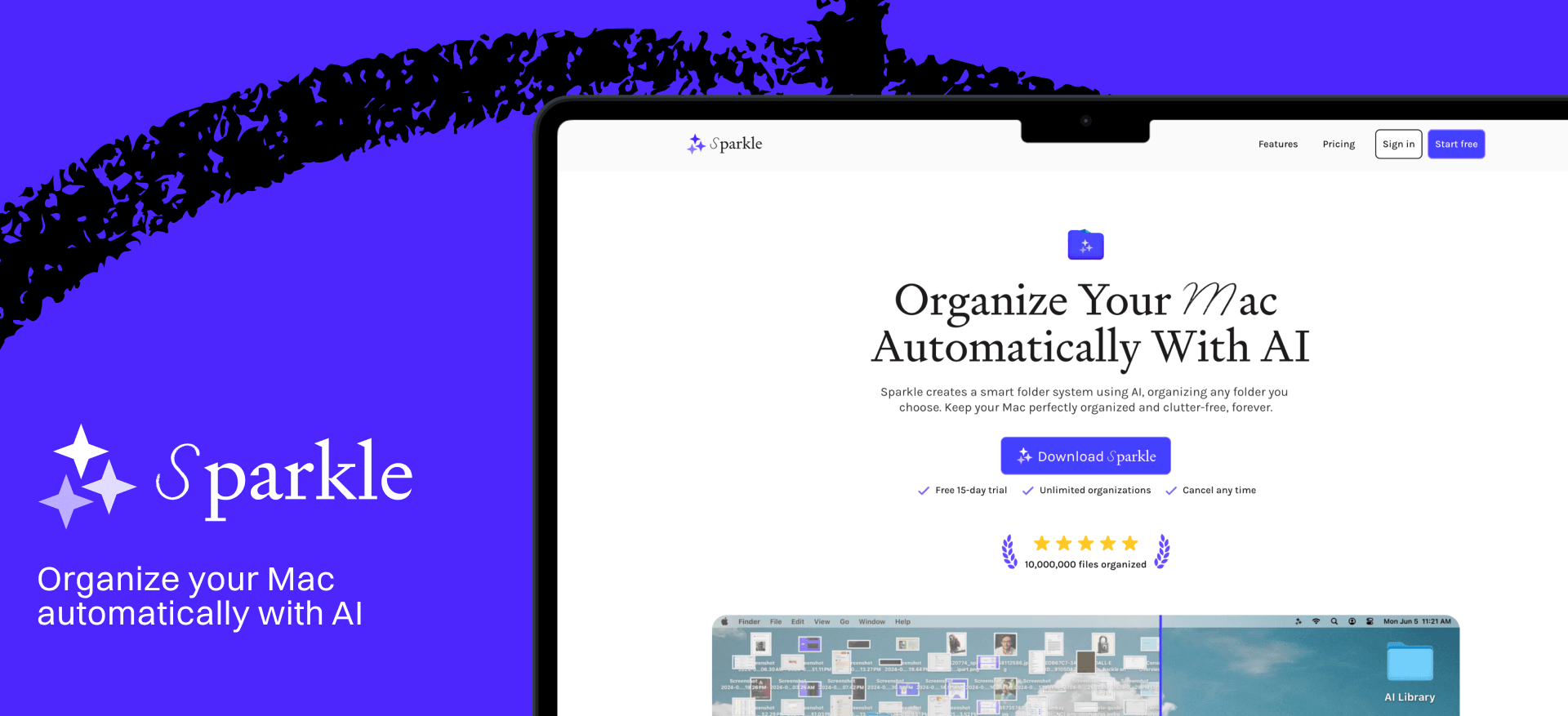
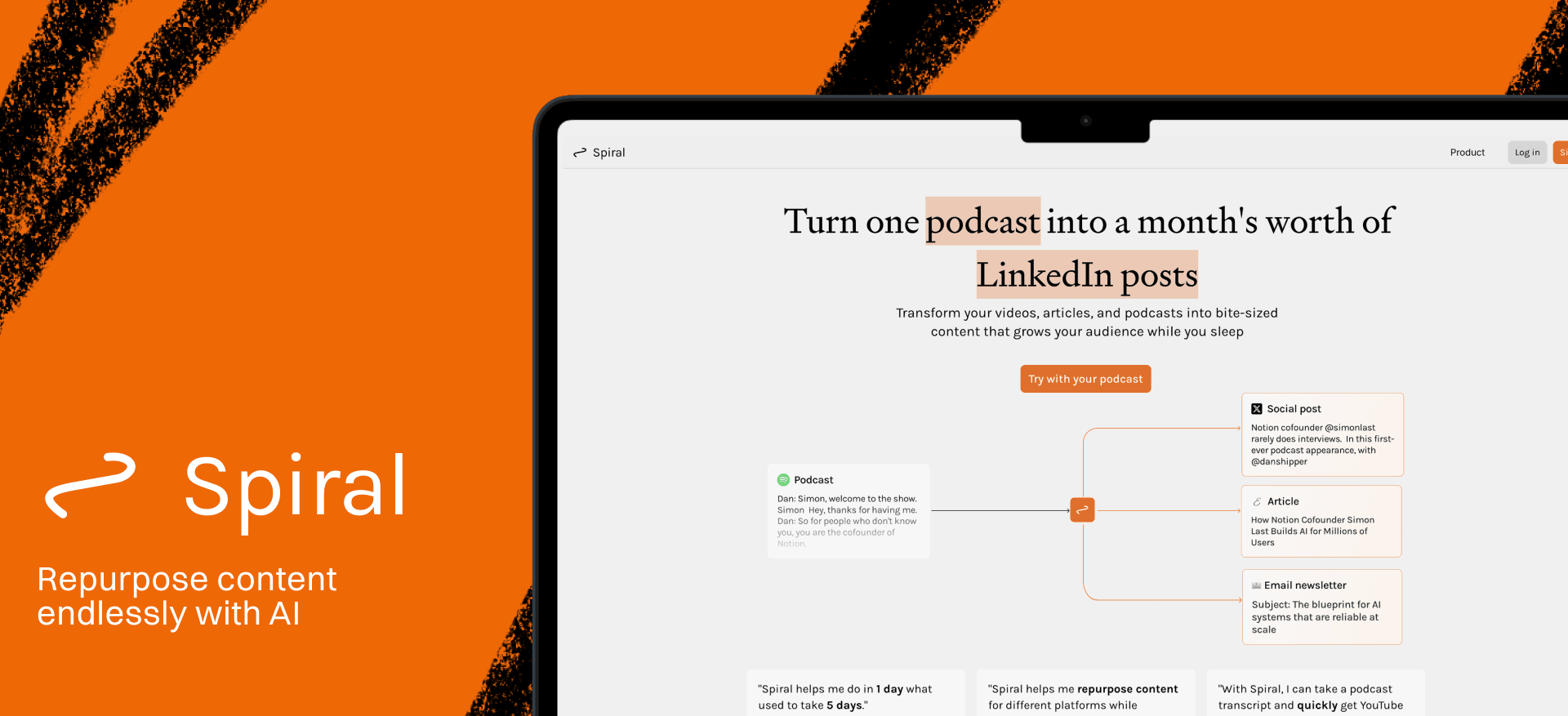
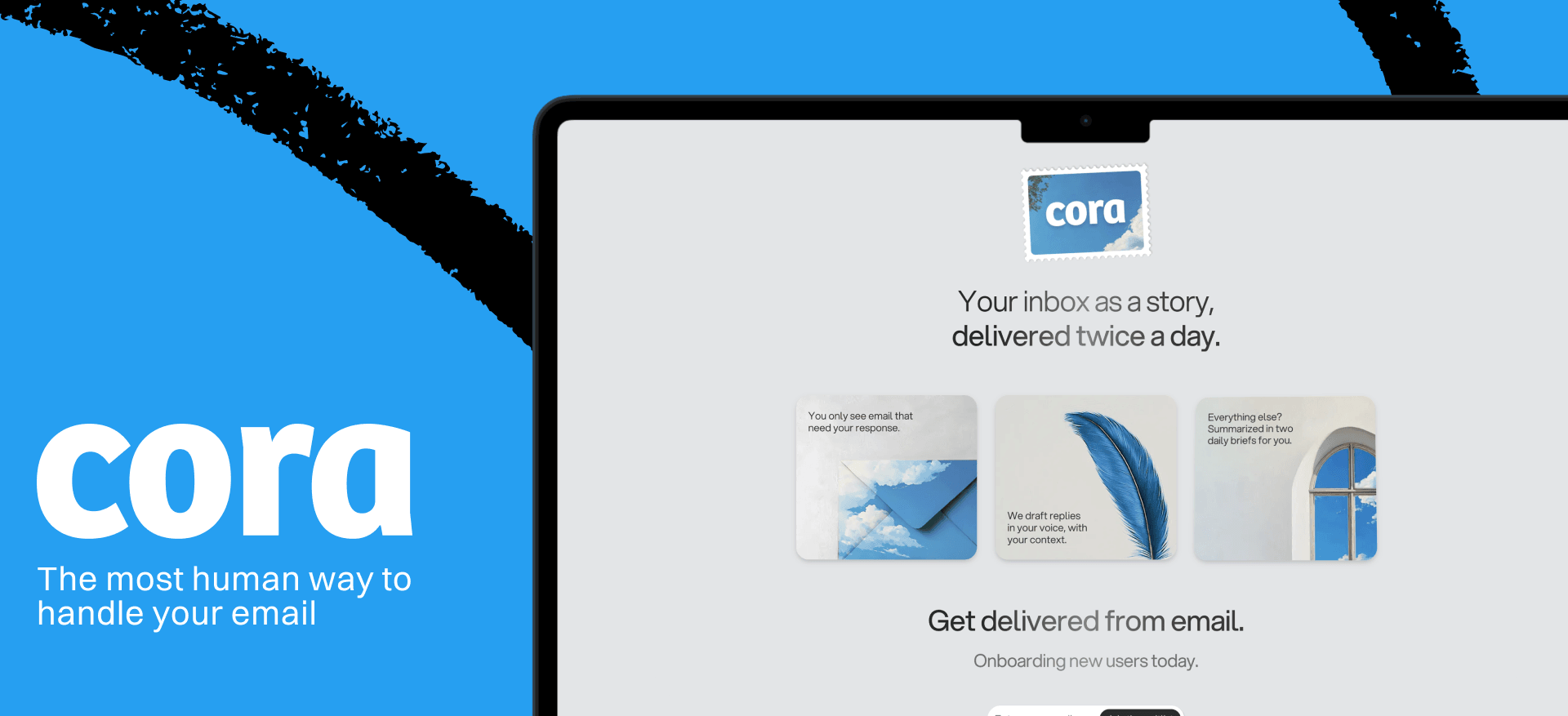
 Bundle of AI software


 Katie Parrott
 Every Staff
 Kieran Klaassen
Comments