We use analytics and advertising tools by default. You can update this anytime.
Manage optional tracking categories. Necessary cookies stay on so the site can function.
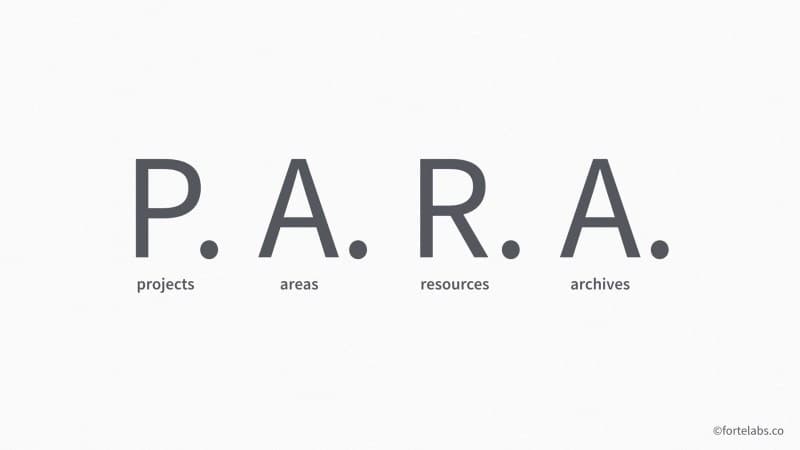
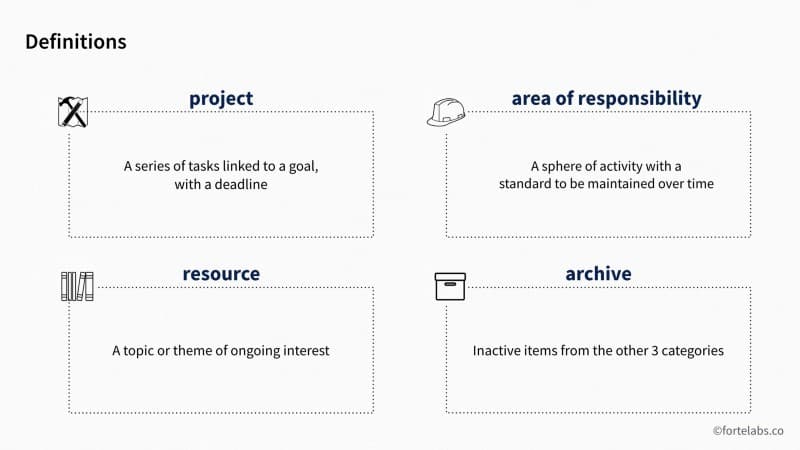
Resurfacing Tiago’s in-depth P.A.R.A series
Why the weekly review is the cornerstone of my life
All Praxis paywalled posts are now available to members
It is NOT easy OR cheap to “hire a VA.” But if done right, it is profoundly transformational not just for your daily workload but for your q
This is a comprehensive guide to creating a profitable online course, based on my experience developing 6 courses over 7 years, which have b
As part of my year-end review, I always review my favorite reading of the year. These usually tend to be “long-form” online essays diving de
This is an interview with my online course marketing coach and creator of the Email Boss program Billy Broas. It is an in-depth discussion i
Note: On October 9, 2019 at 1pm Pacific time I will be hosting a private conversation with Billy Bross for Praxis members only. Scroll to th
The following are the results of my Mid-Year Review, which I do every year around the beginning of July. It is a simple process of reflectio
I recently compiled all my notes, findings, and ideas about the “ideal customer” for Building a Second Brain, and put them into a single doc
This is a recording of a live walkthrough of Superhuman, an email client that works in the browser and on iOS and connects to any Gmail acc
Last year I launched the Anti-Book Club, my own take on the tradition of book clubs. The idea is simple: instead of everyone in the group re
I previously wrote about my thought process for why and how I’ve decided to publish my book Building a Second Brain with a traditional publi
In The Four Pathways of Modern Book Publishing, I described what I believe to be the four main routes to publication for writers in the digi
In The Four Pathways of Modern Book Publishing, I described the main routes for a writer to get published today, and in The Case for Traditi
In The Future of Ebooks, I laid out a vision for what books could become in a world free of technological constraints. But the modern realit
I advise everyone I know to create an online course. Everyone has something to say. Everyone has valuable knowledge that others could benefi
One of the most exciting trends in coming years will be the formation of cooperative working groups made up of independent contractors. Whe
In 1962, philosopher Thomas Kuhn published his landmark work The Structure of Scientific Revolutions, forever changing our view of the histo



 Tiago Forte