
.png&w=3840&q=75)

Katie Parrott is a staff writer. She writes Working Overtime and contributes to Vibe Checks, Source Code, and Context Window.

How I Run Three AI Models in Parallel Without Losing My Mind
Forget maker versus manager—we’re all model managers now
Sep 8, 2025 · 6 min readUpdated Sep 14, 2026

Was this newsletter forwarded to you? Sign up to get it in your inbox.
There’s a video game called Overcooked that feels a lot like my workday with AI. You play line cooks in a chaotic kitchen, sprinting between stations while orders pile up and the clock ticks down. One player chops onions, another stirs soup, a third dashes to the sink for clean dishes—all while the printer keeps spitting out new tickets. Just thinking about it makes my heart rate spike.
It’s also how I feel managing multiple models.
At one “station” I've got GPT-5 pulling sources for an essay. At another, I'm having Claude review a draft. Meanwhile, research for a new AI editorial workflow simmers like a stew in a crockpot, and I'm also updating our Source Code style guide with some insights from the latest published piece. AI makes this particular brand of controlled chaos possible. And for that, I'm grateful—and a little overwhelmed.
I've always hopped between projects when I get stuck. But AI changes the tempo. The model pushes one task forward while I'm setting up the next. My job now: choosing what gets attention right now and deciding what "done" means for this pass.
In other words, I’m a manager, but instead of junior humans, my direct reports are LLMs. This is the allocation economy, where value comes from deploying attention strategically across multiple processes rather than diving deep into one. The old paradigm assumed you were either building or coordinating—never both at once. AI breaks that assumption.
It also turns the volume up on a problem seasoned multitaskers know only too well. Every model handoff is a context reset, and those resets come with a cost. Master the pivots and you multiply your output. Miss them and you drop plates. Here's what I've learned about the boundaries that separate chaotic productivity from plain-old chaos.
Make your team AI‑native
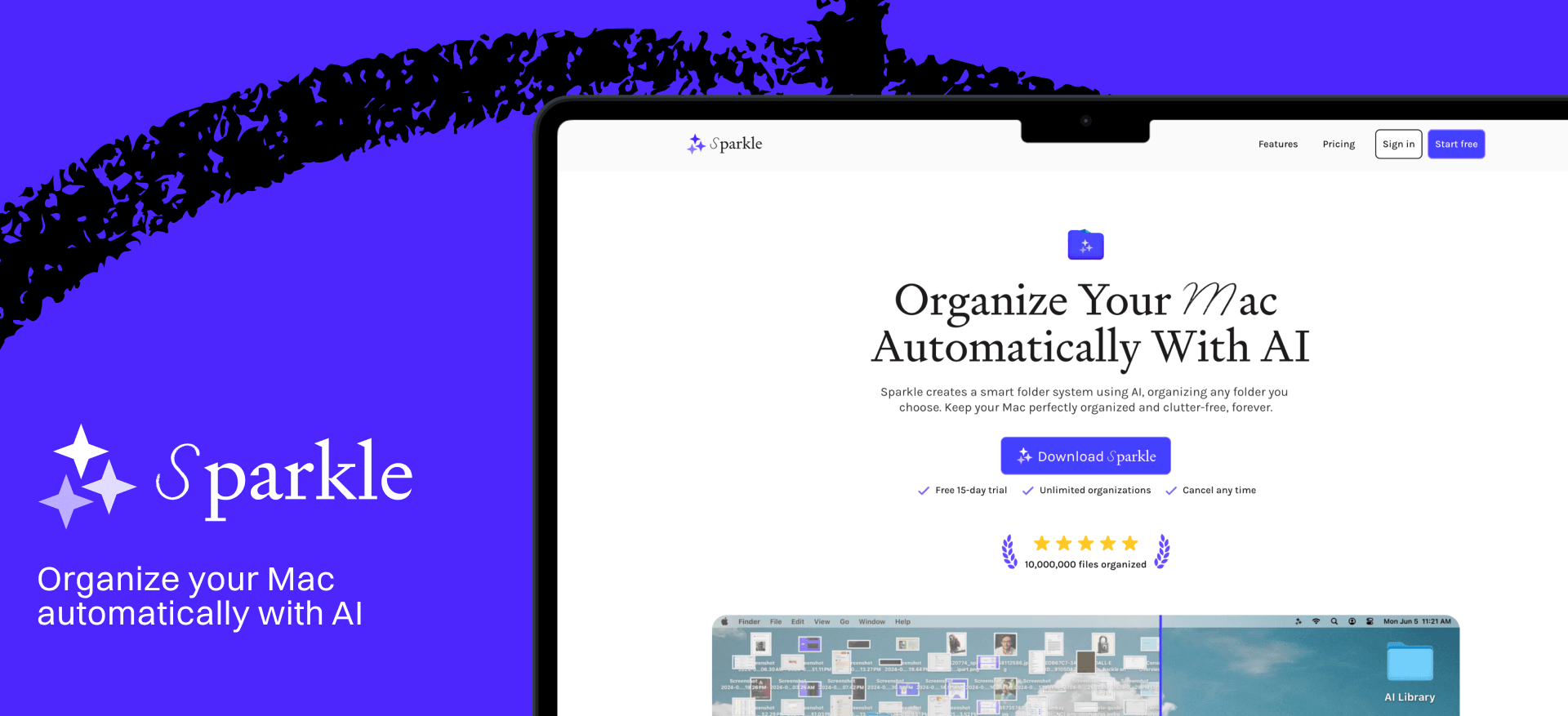
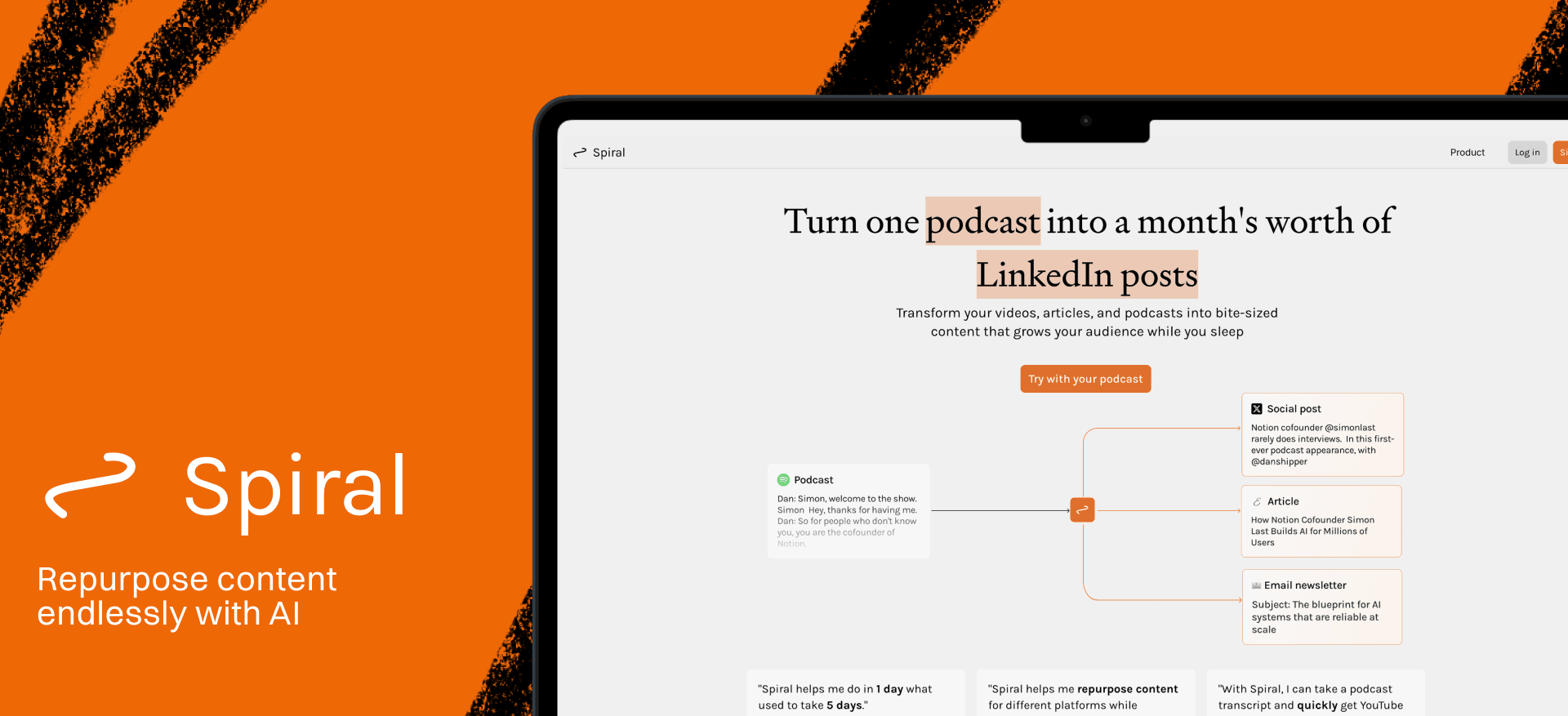
Scattered tools slow teams down. Every Teams gives your whole organization full access to Every and our AI apps—Sparkle to organize files, Spiral to write well, Cora to manage email, and Monologue for smart dictation—plus our daily newsletter, subscriber‑only livestreams, Discord, and course discounts. One subscription to keep your company at the AI frontier. Trusted by 200+ AI-native companies—including The Browser Company, Portola, and Stainless.
Makers versus managers versus model managers
In 2009, Paul Graham published an essay called "Maker’s Schedule, Manager’s Schedule." In it, he argues that makers and managers need fundamentally different calendars. Makers (programmers, writers, designers) need long, uninterrupted blocks of time to build momentum and enter flow state. Managers operate in hourlong chunks, their days pre-fragmented by meetings. When these two schedules collide, makers lose—a single meeting can shatter an entire day's productivity.
For 15 years, we treated Graham's divide as gospel: Protect the makers, and let the managers coordinate. Companies built entire cultures around this—no-meeting Wednesdays, focus-time blocks, elaborate systems to guard deep work from the tyranny of the calendar.
But model management scrambles these neat categories...
Become a paid subscriber to Every to unlock this piece and learn about how:
- Fractured focus becomes strategic when managing multiple AI agents
- Katie's output has tripled despite 40% less writing time
- Parallel processing demands rigorous compartmentalization.
Thanks to our Sponsor:
Make your team AI‑native
Scattered tools slow teams down. Every Teams gives your whole organization full access to Every and our AI apps—Sparkle to organize files, Spiral to write well, Cora to manage email, and Monologue for smart dictation—plus our daily newsletter, subscriber‑only livestreams, Discord, and course discounts. One subscription to keep your company at the AI frontier. Trusted by 200+ AI-native companies—including The Browser Company, Portola, and Stainless.
 Create a free account to continue reading
The Only Subscription
You Need to
Stay at the
Edge of AI
The essential toolkit for those shaping the future

"This might be the best value you
can get from an AI subscription."
- Jay S.
 Every Content
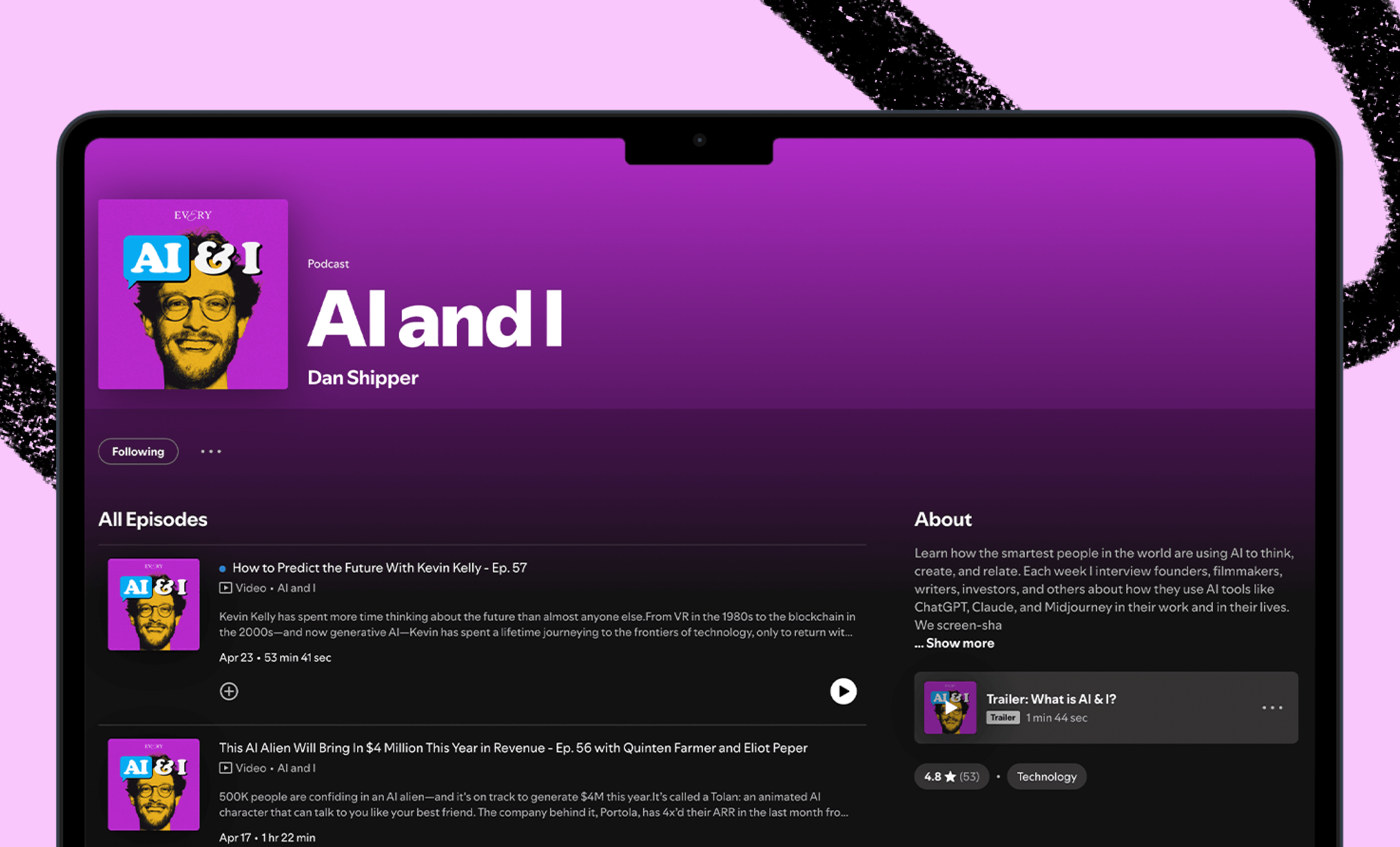
 AI&I Podcast
 Monologue
 Every Agent
Join 100,000+ leaders, builders, and innovators

Already have an account? Sign in.
What is included in a subscription?
Daily insights from AI pioneers + early access to powerful AI tools
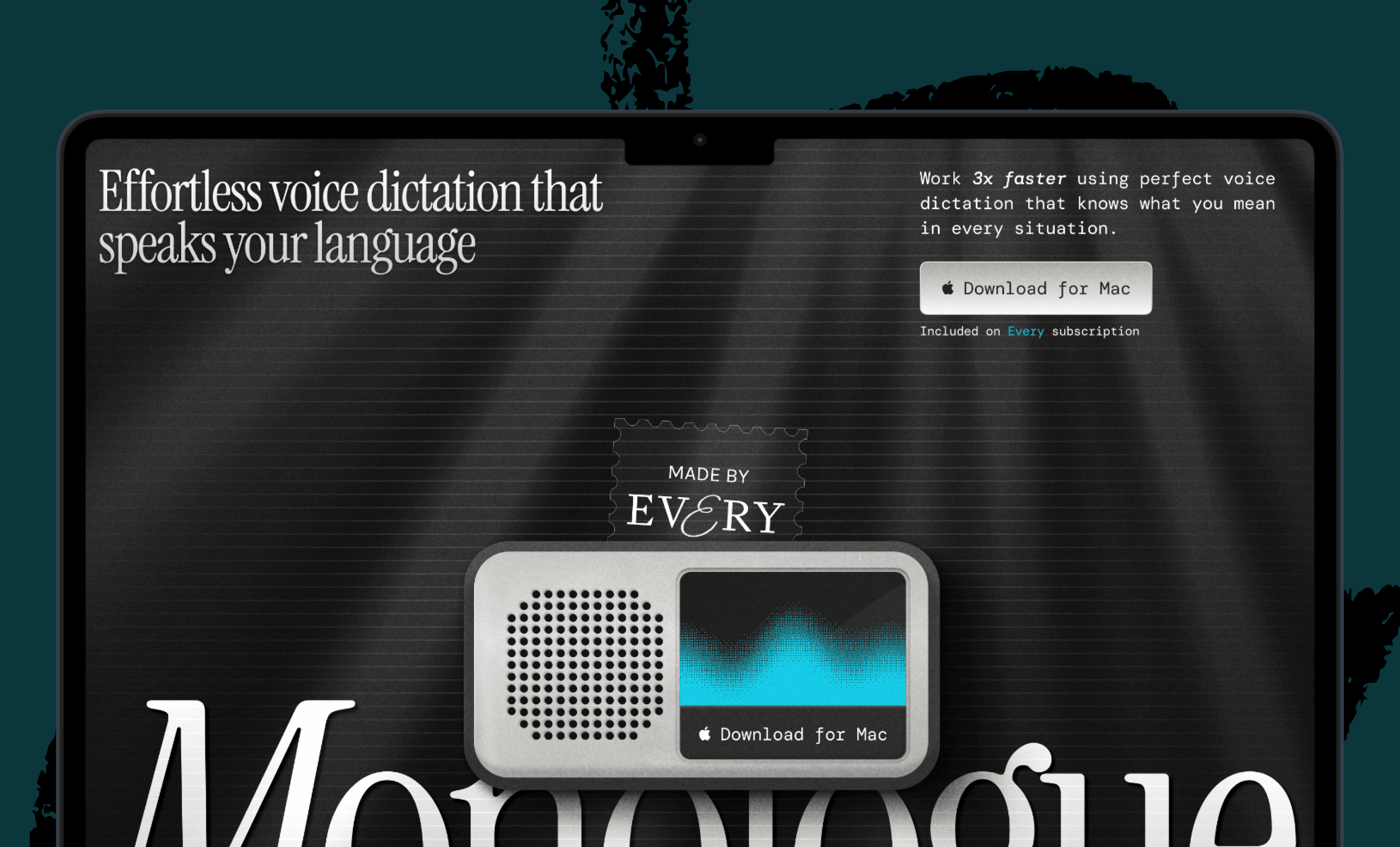
 Front-row access to the future of AI
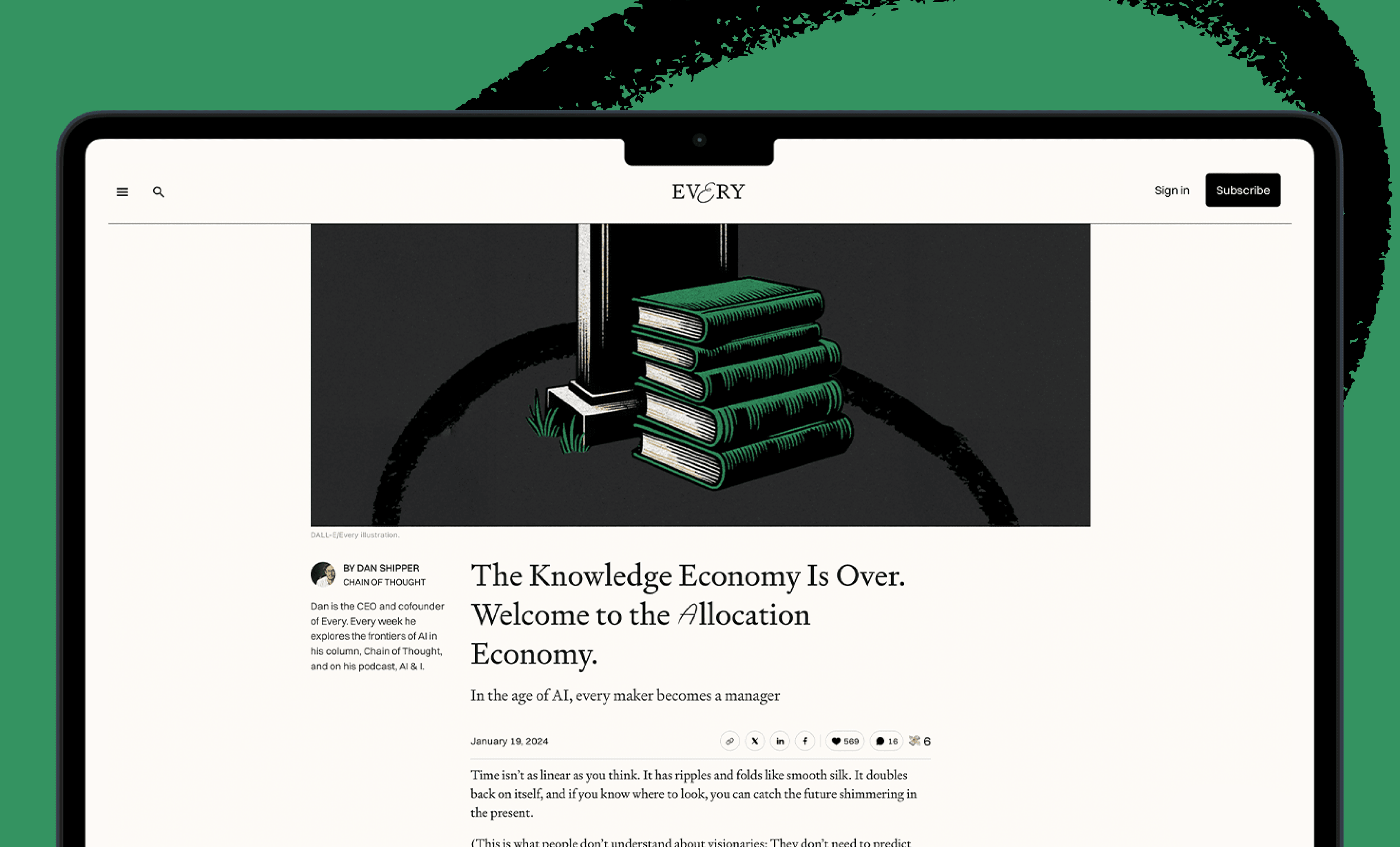
 In-depth reviews of new models on release dayPlaybooks and guides for putting AI to workPrompts and use cases for buildersIn-depth reviews of new models on release dayPlaybooks and guides for putting AI to workPrompts and use cases for builders
 Bundle of AI software




 Katie Parrott
 Every Staff
 Kieran Klaassen
Comments