


Katie Parrott is a staff writer. She writes Working Overtime and contributes to Vibe Checks, Source Code, and Context Window.

AI Turned Me Into a Content Agency of One
Here’s how I do it—and how it’s changing the rules of the game
Feb 24, 2025 · 10 min readUpdated Sep 27, 2026

Was this newsletter forwarded to you? Sign up to get it in your inbox.
As a content strategist and writer, I don’t often stop to count just how much I produce—until I do, and the numbers make me question my grip on reality.A few weeks ago, I was sitting in front of my computer, scoping out everything I would be developing for one of my freelance clients over the next month, when It suddenly occurred to me that I was on the hook for an unhinged amount of content:
- 8 blog articles
- 3 ebooks
- 24 LinkedIn posts
- 8 LinkedIn carousels
- 24 X posts
- 16 Instagram posts
- 8 Instagram carousels
- 16 Facebook group posts
- 24 emails
In the past, when I was on staff at a marketing agency, I was considered fully booked when I was producing two articles per week. The work I just listed would be enough to give three or four writers at a small content marketing shop some healthy business for two to three months.
Instead, I produced it all myself. In about two weeks. With help from AI.
That’s right: I am using the tools that so many people—particularly creative professionals—worry are going to take our jobs to literally take somebody’s job.
I can’t help but think: Am I okay with this?
It’s one thing to hear about AI killing jobs in theory. It’s another thing to see it happening—and see your own fingerprints on the murder weapon. But I’m not just wrestling with guilt. I’m also grappling with what it means to work this way—with the power AI has given me to do more, faster, and at a scale that would have been unthinkable just a few years ago. Because the task at hand isn’t (just) keeping up—it’s deciding what kind of race I want to run. And that’s where things get interesting.

Bring your ideas to life in no time
Turn concepts into dynamic visuals. With LTX Studio, you can use AI to develop concepts, imagine characters based on real human scenes, and stitch any dialogue into your interactions. Automate the extra stuff and get back to the important part of storytelling—coming up with the ideas.
From tool to transformation
I didn’t start using AI to cut someone else out of the equation. Like so many of us, I started experimenting with these tools out of curiosity. Could they really make my job easier? Could they help me work faster or better?
I started small, asking ChatGPT to suggest titles for blog posts, summarize research, or generate rough outlines. And at first that’s all it was: a tool. Just another productivity hack in an industry that thrives on them.
Two-odd years into my AI journey, I have to admit: AI hasn’t just helped me produce content faster—it has fundamentally changed the scale of what I can do. The limits I used to bump up against—time, energy, capacity—are way lower. The small, tedious steps—reformatting drafts, pulling in relevant links, or tweaking phrasing for clarity—are more manageable, the mental load lighter, the cognitive cost of switching between tasks reduced. I can deliver more content in less time, with less effort.
But speed isn’t the only boon of my AI-powered workflows. I can also deliver higher quality work because I'm not mentally exhausted from the grunt work. I can focus on strategy, on understanding my clients' needs, on crafting unique angles and perspectives—all corners that, in a past life, I might have cut because I was racing against deadlines and drowning in deliverables. It’s become trite to say that AI frees you to focus on the human elements that truly matter…but AI has freed me to focus on the human elements that truly matter.
I’ve come to think about AI’s role in my work in six parts, which correspond to the six parts of my workflow:
- As a “second brain”
- As a thought partner
- As a first draft factory
- As a first set of “eyes”
- As a content multiplier
- As a product manager
(For those wondering, my exact stack is:
- ChatGPT for planning and outlining
- Claude for drafting
- Lex for editing and refining
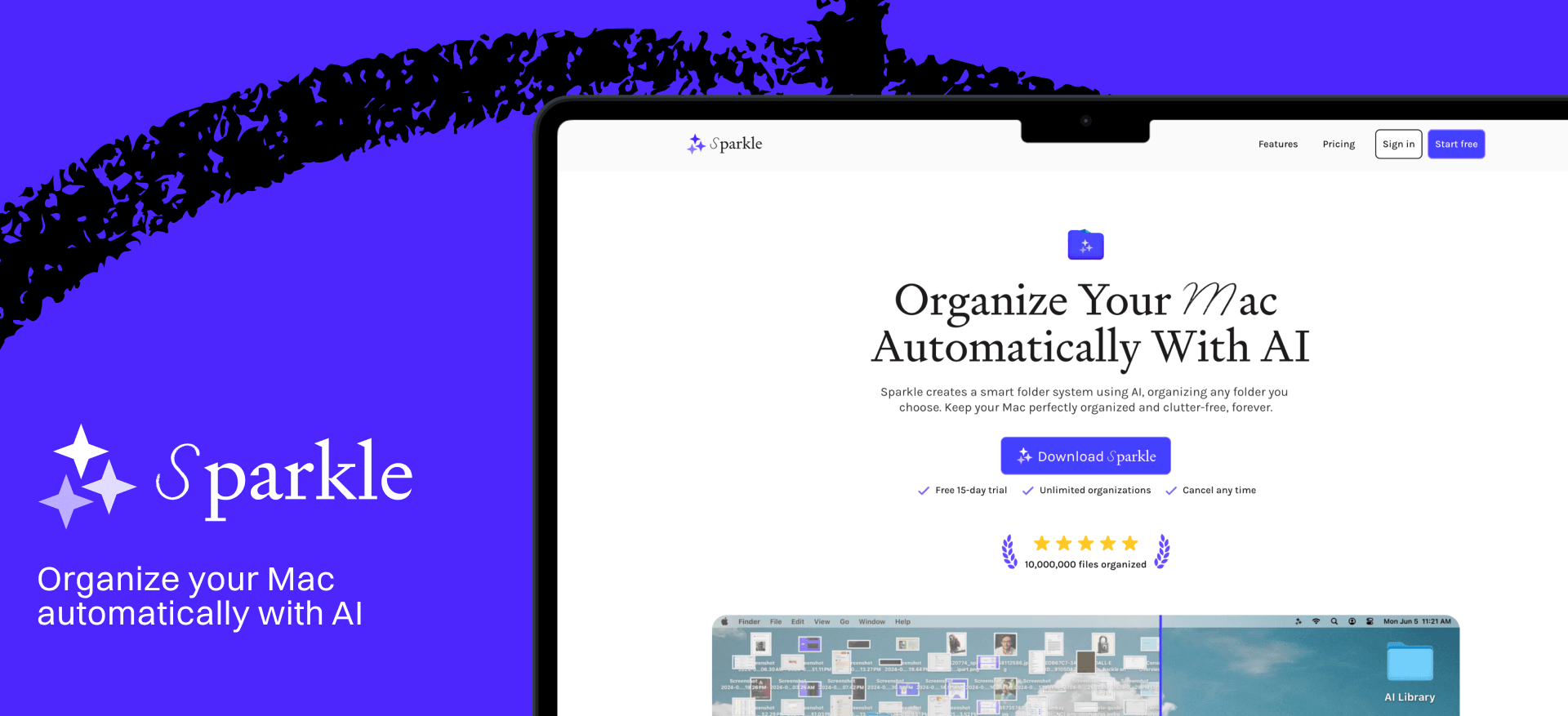
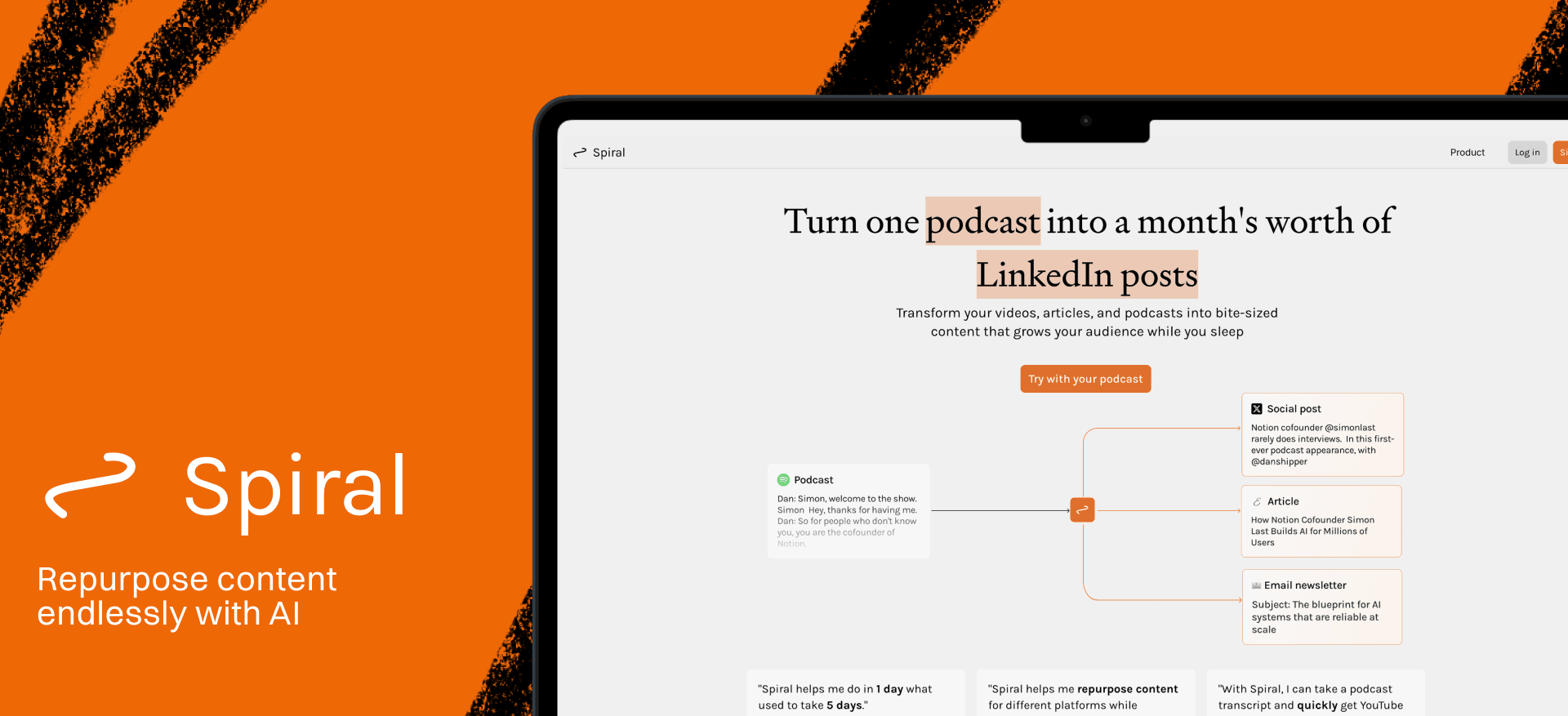
- Spiral for content repurposing)
Let’s look at how it all comes together.
My workflow, but make it AI
Become a paid subscriber to Every to unlock this piece and learn about:
- The six-part AI workflow that redefines content production
- Productivity paradox—when efficiency creates more work
- The hidden cost of infinite scaling potential
- How AI shifts from tool to transformation agent
Thanks to our sponsor: LTX
Bring your ideas to life in no time
Turn concepts into dynamic visuals. With LTX Studio, you can use AI to develop concepts, imagine characters based on real human scenes, and stitch any dialogue into your interactions. Automate the extra stuff and get back to the important part of storytelling—coming up with the ideas.
 Subscribe to read the full article
The Only Subscription
You Need to
Stay at the
Edge of AI
The essential toolkit for those shaping the future

"This might be the best value you
can get from an AI subscription."
- Jay S.
 Every Content
 AI&I Podcast
 Monologue
 Every Agent
Join 100,000+ leaders, builders, and innovators

Already have an account? Sign in.
What is included in a subscription?
Daily insights from AI pioneers + early access to powerful AI tools

 Front-row access to the future of AI
 In-depth reviews of new models on release dayPlaybooks and guides for putting AI to workPrompts and use cases for buildersIn-depth reviews of new models on release dayPlaybooks and guides for putting AI to workPrompts and use cases for builders
 Bundle of AI software





 Katie Parrott
 Every Staff
 Kieran Klaassen