

Evan Armstrong was a lead writer at Every who explored profit and power in technology in Napkin Math.

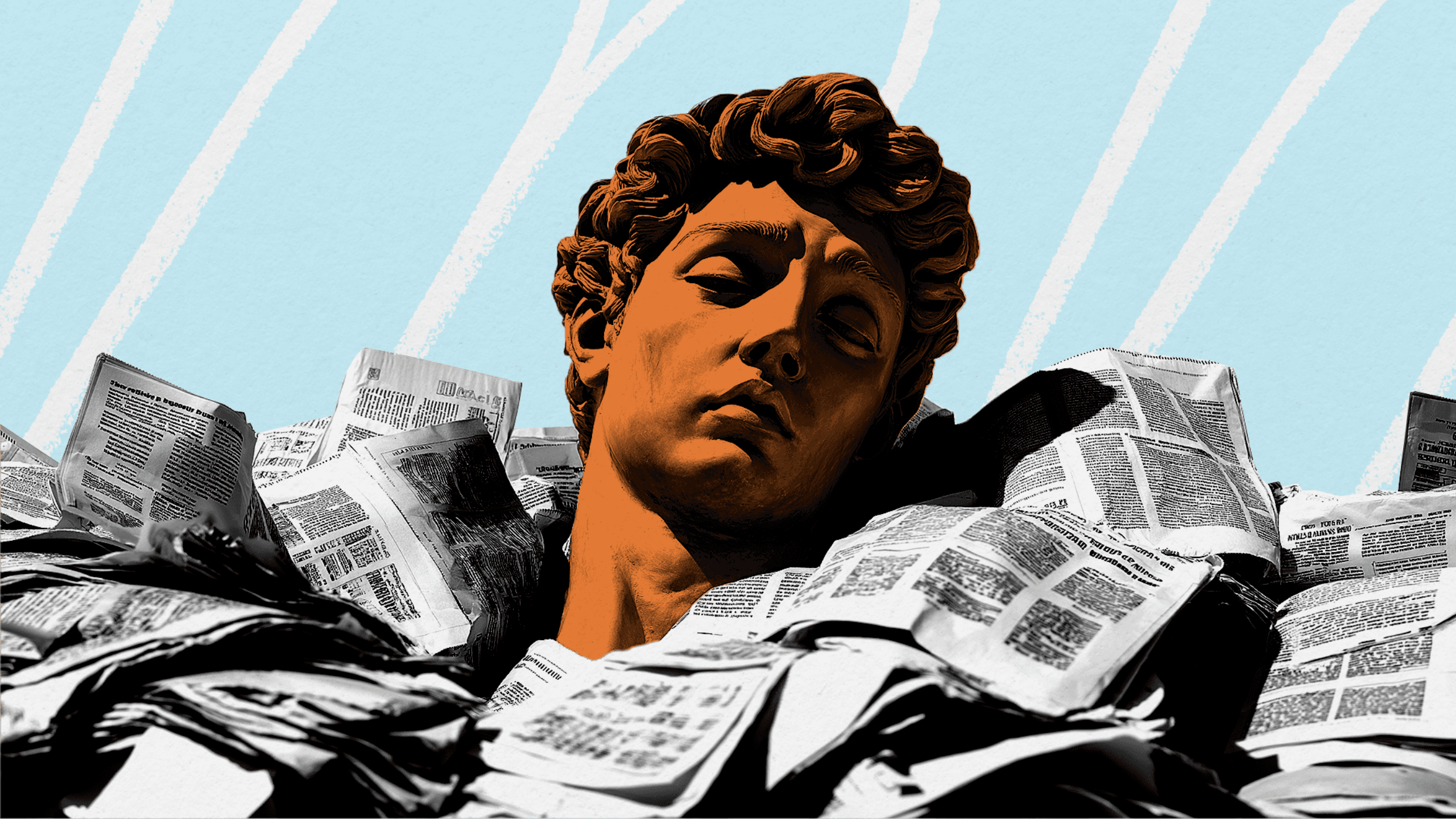
AI Is Breaking Media. Here’s How Publishers Can Survive.
Content is cheaper than ever to produce. That will bring devastation—and a new wave of opportunity.
Mar 13, 2025 · 8 min readUpdated Jul 10, 2026

Was this newsletter forwarded to you? Sign up to get it in your inbox.
Over the last few years, I’ve frequently wished for dumber colleagues. Each of my fellow laborers on the S.S. Every is a kind, intelligent spirit, devoted to their craft. They work incredibly hard.But wouldn’t it be better if it didn’t take a team of exclusively smart people to keep the ship afloat? Every is successful, but it's taken us working hard every single day for years to make it happen. Where I should probably want to work is Warren Buffet’s description of an investable business, one “that can be run by a ham sandwich.”
A good business has long-term defensible assets, generous profit margins, unique distribution, and, most importantly, a sense that it controls its own density. And, unfortunately, media usually has none of those things.
Internet platforms like Google and Facebook act as intermediaries between publishers and audiences, forcing media companies to constantly pivot their product on the whims of the platforms’ algorithms. Many wonderful media outfits flourished during the internet age, but most of the value that once upon a time might’ve gone to them has instead accrued to companies that aggregate consumer attention.
My colleagues have to be smart because otherwise we would get steamrolled by our market’s competitive dynamics. We have to be the best just to survive. Operationally, this means there is always the go-to media playbook: an established set of strategies and actions that are rewarded until the next technological shift. Sometimes they last a minute (like a popular meme format), sometimes for years (like the current podcast wave), but media companies live or die on the timing and speed with which they utilize trends.
In the runup to Covid, and certainly ever since, you could summarize the meta with one word: email. Email is the one distribution pipeline that isn’t owned by some mega-corporation. It gave publishers a direct method by which to communicate with users. Publishers mostly controlled the experience that readers had and knew that if they sent something, everyone on their email list would receive it. I was one of the first few employees at Substack, the platform that helped kickstart the email newsletter revolution, and I witnessed firsthand how many people were using email to build incredible businesses. The trend was so compelling that I quit my cushy tech job and became one of those people building a newsletter company. By 2025, that had led to a flourishing of niche media publications devoted to specialized topics, and new outfits like The Free Press raising a $15 million round of funding at a $100 million valuation. Just this week, Substack announced it had 5 million paid subscriptions on its platform.
However, in multiple private conversations with CEOs who run email-centered media companies over the last few months, I have heard the same thing—the era of newsletters is ending, and the media meta is shifting. The problem (and the opportunity) is AI.
Thanks to our sponsor: Riffusion
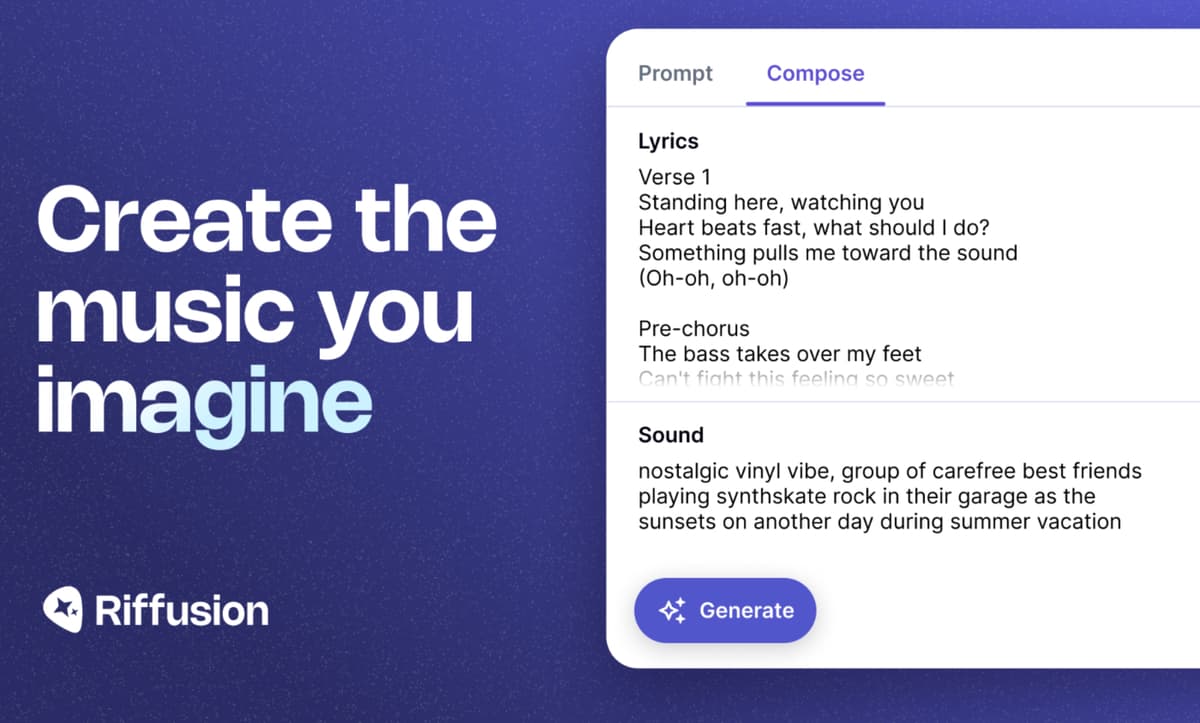
Music, how you want it
Make music—for a run, an ad campaign, or a party—that sounds exactly how you want it, for free. Riffusion uses AI to generate music catered exactly to you, learning from your choices over time and giving you control over what influences your songs.
They’re rolling out new features constantly. The latest? “Projects.” Which gives you new ways to organize your music—keeping you productive and efficient through the entire creative process.
Content to zero
There are four big simultaneous changes happening:
Become a paid subscriber to Every to unlock this piece and learn about:
- How the newsletter era is ending as AI reshapes media economics
- Combining AI-powered content with human relationships to win
- Software as content becoming the new media bundling strategy
Thanks to our sponsor: Riffusion
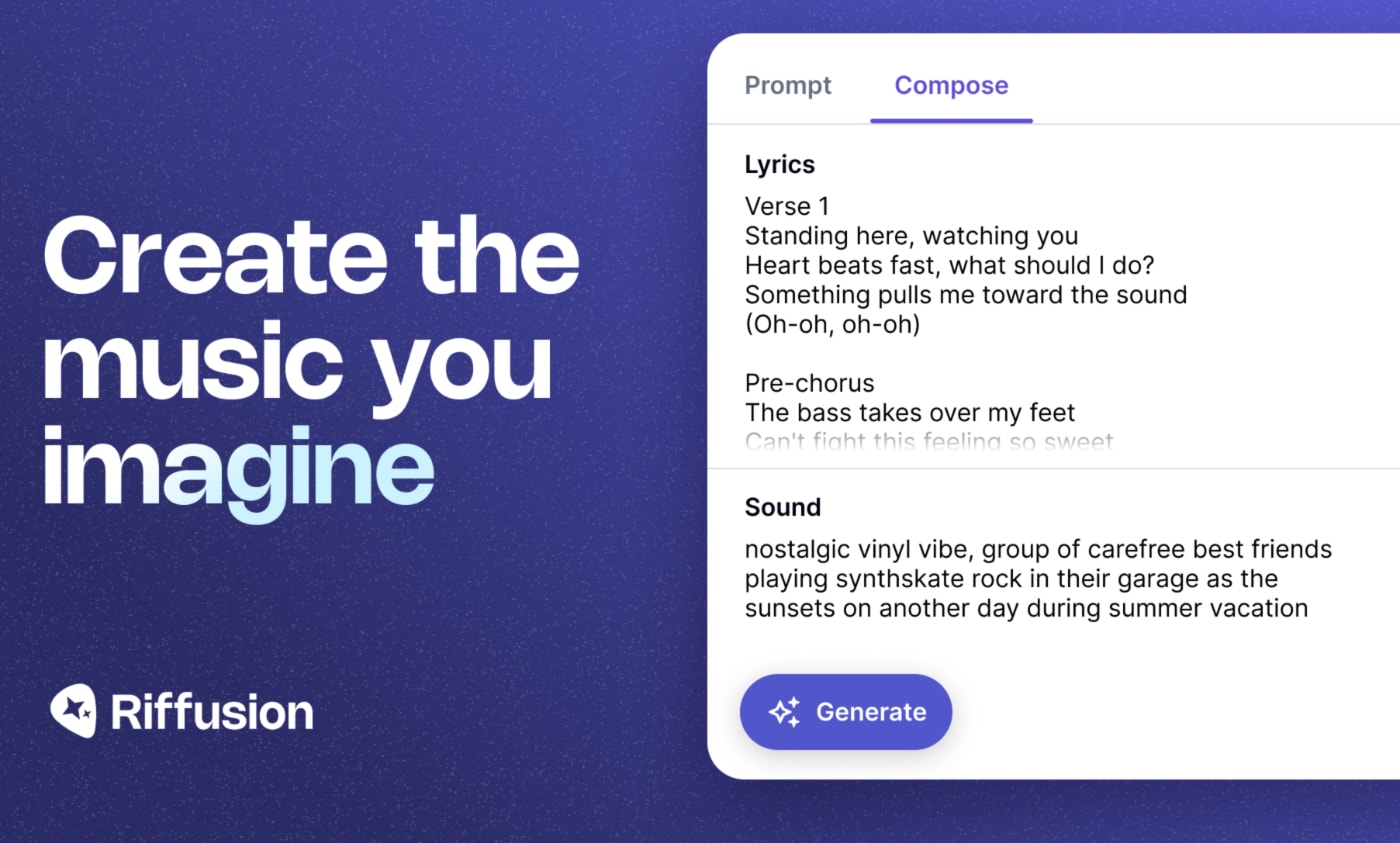
Music, how you want it
Make music—for a run, an ad campaign, or a party—that sounds exactly how you want it, for free. Riffusion uses AI to generate music catered exactly to you, learning from your choices over time and giving you control over what influences your songs.
They’re rolling out new features constantly. The latest? “Projects.” Which gives you new ways to organize your music—keeping you productive and efficient through the entire creative process.
 Create a free account to continue reading
The Only Subscription
You Need to
Stay at the
Edge of AI
The essential toolkit for those shaping the future

"This might be the best value you
can get from an AI subscription."
- Jay S.
 Every Content
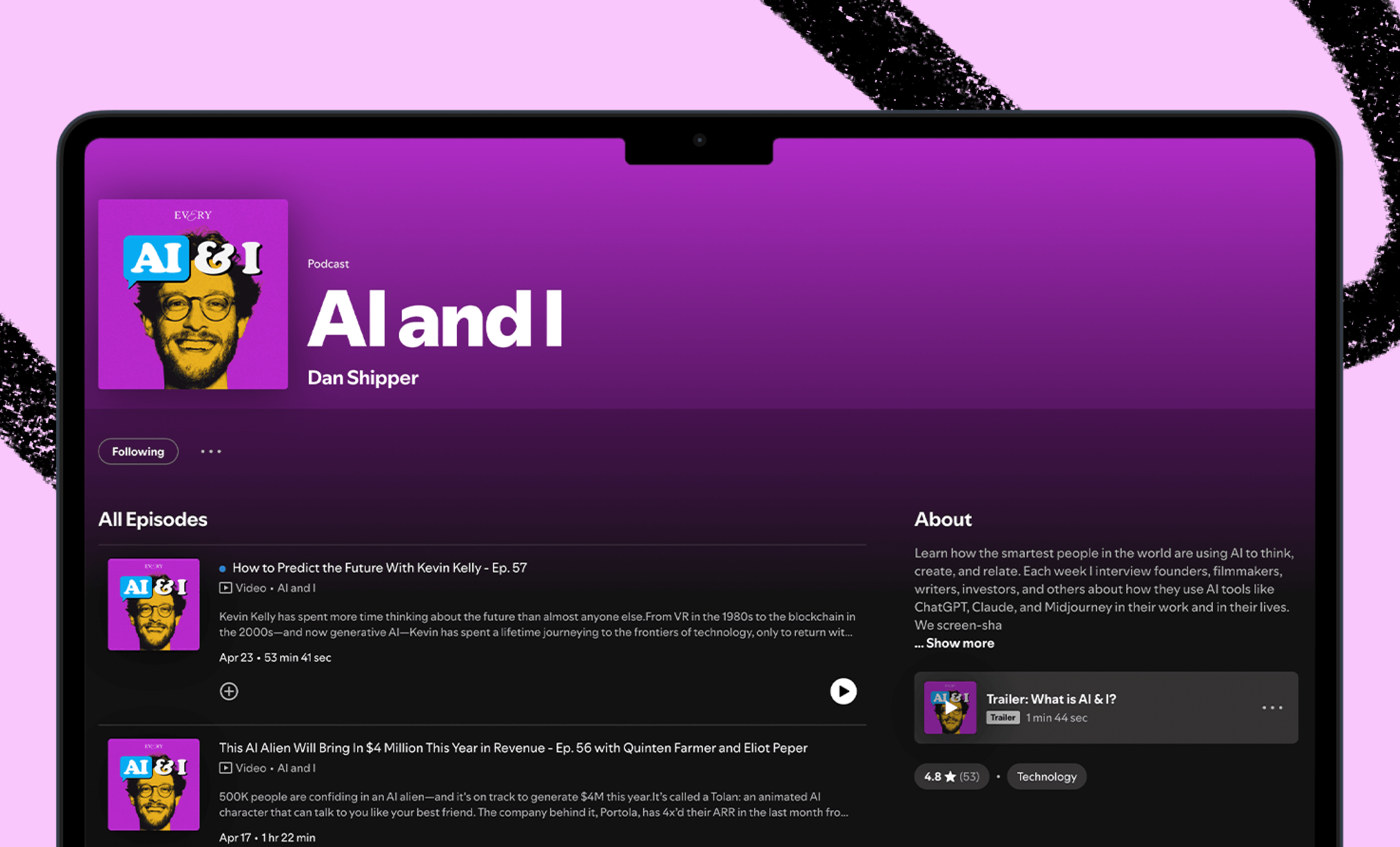
 AI&I Podcast
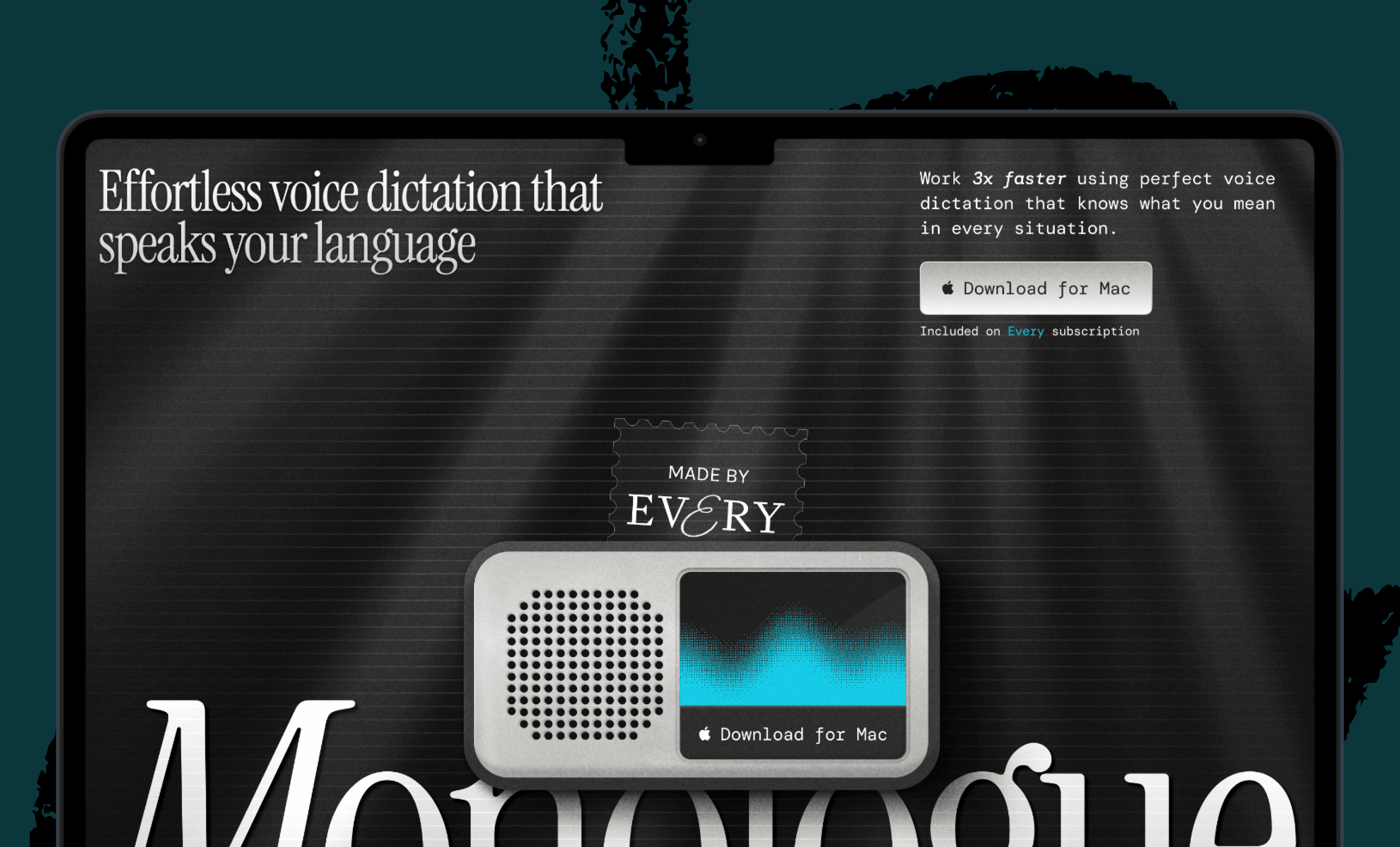
 Monologue
 Every Agent
Join 100,000+ leaders, builders, and innovators

Already have an account? Sign in.
What is included in a subscription?
Daily insights from AI pioneers + early access to powerful AI tools
 Front-row access to the future of AI
 In-depth reviews of new models on release dayPlaybooks and guides for putting AI to workPrompts and use cases for buildersIn-depth reviews of new models on release dayPlaybooks and guides for putting AI to workPrompts and use cases for builders
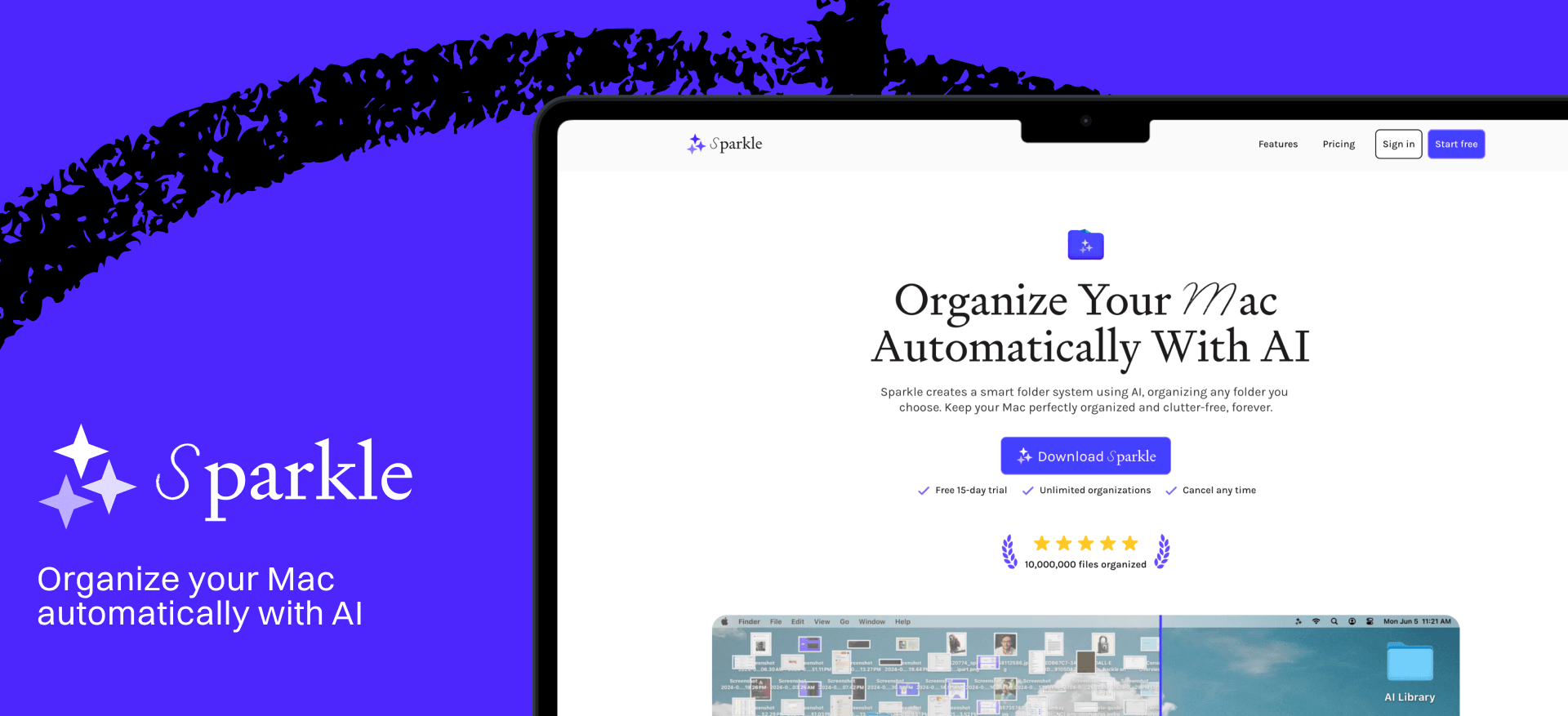
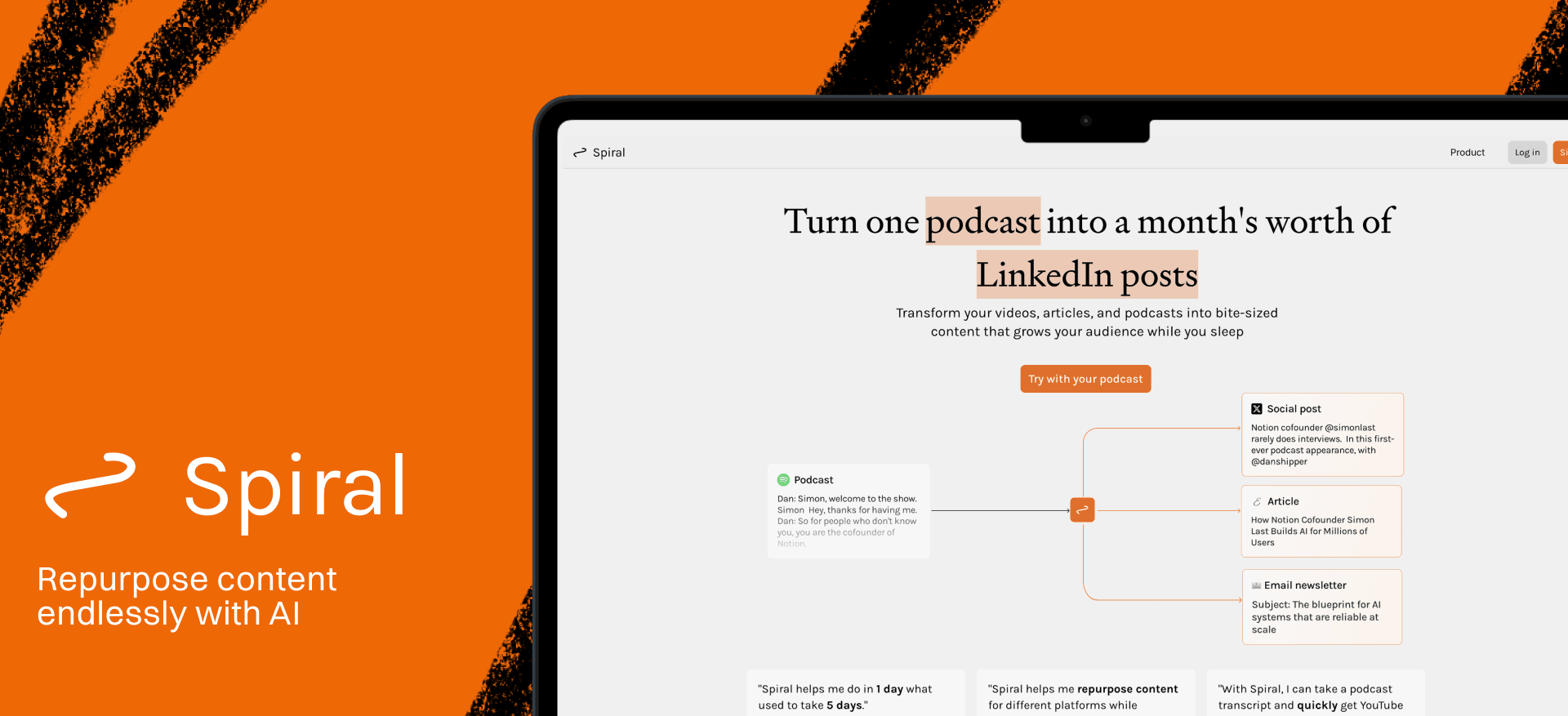
 Bundle of AI software



 Katie Parrott
 Every Staff
 Kieran Klaassen
Comments