
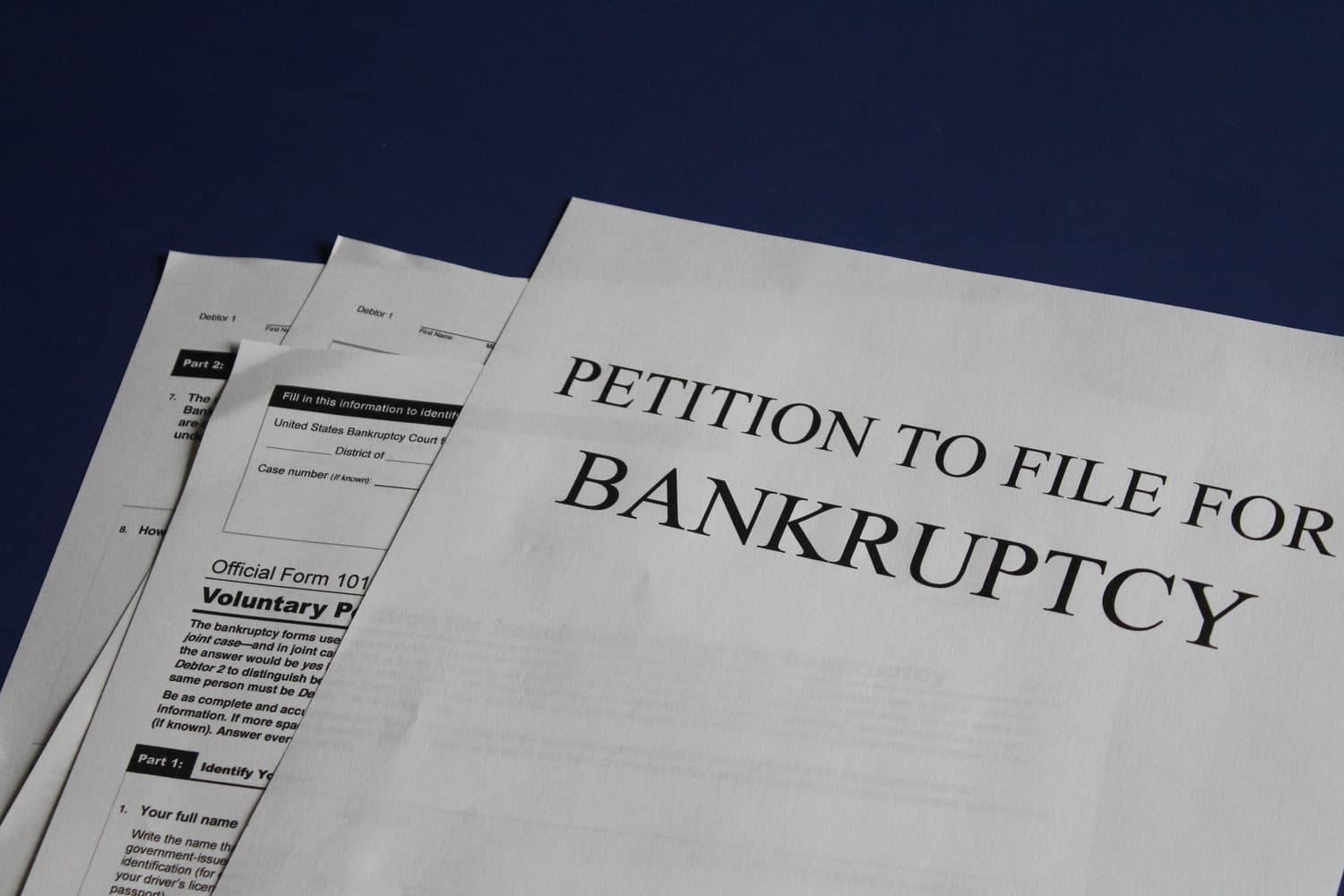


Explaining the Hertz Situation
A layman’s guide to bankruptcy
Jun 18, 2020 · 13 min readUpdated Jul 15, 2026

A few weeks ago, rental car company Hertz filed for bankruptcy. While there isn’t anything surprising about that — after all, air travel has slowed down and a huge part of their business is tied to travel — there is one very surprising fact. About a week after they filed for bankruptcy, their stock price shot right back up.
At the beginning, the Hertz situation was fairly similar to most other bankruptcy processes. The demand for car rental plummeted because of a big economic shift (caused by Covid-19) and so their business tanked. To make matters worse, unemployment increased and the demand for used cars fell, which was one of their largest assets. On May 22, Hertz filed for bankruptcy when they had $19 billion of debt on their balance sheet and around 700,000 idle rental cars.
Most investors gave up at this point. Legendary investor Carl Icahn sold his 55.3 million shares of the company on May 26 for around $40 million. An SEC filing from March showed his total position at $1.88 billion so the sale resulted in over $1.8 billion in losses for Icahn. The stock was trading at $0.56 per share, down from $20.29 just a few months prior. And it made sense: if the company was going bankrupt, equity holders would get wiped out completely. Selling for $40 million is better than nothing.
From there, things started to get weird. Hertz' stock price rose from $0.56 on May 26 to $5.53 on June 8 because of the hysteria caused by Barstool Sports founder Dave Portnoy and a band of retail investors mimicking his trades on Robinhood.
Basically, Portnoy posted videos where he pumped up the stocks he was investing in. As the loud (and often brash) founder of sports media empire Barstool Sports Portnoy had built up a large audience of loyal followers. Once sports -- and sports betting -- stopped, many people switched from getting Portnoy’s take on a game to his take on a stock.
 Create a free account to continue reading
The Only Subscription
You Need to
Stay at the
Edge of AI
The essential toolkit for those shaping the future

"This might be the best value you
can get from an AI subscription."
- Jay S.
 Every Content
 AI&I Podcast
 Monologue
 Every Agent
Join 100,000+ leaders, builders, and innovators

Already have an account? Sign in.
What is included in a subscription?
Daily insights from AI pioneers + early access to powerful AI tools

 Front-row access to the future of AI
 In-depth reviews of new models on release dayPlaybooks and guides for putting AI to workPrompts and use cases for buildersIn-depth reviews of new models on release dayPlaybooks and guides for putting AI to workPrompts and use cases for builders
 Bundle of AI software







 Katie Parrott
 Every Staff
 Kieran Klaassen
Comments