



Who Even Codes Anymore?
Plus: How AI trained this baby
Dec 13, 2025 · 5 min readUpdated Jul 26, 2026

Hello, and happy Sunday! Was this newsletter forwarded to you? Sign up to get it in your inbox.
Knowledge base
“Compound Engineering: How Every Codes With Agents” by Dan Shipper and Kieran Klaassen/Chain of Thought: The old assumption in engineering was that each feature makes the next one harder to build; compound engineering flips that. Every bug, failed test, and a-ha moment gets documented so agents learn from it. Now, a single developer can now do the work of five. Read this for Every’s full engineering playbook—and download the compound engineering plugin to run the exact workflow yourself.
“Vibe Check: GPT-5.2 Is an Incremental Upgrade” by Katie Parrott/Vibe Check: OpenAI’s newest release is what Dan Shipper calls a solid quality-of-life improvement—not enough to make a huge difference in everyday chat. Read this to see why GPT-5.2 is worth exploring for longer analytical tasks, but Opus 4.5 remains the workhorse for creativity, intelligence, and autonomy.
“How Every Is Harnessing the World-changing Shift of Opus 4.5” by Katie Parrott/Source Code: Dan and Kieran Klaassen walked 400 Every subscribers through what they’ve learned from Opus 4.5 in our latest Claude Code Camp—and the takeaway is simple: Your brain is now the bottleneck. Read this for five patterns you can apply today.
“Two Ways to Win in the Post-software Era” by Sumeet Singh/Thesis: If you’re building AI tools the way you would’ve built SaaS a decade ago, you’re about to get crushed. Sumeet Singh argues that every AI wrapper bolted onto an existing workflow is 18 months from irrelevance. Read this to learn about the two routes to durability: Build what’s needed to make models better or invent entirely new workflows that only AI makes possible.
“How This Venture Capitalist Sees Into the Post-software Future” by Rhea Purohit/Thesis: Every Friday and Saturday morning, Sumeet Singh sits in a Brooklyn cafe with his iPad—his designated deep-reading tool—hunting for the rabbit holes that open into the future. Read this for the three-step process he uses to make bets like the one he made in Sardine, which raised a Series C at 10 times his entry valuation.
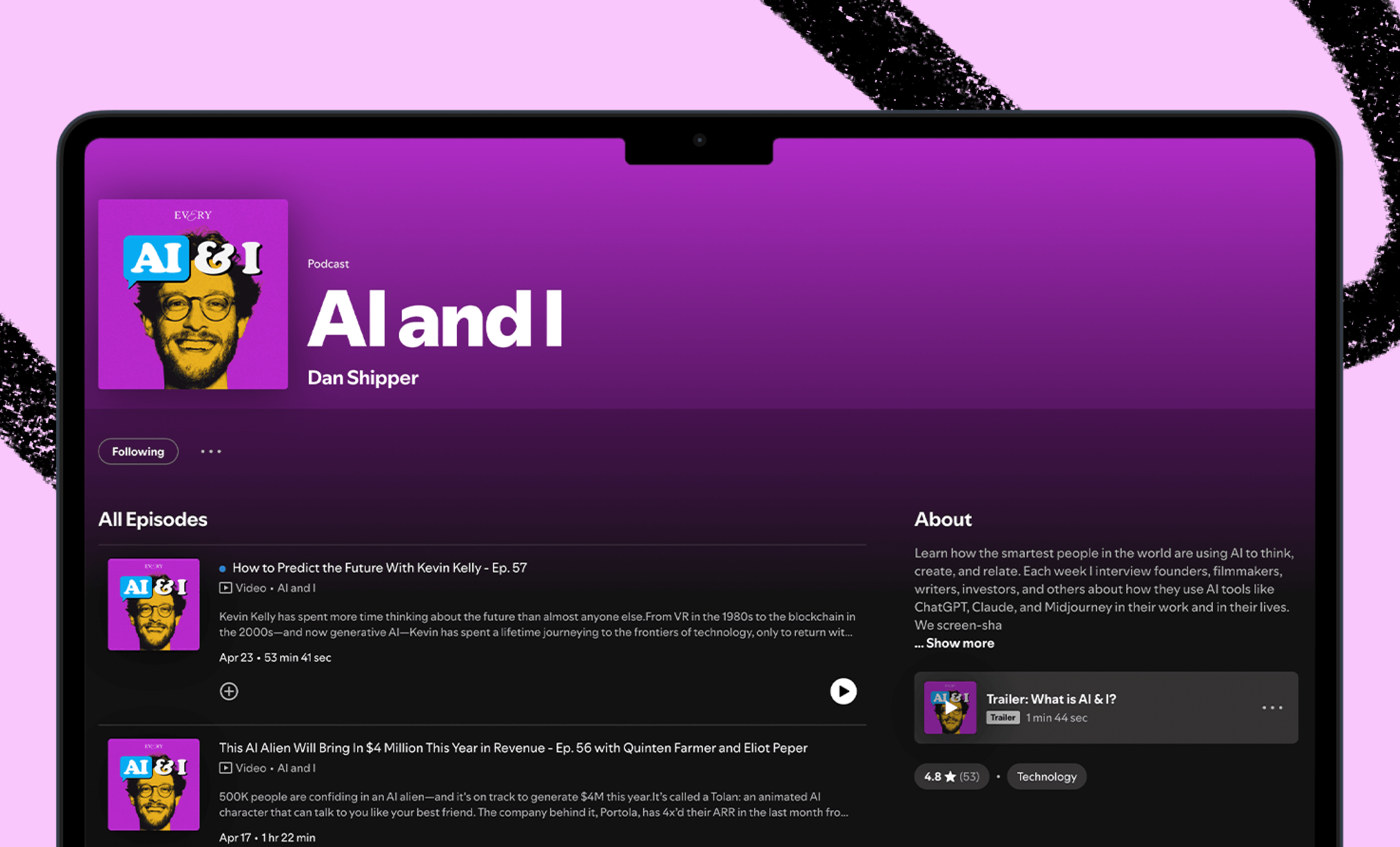
🎧 “She Turned Her Whole Life Into Training Data—For an AI Baby” by Rhea Purohit/AI & I: Comedy writer Sarah Rose Siskind has two buns in the oven: her unborn child and FetusGPT—an LLM trained on MP3s and text files from her daily life since she was five months pregnant. Listen to her conversation with Dan to discover how she uses AI in comedy writing, why ChatGPT has become an “emotional safe place to be weird,” and how the AI earned her trust during a pregnancy scare. 🎧 🖥 Listen on Spotify or Apple Podcasts, or watch on X or YouTube.
From Every Studio
A quick update on Cora
If you looked at your Cora inbox last week and noticed something was off, you weren’t alone. Some users saw empty briefs, and it took us 36 hours to fix the issue. Here’s what happened.
Kieran Klaassen, general manager of Cora, made a small code change using test data instead of checking what was actually running in the live system. In the test environment, items were labeled one way. In the real system, they were different.
The bug hid for a day, but once the first domino fell, things broke in quick succession: scrambled categories, a fix that initially looked successful but actually changed nothing, and thousands of accidental email drafts. The team reprocessed 300,000 emails, regenerated briefs, and cleaned up the mess.
The good news: Everything was restored. No data lost.
The lessons are the boring kind—always check the live system before making changes, don’t trust test environments to match reality, and verify that fixes actually worked. But obvious lessons don’t prevent mistakes; systems do. The team is now building AI-powered code review into its workflow to catch these kinds of errors before they ship.
And to everyone who reached out during the outage to say how much they love Cora—thank you. A very busy inbox is a good reminder of how much it usually does.
Alignment
They say, I say. The best essays I’ve ever read are argumentative and original. They exploit a tension that exists in the world and offer a new way of seeing it. Most dull writing does the opposite: It summarizes what others have said without the author stepping into the conversation. In academia, this is called a literature review. Useful, sure, but almost always dry—and increasingly redundant given that AI can produce a competent summary of any discourse in seconds.
But is there a framework for writing that forces you to enter the conversation and moves it forward with originality? Yes, there is.
Gerald Graff and Cathy Birkenstein’s They Say/I Say is so simple and so underutilized I wish I could ship a copy to everyone who wants to write. The idea is to acknowledge what “they say,” then say what you think in response. Here’s an example: “They say long-form is dead because attention spans are shrinking and video is king. I say the people with real influence are constantly reading and hungry for writers who think clearly and stake real claims.”
You can see how the structure forces you to stop floating observations in a vacuum and commit to a point of view. I’ve used this framework to persuade senior stakeholders at multi-million-dollar companies to expand into international markets. The structure works because it forces clarity: Here’s what the conventional wisdom says, here’s why I disagree, here’s what we should do instead.
Of course, you still have to figure out what you actually believe. For me, that requires some AI-simulated conversations between respected figures in the field, a couple of walks around the block with no headphones, and the courage to commit.—Ashwin Sharma
That’s all for this week! Be sure to follow Every on X at @every and on LinkedIn.
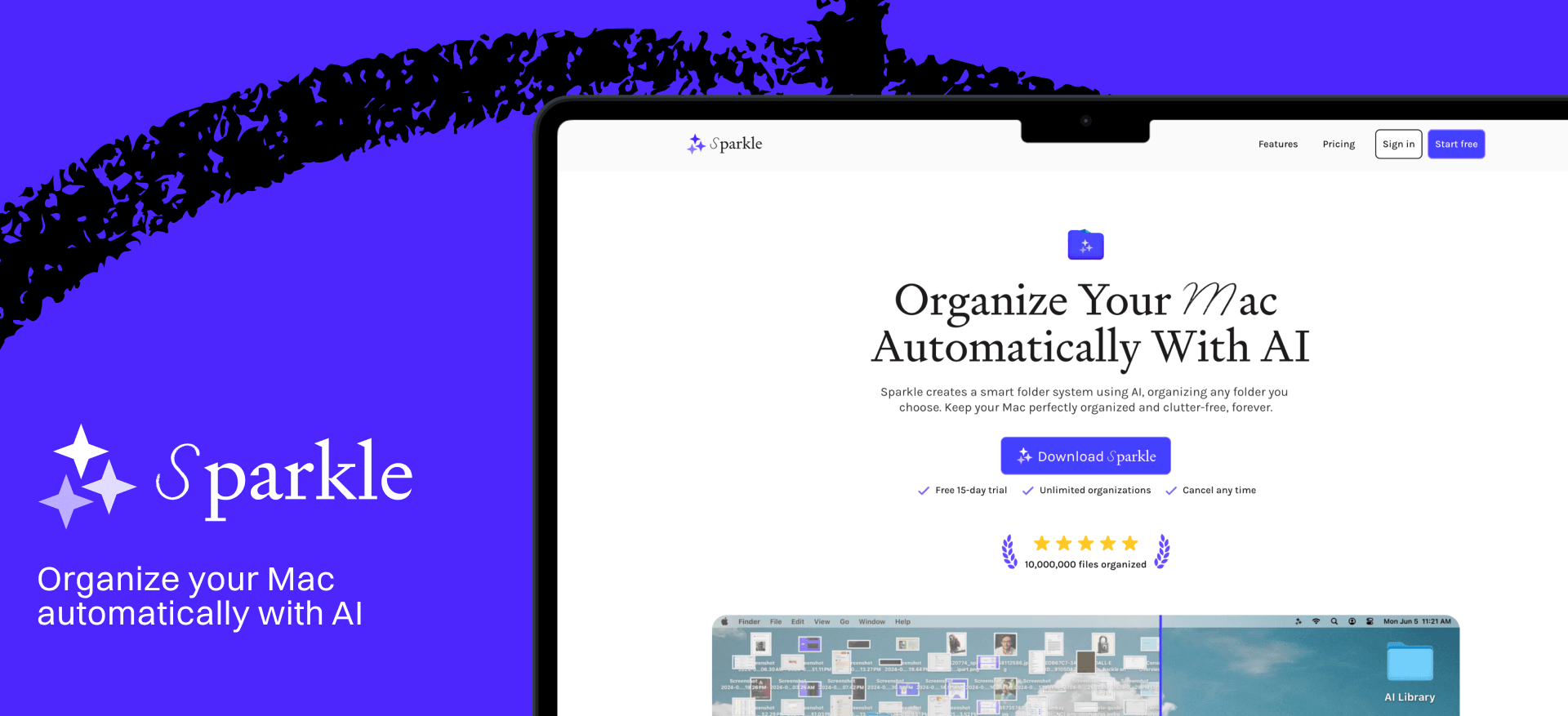
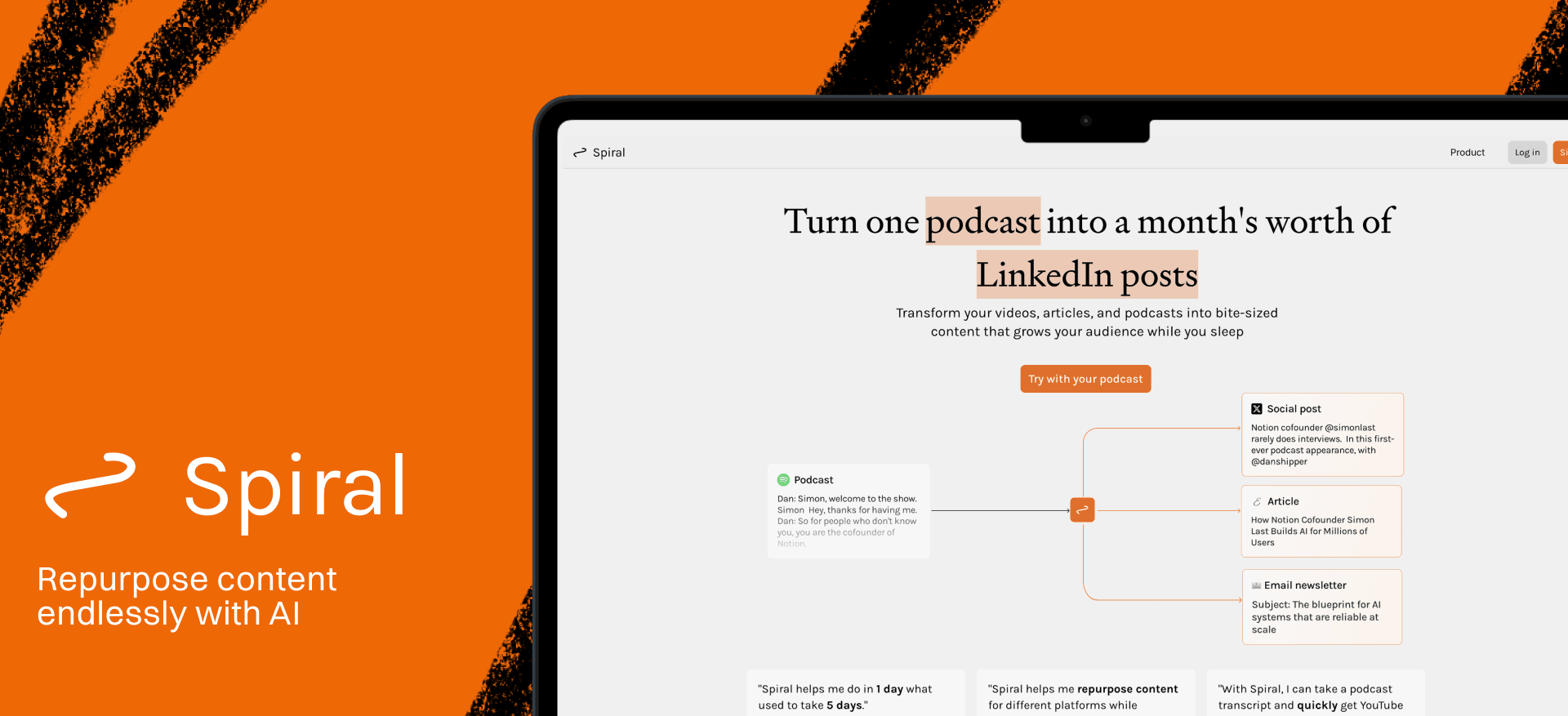
We build AI tools for readers like you. Write brilliantly with Spiral. Organize files automatically with Sparkle. Deliver yourself from email with Cora. Dictate effortlessly with Monologue.
We also do AI training, adoption, and innovation for companies. Work with us to bring AI into your organization.
Get paid for sharing Every with your friends. Join our referral program.
For sponsorship opportunities, reach out to [email protected].
The Only Subscription
You Need to
Stay at the
Edge of AI
The essential toolkit for those shaping the future

"This might be the best value you
can get from an AI subscription."
- Jay S.
 Every Content
 AI&I Podcast
 Monologue
 Every Agent
Join 100,000+ leaders, builders, and innovators

Already have an account? Sign in.
What is included in a subscription?
Daily insights from AI pioneers + early access to powerful AI tools


 Front-row access to the future of AI
 In-depth reviews of new models on release dayPlaybooks and guides for putting AI to workPrompts and use cases for buildersIn-depth reviews of new models on release dayPlaybooks and guides for putting AI to workPrompts and use cases for builders
 Bundle of AI software






 Katie Parrott
 Every Staff
 Kieran Klaassen
Comments