



How We Work Now
Plus: Vibe Check on Opus 4.8, the Vatican’s first AI encyclical, and a doctor on AI-guided care
May 31, 2026 · 6 min readUpdated Sep 17, 2026

Hello, and happy Sunday! This week was bookended by two guides: a 9,000-word power user’s guide to Codex—Dan Shipper’s “After Automation” essay put into practice the way the Every team has lately been working. And Kieran Klaassen published an updated guide to compound engineering, Every’s AI-native development workflow, expanded from four steps to seven. We’re running camps for both—a Compound Engineering Camp on June 5 and a Codex Camp on June 12.
Mid-week Anthropic dropped its latest model, Opus 4.8, and in the words of Dan and Katie Parrott, “Anthropic is so back.” The model tops our coding benchmark and writing tests, making it the company’s most complete model yet, though the app around it has some catching up to do. Anthropic and OpenAI have been volleying for the top of Every’s benchmarks for months. This week, Anthropic took the point.—Kate Lee
Was this newsletter forwarded to you? Sign up to get it in your inbox.
Knowledge base
🔏 “Codex for Knowledge Work” by Katie Parrott/Guides: Katie Parrott’s 9,000-word guide turns Codex into an operating system for knowledge work, with five levels of use (from one-off tasks to compounding systems), 13 workflow templates, and the full setup for context files, rules, and review checklists that make agents reliable across a full workday. A companion essay covers the framing for readers new to Codex. Read this for the seven-day starter plan and the deeper templates.
“Compound Engineering” by Kieran Klaassen and Trevin Chow/Guides: The compound engineering loop has been expanded from four steps to seven. Ideate and plan move to the front, and polish to the end—now that AI handles the middle of the cycle. The updated plugin ships 43 subagents and 38 slash-command skills. In a companion essay, Kieran Klaassen explains the new paradigm of a sandwich: AI in the middle, with humans the bread on either end. Read this for the new loop and what each step demands of you.
“Vibe Check: Opus 4.8—Anthropic Should’ve Rounded Up to 5” by Dan Shipper and Katie Parrott/Vibe Check: Opus 4.8 is the first Anthropic release in a year Dan Shipper and Katie would reach for across coding, prose, and everyday work alike. It scored 63 on Every’s Senior Engineer Benchmark versus 62 for GPT-5.5 and 33.5 for Opus 4.7, and 79.6 on the writing tests—the highest score any model has hit, with fewer AI tells than any non-Claude model. Read this for the benchmark breakdowns and the case for why the model now outpaces the app built around it.
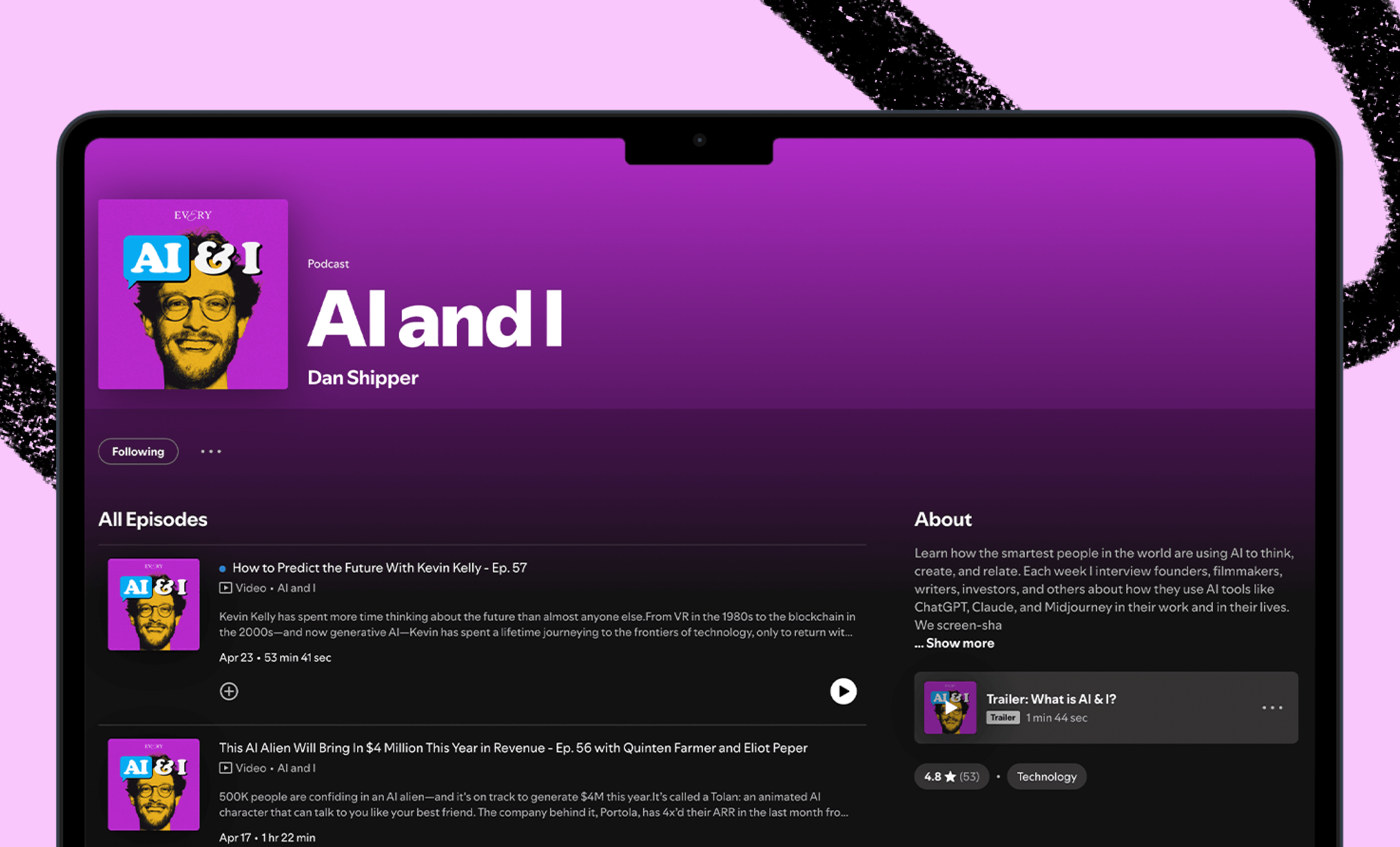
🎧 🖥 “We Automated Everything With AI and Tripled Our Headcount” by Dan Shipper/AI & I: In “After Automation,” Dan argues that AI progress creates more work for humans, not less. The better models get, the more frames there are to hand them. Every COO Brandon Gell sits down with Dan to press on each premise. Watch or listen to this for the oral version of the thesis. 🎧 🖥 Listen on Spotify or Apple Podcasts, watch on YouTube, or follow the discussion on X.
“After ‘After Automation’” by Katie Parrott/Context Window: Katie reads Pope Leo XIV’s Magnifica Humanitas—the Vatican’s first major encyclical on AI—as a collective companion to Dan’s thesis. Read this for what theyagree and disagree on about AI and labor.
Log on
Get hands-on with how Every uses AI. These are the live camps, workshops, and meetups where team members teach the workflows behind our work.
Upcoming camp
Compound Engineering Camp: On June 5, Cora general manager Kieran Klaassen and Trevin Chow host a one-hour walkthrough of compound engineering, the AI-native development workflow Every uses to ship products. Learn more and register.
Codex Camp: Our Power User Guide: On June 12, Dan and the Every team host a two-hour live walkthrough of the Codex power-user guide—setup, workflows, and Codex-native app development. Learn more and register.
Upcoming event
- Executive AI Sessions: On June 2, head of consulting Natalia Quintero hosts a live webinar introducing Every Consulting’s new offering for leadership teams navigating AI adoption—built on the playbook we’ve been running with executive clients for months. Learn more and register.
In New York City
- Every 🤝 IRL: Join us at the Every brownstone in Brooklyn on June 3 during New York Tech Week for a subscriber-only meetup celebrating the Every community over drinks and conversation. Learn more and RSVP.
From Every Studio
Proof keeps your name on shared docs
Proof, where humans and AI agents work on documents together, got eight new PRs this week, all focused on collaborative editing. Shared documents are now attributed to the first human who opens them (instead of the system), and your edits preserve your name through the full pipeline—no more anonymous tracked changes.
Alignment
The right kind of nervous. A few months ago I wrote about Doctronic, the company running a pilot in Utah to let an AI handle prescription renewals, and on Friday the state’s Office of AI Policy released the first five months of results. (The AI gathers a patient’s information and either recommends a renewal that a human physician signs off on, or declines and escalates the case to a doctor.)
In 72 percent of cases the AI recommended renewal, and the reviewing physician agreed nine times out of ten. In the 9 percent where a physician wanted more information, a second physician was brought in and usually decided it wasn’t needed. After both reviews, 97 percent of the recommendations stood. The office estimates humans get it wrong 5 to 12 percent of the time.
But the most reassuring data is that of the 28 percent of cases the AI escalated to a physician, doctors backed the call 69 percent of the time and judged the AI overcautious in the rest. For a pilot, that overcaution is wonderful—you want a system tuned to catch every genuinely risky case even if it stops some perfectly fine ones. A confident system that waves prescriptions through g is the one that should frighten you.
When I was doing rounds many years ago, I was told that the most dangerous doctors are the junior ones who are overconfident and the safest tend to be the overworriers who escalate everything, warranted or not. They do so precisely because they are still learning where the line sits, and that overcaution is how they find it. The Doctronic AI is behaving like a nervous junior, and at this stage, that’s the most encouraging thing it could do.—Ashwin Sharma
That’s all for this week! Be sure to follow Every on X at @every and on LinkedIn.
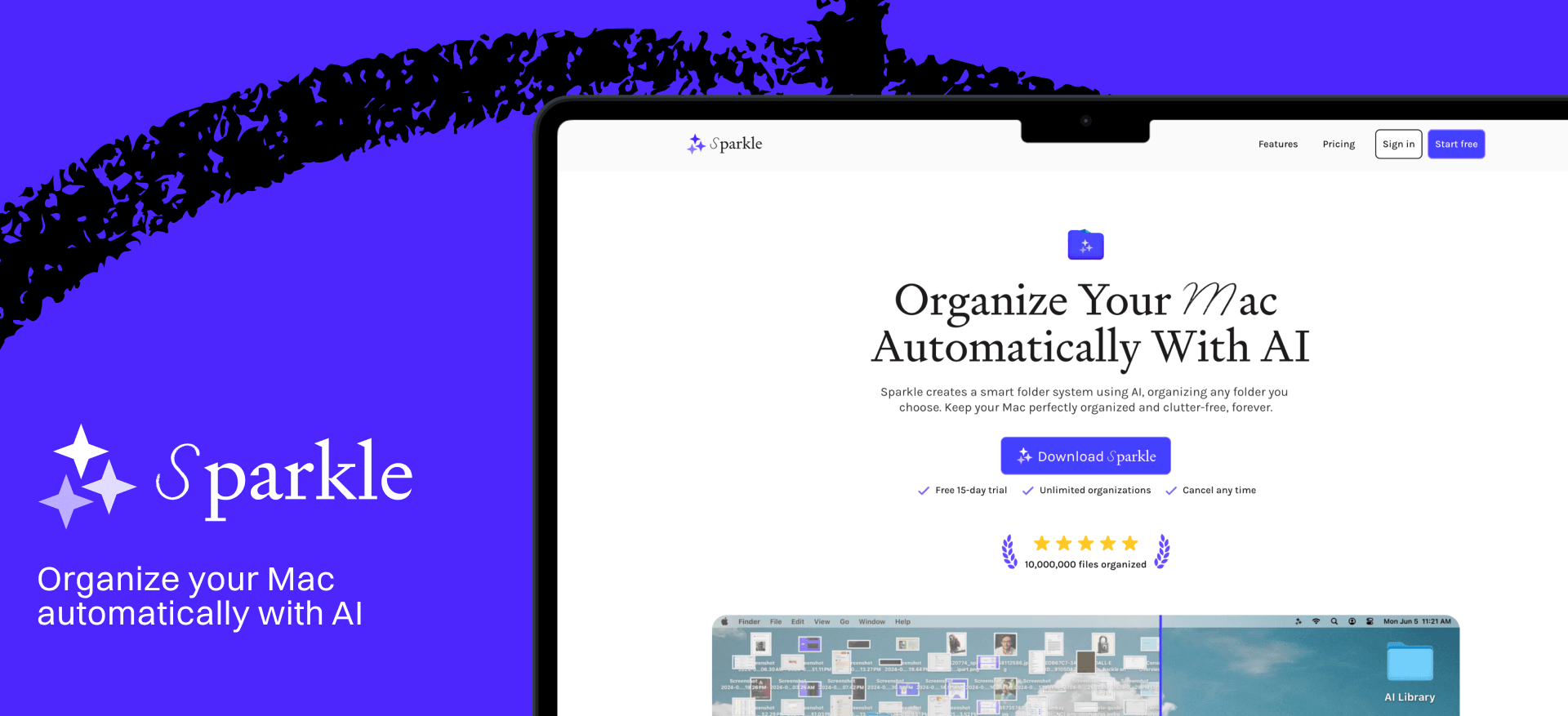
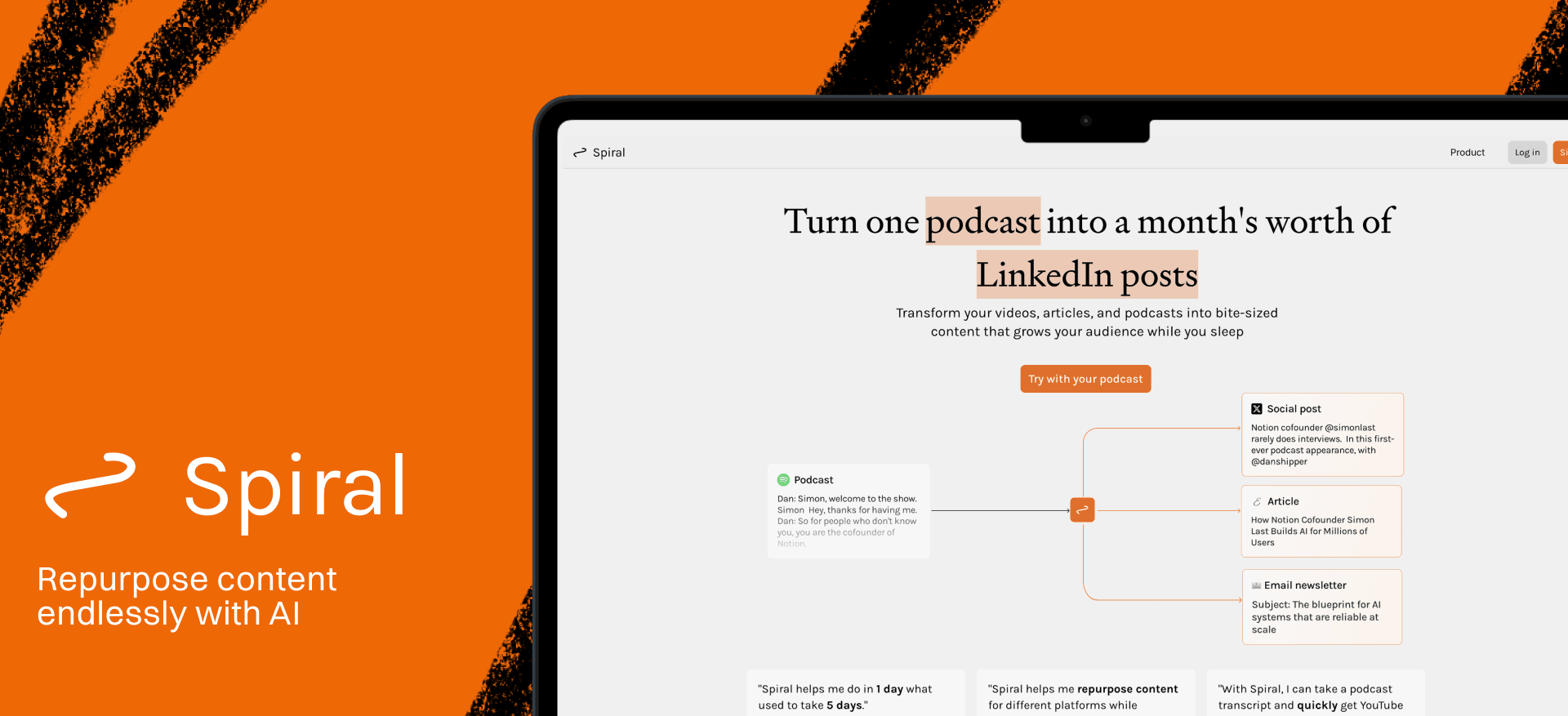
We build AI tools for readers like you. Write brilliantly with Spiral. Organize files automatically with Sparkle. Deliver yourself from email with Cora. Dictate effortlessly with Monologue. Work on documents with AI agents using Proof.
For sponsorship opportunities, reach out to [email protected].
The Only Subscription
You Need to
Stay at the
Edge of AI
The essential toolkit for those shaping the future

"This might be the best value you
can get from an AI subscription."
- Jay S.
 Every Content
 AI&I Podcast
 Monologue
 Every Agent
Join 100,000+ leaders, builders, and innovators

Already have an account? Sign in.
What is included in a subscription?
Daily insights from AI pioneers + early access to powerful AI tools


 Front-row access to the future of AI
 In-depth reviews of new models on release dayPlaybooks and guides for putting AI to workPrompts and use cases for buildersIn-depth reviews of new models on release dayPlaybooks and guides for putting AI to workPrompts and use cases for builders
 Bundle of AI software






 Katie Parrott
 Every Staff
 Kieran Klaassen
Comments