


Dan Shipper is the CEO and cofounder of Every. Every week he explores the frontiers of AI in his column, Chain of Thought, and on his podcast, ‘The Every Podcast’.
.jpg&w=64&q=90)
🎧 Reid Hoffman on How AI Might Answer Our Biggest Questions
Learn how to use philosophy to run your business more effectively
Apr 17, 2024 · 10 min readUpdated Oct 1, 2026

Sponsored By: CommandBar
This essay is brought to you by CommandBar, the first AI user assistance platform.
You know all those clunky, unhelpful chatbots in the bottom right of apps? CommandBar is not that —it’s proactive user assistant that can be embedded into your product, perform actions, fetch data, and co-browse with you. Instead of just answering questions, it could say "I can just show you" and take over your mouse.
If you’re a product, CX, growth, or marketing person, try CommandBar today in your product.
TL;DR: Today we’re releasing a new episode of our podcast How Do You Use ChatGPT? I go in depth with Reid Hoffman, cofounder of LinkedIn, author, and venture capitalist. We dive into understanding the way AI functions through the lens of philosophy and using it as a tool to make better business decisions. Watch on X or YouTube, or listen on Spotify or Apple Podcasts.
Reid Hoffman thinks a masters in philosophy will help you run your business better than an MBA.
Thanks to our Sponsor: CommandBar
Thanks again to our sponsor CommandBar, the AI user assistance tool. CommandBar is trusted by forward-thinking companies like Gusto and Freshworks to provide bespoke, automated support and increase user happiness.
With CommandBar, your support becomes more efficient, your users more empowered, and your product team more effective. Transform your user experience with CommandBar today—the product that unleashes your users.
 Create a free account to continue reading
The Only Subscription
You Need to
Stay at the
Edge of AI
The essential toolkit for those shaping the future

"This might be the best value you
can get from an AI subscription."
- Jay S.
 Every Content
 AI&I Podcast
 Monologue
 Every Agent
Join 100,000+ leaders, builders, and innovators

Already have an account? Sign in.
What is included in a subscription?
Daily insights from AI pioneers + early access to powerful AI tools

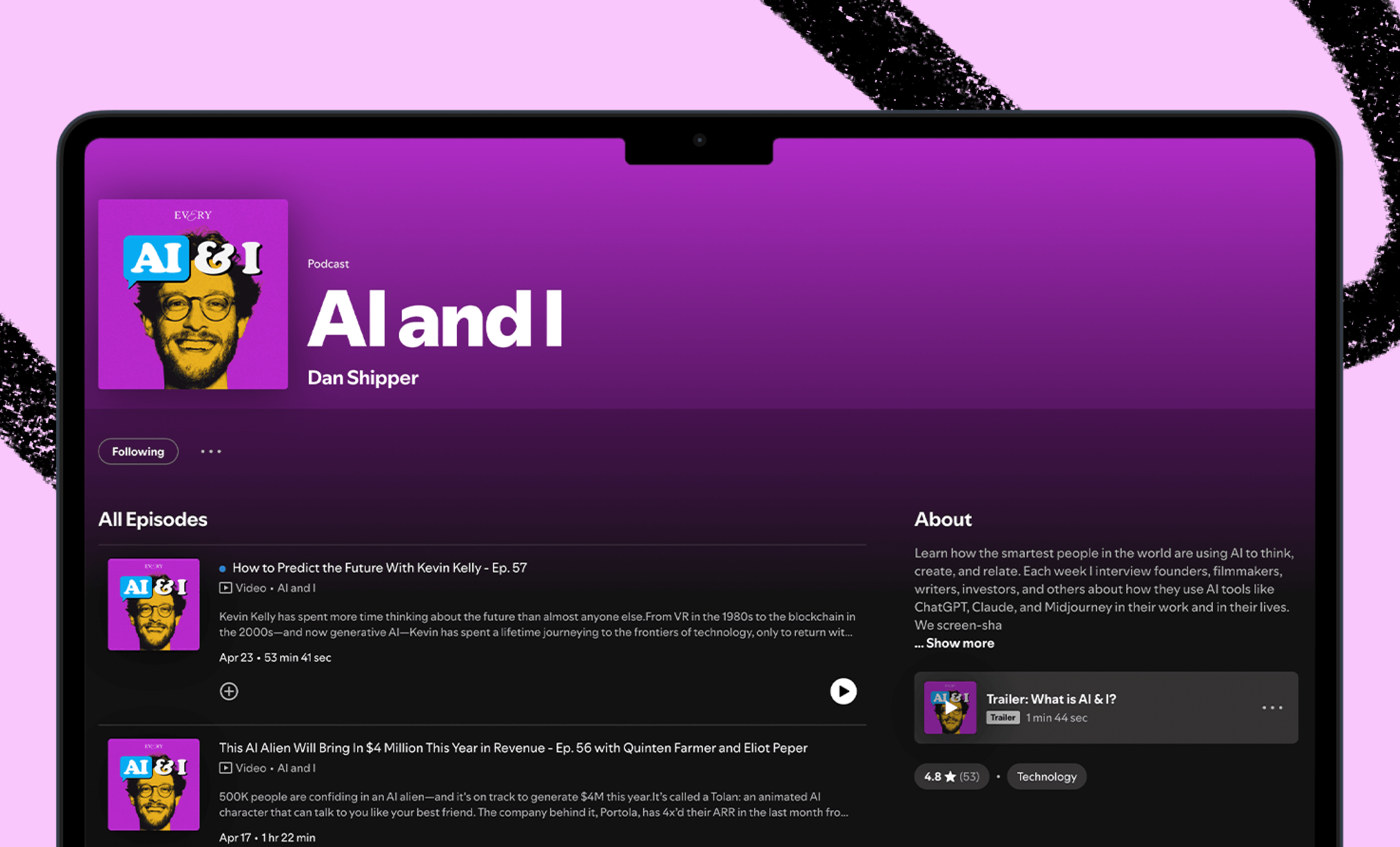

 Front-row access to the future of AI
 In-depth reviews of new models on release dayPlaybooks and guides for putting AI to workPrompts and use cases for buildersIn-depth reviews of new models on release dayPlaybooks and guides for putting AI to workPrompts and use cases for builders
 Bundle of AI software


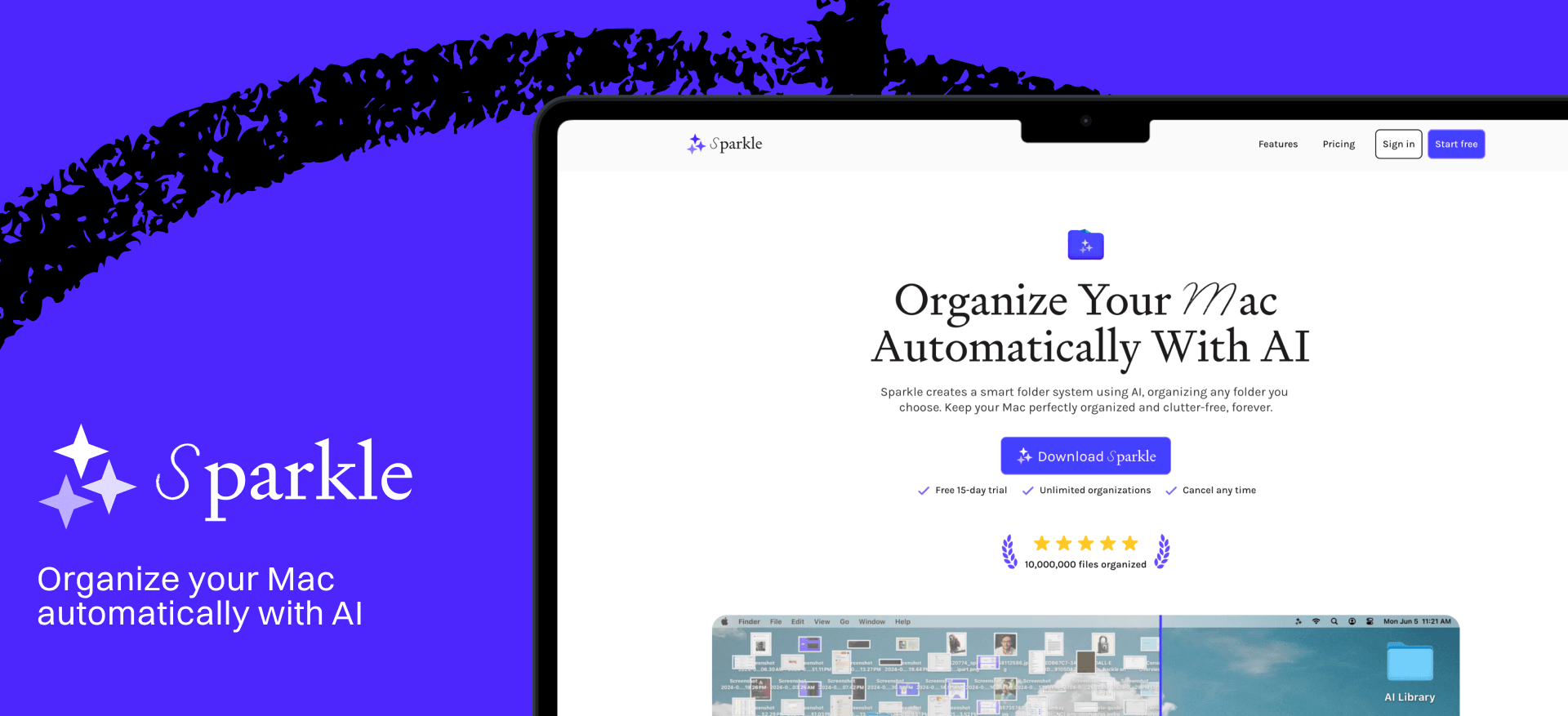
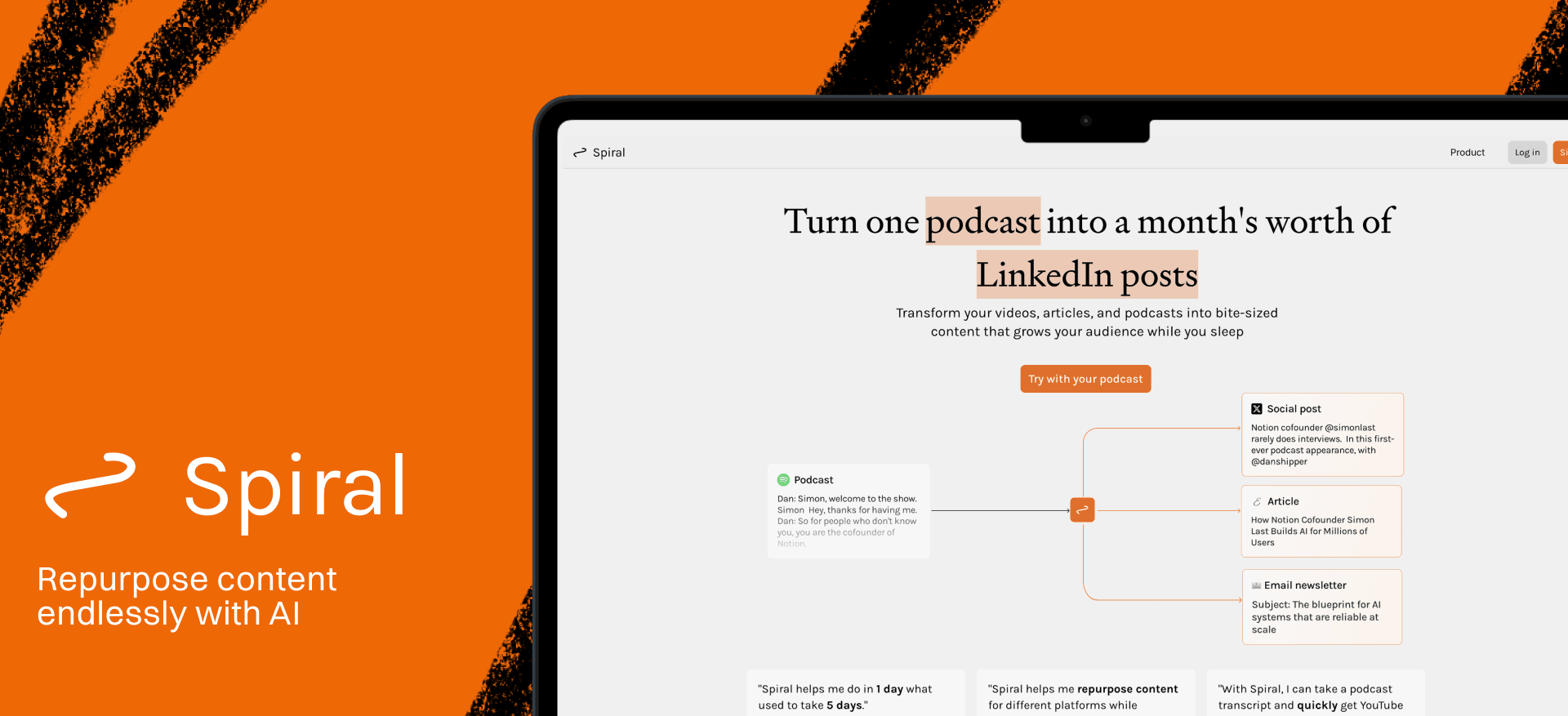




 Katie Parrott
 Every Staff
 Kieran Klaassen
Comments