Was this newsletter forwarded to you? Sign up to get it in your inbox.
News of DeepSeek’s R1 model, released last week, has sent shockwaves through the tech world. Like many of you, we at Every have been captivated by the Chinese startup’s inexpensive, high-performing model, and the innovations that were necessary to achieve it.
As for the implications? There’s a lot to reckon with, and we’re still only just figuring out what this new model can do. Investors mostly felt R1’s arrival on the scene wasn’t positive news for AI’s U.S.-based incumbents, and shares of Nvidia and other chip makers were hit particularly hard. Builders, meanwhile—including some of us here at Every—are pretty excited.
Because there’s so much to unpack, we’ve pulled together three of our writers to each tackle one aspect of the news that struck them, and where they see things going. Alex Duffy breaks down the innovations that led to R1 achieving a 90 percent cost reduction in performance compared with OpenAI’s o1 model. Entrepreneur in residence Edmar Ferreira discusses the immediate implications for people looking to build AI-based applications. Finally, Evan Armstrong talks about the markets’ (over-re)reactions.
Let’s dive in.—Michael Reilly, managing editor
DeepSeek R1 is a shift from ‘sounding good’ to ‘thinking better’
Most large language models (LLMs) rely on reinforcement learning (RL) to refine how “helpful and harmless” they sound. Notoriously, OpenAI has used cheap labor in Kenya to label and filter toxic outputs, fine-tuning its models to produce more acceptable language.
DeepSeek R1 took a different path: Instead of focusing on sounding right, it zeroes in on being right—especially in math, coding, and logic. Rather than learning from subjective human preferences, R1 follows reasoning-oriented RL that rewards the model only if its code compiles and passes tests or if its math solutions are indisputably correct. Because “correctness” is easier to define for these tasks, R1 can scale its training without needing armies of human data labelers. Surprisingly, even for tasks that are more subjective—like creative writing—this emphasis on logical consistency tends to deliver better results, too.
When you write a lot about AI like we do, it’s hard not to see opportunities. We build tools for our team to become faster and better. When they work well, we bring them to our readers, too. We have a hunch: If you like reading Every, you’ll like what we’ve made.
- Automate repeat writing with Spiral.
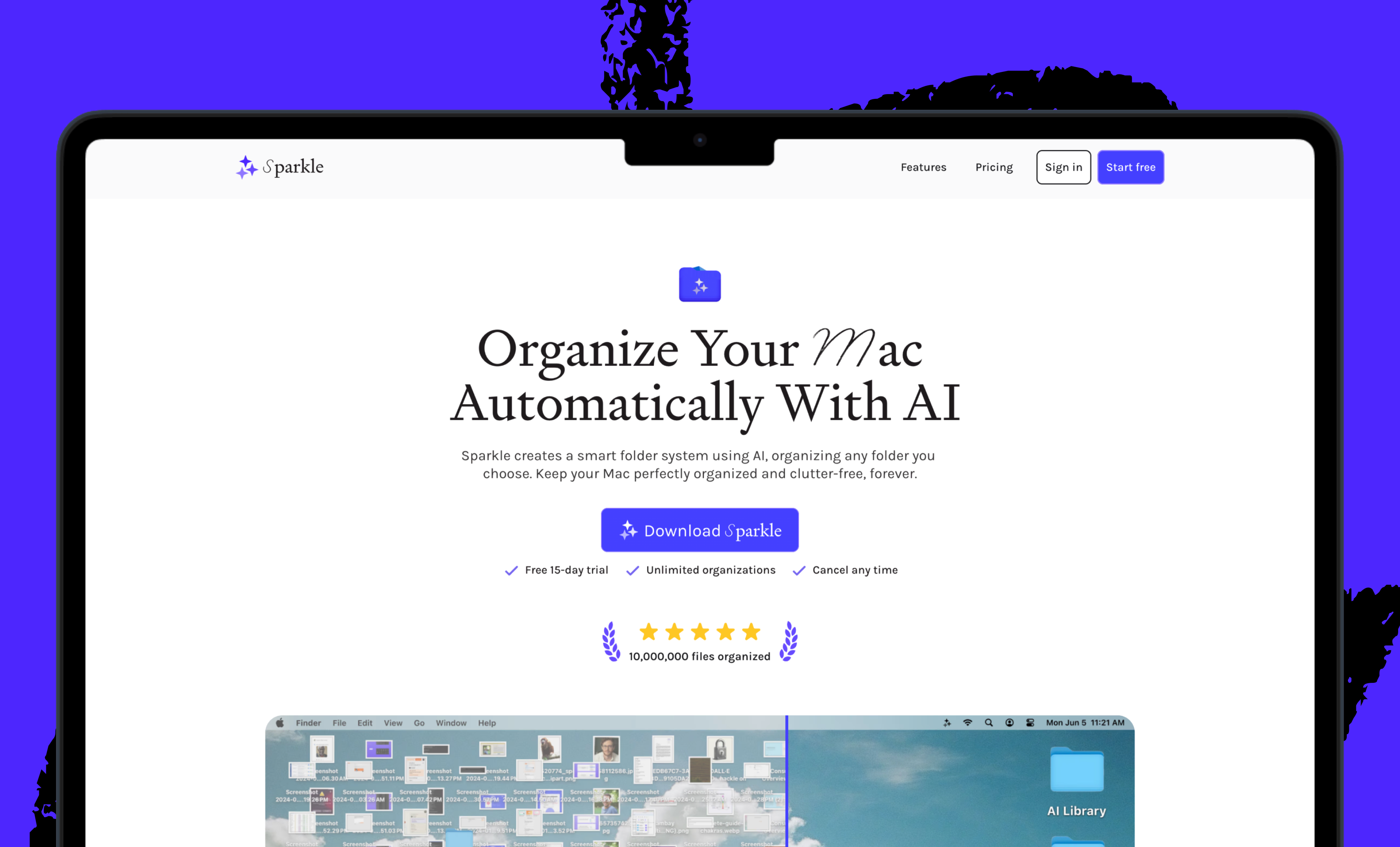
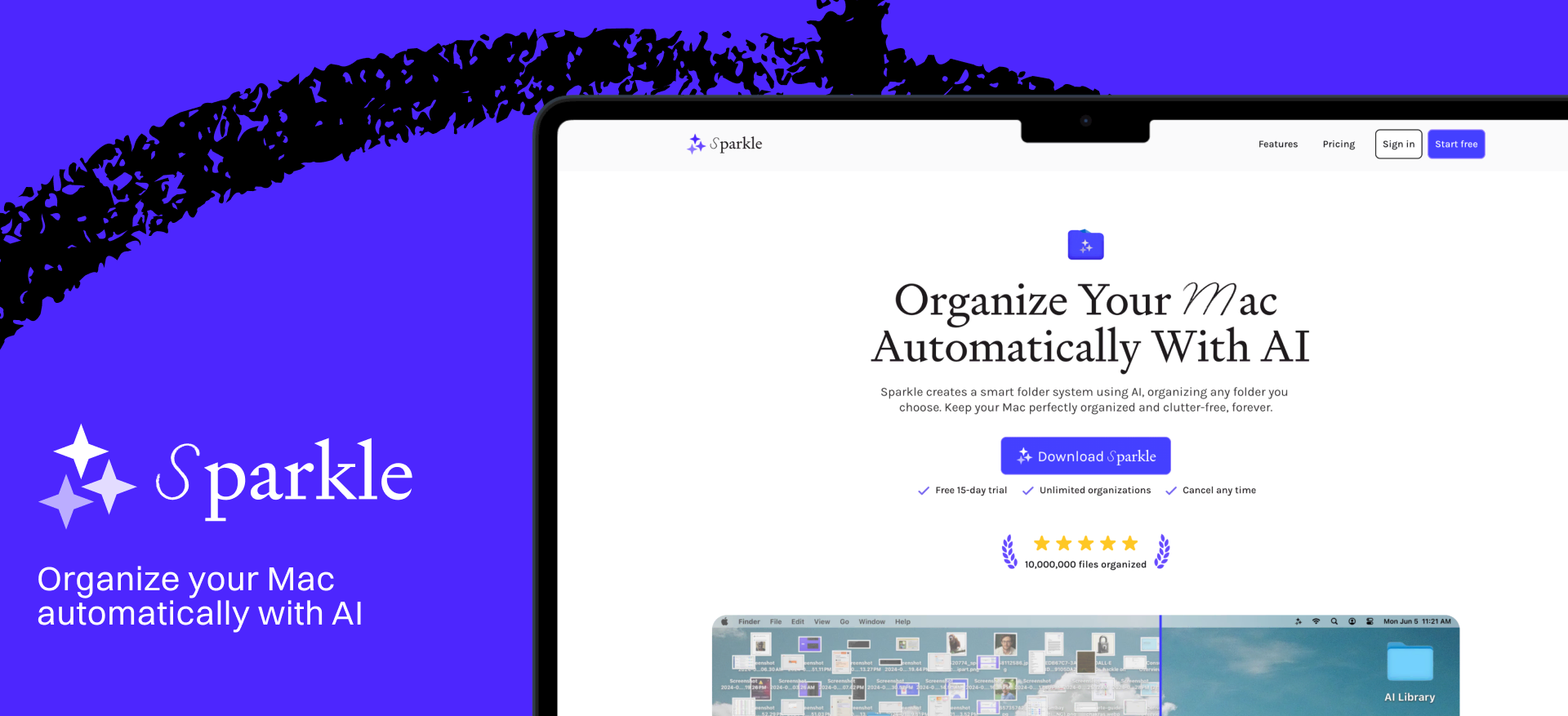
- Organize your computer with Sparkle.
- Write something new—and great—with Lex.
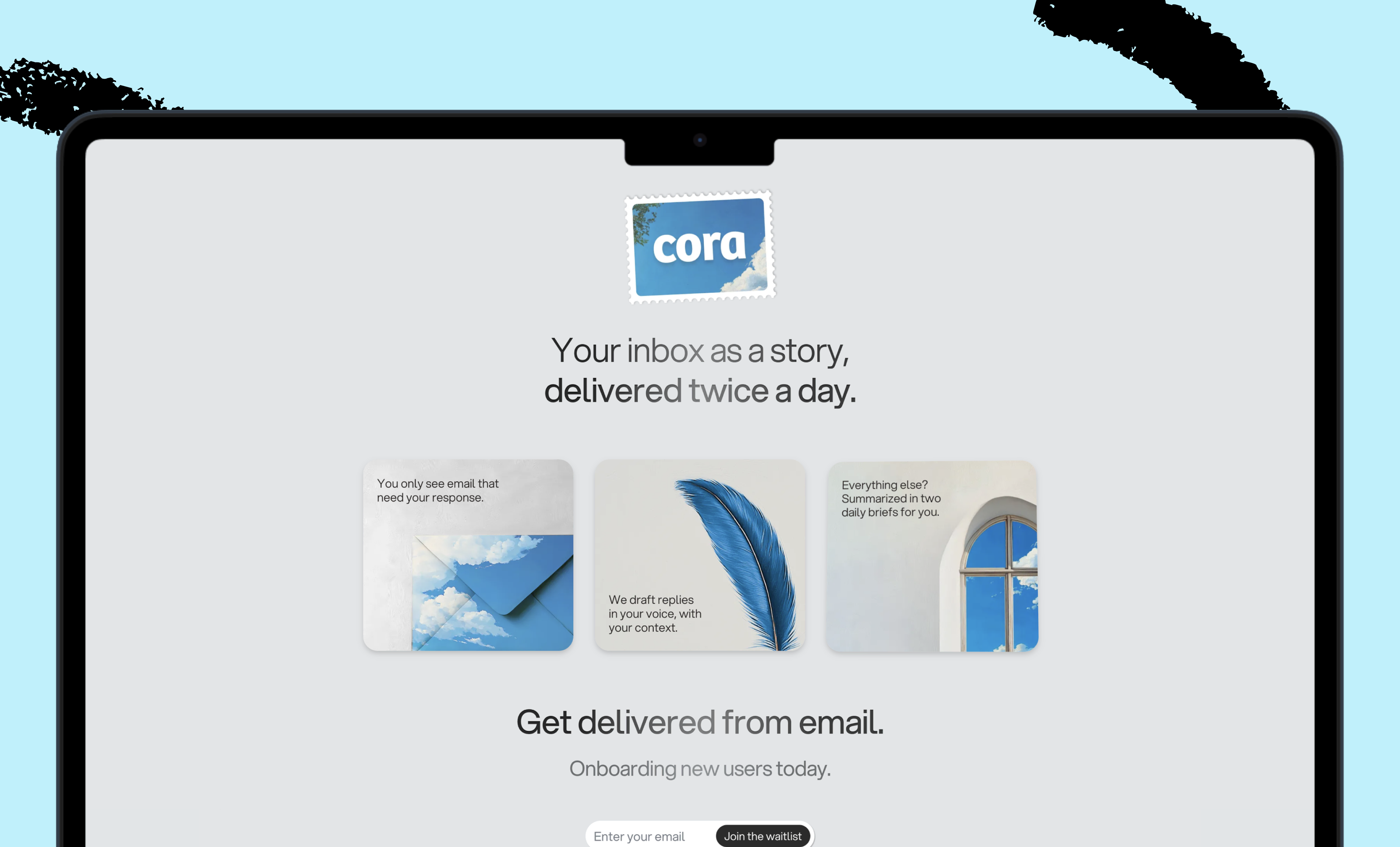
- Deliver yourself from email with Cora.
R1’s leap in capability and efficiency wouldn’t be possible without its foundation model, DeepSeek-V3, which was released in December 2024...
Become a paid subscriber to Every to unlock this piece and learn about:
- The 90 percent cost reduction breakthrough via a mixture of experts approach
- Post-training revolution for startups and smaller teams
- Market concerns over data center overbuilding
- The democratization of AI development capabilities

























 Katie Parrott
 Every Staff
 Kieran Klaassen




Comments