


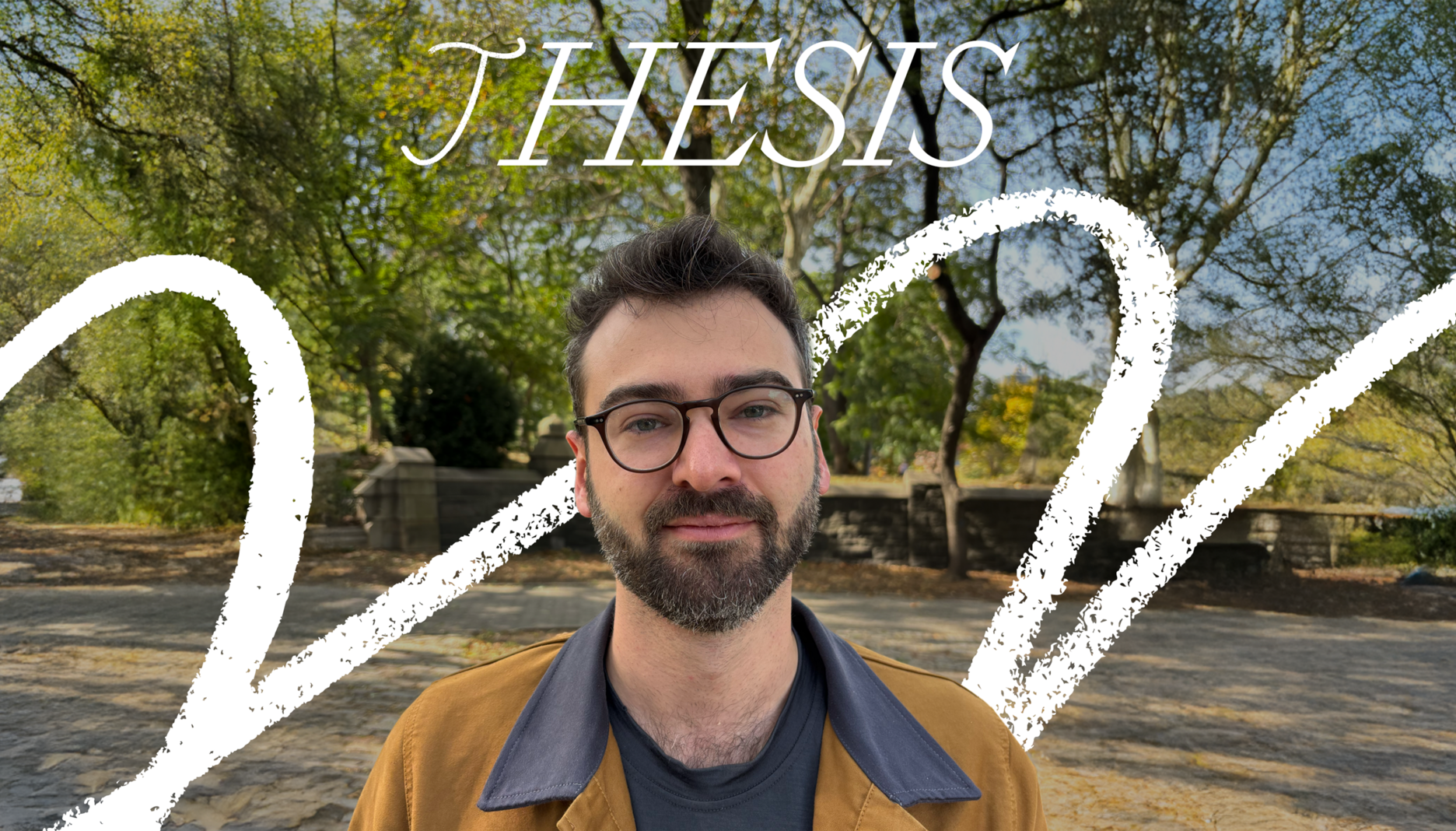


The AI hype cycle has mostly rewarded software companies, but Sam Gerstenzang is betting on the opposite: operationally complex, real-world service businesses—funeral homes, a medical spa platform. Fresh off an appearance on our podcast AI & I, the Boulton and Watt partner and former Stripe product leader shares four hard-won lessons for injecting AI into Main Street businesses, including why humans remain stubbornly hard to replace. If you enjoy the piece, watch his episode on X or YouTube, or listen on Spotify or Apple Podcasts.—Kate Lee
Was this newsletter forwarded to you? Sign up to get it in your inbox.
I imagine it wasn’t easy being Costco’s management in the late 1990s. When dot-com darlings like Webvan, Amazon, Pets.com, Kazoo, and eBay—some still with us, others not—emerged, many doubted the warehouse retailer would survive the digital age. But Costco carried on.
I started an incubator called Boulton and Watt, where we start a new software-enabled business every year or two that looks nothing like a Y Combinator darling and a bit more like Costco. Our portfolio includes Meadow, a contemporary funeral home with no physical locations (we use wedding venues during the day), and Moxie, a platform for nurses starting aesthetic medicine clinics (which just raised a $25 million Series C funding round).
These are high-margin businesses in regulated industries—operationally complex, outside the San Francisco zeitgeist, and typically more likely to attract private equity than venture capital, which favors asset-light, high-growth tech businesses. For a while, the AI hype cycle made us look even more counter-trend.
But now, as software gets increasingly easy to build and public SaaS companies’ share prices are down more than 70 percent, entrepreneurs and investors are looking for companies that will continue to be resilient when anyone can build software.
Our thesis is that real-world service-based businesses are going to continue to flourish, and being on the cutting edge of AI will matter as much for the next Costco as it does for the next Lovable. We’ve had real successes, long journeys, and total flops as we bring AI to Main Street. Here are four lessons from bringing AI to a funeral home, a medical spa platform, and an incubator.
1-From three months to three weeks: AI accelerates research
We incubate new businesses with the same steps each time: Pick a market, interview people in that market, and test a solution. Each one of these steps is now AI-assisted, shaving days or weeks off of how we would have run this process previously.
In our most recent search for our third company, we used:
- ChatGPT to pull stats like how fragmented and large a new market was, pull data from public companies to understand margin profiles, and then suggest similar markets for the things we were looking for
- Data-enrichment platform Clay to find relevant customers and kick off a series of targeted emails, which pointed to a landing page that Claude Code had spun up in an hour
- Granola to record all early lead calls, and Claude to extract ideas, sentiment, and open questions from the transcripts
When we had interest from potential customers, we’d screen-record the customers’ existing workflows, and use Claude to analyze how the time was spent and opportunities to build new products, and have those products ready to test the next day.
Each step could have taken weeks before. Using AI not only allowed us to move faster, it also reduced the cost of each tiny pivot required to find product-market fit.
 Create a free account to continue reading
The Only Subscription
You Need to
Stay at the
Edge of AI
The essential toolkit for those shaping the future

"This might be the best value you
can get from an AI subscription."
- Jay S.
 Every Content
 AI&I Podcast
 Monologue
 Cora
Cora
 Sparkle
 Spiral
Join 100,000+ leaders, builders, and innovators

Email address

Already have an account? Sign in
What is included in a subscription?
Daily insights from AI pioneers + early access to powerful AI tools
 Front-row access to the future of AI
 In-depth reviews of new models on release day
Playbooks and guides for putting AI to work
Prompts and use cases for builders
In-depth reviews of new models on release day
Playbooks and guides for putting AI to work
Prompts and use cases for builders
In-depth reviews of new models on release day
Playbooks and guides for putting AI to work
Prompts and use cases for builders
In-depth reviews of new models on release day
Playbooks and guides for putting AI to work
Prompts and use cases for builders
 Bundle of AI software





 Sari Azout
.png) Sumeet Singh
Sumeet Singh

 Eliot Peper
 Reviews of new AI models on release day
Comments
Don't have an account? Sign up!