


Laura Entis is a staff writer at Every.

Codex in Practice
Our team has customized workspaces to get the most out of Codex. Pick one and dive in.
Jul 1, 2026 · 13 min readUpdated Jul 28, 2026

We’re here to talk about Codex but before we get into it, we need to acknowledge the impending return of Fable 5, Anthropic’s Mythos-grade model that’s slated to be available again today. Every’s head of tech consulting, Mike Taylor, is at the AI Engineer World’s Fair, where Anthropic’s Thariq Shihipar just gave a keynote titled “A Field Guide to Fable.” In the words of staff writer Katie Parrott, “Our long national nightmare is almost over.”
To get ready for restored access, check out our Fable 5 Prompt Library and watch this space: As soon as Fable 5 is back, the Every team will host a live working session on how to get the most out of the model.
Trying to figure out where to start with Fable? Use this discovery prompt to find Fable-worthy work, and send us the results: @every on X. We’ll run some of our favorites during the stream.
Was this newsletter forwarded to you? Sign up to get it in your inbox.
There is no single way to use Codex. The agentic workspace is smart and versatile enough to modify itself based on what you’re looking to do and how you like to work. This flexibility makes Codex powerful, but it can also make for an overwhelming onboarding experience; if you can use Codex for anything, where do you start?
At Every, we find the best answer to that question for any tool or platform comes from looking at how people on our team are using it in concrete, practical terms. That’s why this week’s edition of Context Window is all about use cases for putting Codex to work. First, in the latest episode of AI & I, head of consulting Natalia Quintero breaks down how she’s using the app to do everything from achieve inbox zero to manage her father’s healthcare. CEO Dan Shipper, Katie Parrott, head of growth Austin Tedesco, and Cora general manager Kieran Klaassen also share their Codex setups, plus overarching philosophies for using the app.
‘AI & I’: Codex for nontechnical builders
Today, we’re releasing a new episode of AI & I, in which head of consulting Natalia Quintero shows Dan how the app helps her manage work and personal responsibilities. A recent convert to the app, she says “Codex has been life-changing.”
Watch on X or YouTube, or listen on Spotify or Apple Podcasts. You can also read the transcript.
Here are the highlights.
- Codex as a lower-friction Claude Code. Natalia dedicated a lot of time creating folder structures and file systems in Claude Code. She doesn’t need to create similar elaborate setups with Codex, because the app builds them for her as they work together. “I have to focus a little less on architecting things well—which is very much a skill and something our engineers do extremely well. I can just trust it to make good decisions and build solutions for me,” she says. In practice, Natalia opens the Codex project she’s prioritized for the day, and works from there, trusting that Codex will update the project accordingly.
- Codex as a direct report. As with Claude Code—or a human employee—Codex needs the right context to hit it out of the park. A recent example: Natalia was working with Attio, the CRM Every’s consulting team uses to manage inbound leads, client relationships, and the sales pipeline. Her prompt was essentially “set up my CRM to accurately reflect what happened in my emails and conversations with existing and prospective clients.” Because Codex had access to her inbox, meeting transcripts, and the sales-pipeline logic, it could enrich hundreds of client and prospect records while she slept. “I woke up to a CRM that was fully set up—work that would have taken weeks otherwise,” she says. “It’s one of those moments of joy and delight with AI and my quality of life has improved as a result of this loop.”
- Codex as a way to help care for loved ones. Natalia’s father has multiple nurses who support his care, a reality that requires managing medical appointments, follow-up protocols, and the flow of information from healthcare providers and family members. “Codex helped me create an operating system for how, as a family, we could triage my dad’s care,” she says. The app gives her a central place to track everything instead of Natalia spending her time digging through scattered threads. “Codex has made it really easy to digest all of that in a single place and to allow us to support my dad in what we can do best—which is to be present and loving as his family.”
How others at Every use Codex
If you’ve been following our coverage—or Dan’s X account—you know we can’t shut up about how good Codex has gotten. By this point, we turn to it for everything from engineering to writing to operations. And just as none of us have the exact same job, no two people on the team use it the exact same way.
In a two-hour live camp, CEO Dan Shipper, staff writer Katie Parrott, head of growth Austin Tedesco, and Cora general manager Kieran Klaassen broke down their unique setups and use cases. Here’s what each of their Codex workspaces look like, along with sample prompts you can use if you want to adopt one of their approaches to jump start your own...
Become a paid subscriber to Every to unlock this piece and learn about:
- Katie’s prompt for storing her voice, style, and column ideas for the AI to use
- Austin’s prompt for giving the AI a goal and sources, then letting it draft the deliverables
- Kieran’s prompt for a personal folder that syncs across devices, built from meetings and voice notes
We’re here to talk about Codex but before we get into it, we need to acknowledge the impending return of Fable 5, Anthropic’s Mythos-grade model that’s slated to be available again today. In the words of staff writer Katie Parrott, “Our long national nightmare is almost over.”
To get ready for restored access, check out our Fable 5 Prompt Library and watch this space: As soon as Fable 5 is back, the Every team will host a live working session on how to get the most out of the model.
Trying to figure out where to start with Fable? Use this discovery prompt to find Fable-worthy work, and send us the results: @every on X. We’ll run some of our favorites during the stream.
Was this newsletter forwarded to you? Sign up to get it in your inbox.
There is no single way to use Codex. The agentic workspace is smart and versatile enough to modify itself based on what you’re looking to do and how you like to work. This flexibility makes Codex powerful, but it can also make for an overwhelming onboarding experience; if you can use Codex for anything, where do you start?
At Every, we find the best answer to that question for any tool or platform comes from looking at how people on our team are using it in concrete, practical terms. That’s why this week’s edition of Context Window is all about use cases for putting Codex to work. First, in the latest episode of AI & I, head of consulting Natalia Quintero breaks down how she’s using the app to do everything from achieve inbox zero to manage her father’s healthcare. CEO Dan Shipper, Katie Parrott, head of growth Austin Tedesco, and Cora general manager Kieran Klaassen also share their Codex setups, plus overarching philosophies for using the app.
‘AI & I’: Codex for nontechnical builders
Today, we’re releasing a new episode of AI & I, in which head of consulting Natalia Quintero shows Dan how the app helps her manage work and personal responsibilities. A recent convert to the app, she says “Codex has been life-changing.”
Watch on X or YouTube, or listen on Spotify or Apple Podcasts. You can also read the transcript.
Here are the highlights.
- Codex as a lower-friction Claude Code. Natalia dedicated a lot of time creating folder structures and file systems in Claude Code. She doesn’t need to create similar elaborate setups with Codex, because the app builds them for her as they work together. “I have to focus a little less on architecting things well—which is very much a skill and something our engineers do extremely well. I can just trust it to make good decisions and build solutions for me,” she says. In practice, Natalia opens the Codex project she’s prioritized for the day, and works from there, trusting that Codex will update the project accordingly.
- Codex as a direct report. As with Claude Code—or a human employee—Codex needs the right context to hit it out of the park. A recent example: Natalia was working with Attio, the CRM Every’s consulting team uses to manage inbound leads, client relationships, and the sales pipeline. Her prompt was essentially “set up my CRM to accurately reflect what happened in my emails and conversations with existing and prospective clients.” Because Codex had access to her inbox, meeting transcripts, and the sales-pipeline logic, it could enrich hundreds of client and prospect records while she slept. “I woke up to a CRM that was fully set up—work that would have taken weeks otherwise,” she says. “It’s one of those moments of joy and delight with AI and my quality of life has improved as a result of this loop.”
- Codex as a way to help care for loved ones. Natalia’s father has multiple nurses who support his care, a reality that requires managing medical appointments, follow-up protocols, and the flow of information from healthcare providers and family members. “Codex helped me create an operating system for how, as a family, we could triage my dad’s care,” she says. The app gives her a central place to track everything instead of Natalia spending her time digging through scattered threads. “Codex has made it really easy to digest all of that in a single place and to allow us to support my dad in what we can do best—which is to be present and loving as his family.”
How others at Every use Codex
If you’ve been following our coverage—or Dan’s X account—you know we can’t shut up about how good Codex has gotten. By this point, we turn to it for everything from engineering to writing to operations. And just as none of us have the exact same job, no two people on the team use it the exact same way.
In a two-hour live camp, CEO Dan Shipper, staff writer Katie Parrott, head of growth Austin Tedesco, and Cora general manager Kieran Klaassen broke down their unique setups and use cases. Here’s what each of their Codex workspaces look like, along with sample prompts you can use if you want to adopt one of their approaches to jump start your own...
Become a paid subscriber to Every to unlock this piece and learn about:
- Katie’s prompt for storing her voice, style, and column ideas for the AI to use
- Austin’s prompt for giving the AI a goal and sources, then letting it draft the deliverables
- Kieran’s prompt for a personal folder that syncs across devices, built from meetings and voice notes
 Create a free account to continue reading
The Only Subscription
You Need to
Stay at the
Edge of AI
The essential toolkit for those shaping the future

"This might be the best value you
can get from an AI subscription."
- Jay S.
 Every Content
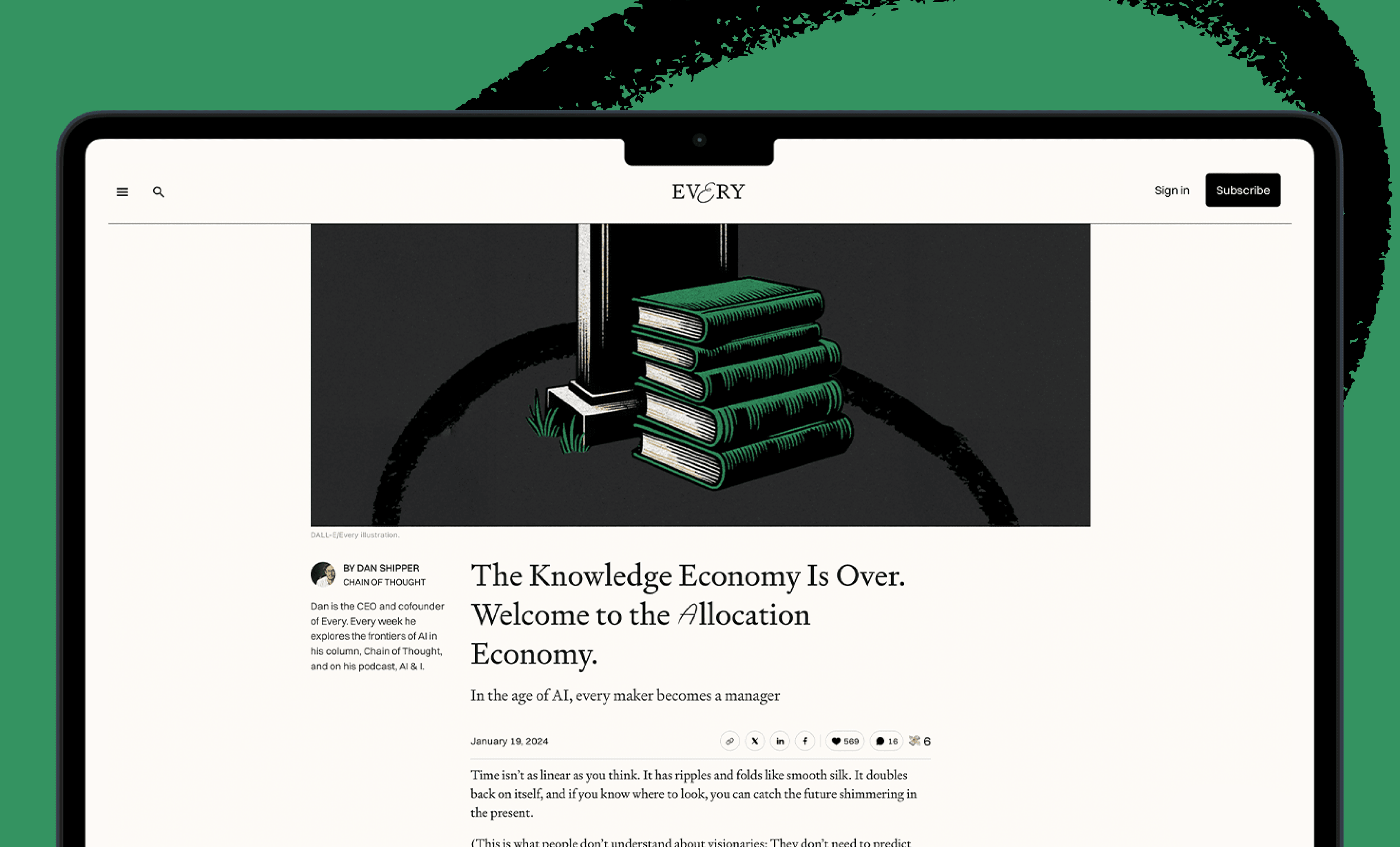
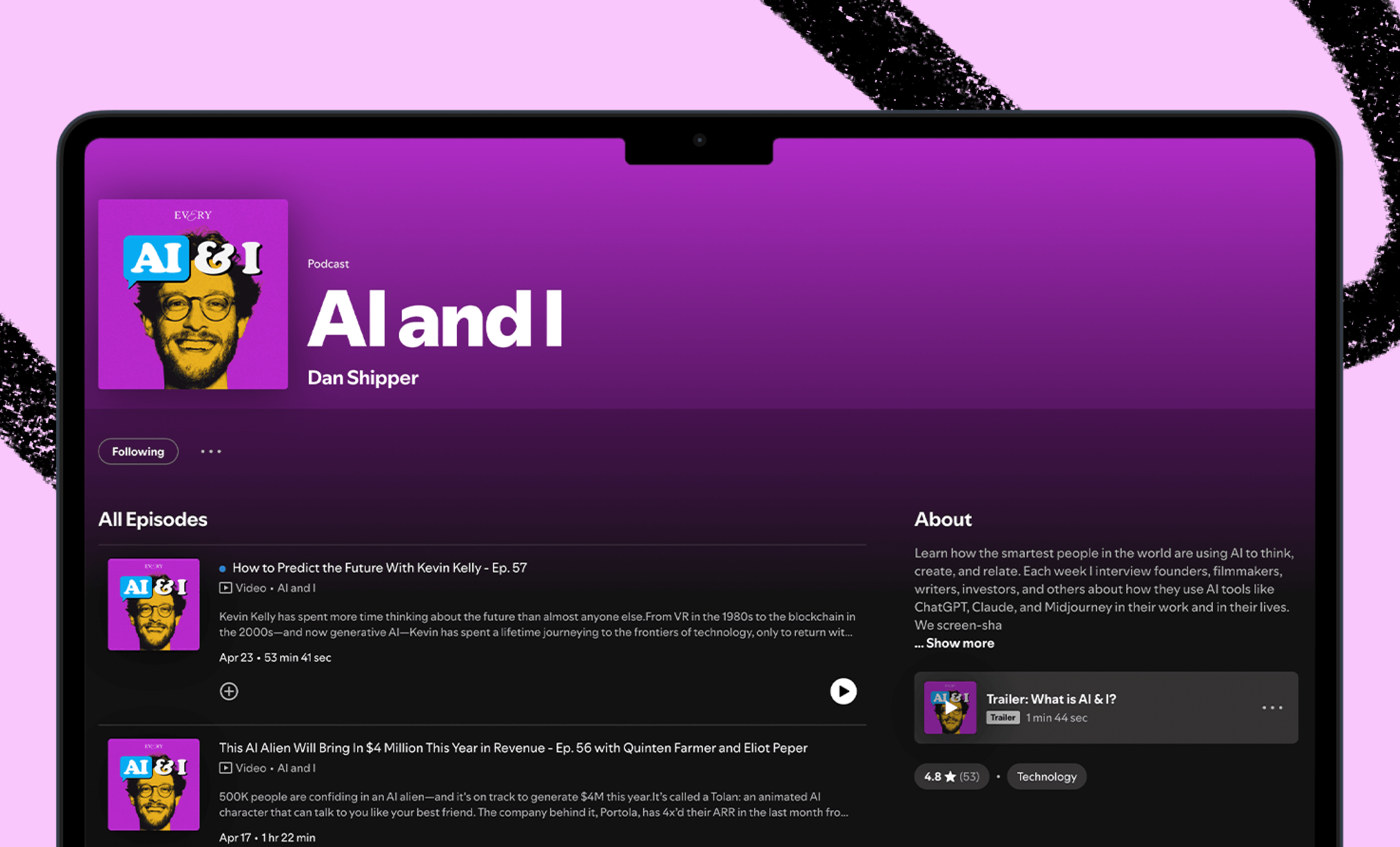
 AI&I Podcast
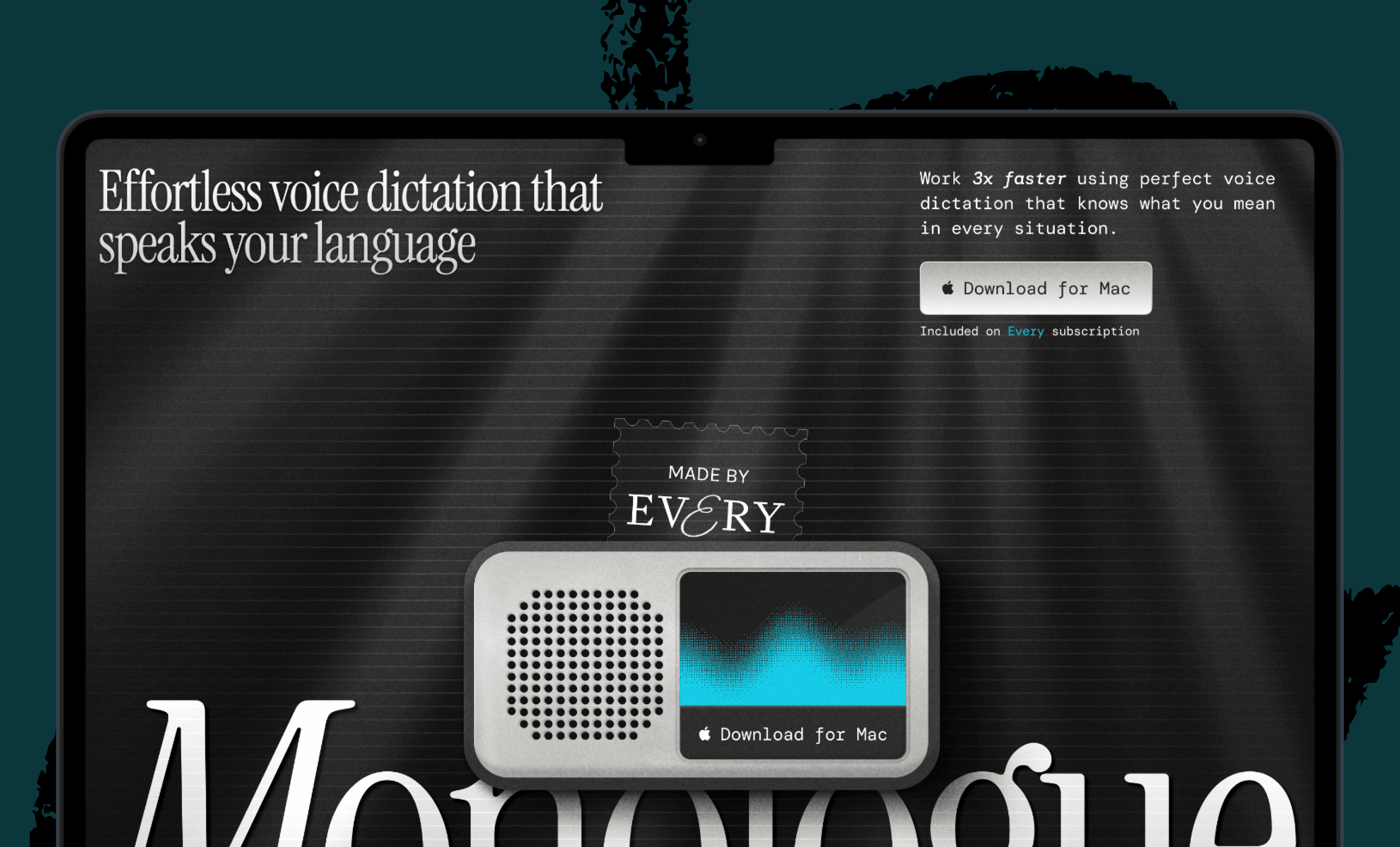
 Monologue
 Every Agent
Join 100,000+ leaders, builders, and innovators

Already have an account? Sign in.
What is included in a subscription?
Daily insights from AI pioneers + early access to powerful AI tools
 Front-row access to the future of AI
 In-depth reviews of new models on release dayPlaybooks and guides for putting AI to workPrompts and use cases for buildersIn-depth reviews of new models on release dayPlaybooks and guides for putting AI to workPrompts and use cases for builders
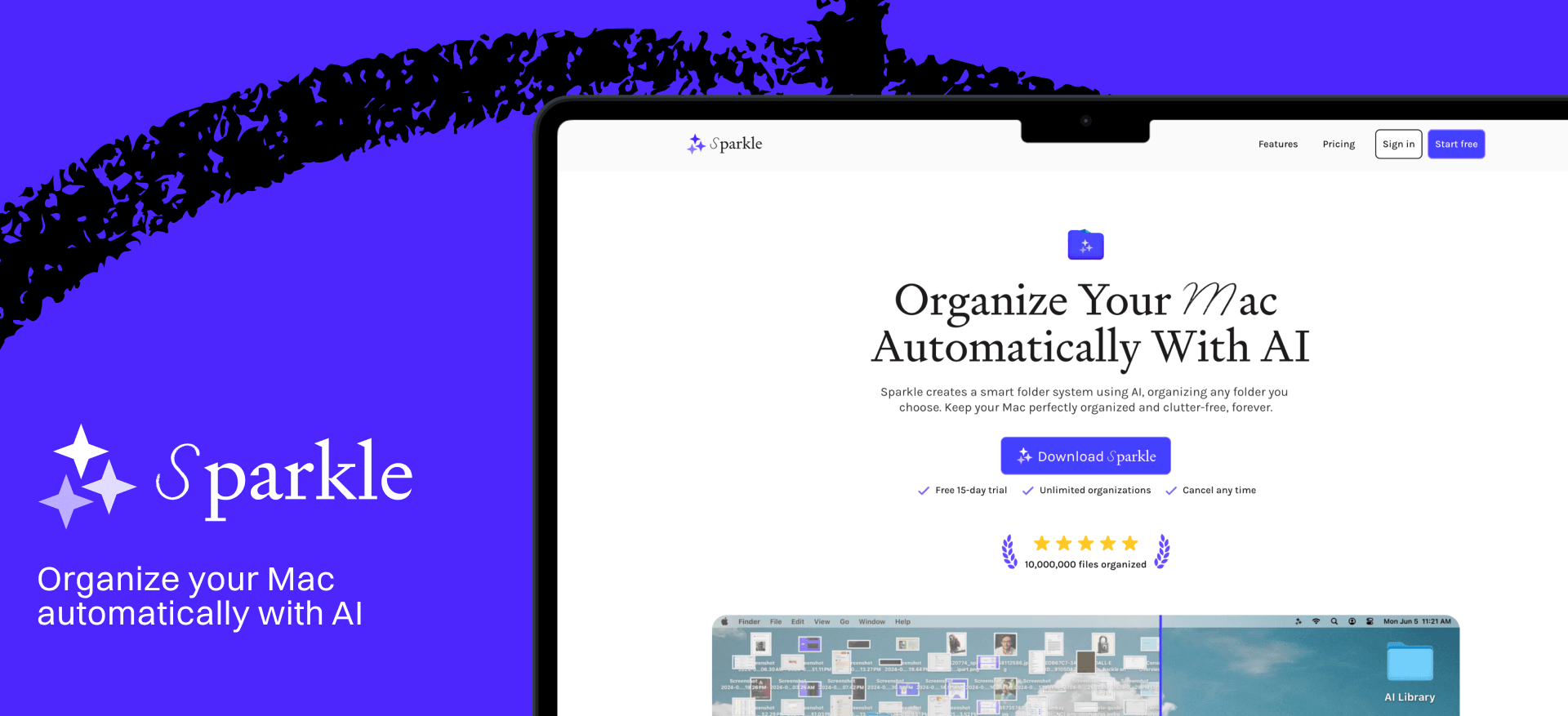
 Bundle of AI software



 Katie Parrott
 Every Staff
 Kieran Klaassen
Comments