


Dan Shipper is the CEO and cofounder of Every. Every week he explores the frontiers of AI in his column, Chain of Thought, and on his podcast, ‘The Every Podcast’.

Capability Blindness and the Future of Creativity
We used to be sculptors. We're all about to be gardeners.
Apr 12, 2024 · 7 min readUpdated Jul 13, 2026

Humans tend to believe that the world is static—that things will be the same tomorrow as they are today, and as they were yesterday.
We leave no stone unturned in our hunt for opportunity, but we often don’t think to pause before we write something off as useless—and we don’t flip over old stones to see if anything’s changed. For example, the latest Claude model—Claude 3 Opus—is a fantastic writer. With the right prompt, it can write for short bursts in a voice that genuinely sounds 70-80 percent like me, you, or any other writer.
Claude mostly wrote this tweet, for example, though I edited it. I supplied Claude with examples of previous podcast transcripts and tweets, as well as some guidelines about how to adapt one into the other. Claude did the rest, and it did a fantastic job.
This may seem like a small feat, but GPT-4 can’t do this. And you’d be surprised how much writing fits this pattern of summarizing content from one form and adapting it for another. As I wrote in a recent essay on this topic, once you start looking, you see the summarizing everywhere.
But it seems like no one has noticed this step change in capabilities.
That’s understandable. It’s a common mistake we make when evaluating parts of the world that move quickly: I call it capability blindness.
During the first big generative AI wave, which started last year, many of us grappled with the exciting—or scary—reality that chatbots might be able to mimic our unique voices and writing styles. I tried OpenAI’s GPT-3, then GPT-4, and quickly realized they were good but had a particular taint. They could help in the writing process—researching, supplying ideas, editing words—but couldn’t be trusted to write very much on their own. I couldn’t enlist AI as a ghostwriter just yet.
But over the last year, the newest language models have been noticeably better. Unfortunately, we are often capability blind: We don’t notice what’s new because we’re jaded by our old experiences and feel that it’s a waste of time to try again.
 Create a free account to continue reading
The Only Subscription
You Need to
Stay at the
Edge of AI
The essential toolkit for those shaping the future

"This might be the best value you
can get from an AI subscription."
- Jay S.
 Every Content
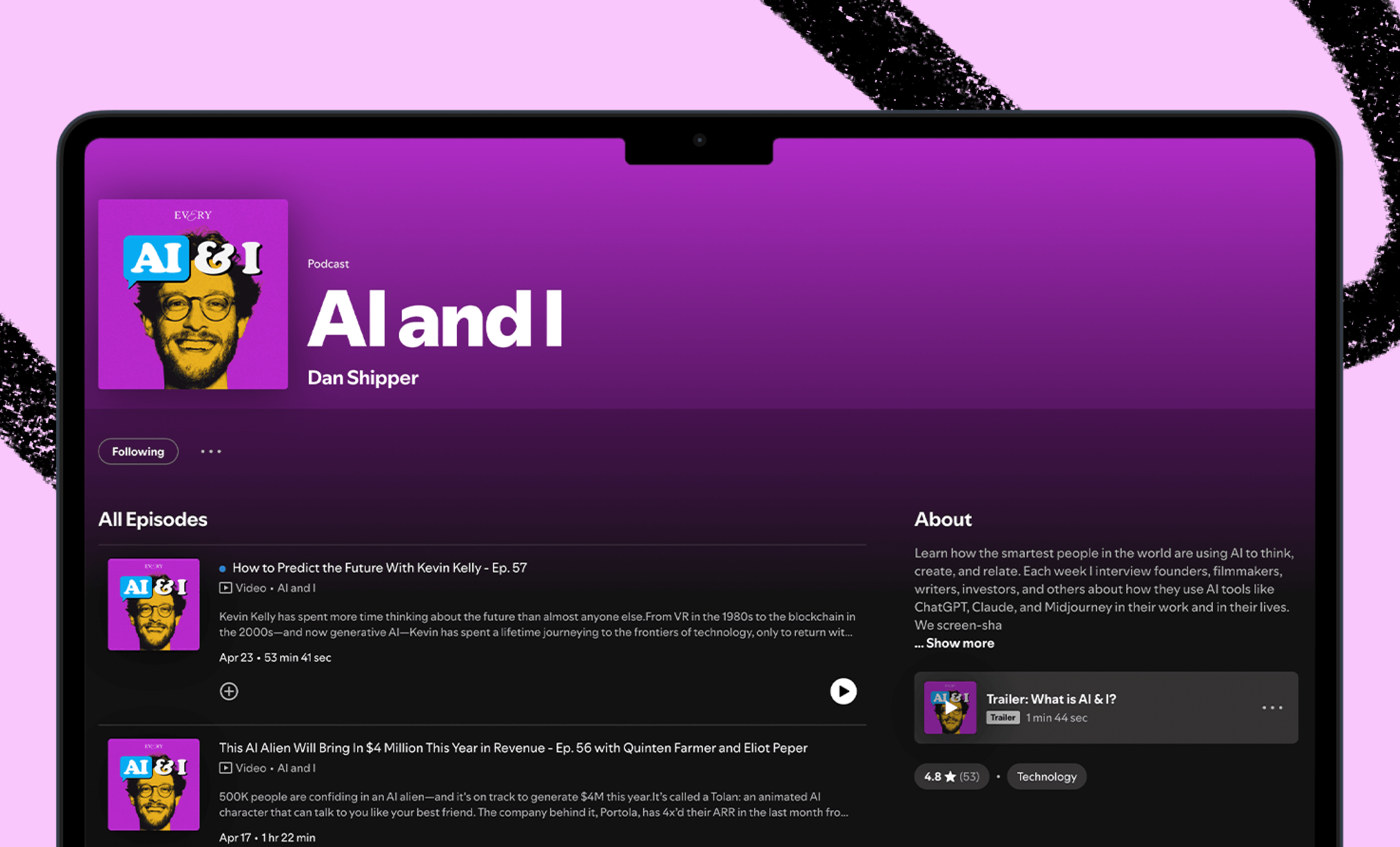
 AI&I Podcast
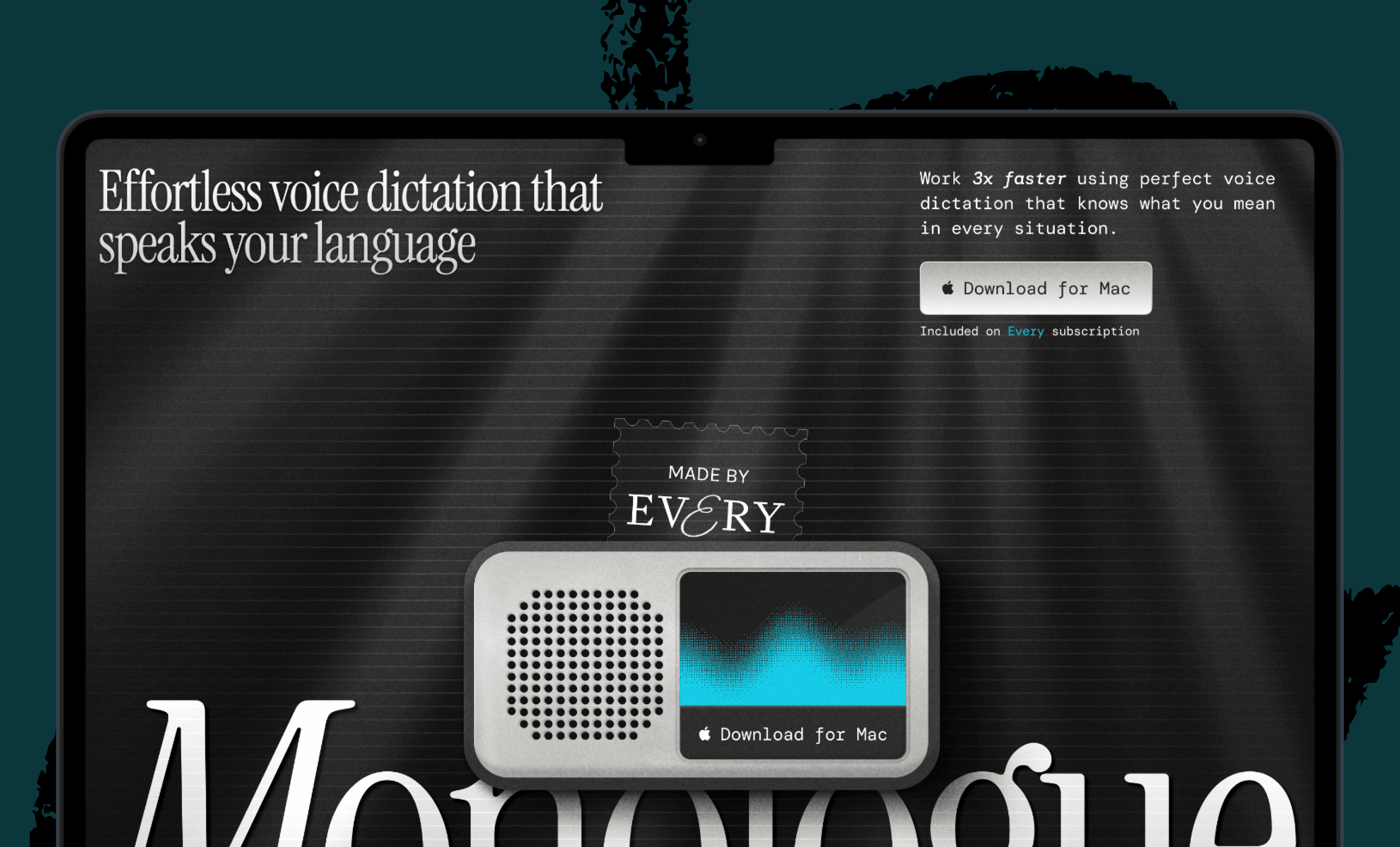
 Monologue
 Every Agent
Join 100,000+ leaders, builders, and innovators

Already have an account? Sign in.
What is included in a subscription?
Daily insights from AI pioneers + early access to powerful AI tools
 Front-row access to the future of AI
 In-depth reviews of new models on release dayPlaybooks and guides for putting AI to workPrompts and use cases for buildersIn-depth reviews of new models on release dayPlaybooks and guides for putting AI to workPrompts and use cases for builders
 Bundle of AI software


 Katie Parrott
 Every Staff
 Kieran Klaassen
Comments