


Mike Taylor is the head of evals at Every and a co-author of "Prompt Engineering for Generative AI" (O’Reilly).

What AI Is Teaching Us About Management
The skills that make AI agents reliable are identical to the skills that make human teams effective
Jan 20, 2026 · 10 min readUpdated Jul 11, 2026

In Mike Taylor’s work as an AI engineer, he’s found that many of the issues he encounters in using AI tools—such as their inconsistency, tendency to make things up, and lack of creativity—he used to struggle with when he ran a 50-person marketing agency. It’s all about giving AI models the right context to do the job, just like with humans. In the latest piece in his column Also True for Humans, about managing AIs like you’d manage people, Mike outlines the rise of New Taylorism, his thesis that management techniques for AIs and humans are converging, and that prompting belongs in the business school, not the computer science lab.—Kate Lee
Was this newsletter forwarded to you? Sign up to get it in your inbox.
Every time you rewrite a prompt because Claude misunderstood you, you’re learning to be a better manager.
I know this because I’ve lived it from both sides. Building a 50-person marketing agency taught me more about working with AI than engineering ever did: The techniques that make AI agents reliable—clear direction, sufficient context, well-defined tasks—are identical to the techniques that make human teams effective.
But AI lets you practice without consequences. An agent won’t get annoyed if you ask it to do the same task 15 times. It won’t hold a grudge when you give unclear instructions. It won’t gossip about how disorganized you are, or get upset when things don’t work out.
The CTO of Moondream captured this dynamic in a recent tweet:
AI does not get its feelings hurt. (Courtesy of X.)
This makes AI the perfect management training ground.
Good management is a measurable economic advantage. The World Management Survey, a decade-long research project by Stanford and London School of Economics economists, found that roughly a quarter of the 30 percent productivity gap that America has over Europe comes from differences in management quality alone. Now AI is democratizing access to that advantage. Anyone who works with AI is getting a crash course in management, whether they realize it or not.
I call this convergence of AI engineering and management practices “New Taylorism,” after Frederick Winslow Taylor, the mechanical engineer who pioneered scientific management in the 1880s. He stood over factory workers with a stopwatch, timing their every movement, then redesigned their jobs into micro-tasks that could be measured, standardized, and optimized. But his attempts to make workflows even more efficient failed—because who likes to be a cog in a machine? His workers went on strike. AI, on the other hand, does not resent being asked to do the same task 50 times until you get it right.
I’ll show you the three management principles that you can learn from AI: how to give clear direction, orchestrate a team (aka agent coordination), and think strategically about what’s worth building in the first place. Now you can practice being a better manager with an AI that forgives your mistakes.
Prompting belongs in the business school
The atomic unit of working with AI is the prompt: a discrete task with clear boundaries and evaluable output. It’s the equivalent of the assignment you’d give an employee. In my work as a prompt engineer, I’ve discovered that the prompt is a gateway drug into better management techniques. Once you spend hours optimizing how you brief AIs, watching how radically small changes impact results, you realize you could do the same with your human coworkers.
Zhengdong Wang, a senior research engineer at Google DeepMind, received this advice from a consultant friend for managing “hapless” new interns: “You gotta treat them like they’re Perplexity Pro bots,” meaning give extremely clear instructions, don’t assume context, spell out exactly what you want, and check their work carefully. The same techniques that work for AI chatbots are now being applied to humans.
The five principles of prompting I developed work equally well as management techniques for humans...
Become a paid subscriber to Every to unlock this piece and learn about:
- The accidental MBA hiding inside your daily AI prompts
- Why “idea guy” went from Silicon Valley jibe to the most valuable role
- The “messy middle” between strategy and execution where humans shine
 Create a free account to continue reading
The Only Subscription
You Need to
Stay at the
Edge of AI
The essential toolkit for those shaping the future

"This might be the best value you
can get from an AI subscription."
- Jay S.
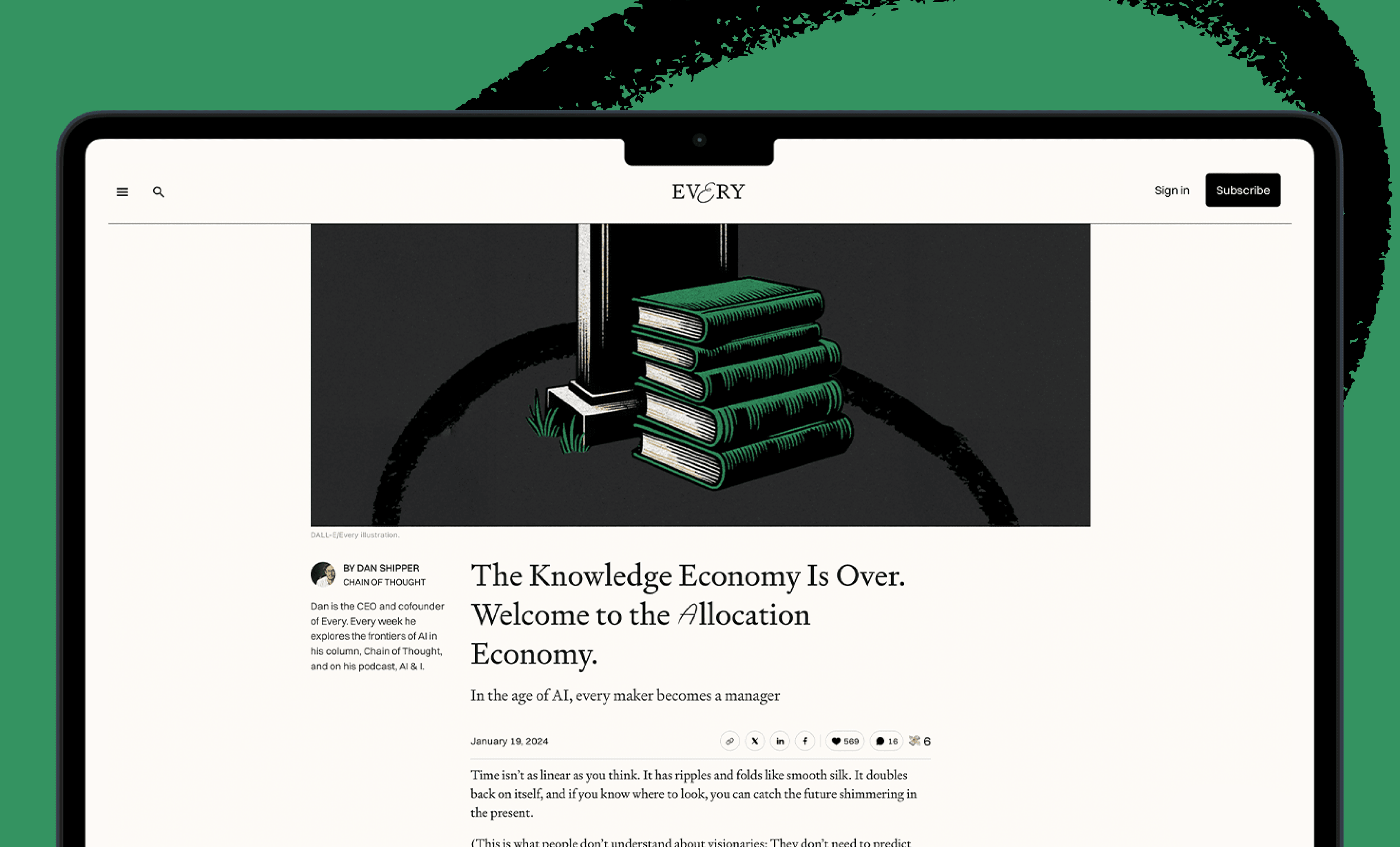
 Every Content
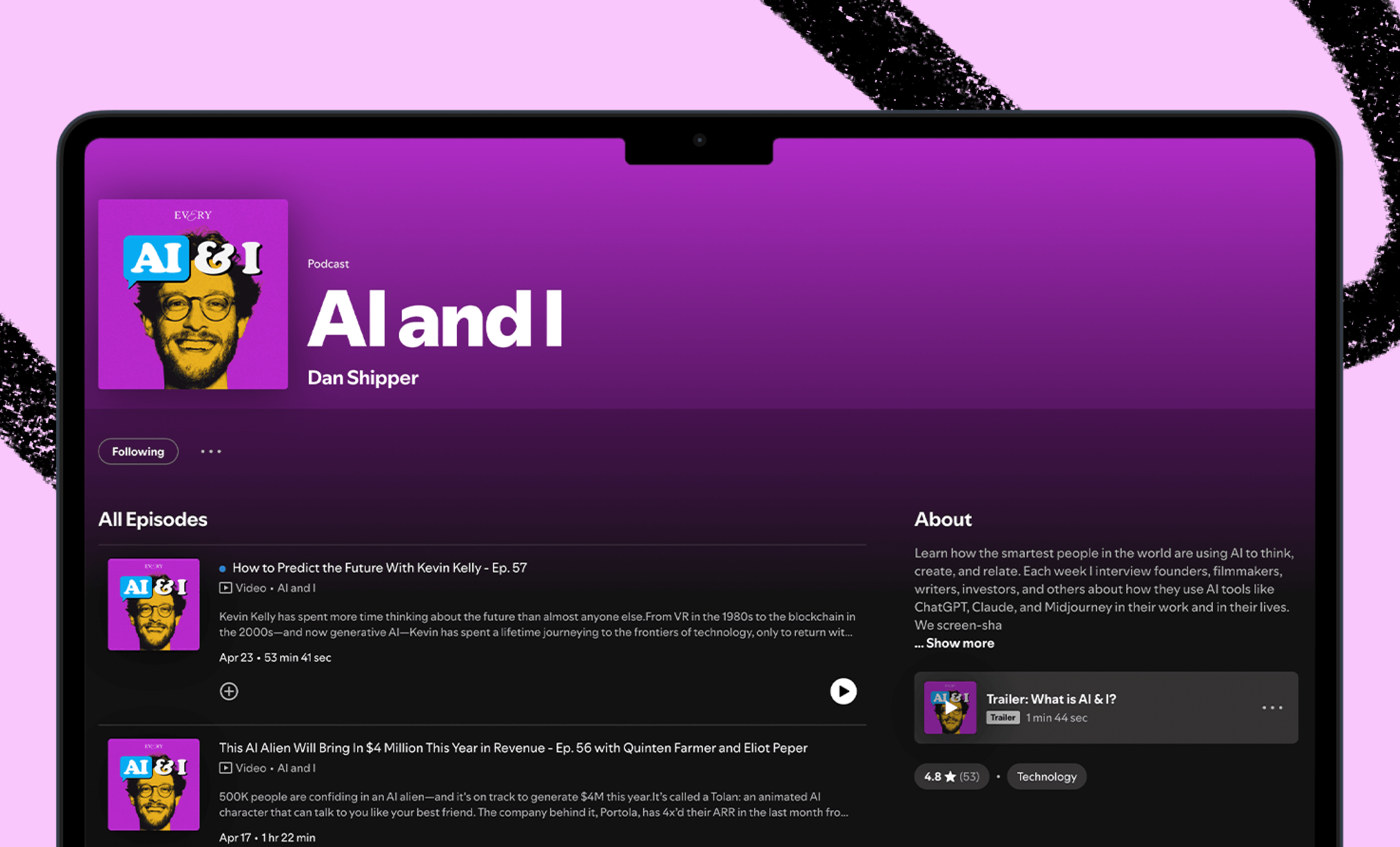
 AI&I Podcast
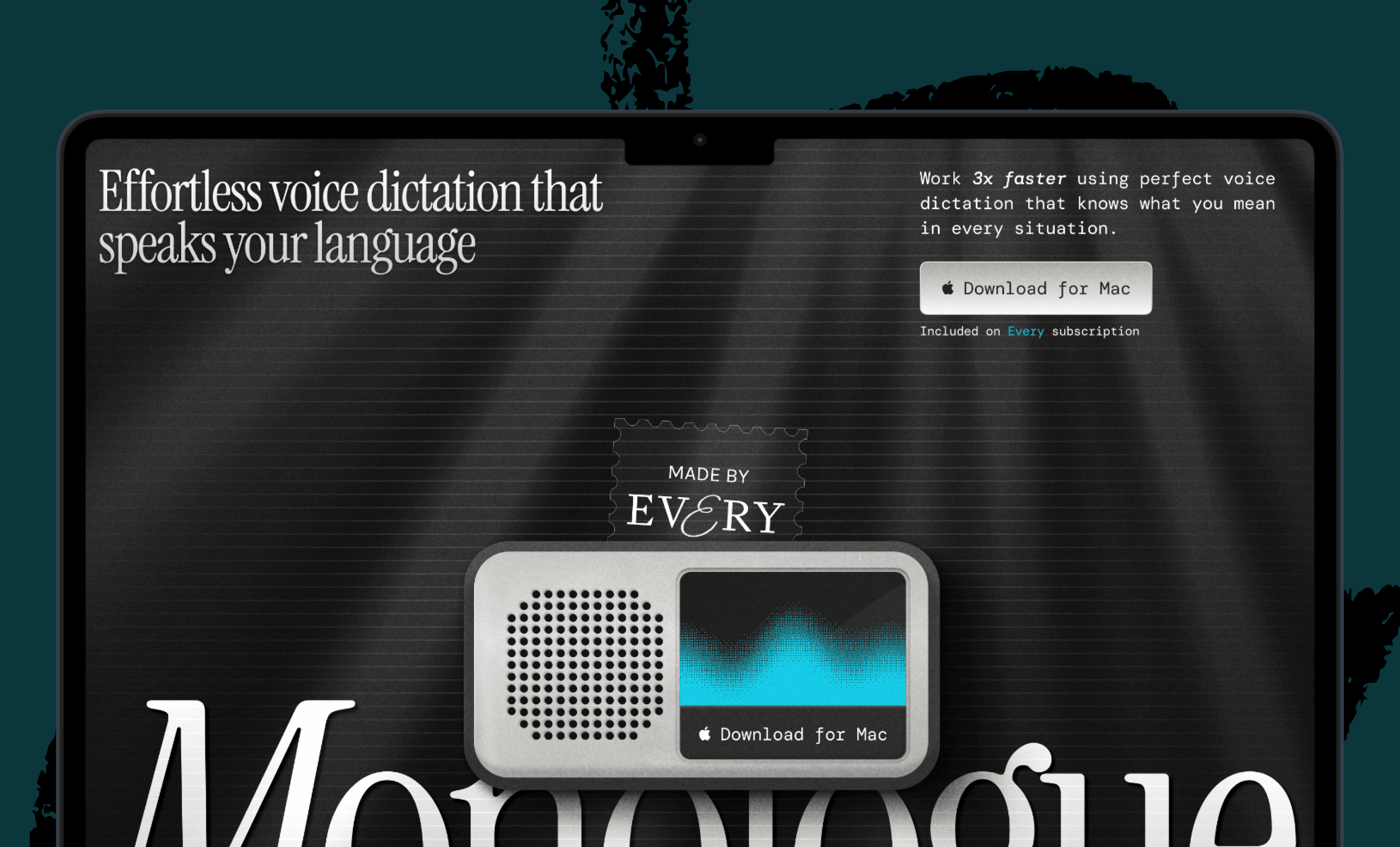
 Monologue
 Every Agent
Join 100,000+ leaders, builders, and innovators

Already have an account? Sign in.
What is included in a subscription?
Daily insights from AI pioneers + early access to powerful AI tools
 Front-row access to the future of AI
 In-depth reviews of new models on release dayPlaybooks and guides for putting AI to workPrompts and use cases for buildersIn-depth reviews of new models on release dayPlaybooks and guides for putting AI to workPrompts and use cases for builders
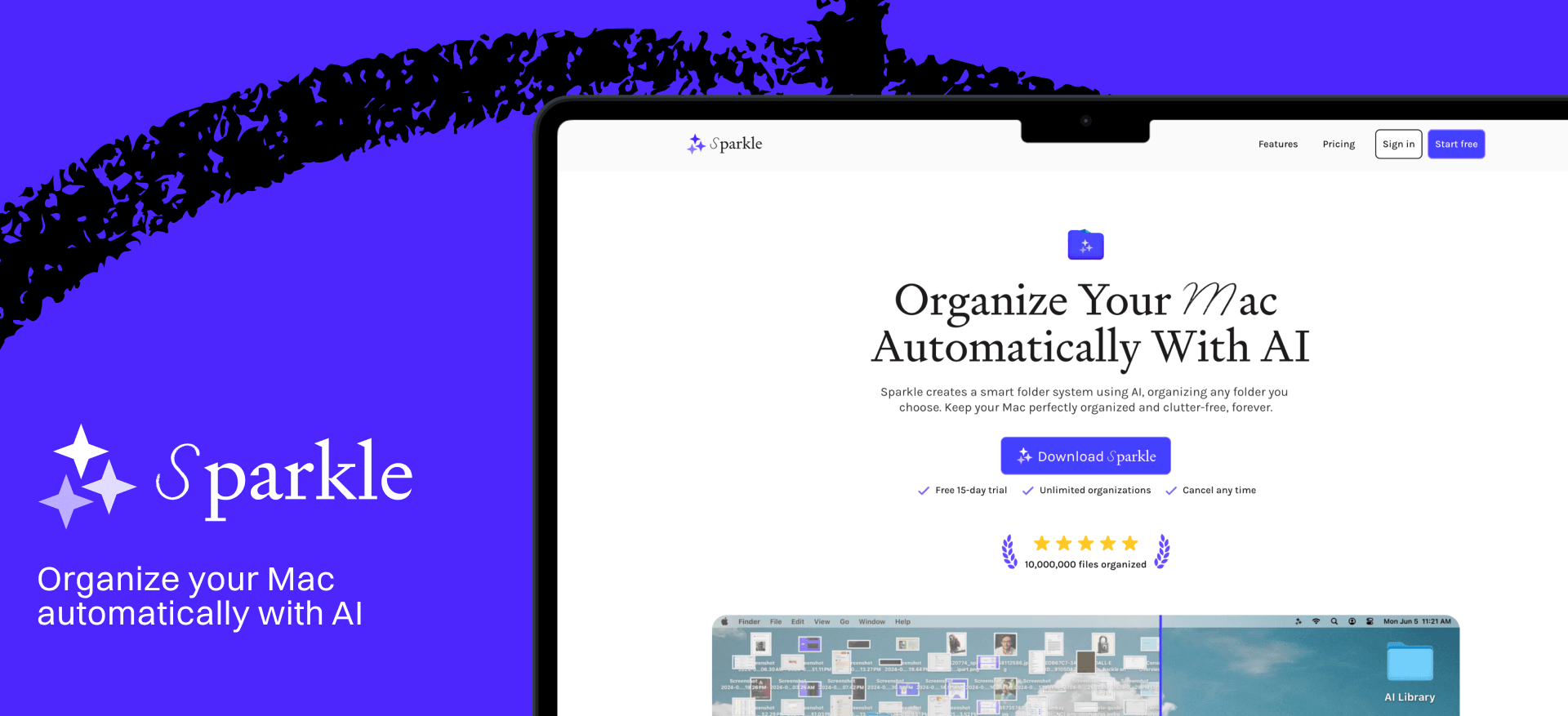
 Bundle of AI software




 Katie Parrott
 Every Staff
 Kieran Klaassen
Comments