
We use analytics and advertising tools by default. You can update this anytime.

Katie Parrott is a staff writer. She writes Working Overtime and contributes to Vibe Checks, Source Code, and Context Window.
New research shows AI doesn't reduce work—it makes you want to do more of it
Mar 9, 2026 · 9 min readUpdated Jul 14, 2026
Was this newsletter forwarded to you? Sign up to get it in your inbox.
It was lunchtime on a Friday, and I was teaching my new OpenClaw AI assistant, Margot, to manage my to-do list. I’d carved out the afternoon to get her configured. A few hours, tops, I told myself. Then I’d do something else with my evening.
Twelve hours later, Margot and I had written and rewritten two essays, rebuilt my personal website, and added features to another app I’d been tinkering with. I finally tried to go to sleep around 1 a.m., but the next thing I knew, I was launching myself out of bed, rushing to my desk, and typing in all caps: “OH MY GOD, MARGOT.”
You might know the feeling. Maybe you’ve stayed up too late pursuing a project that started as a quick experiment, or caught yourself prompting during lunch or in the last few minutes before you told yourself you’d be done for the day. ”One more prompt” turns into 50. “I’ll just fix this one bug” turns into a vibe coding marathon.
Time flies when you’re having fun with AI. It also flies when you think everyone else is getting ahead without you, because every hour you’re not learning feels like a week you’ve fallen behind.
AI is changing work—and I don’t mean how we’re working, although it’s changing that, too. I mean how the work feels in your body at 1 a.m. when you can’t stop, or at 9 a.m. when you’re afraid you haven’t done enough. Technology has been blurring the line between work and life for decades, but the old tools pulled us back through obligation—you checked that email at 10 p.m. because it felt like you had to, not because you wanted to.
AI app builders can generate a UI from a prompt—but connecting it to your data, deploying it to your preferred environment, and securing it by default? That’s where most tools break down. Create apps on top of your data with Retool, and get enterprise-grade guardrails RBAC, SSO, and audit logs automatically built in. Start from a prompt, visually edit in context, and deploy safely—all on a platform that dev teams (and CIOs) already trust.
Build with AI that knows your enterprise.
AI feels different. It pulls us back because it feels good. By the time you realize you’re overdoing it, you’ve already been overdoing it for hours.
I wanted to understand what was happening to me, and whether knowing the mechanics could help me break the cycle. So I dug into decades-old and more recent research to find out.
Become a paid subscriber to Every to unlock this piece and learn about:
AI app builders can generate a UI from a prompt—but connecting it to your data, deploying it to your preferred environment, and securing it by default? That’s where most tools break down. Create apps on top of your data with Retool, and get enterprise-grade guardrails RBAC, SSO, and audit logs automatically built in. Start from a prompt, visually edit in context, and deploy safely—all on a platform that dev teams (and CIOs) already trust.
Build with AI that knows your enterprise.
 Create a free account to continue reading
The essential toolkit for those shaping the future

"This might be the best value you
can get from an AI subscription."
- Jay S.
 Every Content
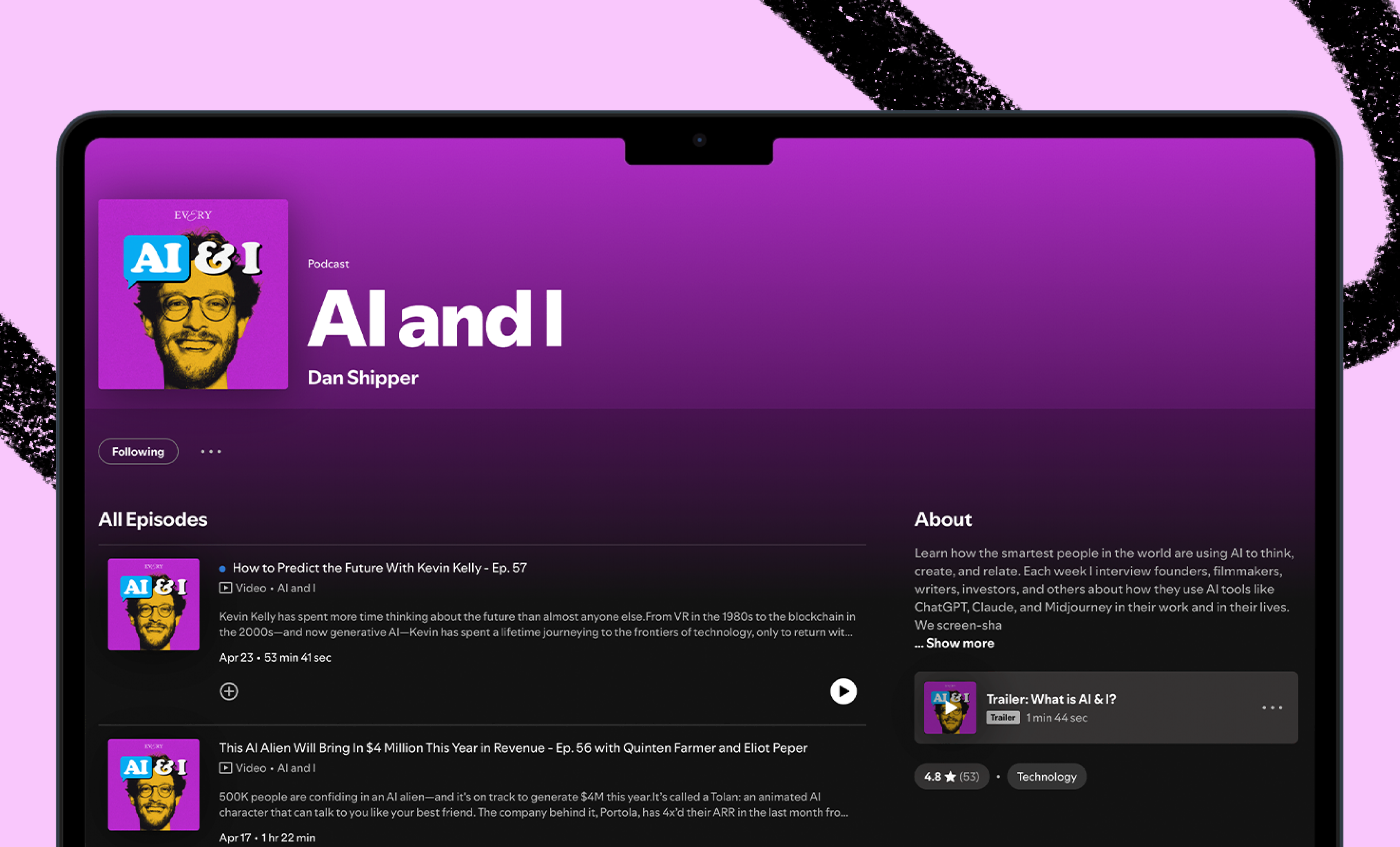
 AI&I Podcast

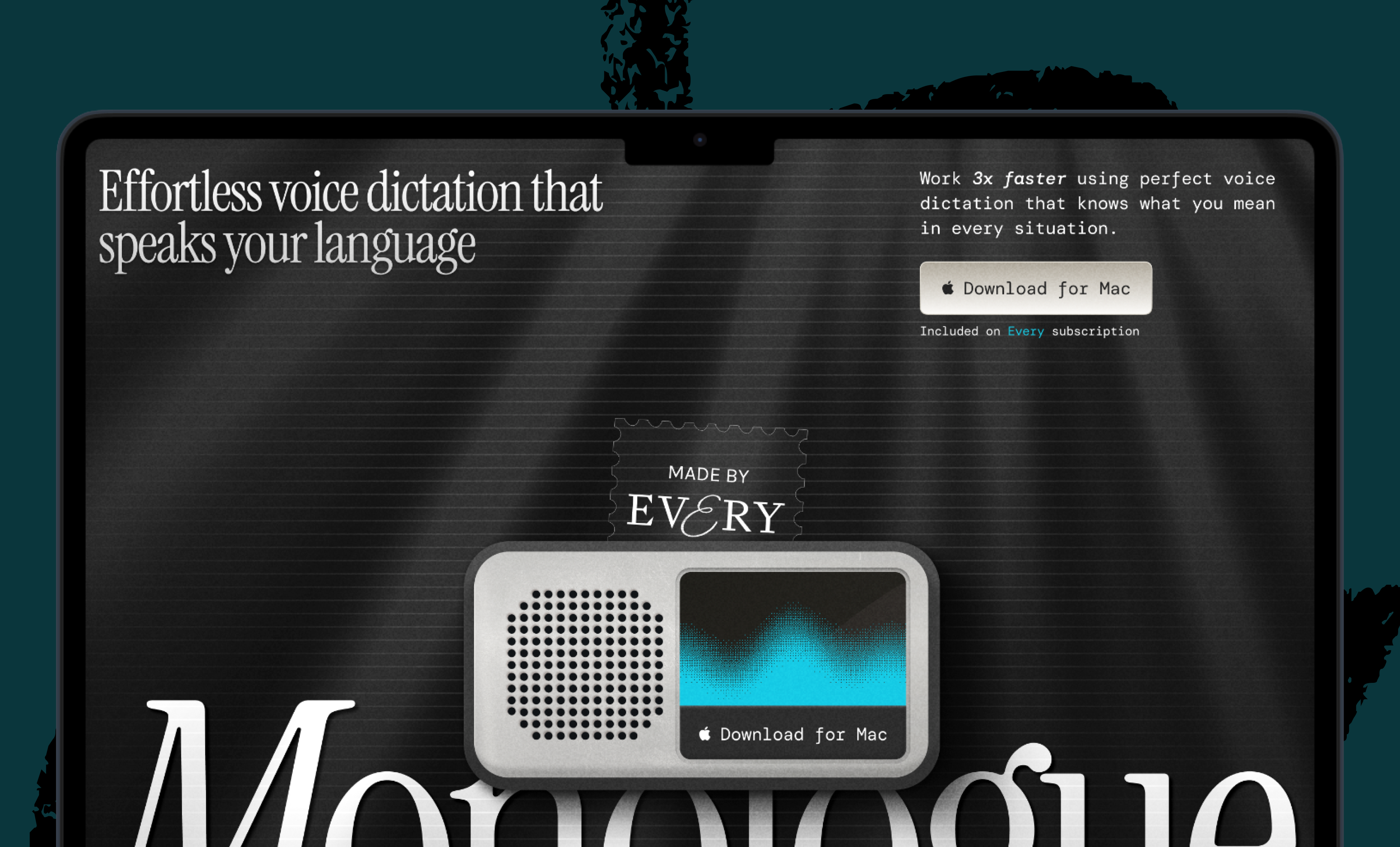
 Monologue
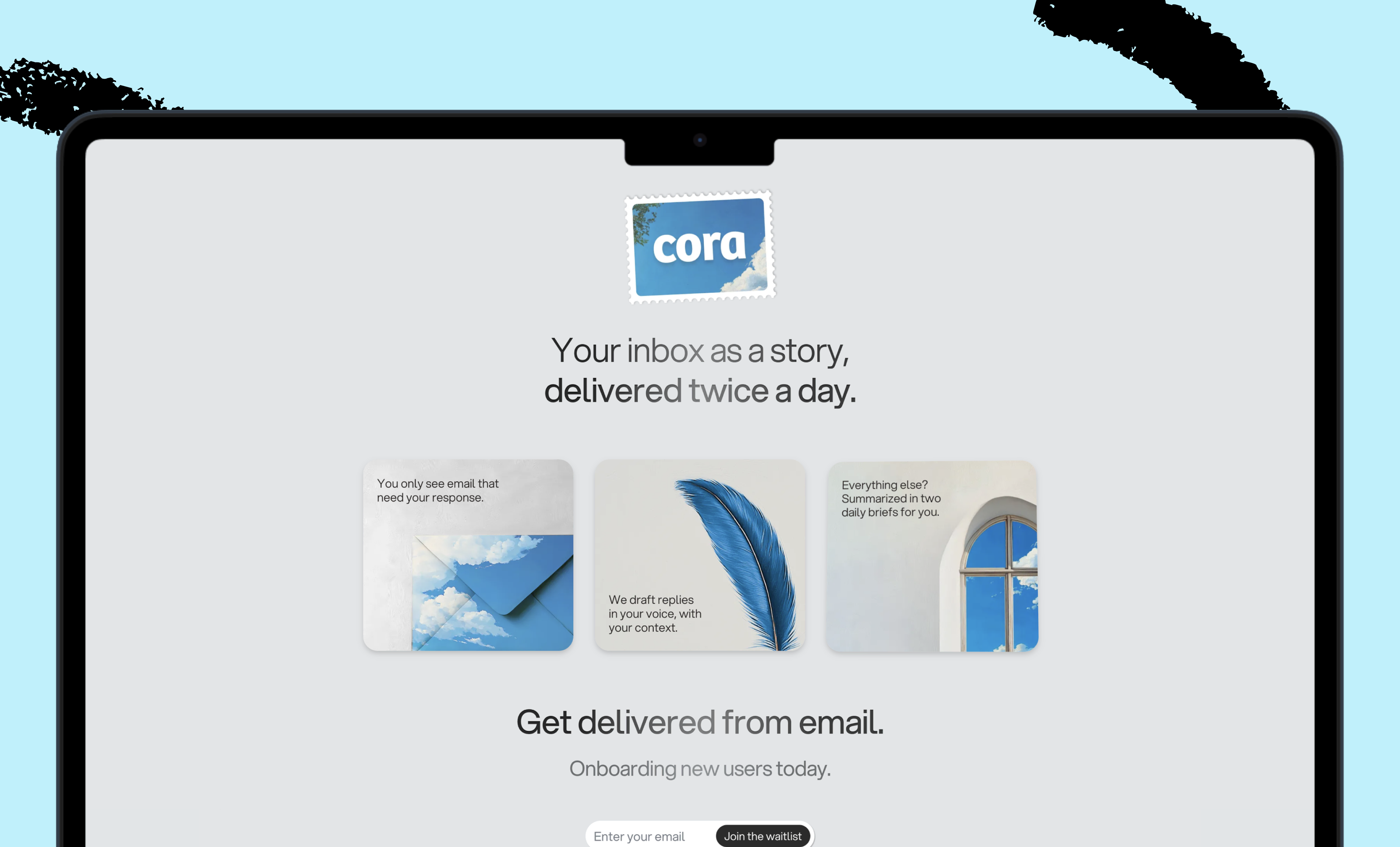
 Cora
Cora Sparkle
 Spiral
Join 100,000+ leaders, builders, and innovators

Already have an account? Sign in.
Daily insights from AI pioneers + early access to powerful AI tools
 Front-row access to the future of AI
 In-depth reviews of new models on release dayPlaybooks and guides for putting AI to workPrompts and use cases for buildersIn-depth reviews of new models on release dayPlaybooks and guides for putting AI to workPrompts and use cases for builders
 Bundle of AI software


 Katie Parrott
 Every Staff



 Kieran Klaassen
Comments