
We use analytics and advertising tools by default. You can update this anytime.
.09.54_PM.png&w=3840&q=75)
Dan Shipper is the CEO and cofounder of Every. Every week he explores the frontiers of AI in his column, Chain of Thought, and on his podcast, ‘AI & I.’
Alex Duffy is the cofounder and CEO of Good Start Labs, and a contributing writer.
Apps, agents, and API updates—but where's the vision that makes you dream?
Oct 6, 2025 · 8 min readUpdated Jul 27, 2026


Was this newsletter forwarded to you? Sign up to get it in your inbox.
Hello from San Francisco! This is your day zero vibe check from OpenAI’s third annual DevDay.
OpenAI launched three big things:
We held a live watch party for paid subscribers—about 50 of you attended the whole way through—and this was the reaction at the end:

Overall, it was a solid day on a few fronts, but it was missing some of the mind-blowing moments for developers of DevDays past. Last year’s DevDay, for example, came right after the launch of OpenAI’s first reasoning model, o1, and featured the launch of the Realtime API. In 2023, the company launched GPT-4 Turbo and custom GPTs (more on the latter below).
Maybe it’s a sign of how much the goalposts have moved, but this year’s DevDay felt a little more like OpenAI doubling down on existing opportunities than it was pushing the frontier of the future.
Let’s get into the updates.
What it is: AppsSDK, a set of tools (or software developer kit) for developers to build apps inside of ChatGPT instead of as stand-alone apps.
What it does: Users can chat with apps—like Figma, Zillow, or Spotify—without ever leaving the ChatGPT interface.
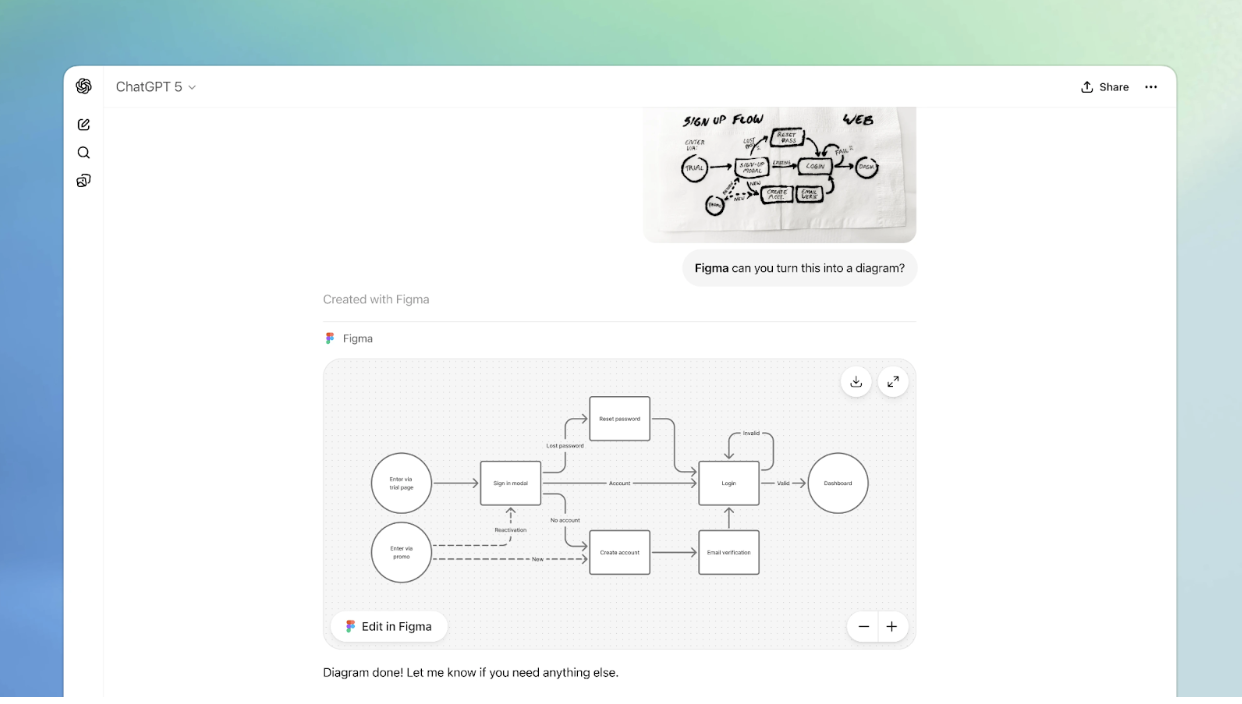
Our take: This is the third time that OpenAI has launched an app store concept. In March 2023, it was ChatGPT plugins, which allowed ChatGPT to call third-party apps from inside the app. They were exciting at the time, but adoption was poor.
In November 2023, it was custom GPTs, and a few months later a custom GPT app store (basically a directory of custom GPTs for anyone to use). This was significantly more popular than plugins, but OpenAI didn’t continue to update custom GPTs.
Now, it’s apps in ChatGPT, which looks like a move back to the original plugins concept. Both are effectively attempts to allow you to use third-party apps inside of the ChatGPT interface. It is the closest they’ve been to getting the app store right, but the key question is going to be performance.

Notion Agent fulfills the real promise of AI: It actually finishes your work. That’s because it’s incredibly flexible. It can search across your workspace, build databases, edit pages, and learn your style. When you’re ready, tell it what you need, like "compile Q3 feedback into a report" or "update our project database.” Have it execute multi-step workflows that used to take days and automate pain-staking manual work into minutes.
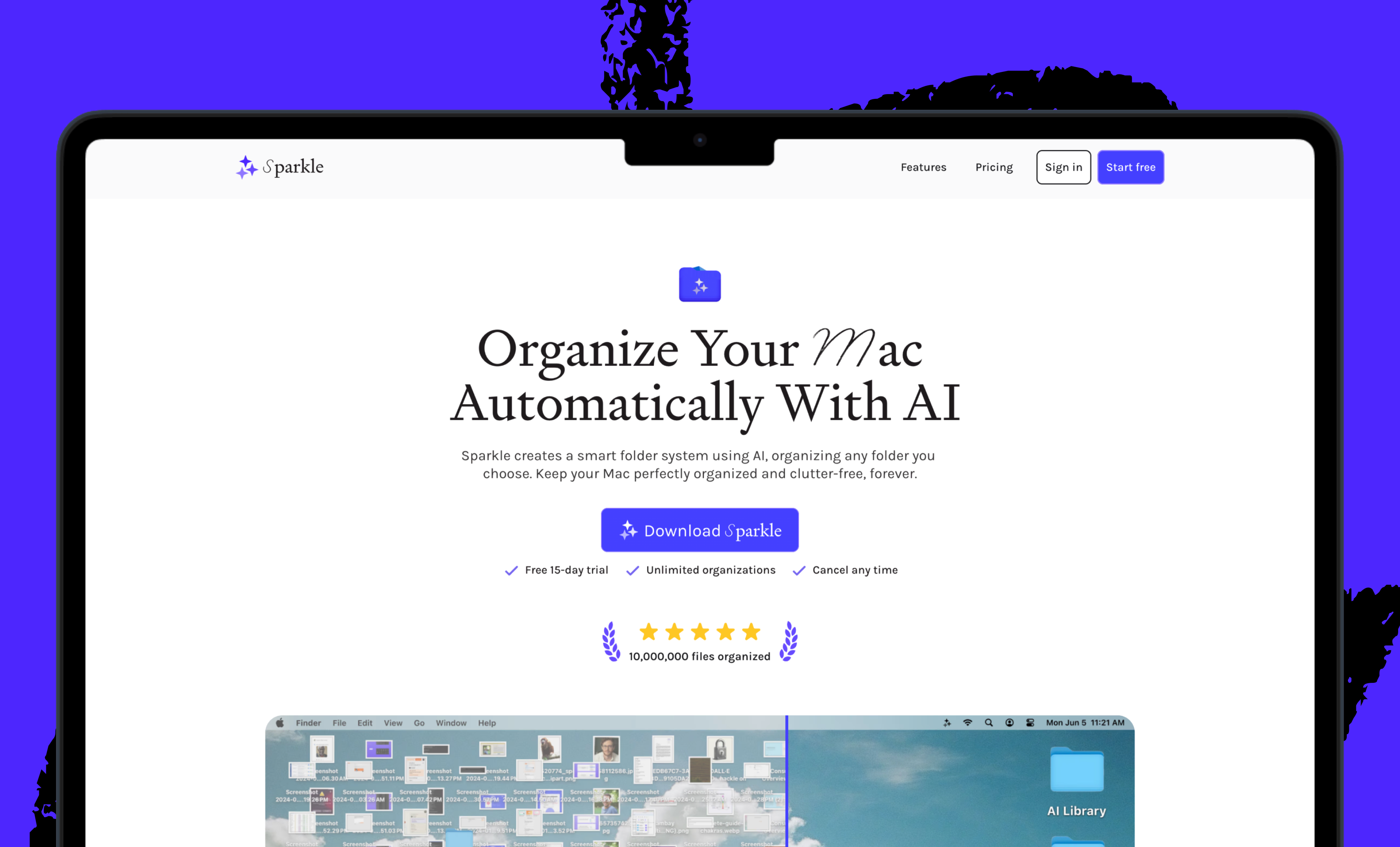
As a day-to-day user, I will only use an app inside of ChatGPT if it is at least as fast as using that app in a separate interface. I know this because we’ve been experimenting with experiences like this for some of our products. For example, we built an alpha feature for Sparkle that allows you to search the files on your computer from within Claude. You might input, “Grab the contract I just downloaded and summarize what it says,” without switching out of Claude.
This seems like a good idea in theory, but in practice, it’s so much faster to use the Sparkle native app to find a file. No one used the feature, so we didn’t ship it.
Another problem is the company’s launch strategy. Apps in ChatGPT are currently limited to only a few big OpenAI partners, like Canva, Coursera, Figma, and Spotify. OpenAI is promising to open up the tools for other approved developers later this year, but I worry that it’s slow-rolling the discovery of good use cases by limiting access to big companies that are not AI-first.
Open it up, Sam!
Become a paid subscriber to Every to unlock this piece and learn about how:
Notion Agent fulfills the real promise of AI: It actually finishes your work. That’s because it’s incredibly flexible. It can search across your workspace, build databases, edit pages, and learn your style. When you’re ready, tell it what you need, like "compile Q3 feedback into a report" or "update our project database.” Have it execute multi-step workflows that used to take days and automate pain-staking manual work into minutes.
 Create a free account to continue reading
The essential toolkit for those shaping the future

"This might be the best value you
can get from an AI subscription."
- Jay S.
 Every Content
 AI&I Podcast
 Monologue
 Cora
Cora Sparkle
 Spiral
Join 100,000+ leaders, builders, and innovators

Already have an account? Sign in.
Daily insights from AI pioneers + early access to powerful AI tools

 Front-row access to the future of AI
 In-depth reviews of new models on release dayPlaybooks and guides for putting AI to workPrompts and use cases for buildersIn-depth reviews of new models on release dayPlaybooks and guides for putting AI to workPrompts and use cases for builders





 Katie Parrott
 Every Staff
 Kieran Klaassen



Comments