
.png&w=3840&q=75)

Willem Van Lancker is a partner at Terrain, an early-stage technology investment firm.

A Founder’s Guide to Finding a Great Name
The framework behind iconic company names—and an AI tool to help you find a successful one
Oct 14, 2025 · 9 min readUpdated Sep 29, 2026

Today, we’re excited to share an essay and launch announcement from Willem Van Lancker, a designer and investor at Terrain, on the importance of naming your product. (Willem wrote one of our most popular Thesis essays, about the importance of friction to developing expertise.) After helping scores of founders navigate the messy process of finding a great name, he wanted to build a system anyone could go through in an afternoon. The result is a written guide to do just that, as well as Untitled, a software tool that helps guide founders through a rigorous process to find a name that will resonate.—Kate Lee
Was this newsletter forwarded to you? Sign up to get it in your inbox.
Every maker and founder faces the same unavoidable decision: what to call the thing they're building. As attention spans shrink and new stories and brands proliferate with increasing speed, getting this right has become both harder and more consequential.
Your name ships first. Before anyone watches your launch video, lands on your website, or tries your product, they encounter your name. Names travel farther than features and last longer than campaigns. They either buy you trust—or burn it—before you’ve even said a word.
I have been working on making this process less chaotic, first by accident and now by design, starting almost a decade ago when I found myself repeatedly helping founders I backed with naming and eventually building Onym, a widely used naming resource.
After working with nearly a hundred startups, teams, and companies (helping create names that have sparked trends like The Browser Company of New York and Modern Life, evocative monikers like Imprint and Keeps, and brand foundations for breakout companies like Base Power), I've distilled the work of developing a successful name into something any focused founder can complete in an afternoon. It’s captured in a clear sequence: Orient, explore, distill, validate, commit, execute.
I'm sharing two free-to-use tools as part of our work at Terrain supporting early-stage founders:
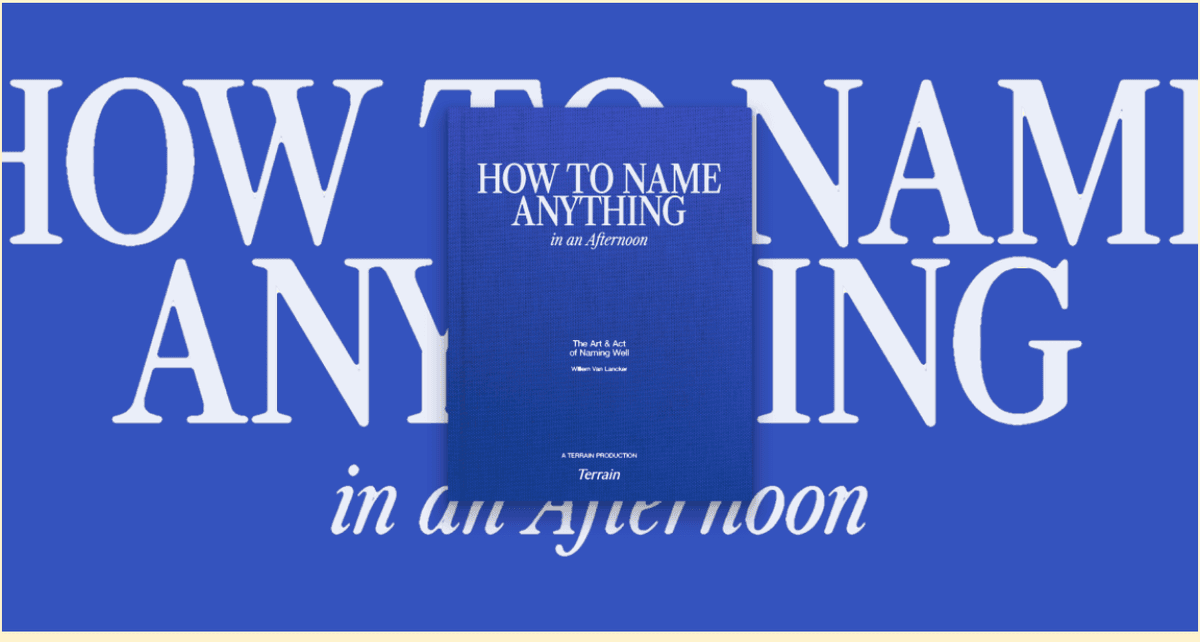
- “How to Name Anything in an Afternoon,” a comprehensive step-by-step guide to go from brand definition through naming and selection.
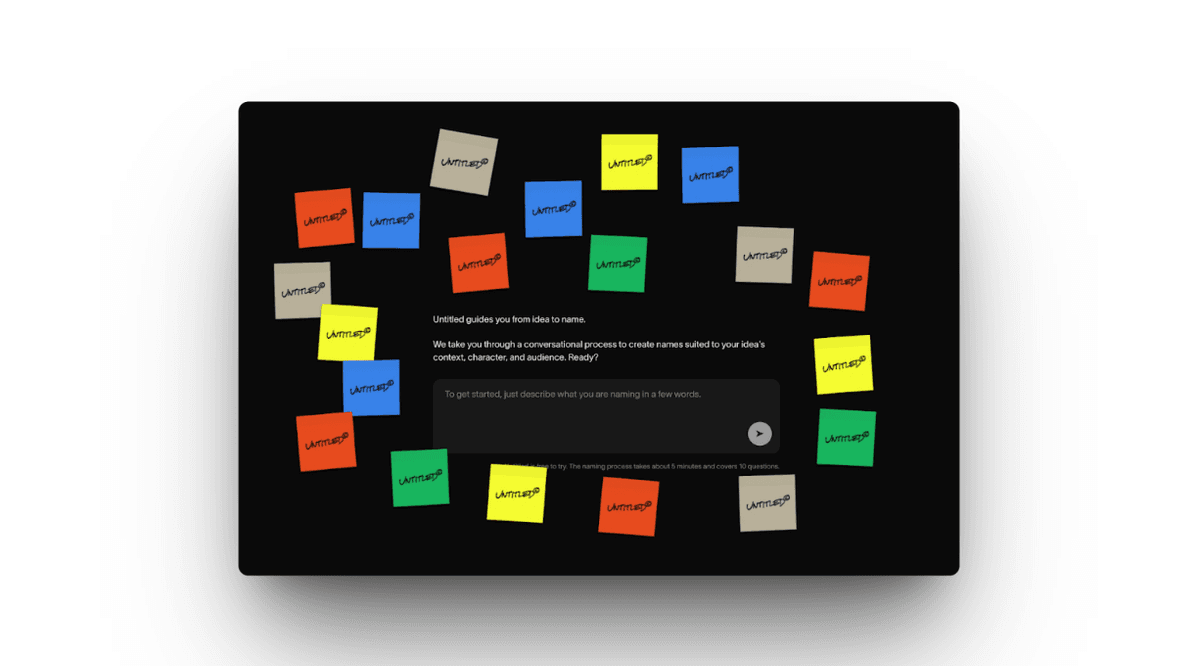
- Untitled.new, an AI tool designed to guide you through a streamlined version of the same creative process.
So block off a few hours. Grab a small group you trust (or run solo). Follow the steps. By the end, you’ll have a better sense of what you’re building and a name to build around.
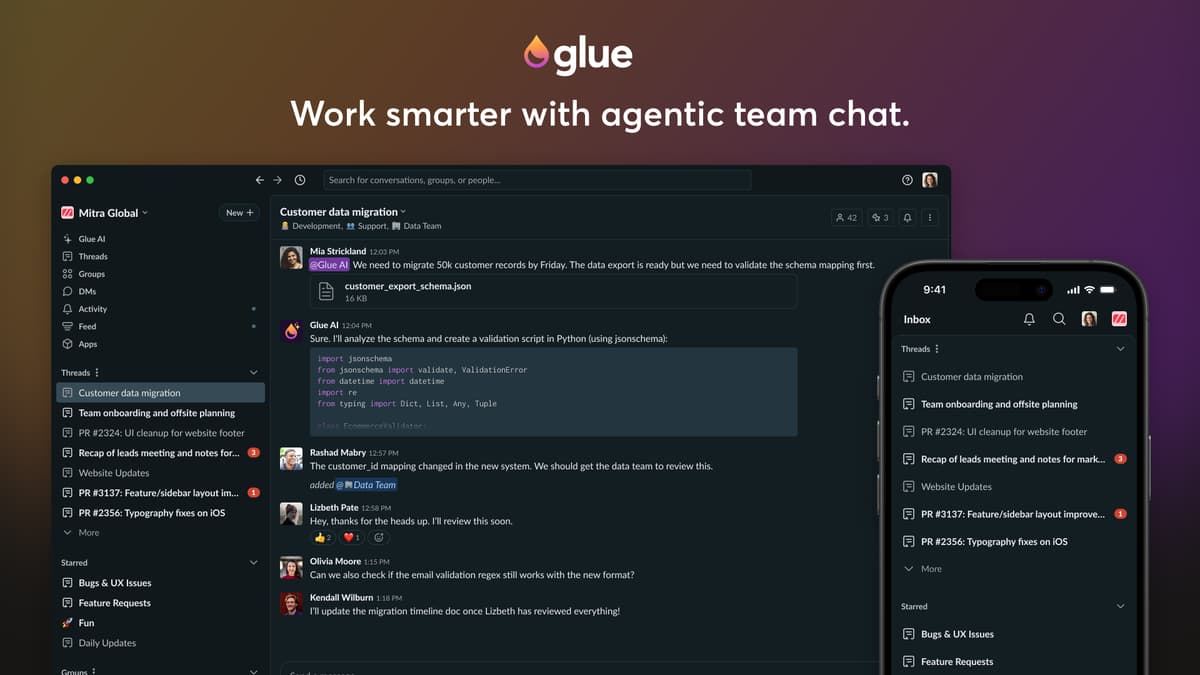
Chat built for how teams actually work
Team chat hasn’t changed much in a decade. It’s still cluttered, disconnected, and hard to focus in.
Glue is rethinking what chat can be if AI is built right into the conversation. Glue AI connects directly to your tools through MCP, so your team can plan, collaborate, and take action without switching context or losing focus.
Most chat tools were built for a pre-AI world. Glue is built for what’s next. Try it free.
The act of naming
Before you begin using the guide, or Untitled.new, it’s worth going deeper into what makes a name really work, so you will know it when you see it...
Become a paid subscriber to Every to unlock this piece and learn about:
- How great names bot situate and differentiate
- Six dimensions for evaluating names
- Why names like OpenAI, Anthropic, Snowflake, Tesla, Google, and Amazon work
Thanks to our Sponsor:
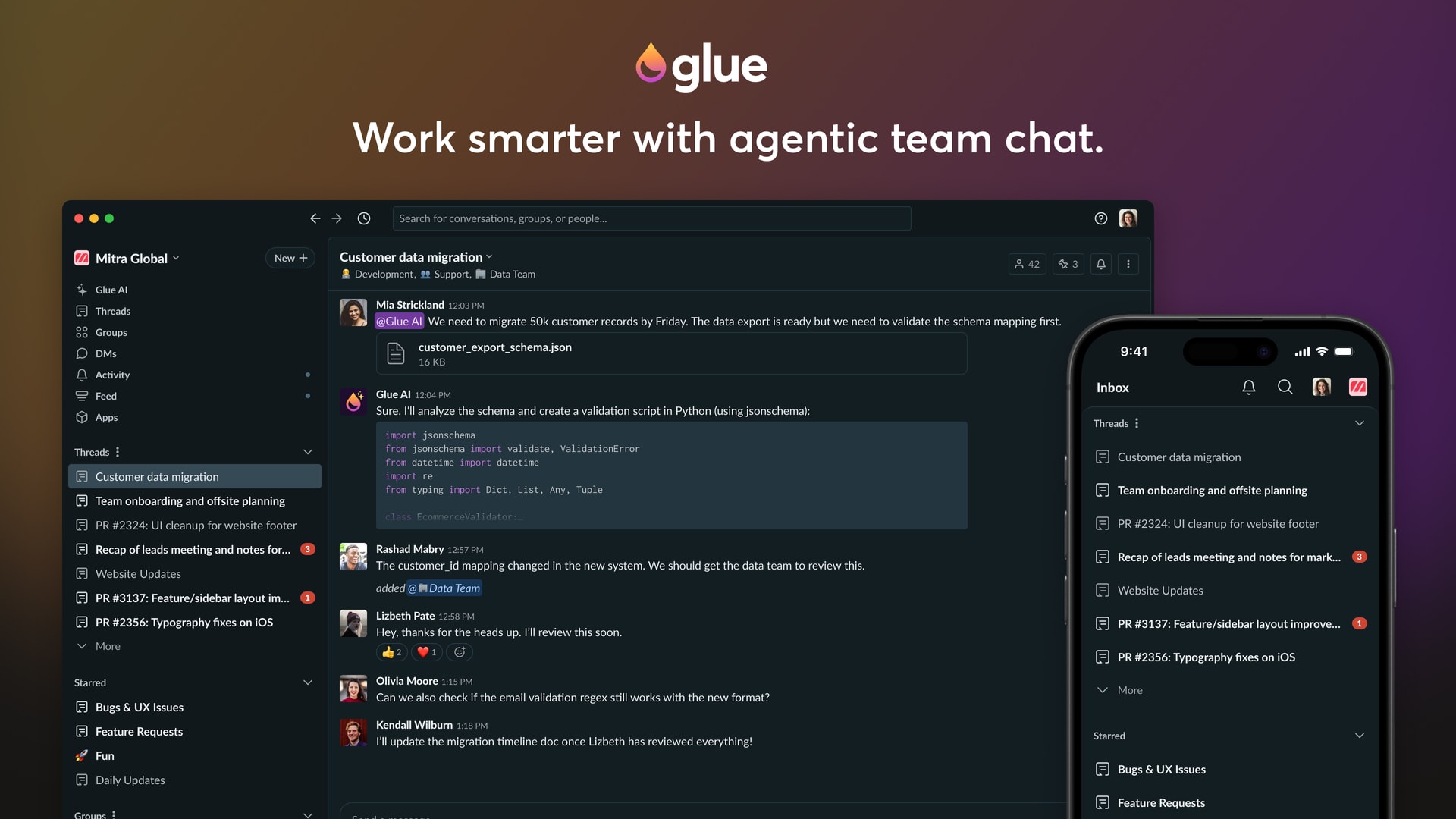
Chat built for how teams actually work
Team chat hasn’t changed much in a decade. It’s still cluttered, disconnected, and hard to focus in.
Glue is rethinking what chat can be if AI is built right into the conversation. Glue AI connects directly to your tools through MCP, so your team can plan, collaborate, and take action without switching context or losing focus.
Most chat tools were built for a pre-AI world. Glue is built for what’s next. Try it free.
 Create a free account to continue reading
The Only Subscription
You Need to
Stay at the
Edge of AI
The essential toolkit for those shaping the future

"This might be the best value you
can get from an AI subscription."
- Jay S.
 Every Content
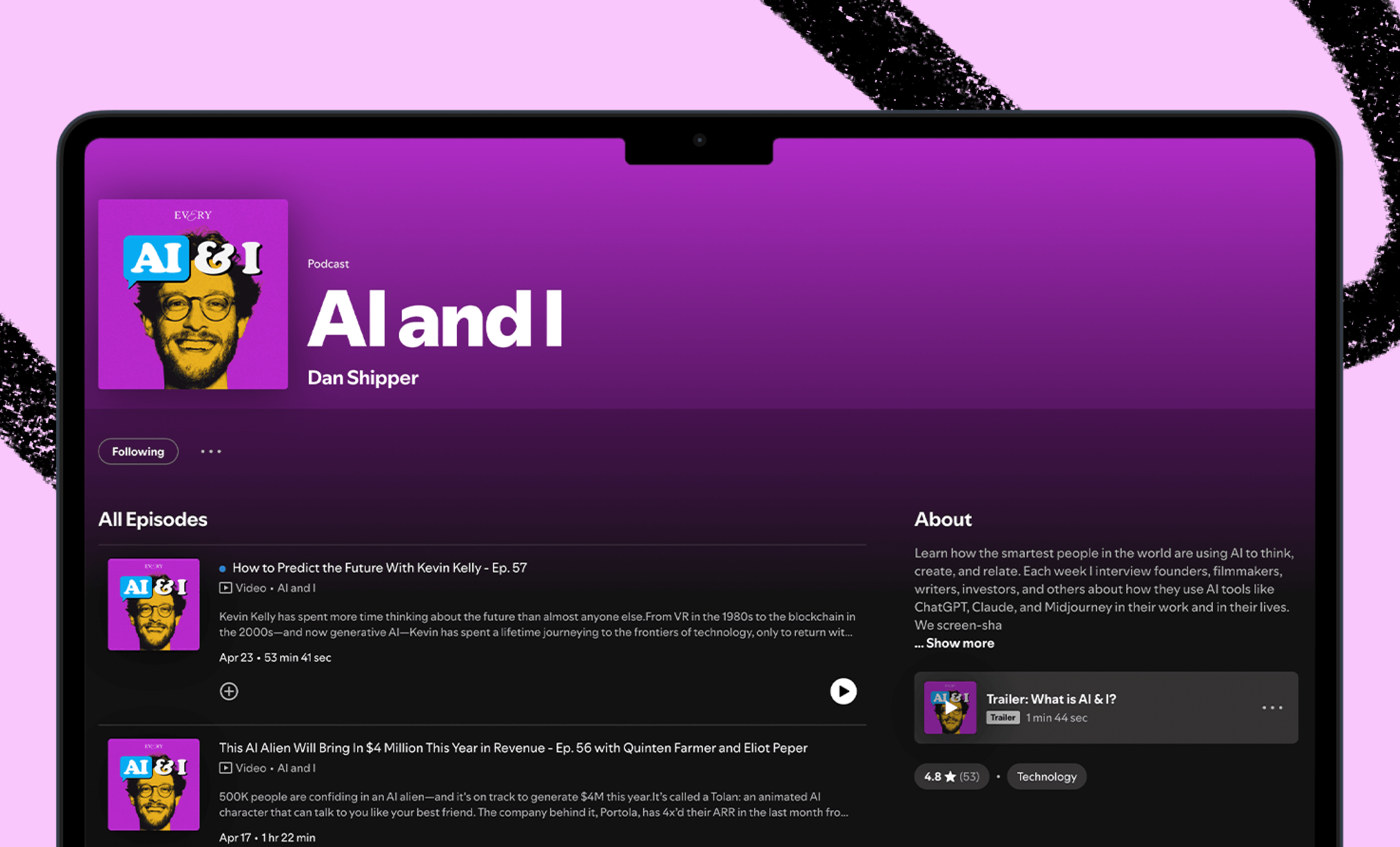
 AI&I Podcast
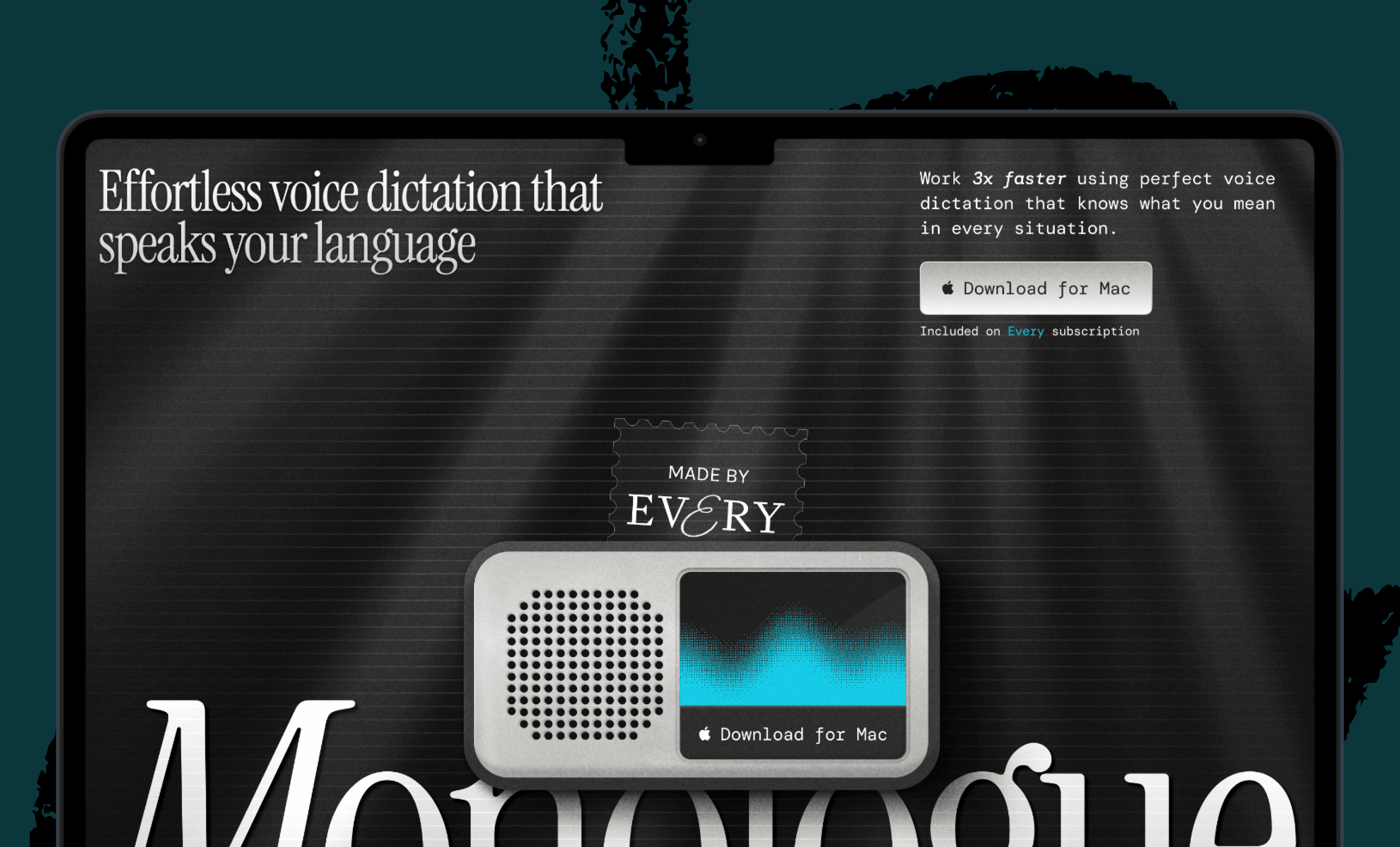
 Monologue
 Every Agent
Join 100,000+ leaders, builders, and innovators

Already have an account? Sign in.
What is included in a subscription?
Daily insights from AI pioneers + early access to powerful AI tools

 Front-row access to the future of AI
 In-depth reviews of new models on release dayPlaybooks and guides for putting AI to workPrompts and use cases for buildersIn-depth reviews of new models on release dayPlaybooks and guides for putting AI to workPrompts and use cases for builders
 Bundle of AI software




 Katie Parrott
 Every Staff
 Kieran Klaassen
Comments