


Edmar Ferreira is an entrepreneur in residence at Every and the founder of EverWrite, an AI SEO company and content marketing leader in Latin America.

Why Building in AI Is Nothing Like Making Conventional Software
Introducing Source Code, your backstage pass to Every Studio
Oct 29, 2024 · 9 min readUpdated Jun 26, 2026

There’s a fundamental loop underneath everything we do at Every: Write -> build -> repeat. Building exposes you to aspects of the world that were previously hidden. Writing helps you to find a precise, concise way of expressing what you know and why. This loop isn’t necessarily linear—sometimes we start with building and move to writing, sometimes we start with writing instead—but it does lead to, we think, a particularly effective way of creating new things.
That’s why, today, we’re launching Source Code, a new column where we bring you into our product studio as we tinker with what comes next. This first piece, by Every entrepreneur in residence Edmar Ferreira, is an incredible articulation of building products in AI, why the key risk of new AI products is feasibility, and how to deal with it through fast experimentation. Sign up to be the first to try our products as an Every Early Adopter.—Dan Shipper
Was this newsletter forwarded to you? Sign up to get it in your inbox.
When I started building my first AI project at Every Studio, I approached it the same way I’d built products in the past: Identify a clear problem, map out a solution, build an MVP (minimum viable product), and iterate from there. It’s a fairly straightforward, software-driven approach: Build fast, test, learn, and improve.
But it didn’t work—so I asked myself: How is building in AI different from building in conventional software?
I joined Every Studio with an ambitious goal: to build nine products in three months—one project every 10 days. My first project, Mindtune, is an AI-driven alternative to traditional adtech and social media algorithms. My hypothesis is that people are fed up with the formulaic, impersonal content in their social media feeds, and that AI offers an opportunity to deliver a more relevant, personalized experience.
I started Mindtune with demand validation because this is where traditional software projects tend to fall apart. You build landing pages, talk to potential customers, analyze competitors—and only then do you invest resources in building out the product. Founders have been following this template for so long that it’s like a reflex. We don’t necessarily stop to ask ourselves, is building this thing even possible?
Building with AI requires us to break our habits and approach building in a different way. AI products bring with them a unique set of risks, and if you don’t understand them, you’re bound to make mistakes.
As I was building Mindtune, I identified three risk profiles that helped me see exactly what kind of risk I was taking on—and, more importantly, what would determine whether it succeeded. I’ll dive in to each of the risks, how they relate to each other, and how AI disrupts the traditional startup “risk chain.” My hope is that founders and builders can save themselves a few wrong turns in the idea maze by better understanding where the risks in their idea lie—and how best to defuse them.
Sponsored by: Every
Tools for a new generation of builders
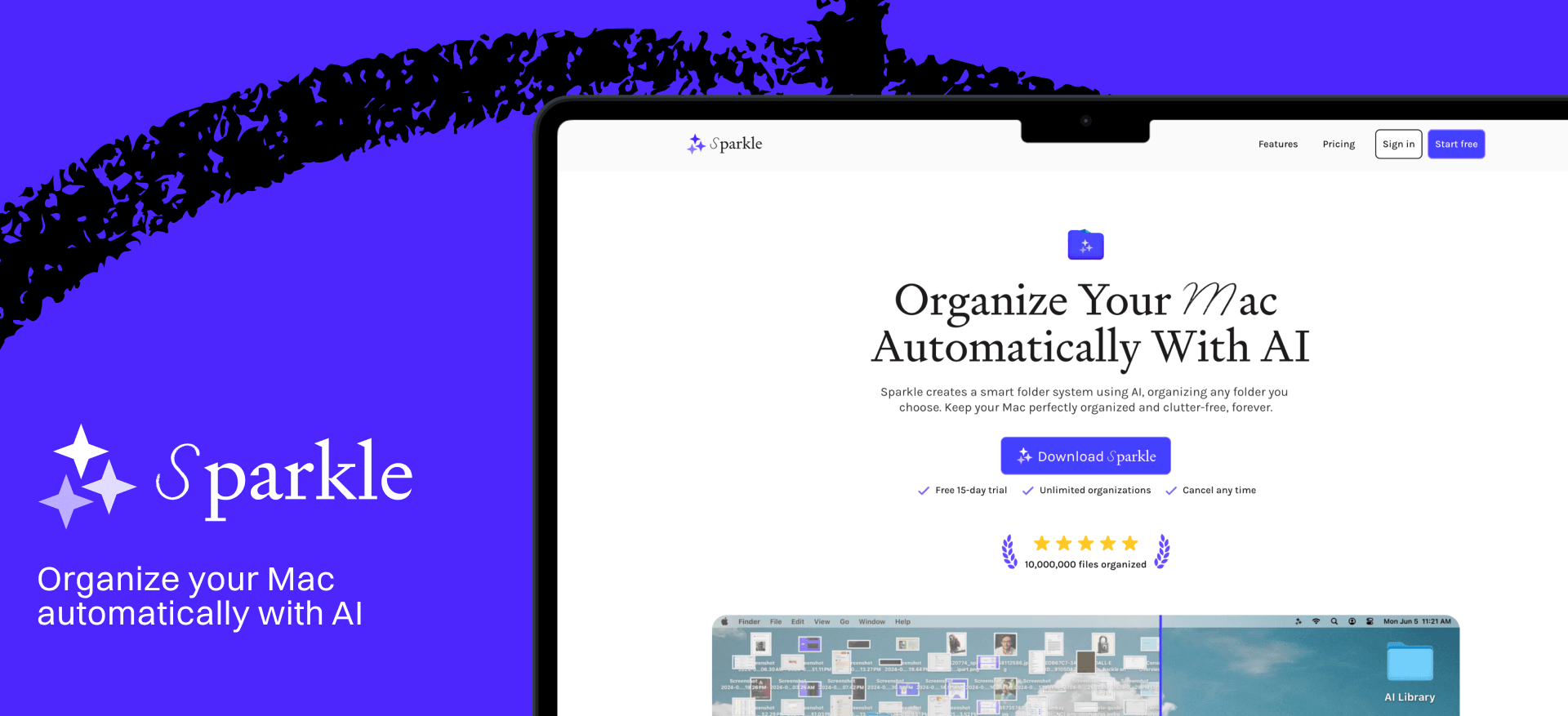
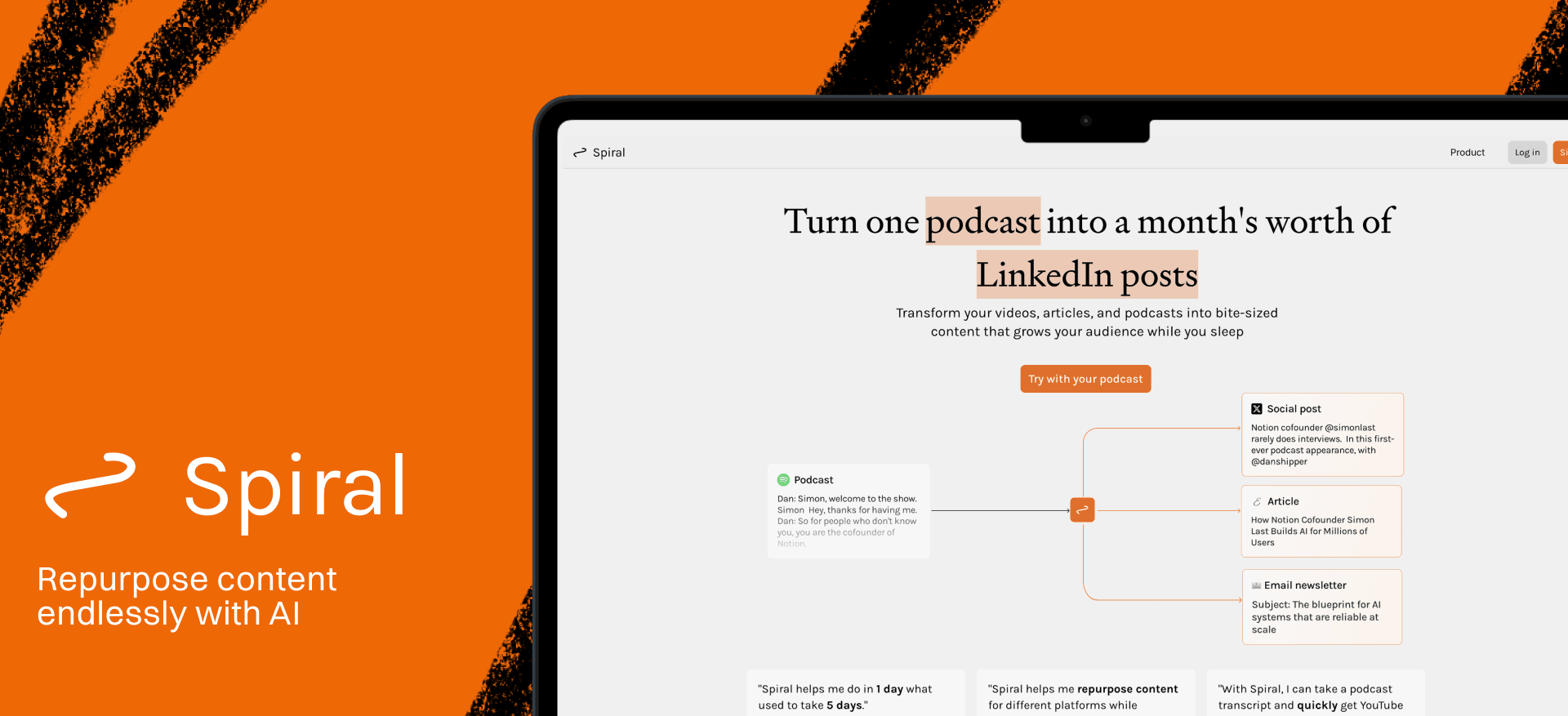
When you write a lot about AI like we do, it’s hard not to see opportunities. We build tools for our team to become faster and better. When they work well, we bring them to our readers, too. We have a hunch: If you like reading Every, you’ll like what we’ve made.
The startup risk chain
There are three types of risks involved in any startup: feasibility, value, and viability.
Become a paid subscriber to Every to unlock this piece and learn about:
- The three levels of startup risk
- The critical differences between deep and applied AI
- Understanding feasibility risk in AI development
- The trap of treating AI like traditional software
 Create a free account to continue reading
The Only Subscription
You Need to
Stay at the
Edge of AI
The essential toolkit for those shaping the future

"This might be the best value you
can get from an AI subscription."
- Jay S.
 Every Content
 AI&I Podcast
 Monologue
 Every Agent
Join 100,000+ leaders, builders, and innovators

Already have an account? Sign in.
What is included in a subscription?
Daily insights from AI pioneers + early access to powerful AI tools

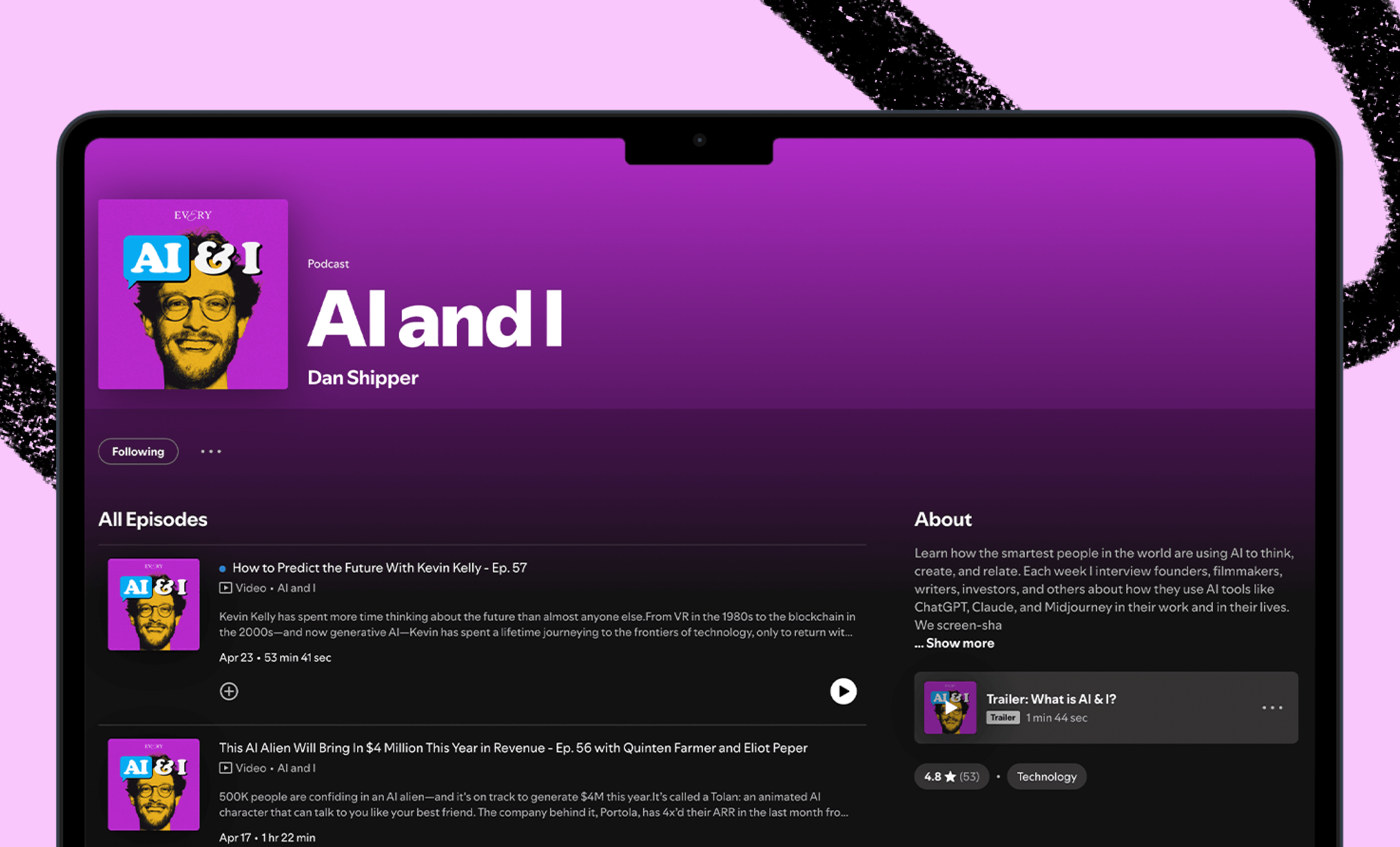

 Front-row access to the future of AI
 In-depth reviews of new models on release dayPlaybooks and guides for putting AI to workPrompts and use cases for buildersIn-depth reviews of new models on release dayPlaybooks and guides for putting AI to workPrompts and use cases for builders
 Bundle of AI software






 Katie Parrott
 Every Staff
 Kieran Klaassen
Comments