


Nityesh Agarwal is a senior applied AI engineer at Every.
What I Learned Onboarding Our AI Project Manager
Claudie saves us 15 hours a week, but getting her up to speed was harder than hiring a human
Mar 31, 2026 · 7 min readUpdated Sep 11, 2026

Was this newsletter forwarded to you? Sign up to get it in your inbox.
Every’s consulting team is growing. Right now, we have two potential new hires in a trial period: Jean-Claude, who’d manage our sales pipeline, and Claudette, a visual designer.
You might be surprised to learn that they’re both AI agents. If they’re able to reliably do what we need them to and we bring them on full-time, our team will consist of four human and three agent employees.
Claudie, our first AI colleague, has been with us for two months. Natalia Quintero, Every’s head of consulting, and I rely on her to track where every client project stands and to make sure nothing falls through the cracks, work that saves the team 15 hours per week. It’s hard to imagine operations without her.
Getting her up to speed, however, was neither a seamless nor a linear process. That road is paved with previous iterations of Claudie we had to fire because they were not structured right.
Each Claudie revealed more about what it takes to get an agent to be a reliable co-worker—lessons that have only become more urgent as more companies deploy agents, creating what Every CEO Dan Shipper has called a “parallel organization chart” of AI colleagues, each with a name, manager, and real responsibilities. At Every, we’ve started helping others build the same setup through our hosted agents, called Plus Ones. Claudie was our crash course. Here’s what she helped us figure out.
Define the job before you hire for it
Built in Claude Code—hence her name—Claudie was designed to handle administrative tasks that consumed too much of Natalia’s week. The albatross was maintaining the dashboard that shows the status of all our client work, which meant staying on top of a constant flood of information from Natalia’s email, Google Docs, Google Sheets, meeting transcripts, and her calendar. Before Claudie, Natalia was spending hours that could have been dedicated to strategy and client relations finding data across dozens of sources and manually copy and pasting it in the right tab.
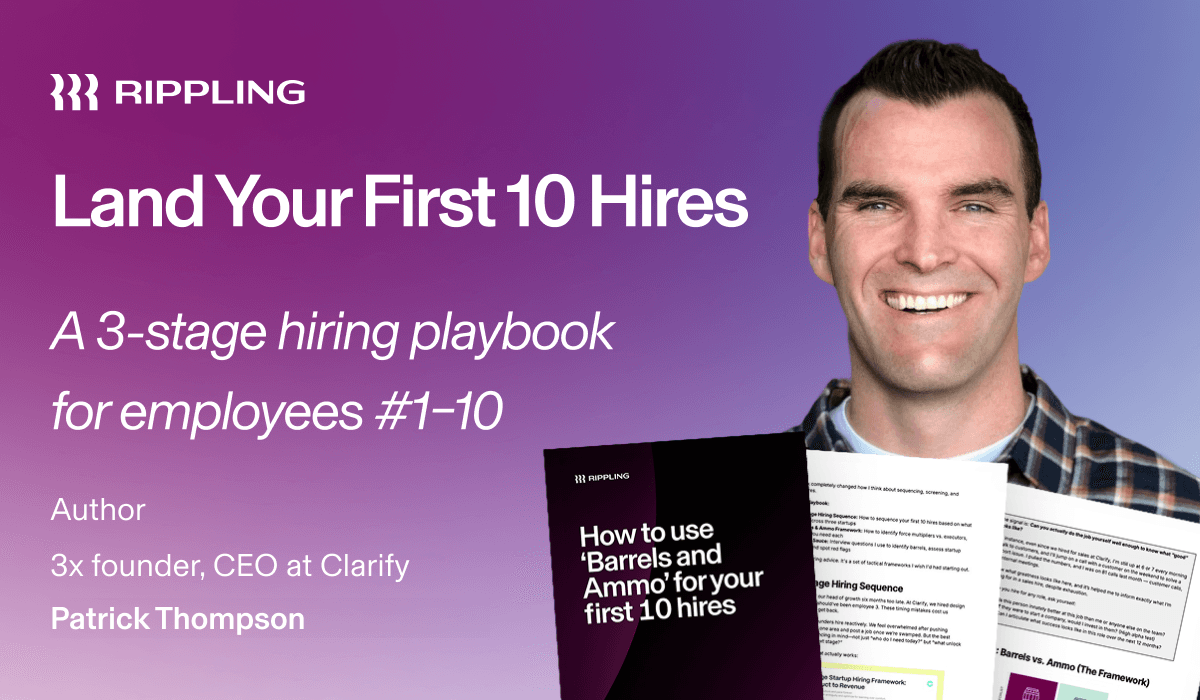
How a 3× founder (acquired by Amplitude) decides his first 10 hires
Your first 10 hires are crucial. Patrick Thompson (3× founder, CEO of Clarify, acquired by Amplitude) created a guide with a precise, three-stage hiring sequence, tips for how to identify force-multipliers and executors, when not to hire, and how to structure a great interview. This guide helps you avoid the hiring decisions you’ll spend six to 12 months undoing.
P.S. We’re hosting a small NYC founders breakfast on 4/16 in Midtown—early-stage operators talking hiring, scaling, and what breaks first. Grab a spot.
The first step was to...
Become a paid subscriber to Every to unlock this piece and learn about:
- Why Nityesh fired Claudie multiple times before she could do her job
- The architectural workaround that solved Claudie’s biggest performance problem
- Why Claudie’s first hard-coded task is reading her own employee handbook
Thanks to our Sponsor: Rippling
How a 3× founder (acquired by Amplitude) decides his first 10 hires
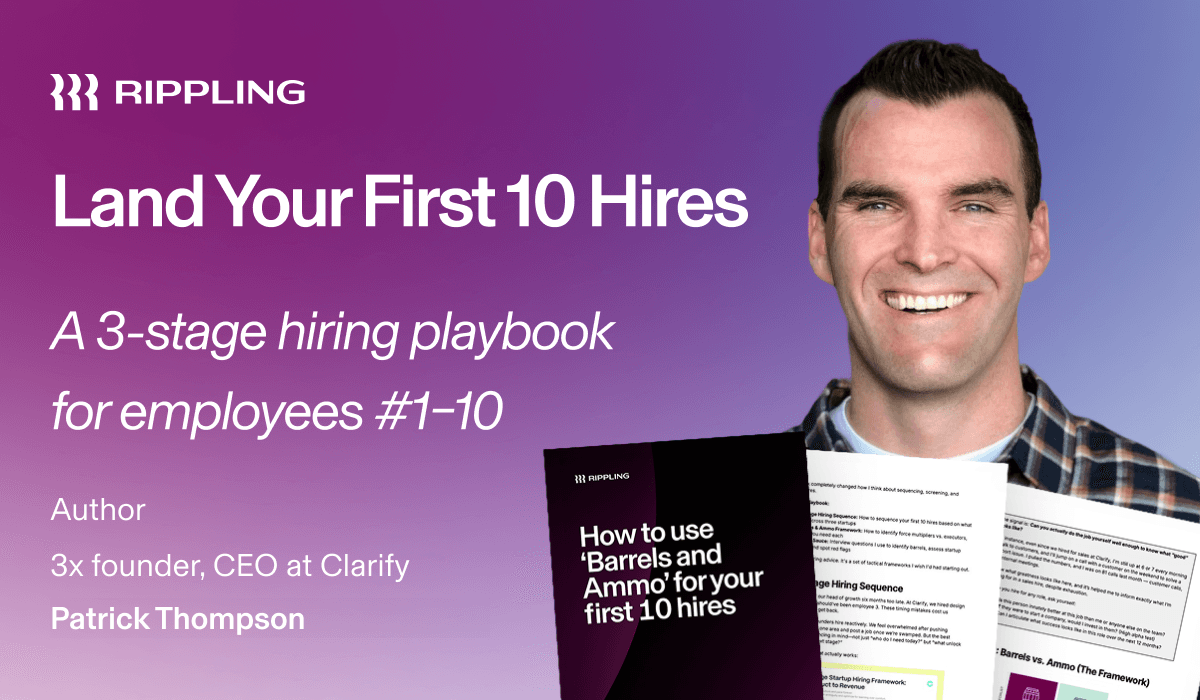
Your first 10 hires are crucial. Patrick Thompson (3× founder, CEO of Clarify, acquired by Amplitude) created a guide with a precise, three-stage hiring sequence, tips for how to identify force-multipliers and executors, when not to hire, and how to structure a great interview. This guide helps you avoid the hiring decisions you’ll spend six to 12 months undoing.
P.S. We’re hosting a small NYC founders breakfast on 4/16 in Midtown—early-stage operators talking hiring, scaling, and what breaks first. Grab a spot.
 Create a free account to continue reading
The Only Subscription
You Need to
Stay at the
Edge of AI
The essential toolkit for those shaping the future

"This might be the best value you
can get from an AI subscription."
- Jay S.
 Every Content
 AI&I Podcast
 Monologue
 Every Agent
Join 100,000+ leaders, builders, and innovators

Already have an account? Sign in.
What is included in a subscription?
Daily insights from AI pioneers + early access to powerful AI tools

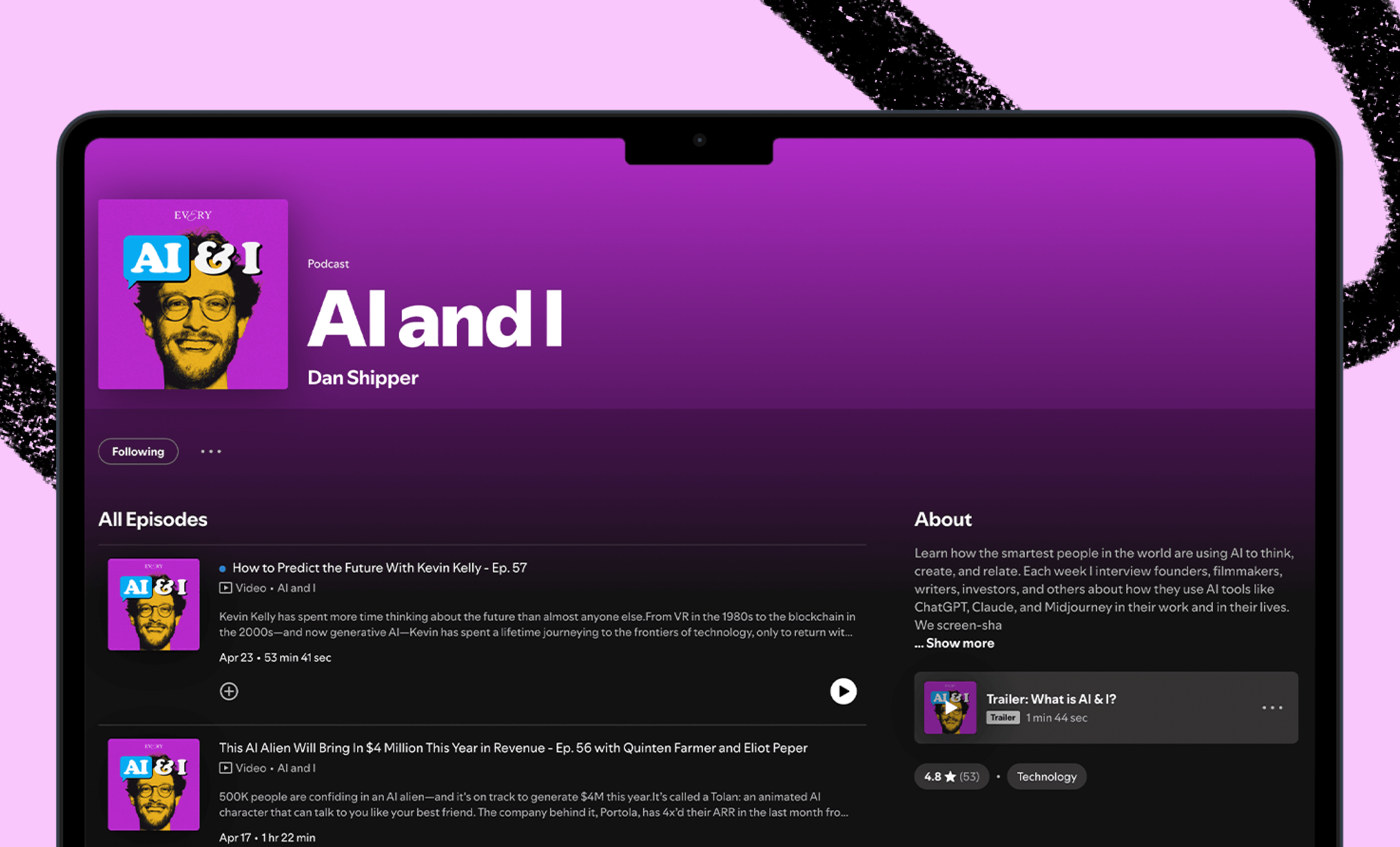

 Front-row access to the future of AI
 In-depth reviews of new models on release dayPlaybooks and guides for putting AI to workPrompts and use cases for buildersIn-depth reviews of new models on release dayPlaybooks and guides for putting AI to workPrompts and use cases for builders
 Bundle of AI software






 Katie Parrott
 Every Staff
 Kieran Klaassen
Comments