


Katie Parrott is a staff writer. She writes Working Overtime and contributes to Vibe Checks, Source Code, and Context Window.
Our ChatGPT and OpenClaw Guides Just Got an Overhaul
New apps, tools, and setup—here’s what we changed and why
Aug 27, 2026 · 4 min readUpdated Sep 22, 2026

Was this newsletter forwarded to you? Sign up to get it in your inbox.
We talk about AI progress like it’s a race between models. That’s the part with version numbers, and what you argue about over dinner. But the model is only one piece. It reaches your work through the app you open it in, the files and tools you let it touch, the instructions you’ve saved from last time, and the person keeping all of that from going stale. Any of those can change your results as much as a new model would—sometimes more.
We rewrote two of our guides this week. The models didn’t change. The infrastructure around them that governs their behavior and capabilities did. These guides are written as much for agents as for humans, so share them with your agent and ask it: “What can we learn from this that we can adapt for how we work?”
Knowledge work has a home in ChatGPT now
When we initially wrote our Codex for Knowledge Work guide, the idea of using a coding-agent interface for something other than coding was so new that even OpenAI hadn’t built a dedicated home for it. Now it has. Quick questions stay in Chat, longer assignments move to Work, and software jobs go to Codex. For knowledge workers who don’t touch code, the vast majority of your tasks can be handled by Work.

Most AI tools stop at the summary
Research is the easy part. The work is everything after: the report drafted, the spreadsheet updated, the recap posted in Slack, the follow-up actually sent. Grok Bot’s Bots do that part. Each one runs on its own cloud computer, signed in to your CRM, your ATS, your inbox, clicking and typing through the same software your team already uses. Give a Bot a job instead of a prompt, then check the result the way you’d check a coworker’s. Built by the team behind SpaceXAI.
 Create a free account to continue reading
The Only Subscription
You Need to
Stay at the
Edge of AI
The essential toolkit for those shaping the future

"This might be the best value you
can get from an AI subscription."
- Jay S.
 Every Content
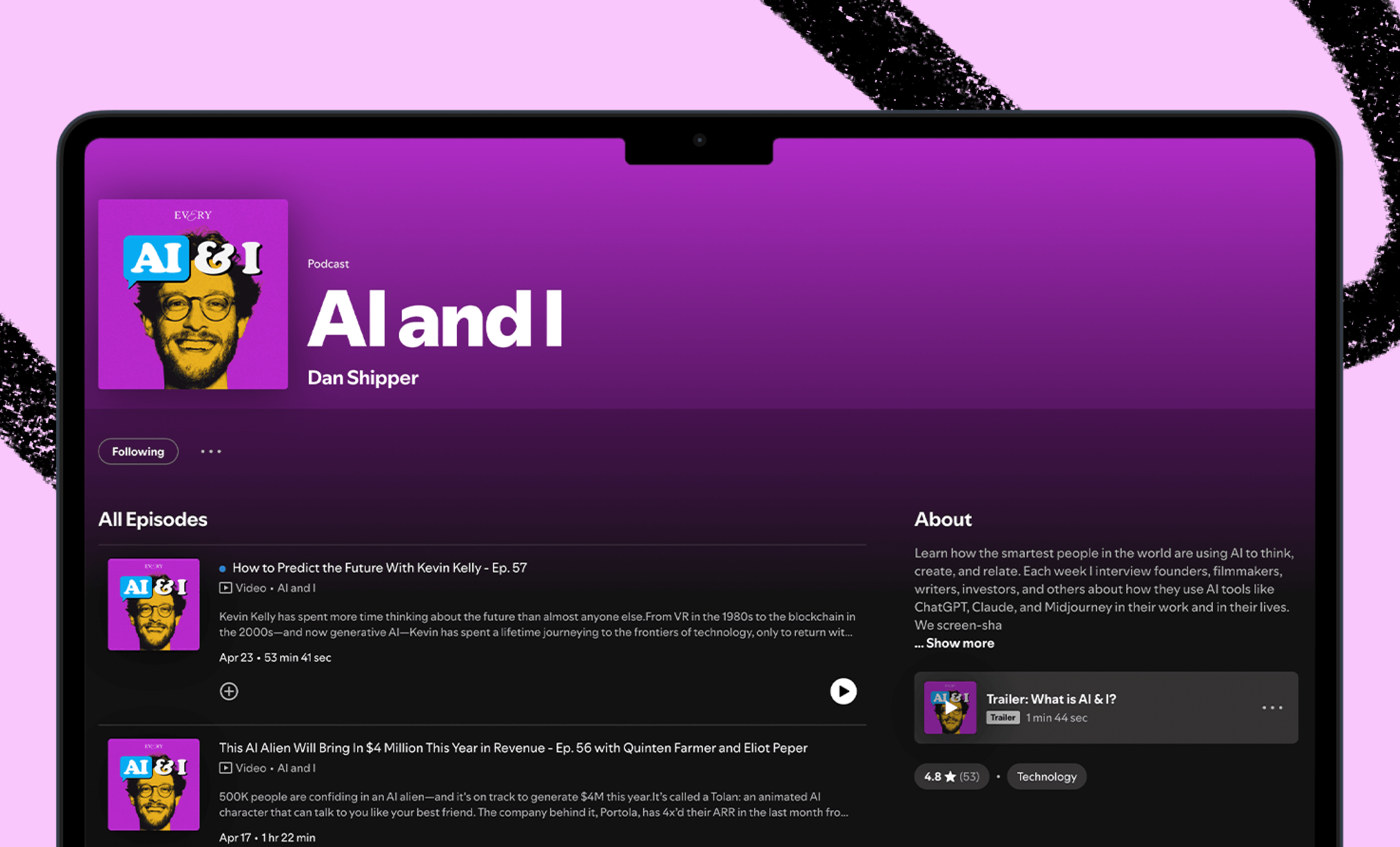
 AI&I Podcast
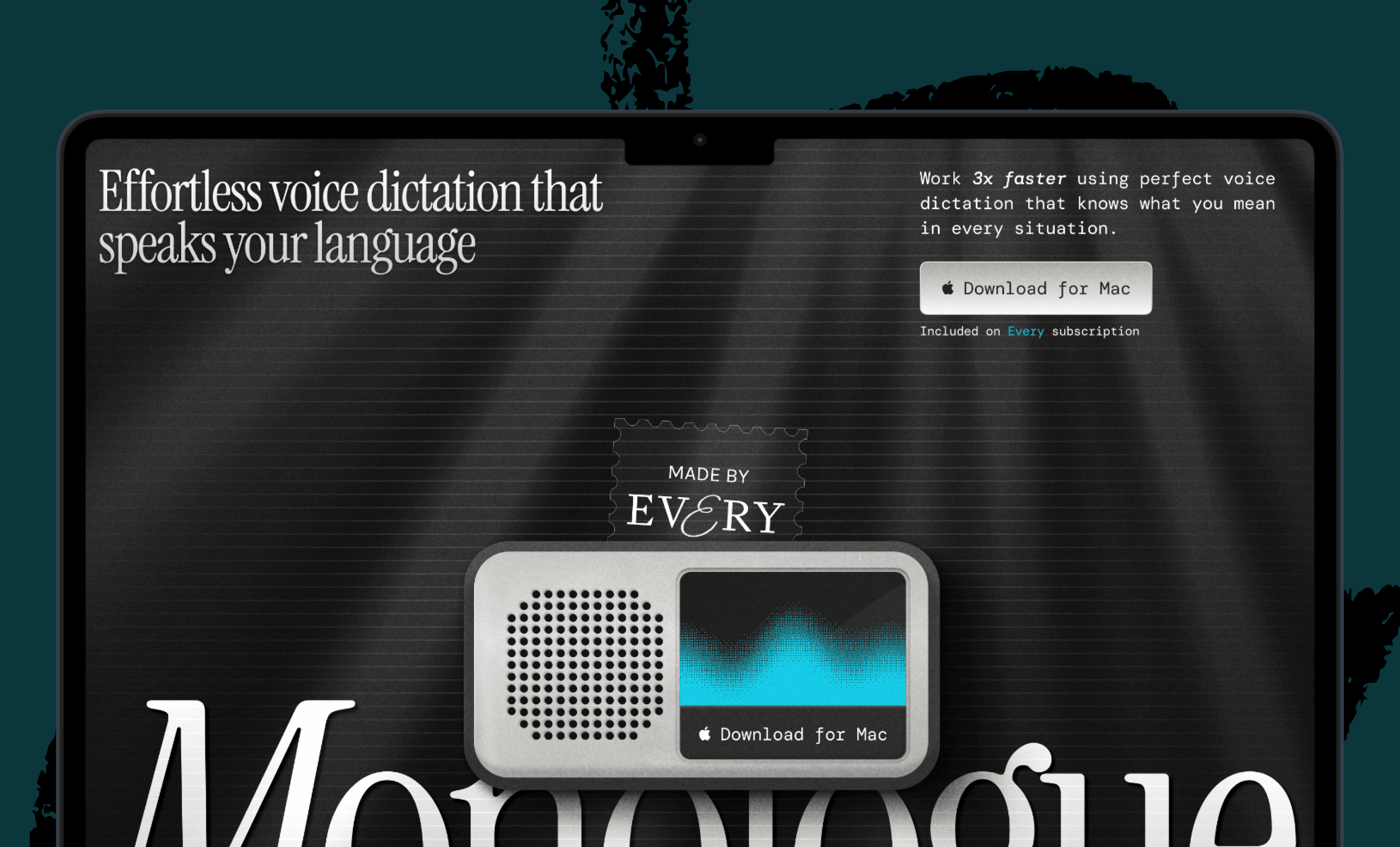
 Monologue
 Every Agent
Join 100,000+ leaders, builders, and innovators

Already have an account? Sign in.
What is included in a subscription?
Daily insights from AI pioneers + early access to powerful AI tools

 Front-row access to the future of AI
 In-depth reviews of new models on release dayPlaybooks and guides for putting AI to workPrompts and use cases for buildersIn-depth reviews of new models on release dayPlaybooks and guides for putting AI to workPrompts and use cases for builders
 Bundle of AI software





 Katie Parrott
 Every Staff
 Kieran Klaassen
Comments