

Jack Cheng is a senior editor at Every. He is a creative generalist and the author of two novels for young readers.
I Hired an AI to Do My Chores. Now I Maintain the AI.
Hiring a personal AI assistant taught me that you can’t automate away upkeep—and that might be a good thing
Mar 17, 2026 · 8 min readUpdated Oct 8, 2026

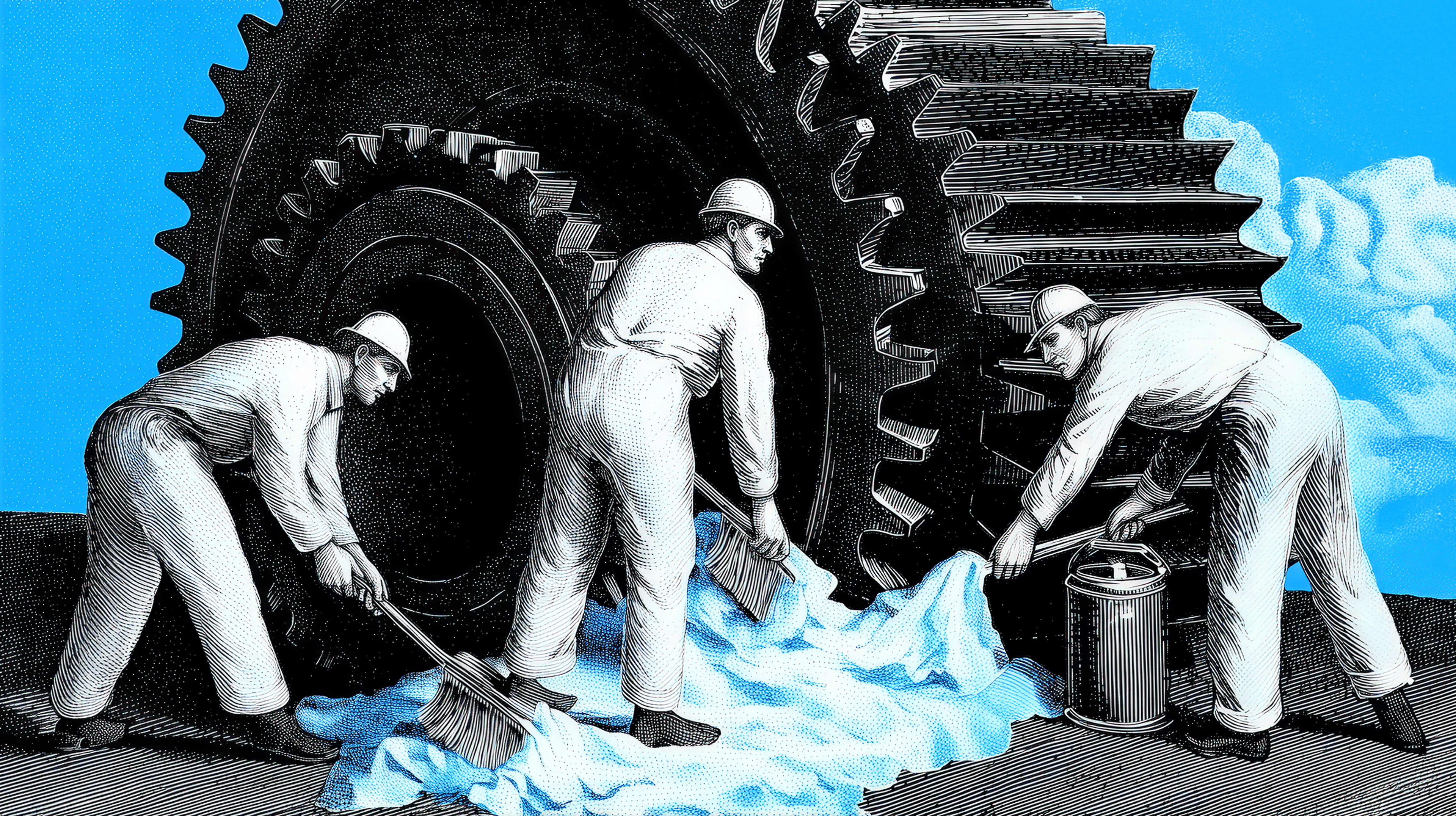
AI agents promise to automate away the tediousness of modern life—the over-billed rental cars, the iCloud storage alerts, the changing of leaked passwords. Jack Cheng, Every’s senior editor, put that promise to the test. But instead of his AI agent maintaining his digital life, he ended up maintaining his AI agent. From there Jack explores Stewart Brand’s philosophy of “nested maintenance,” COBOL Cowboys, and civic technologists watching Claude Code attempt to modernize government benefits systems. Read on for an account of what it means to hand our most tedious obligations to machines—and what we only come to understand about broken systems by struggling with them ourselves.—Kate Lee
Was this newsletter forwarded to you? Sign up to get it in your inbox.
I set up OpenClaw in hopes that it would automate away the petty bureaucracy of modern life.
Maybe a Claw could keep my iCloud storage account from constantly hitting its cap, or go through my over 1,000 different online accounts and change all the passwords that were leaked by hackers onto the dark web. Maybe, I thought, it could even help my family sort out a medical bill we got from an unexpected hospital visit while traveling before we switched from our old health insurance to our current one.
It’s not the first time I’ve tried to tackle this problem. Since 2023, I’ve been hosting what I call a “Digital Mending Circle.” With a small group on Zoom, I tend to the maintenance tasks that accrue around a digital existence. Instead of darning socks or patching jeans, we update personal bios, organize photos, file expense reports, or even just catch up on email.
These activities can feel surprisingly daunting, given how trivial they are in the grander scheme. They involve re-familiarizing yourself with systems you only use occasionally (where’s that page in my WordPress admin panel again?) or facing clean-ups—the 571 items on your desktop, the gigabytes of blurry and duplicate photos across multiple apps—that will just need re-tidying months later. Maybe that’s why we so often neglect them.
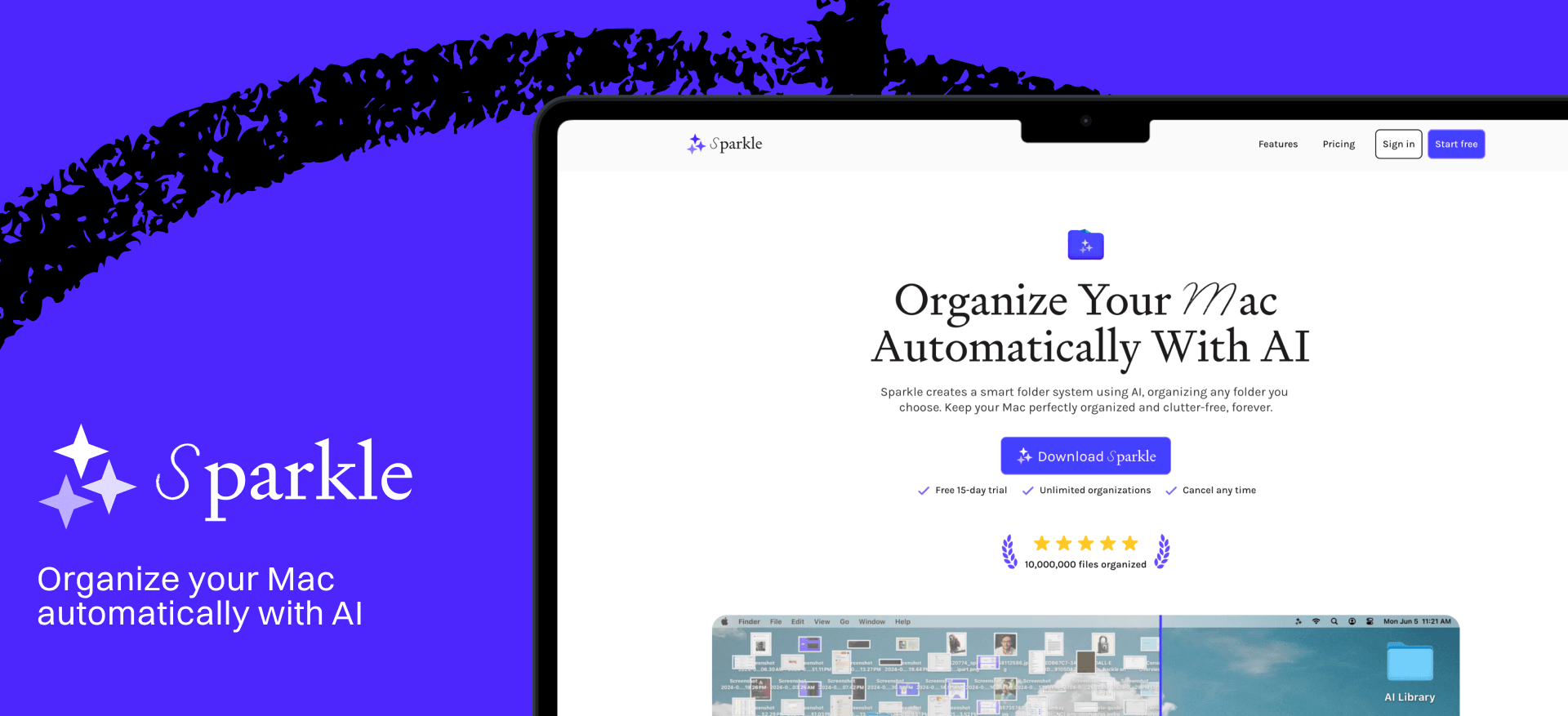
Now, generalist AI tools like Claude Cowork and specialist tools like Sparkle, Every’s AI file organizer, can do many of these tasks for you—and swiftly. They’re chores that Claws, or whatever forms personal AI agents take in the future, could do for you without your ongoing input.
So I’ve been pondering this question: What does maintenance look like when you have AI running your digital life?
Auto-scale AI workloads with ease
Traditional databases struggle with unstructured data, slowing AI workflows. MongoDB natively handles JSON-like, unstructured data, giving you freedom to store, query, and scale diverse datasets—whether text, images, or sensor data—easily and flexibly, without rigid schemas.
The maintenance of everything
“Maintenance is absolutely necessary and maintenance is optional,” says Whole Earth Catalog and Long Now Foundation founder Stewart Brand in Maintenance: Of Everything, Part One. Optional because we can put it off in the moment, necessary because putting it off for too long can lead to disaster.
We learn, in the book, of boats whose maintainability resulted in very different outcomes for three sailors competing to first circumnavigate the globe. We discover how maintenance attitudes in militaries can sway entire wars. Good and poor maintenance can both have profound consequences.
Maintenance is virtuous. But it’s also rarely seen as heroic. If it were, maybe we wouldn’t be so bad at it. Various explanations exist for why we deprioritize maintenance, ranging from cultural values (we prize new invention over care for the existing), psychology and economics (we discount what isn’t immediately gratifying), and social class (we associate many maintenance jobs with minimum-wage work done by marginalized workers).
For me, many of these attitudes are embodied in Pixar’s 2008 animated film about a solitary garbage robot, Wall-E. The cheerfulness with which Wall-E performs his Sisyphean task of collecting and compacting tiny robot-sized cubes of trash makes us care for him. But he doesn’t become a hero until he leaves behind his duties to follow his love interest across the galaxy. At the end, we learn his quest is part of a larger story of failed maintenance—of the earth and its natural systems.
“Nearly everything worth maintaining is nested,” writes Brand, “in something larger, even more worth maintaining.”
Admin nights
For over six years, journalist and author Chris Colin has been hosting in-person gatherings akin to my digital ones. At these “Admin Nights,” Colin and friends gather with their laptops to cancel streaming service subscriptions, file insurance pre-authorization forms, dispute erroneous credit card charges, and, more generally, try to pull themselves out of the morass of maddening tasks that swallow modern life.
In the process, they’ve grown more aware of the sources of that madness, like the rise of subscription models and the breakdown of unions, regulators, and community groups that once shielded us from consumer abuse. Will AI eliminate this administrative friction, or only worsen it?...
Become a paid subscriber to Every to unlock this piece and learn about:
- How maintaining a broken OpenClaw agent was a crash course in AI systems
- Why Claude Code wiped 13 percent off IBM’s stock, and what it could mean for millions who receive government benefits
- What a Pixar garbage robot reveals about handing your life’s administration to a machine
Thanks to our Sponsor: MongoDB
Auto-scale AI workloads with ease
Traditional databases struggle with unstructured data, slowing AI workflows. MongoDB natively handles JSON-like, unstructured data, giving you freedom to store, query, and scale diverse datasets—whether text, images, or sensor data—easily and flexibly, without rigid schemas.
 Create a free account to continue reading
The Only Subscription
You Need to
Stay at the
Edge of AI
The essential toolkit for those shaping the future

"This might be the best value you
can get from an AI subscription."
- Jay S.
 Every Content
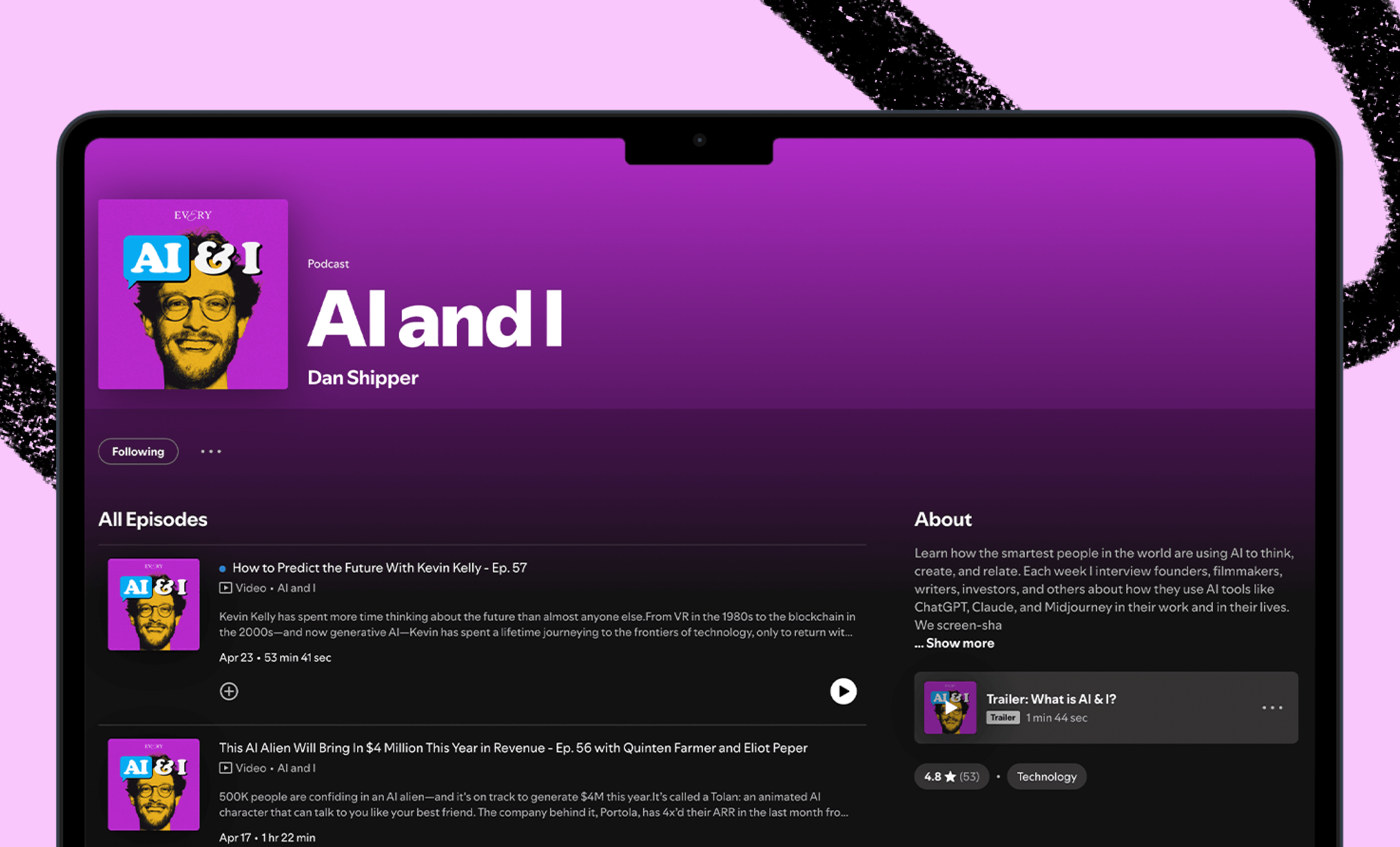
 AI&I Podcast
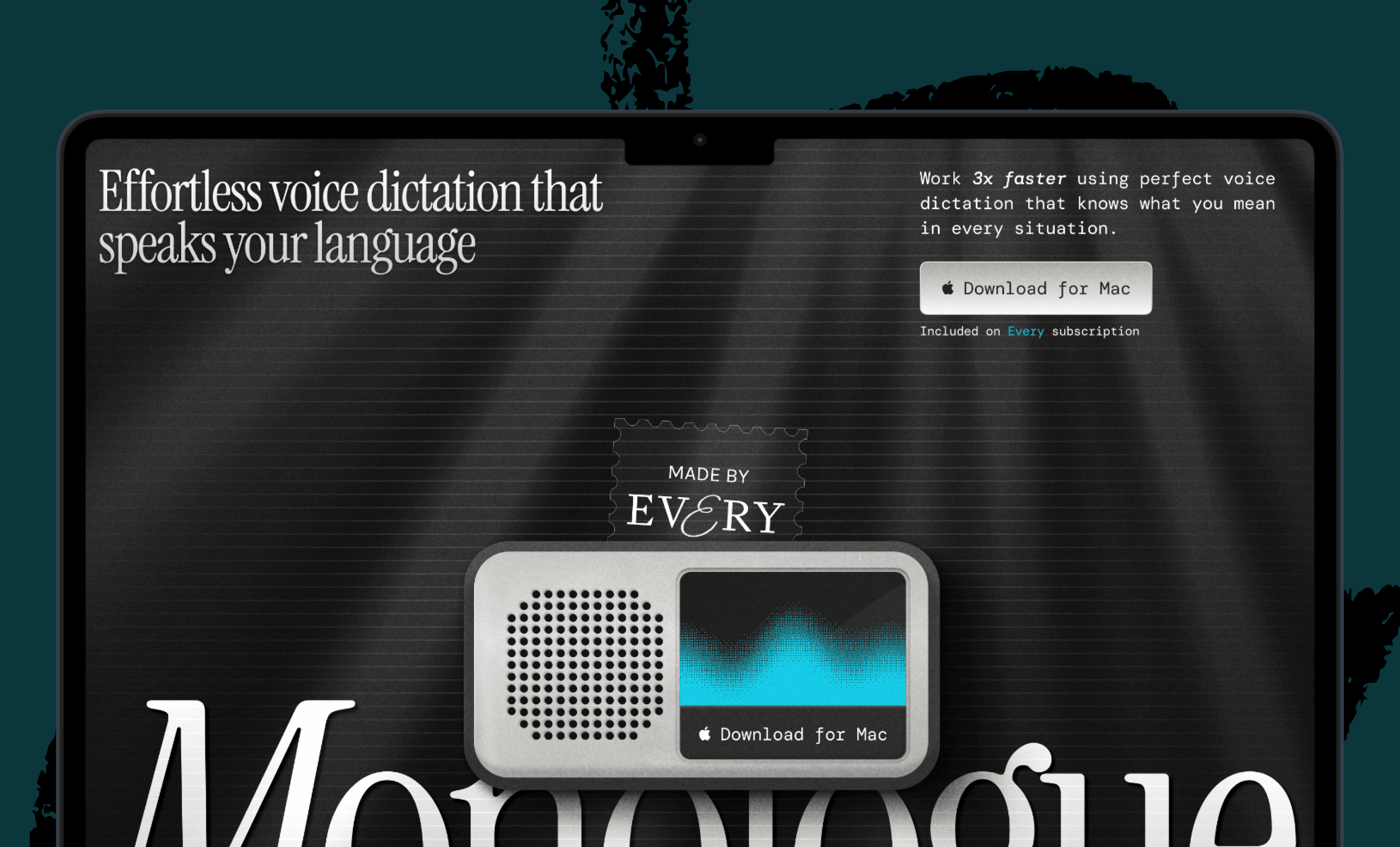
 Monologue
 Every Agent
Join 100,000+ leaders, builders, and innovators

Already have an account? Sign in.
What is included in a subscription?
Daily insights from AI pioneers + early access to powerful AI tools
 Front-row access to the future of AI
 In-depth reviews of new models on release dayPlaybooks and guides for putting AI to workPrompts and use cases for buildersIn-depth reviews of new models on release dayPlaybooks and guides for putting AI to workPrompts and use cases for builders
 Bundle of AI software



 Katie Parrott
 Every Staff
 Kieran Klaassen
Comments