
.23.16_AM.png&w=3840&q=75)

Aleena Vigoda is a self-taught software creator exploring the social dynamics of consumer apps.
DIY Apps Are the New Myspace
Forget social media. We’re building social software.
Mar 24, 2025 · 11 min readUpdated Jun 26, 2026

Remember when your Myspace profile was a canvas for your digital self-expression? That feature—the ability to customize your page with HTML and CSS—started with a coding error. In an amazing example of “what’s old is new again,” Aleena Vigoda finds that the same dynamic that led MySpace to once burn so brightly is now powering an explosion of niche, personalized apps fueled by the current wave of AI software creation.
Plus: On Wednesday, March 26, Dan Shipper and Company Ventures partner Matthew Harrigan will kick off a year-long series, AI Review, with a talk by Google’s Steven Johnson, the editorial director of NotebookLM, in New York City. Learn more and register to attend.—Kate Lee
Was this newsletter forwarded to you? Sign up to get it in your inbox.
What made Myspace such a vibe? A coding error.
Myspace—one of the internet’s first third spaces—spawned out of the L.A. indie music scene in the early 2000s. Replete with different ways to establish your online presence, including sharing videos, writing blog posts, and uploading audio, the platform was a kitchen sink of social features.
But what made Myspace really sticky was that you could stylize your profile down to the very code, using custom HTML/CSS to personalize what you shared along with how it looked on your page.
These user-generated markups weren’t originally supposed to be part of the platform’s core functionality. There’d been a lapse in engineering (wo)manpower at the time, and the team forgot to block users from adding their own backgrounds and designs. Overnight, users started exploiting the leak, changing wallpaper colors and uploading “hearts and glitter and smiley faces the same way that [they would] decorate their lockers and book bags,” CNET staffer Zachary McAuliffe wrote in a 2022 Myspace retrospective.
“I even remember adding a cartoon dog named Lightning to my page that visitors could interact with by giving the pooch virtual treats.”
After seeing how much fun people were having with custom code, Myspace decided to run with it, turning the DIY experience from a bug (and security breach) into a feature.
“Users come first, and this is what they want” is a direct quote from one of the company’s then-vice presidents. Could you imagine any Meta executive saying that today?
Myspace let users decorate—and showcase—their digital habitats, adorning their profiles with personalized HTML/CSS. It wasn’t the easiest thing to do, but the learning curve was part of the fun: People liked that they had to teach themselves to code to shape their in-app experience. People were proud of the work they put into designing their digital aesthetic.
People were so proud, in fact, that tutorials and how-to guides became part of the platform’s culture. Sharing and remixing templates became a social feature—a channel for connection and engagement. These user behaviors nurtured a sense of loyalty, enthusiasm, and kinship across the app.
As Facebook rose to power, though, Myspace scrambled to stay relevant. What was profitable—consumption, paid for by advertisers—simply didn’t work on a social platform that catered to customization and creation. Ads made an endearingly chaotic social canvas feel cluttered and impersonal, while Facebook’s streamlined algorithms nurtured our burgeoning, collective addiction to the infinite scroll.
Today, ads are a tiresomely tried-and-true business model, and consumption has become a finite resource. With every social platform competing to colonize our attention span, feature parity has become less about delivering the most value for your users, and more about prioritizing channels that manipulate engagement to inflate likes, scrolls, and shares. Profit maximization has taken precedent over user experience—but those ad-based revenue streams are becoming increasingly saturated.
Meanwhile, creator/developer tools (e.g., Canva and Figma for designers; Framer for website builders; Lovable for full-stack coders; Glif for AI app builders) have built devoted communities of target users who contribute custom-made goods—whether templates, plugins, or full-stack apps—to on-platform marketplaces. These digital spaces have figured out how to pair the sentiment of people being proud of what they make with a place to distribute and sell their creations—while cycling a cut of that revenue back into their own platform economies.
Generative AI makes software easier to build than ever—democratizing the apps we exist on and, more importantly, the revenue structures that drive them. Instead of optimizing for network effects and building for features that scale, a new generation of software makers is taking inspiration from long-tail content creators and cultivating hyper-personalized software for tightly-knit, niche audiences. Community is central to the success of these businesses—it’s the MySpace effect, reborn.
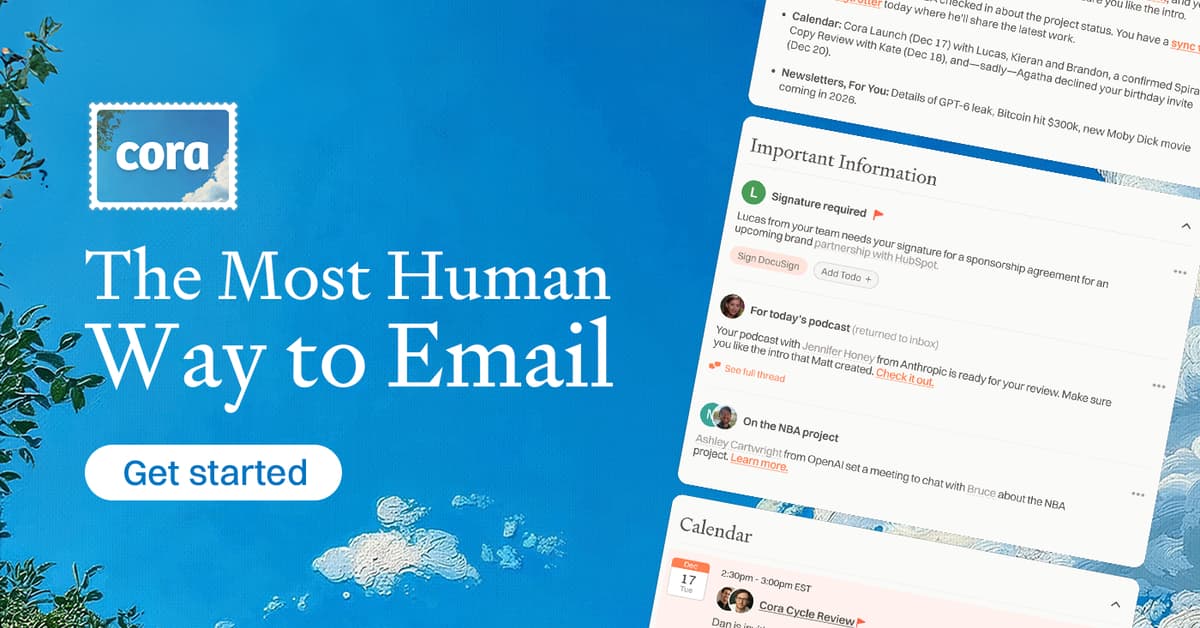
Make email your superpower
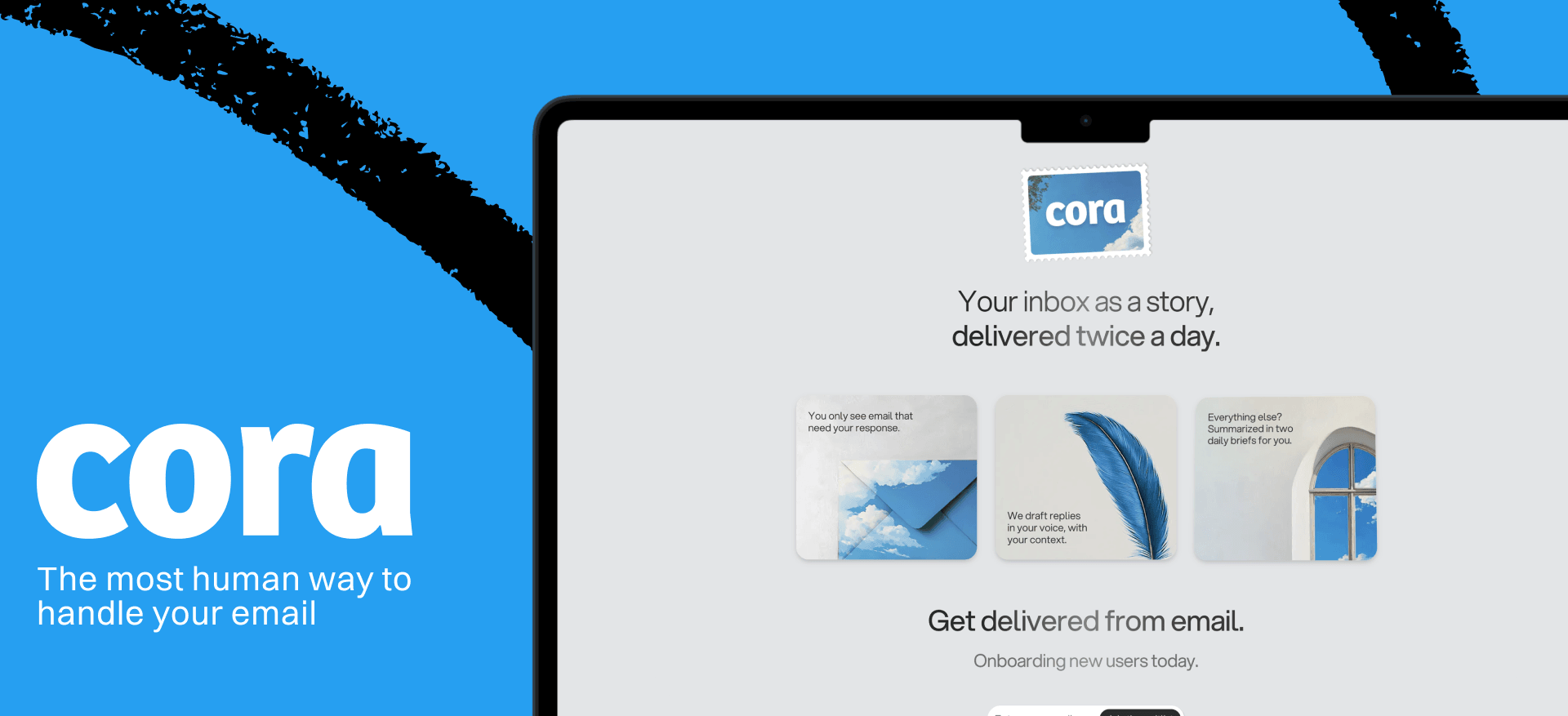
Not all emails are created equal—so why does our inbox treat them all the same? Cora is the most human way to email, turning your inbox into a story so you can focus on what matters and getting stuff done instead of on managing your inbox. Cora drafts responses to emails you need to respond to and briefs the rest.
Come for the app, stay for the scene
The rise of centralized social platforms like X and Facebook that keep and own our social data has left many people longing for smaller, quieter, intimate third spaces that offer a reprieve from saturated algorithms.
Become a paid subscriber to Every to unlock this piece and learn about:
- Why people are gravitating toward small developer-user communities
- How today's tools-for-thought apps replicate personalization-driven loyalty
- How creator-led business models challenge traditional venture-backed approaches
 Create a free account to continue reading
The Only Subscription
You Need to
Stay at the
Edge of AI
The essential toolkit for those shaping the future

"This might be the best value you
can get from an AI subscription."
- Jay S.
 Every Content
 AI&I Podcast
 Monologue
 Every Agent
Join 100,000+ leaders, builders, and innovators

Already have an account? Sign in.
What is included in a subscription?
Daily insights from AI pioneers + early access to powerful AI tools
 Front-row access to the future of AI
 In-depth reviews of new models on release dayPlaybooks and guides for putting AI to workPrompts and use cases for buildersIn-depth reviews of new models on release dayPlaybooks and guides for putting AI to workPrompts and use cases for builders
 Bundle of AI software


 Katie Parrott
 Every Staff
 Kieran Klaassen
Comments