


Dan Shipper is the CEO and cofounder of Every. Every week he explores the frontiers of AI in his column, Chain of Thought, and on his podcast, ‘The Every Podcast’.

What Does Human Work Look Like After Automation?
100 thinkers and builders call their shot on the future of great human work with AI
Aug 18, 2026 · 3 min readUpdated Sep 15, 2026

Was this newsletter forwarded to you? Sign up to get it in your inbox.
When intelligence is abundant and much of today’s execution can be automated, how will humans spend their time at work? What skills will matter? What kinds of companies will we build? Where will we find meaning, status, and purpose?
These are the most important questions of our time, and the places we usually turn for answers don’t have them yet.
But there’s a small group of people who do: The humans who are living with frontier models day in and day out, and applying them to their work and lives.
That has been our method at Every since the GPT-3 days, when it was not yet clear that LLMs were anything more than stochastic parrots. Over the years, we’ve argued that AI would let one person do work that once required a team, that knowledge workers would become managers of models, and that automation would paradoxically create more work for human experts.
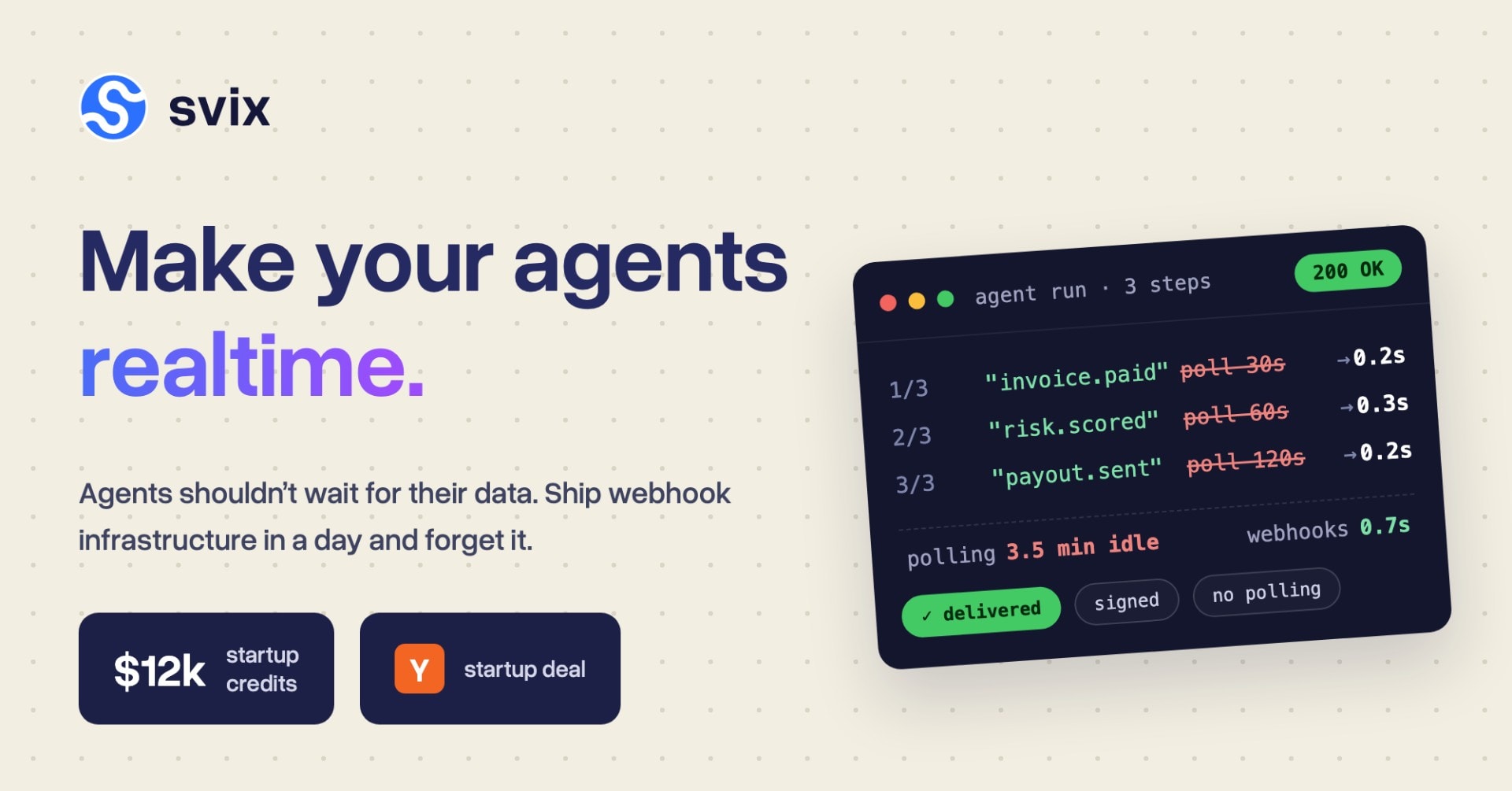
Build agent workflows that actually scale
Agents are killing your apps as latency compounds across workflows. Your customers want efficient agent workflows, so you’re losing deals if you don’t make them event-driven. Webhooks solve this, but implementing them is harder than it looks.
If you homebrewed your webhooks and get pinged at four in the morning for failed deliveries, this is for you. Svix handles retries, idempotency, security, and compliance. Qualified startups get $12,000 in credits—$50,000 if you’re a YC company.
 Create a free account to continue reading
The Only Subscription
You Need to
Stay at the
Edge of AI
The essential toolkit for those shaping the future

"This might be the best value you
can get from an AI subscription."
- Jay S.
 Every Content
 AI&I Podcast
 Monologue
 Every Agent
Join 100,000+ leaders, builders, and innovators

Already have an account? Sign in.
What is included in a subscription?
Daily insights from AI pioneers + early access to powerful AI tools



 Front-row access to the future of AI
 In-depth reviews of new models on release dayPlaybooks and guides for putting AI to workPrompts and use cases for buildersIn-depth reviews of new models on release dayPlaybooks and guides for putting AI to workPrompts and use cases for builders
 Bundle of AI software






 Katie Parrott
 Every Staff
 Kieran Klaassen
Comments