A proactive agent, by turns flashy and frustrating
Anthropic's new model is a more capable partner than Sonnet 5, so long as you keep a hand on the wheel and know when to call in Opus
Plus: How to tell which model fits your work, writing well with AI, and why evals are in every job listing
Can Microsoft make workplace agents useful at scale?
Plus: Where we stand on Grok 4.7, a workflow for going viral on social media, and why every company needs a Slack agent
Why the classification model is blowing up your timeline, how to turn subjective questions into Jev checks, and the dawn of intent-based software
A look inside Mike Taylor’s writing workflow—and the work he still does himself
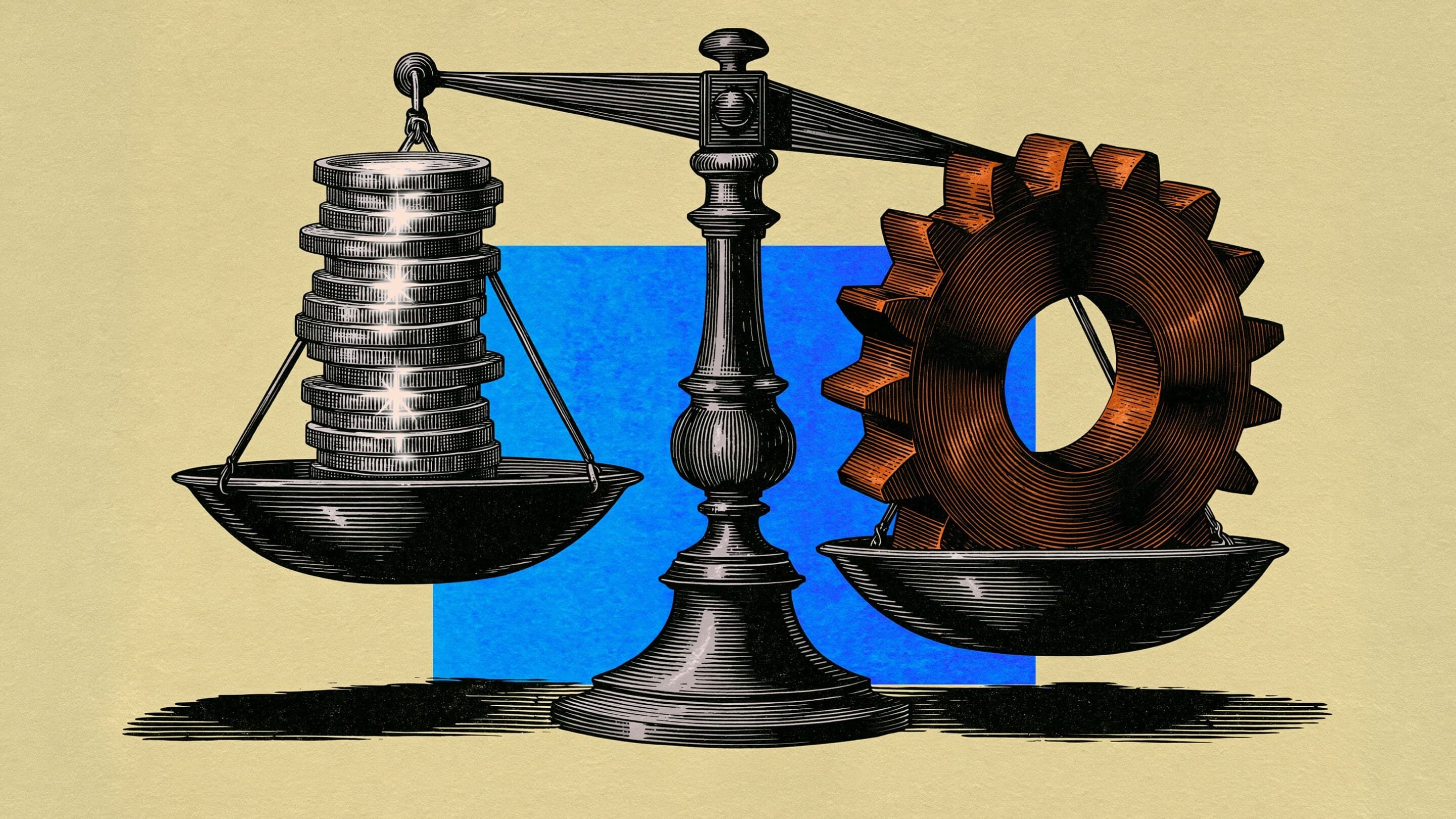
Two models, one clear tradeoff
Fable-level power at roughly 60 percent less than Fable’s token price makes Opus 5.5 impossible to ignore
Choose the best model for the work you do
Plus: A creative studio puts Astra to work on visual effects, 13 beliefs about writing with AI, and a Vibe Check of a new kind of model
A professional creative studio puts GPT-6 to the test
When expensive experimentation is worth it and when to rein in your tokenmaxxing
Plus: 13 beliefs about writing with AI, and an antivirus for the AI age
How I went from ‘this is slop’ to work I’m willing to publish under my name
Its new model turns fuzzy questions into probabilities fast and cheaply enough to check an AI agent’s work as it goes
Plus: Mike's vibe check of a model that answers in probabilities; the computer chores our agents do for us now; and a workflow for making a solid deck with AI
AI can turn work into play—and distract me from the work I need to do. Here’s how I’m learning to bring something back from those detours.
Maggie Appleton and Kevin Roose on AI, personal benchmarks, and the Navier–Stokes proof
Usage limits give my best questions—and my more questionable ideas—time to develop
We use analytics and advertising tools by default. You can update this anytime.
Manage optional tracking categories. Necessary cookies stay on so the site can function.


 Dan Shipper

 Katie Parrott
 Every Staff
 Ryan Sloan

 Laura Entis

 Mike Taylor




 Cyrus Duff





 Jack Cheng