





It’s been one week since OpenAI’s last big release, GPT 5.5. Today, we ask the team if they still feel as enthusiastic about the model, discuss the unusual career step that unicorn CTOs are making, and tell you exactly how Kieran Klaasseen, creator of the AI-native compound engineering methodology, hit a personal PR record in a day.—Laura Entis
Signal
The unicorn CTO-to-Anthropic IC pipeline
The prestige career ladder in tech used to run one way: Start as an engineer, become a manager, and eventually join the C-suite. AI has scrambled the equation. The new flex is quitting a high-profile chief technology officer job to become an individual contributor at Anthropic.
What happened: Six former CTOs at companies valued north of $1 billion—including Instagram, Workday, and Box—have made that exact career move, according to one of those CTOs on X. And the leadership-back-to-IC trajectory isn’t unique to Anthropic: PostHog is recruiting technical ex-founders, and Ramp says it has attracted 70 ex-founders by looking for “super ICs.”
Why it matters: AI has upended engineering workflows so dramatically that many managers who don’t ship code frequently anymore don’t have a clear sense of how their teams are using these new tools or which ways of working are the best. Anthropic’s models, talent, and growth trajectory make it one of the few places big-name CTOs can get their hands dirty and experience how engineering is changing—while not worrying too much about a pay cut.
Pulse check
We settle in with GPT-5.5
GPT-5.5 came out last week, and our first impression was that it was a faster, steadier, and easier-to-trust model for everyday professional work than Opus 4.7. A week later, we’re still bullish on GPT-5.5—but for people with Claude-specific agent workflows, skills, and tool integrations, making the switch to Codex is a barrier.
Cora general manager Kieran Klaassen, who initially didn’t think he’d use GPT-5.5 as a daily driver, has changed his mind. What won him over? GPT-5.5’s speed and “workhorse” ability to follow clear directions. GPT-5.5 isn’t perfect—it’s worse at multitasking and planning than Opus 4.7—but his work is now evenly split between Codex and Claude Code.
Every head of growth Austin Tedesco thinks GPT-5.5 is enough of a step change that he’s been telling friends to make the switch from Claude Code to Codex. They mostly don’t want to hear it. Austin says the response has been, “That feels like a lot of work; ‘do I really have to? Is it that much better?’”
Every’s consulting team is wrestling with the same dilemma. They have a good thing going with their Claude agent, Claudie, and migrating to GPT-5.5 in Codex requires time and testing. Head of consulting Natalia Quintero had GPT-5.5 and Claudie draft head-to-head sales proposals; Claudie’s won handily. Getting the most out of GPT-5.5 will likely require that the team optimizes Claude plugins for Codex.
Every head of tech consulting Mike Taylor doesn’t have the time to do that right now. He has gripes with Opus—it recently messed up some PowerPoints—but, “I already have my Claude set up the way I like it, and there are some things that are different about Codex,” he says. When work dies down a little, he’ll experiment, but until then, he’s sticking with the devil he knows.
 Create a free account to continue reading
The Only Subscription
You Need to
Stay at the
Edge of AI
The essential toolkit for those shaping the future

"This might be the best value you
can get from an AI subscription."
- Jay S.
 Every Content
 AI&I Podcast
 Monologue
 Cora
Cora
 Sparkle
 Spiral
Join 100,000+ leaders, builders, and innovators

Email address

Already have an account? Sign in
What is included in a subscription?
Daily insights from AI pioneers + early access to powerful AI tools
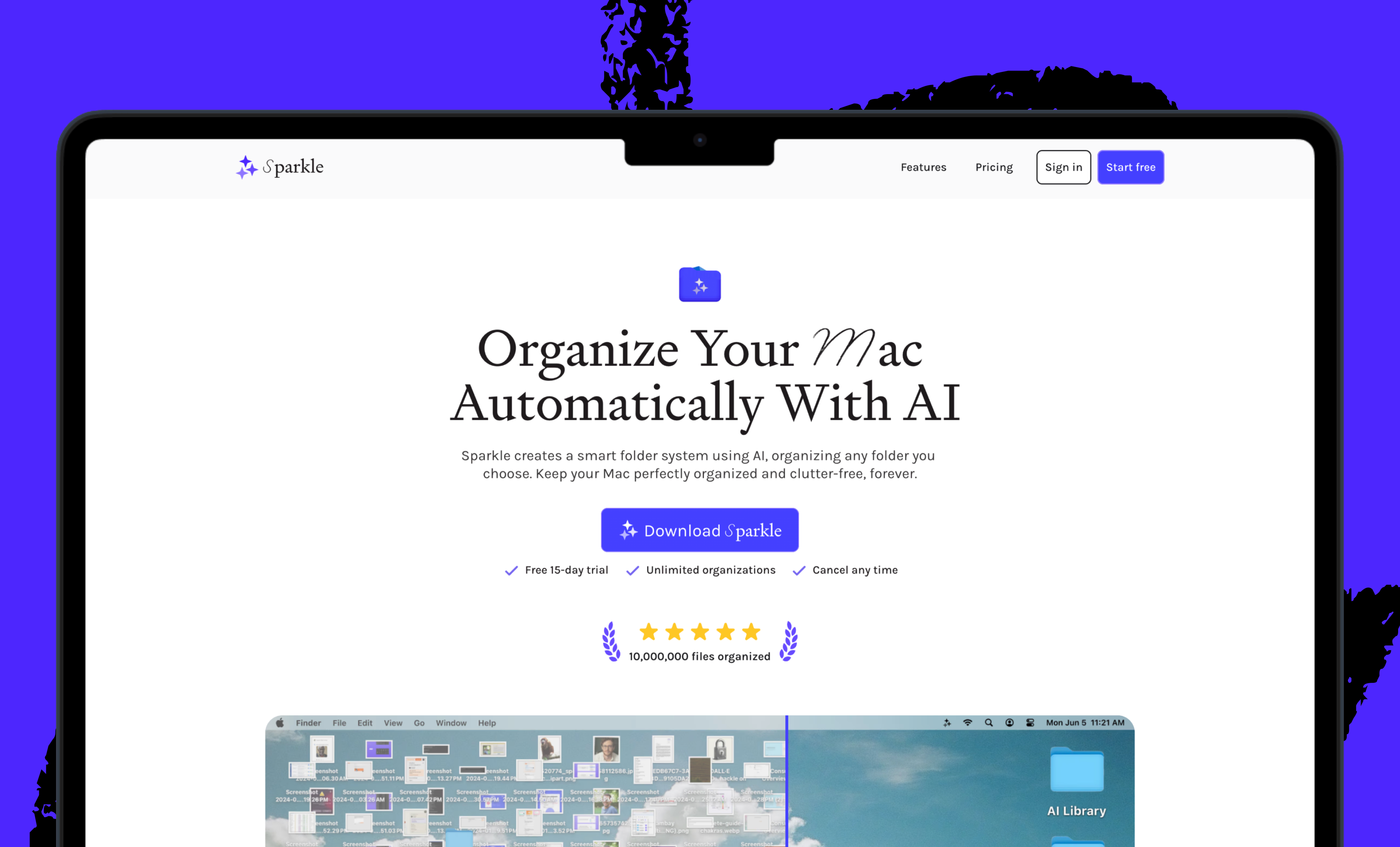
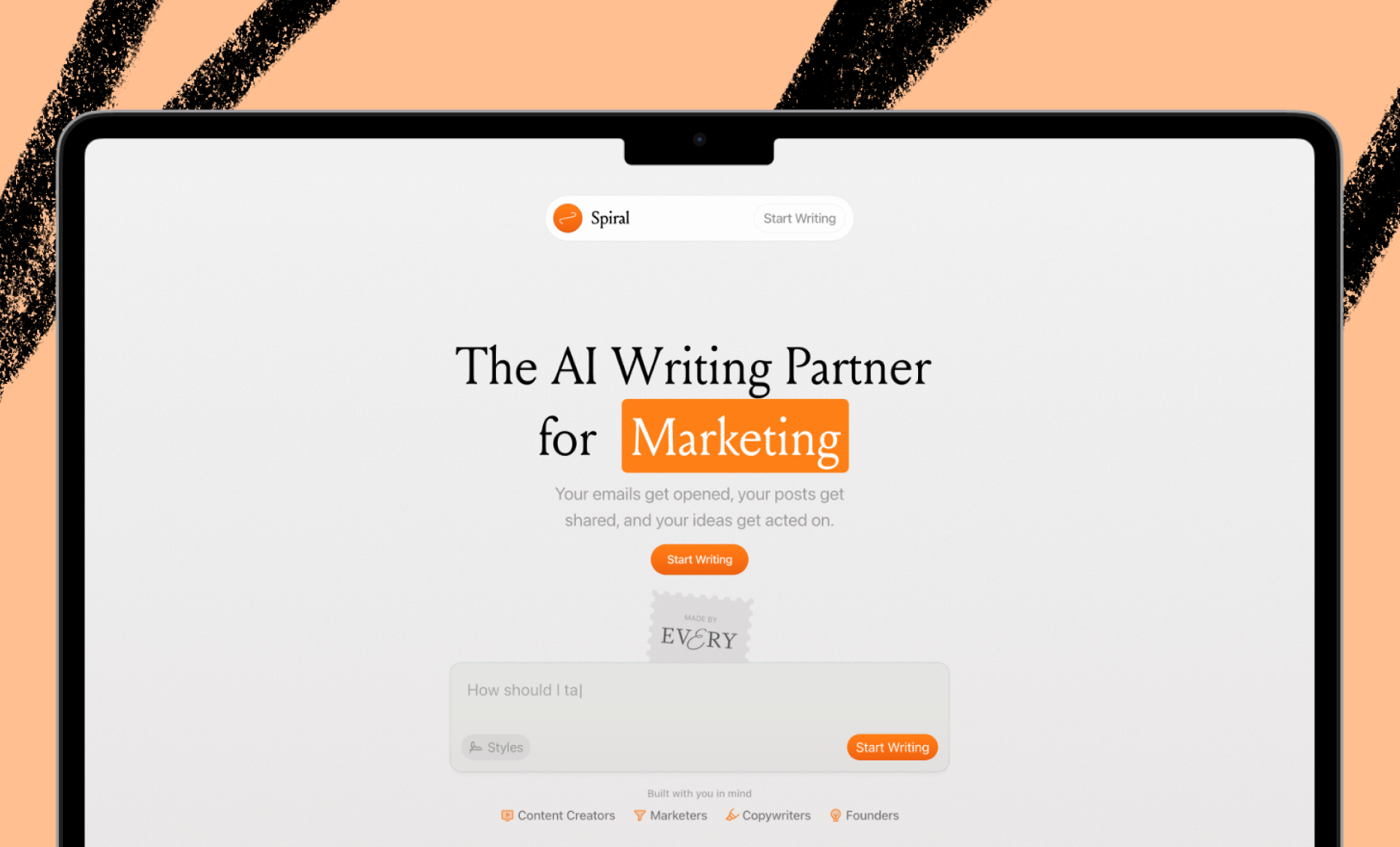
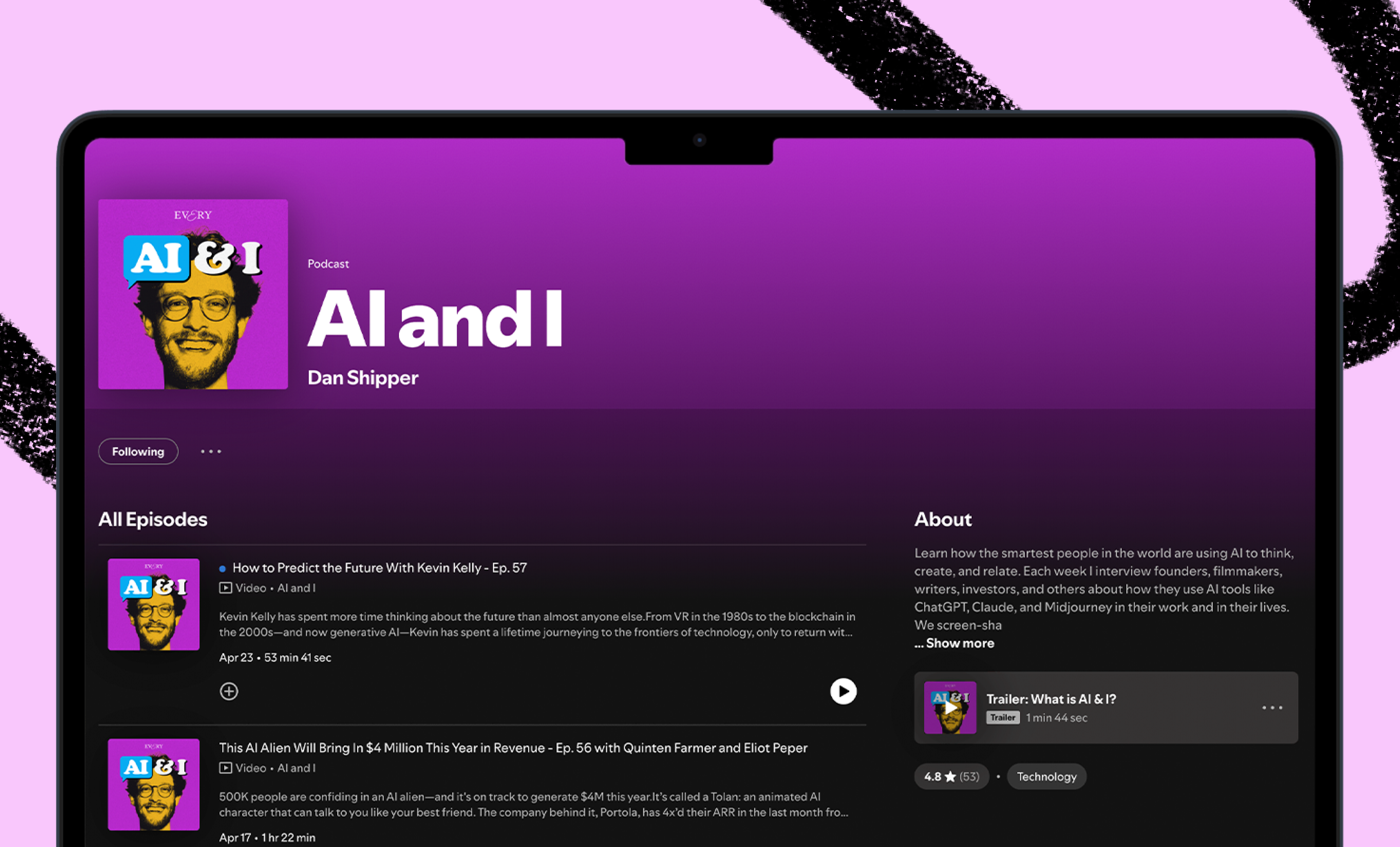
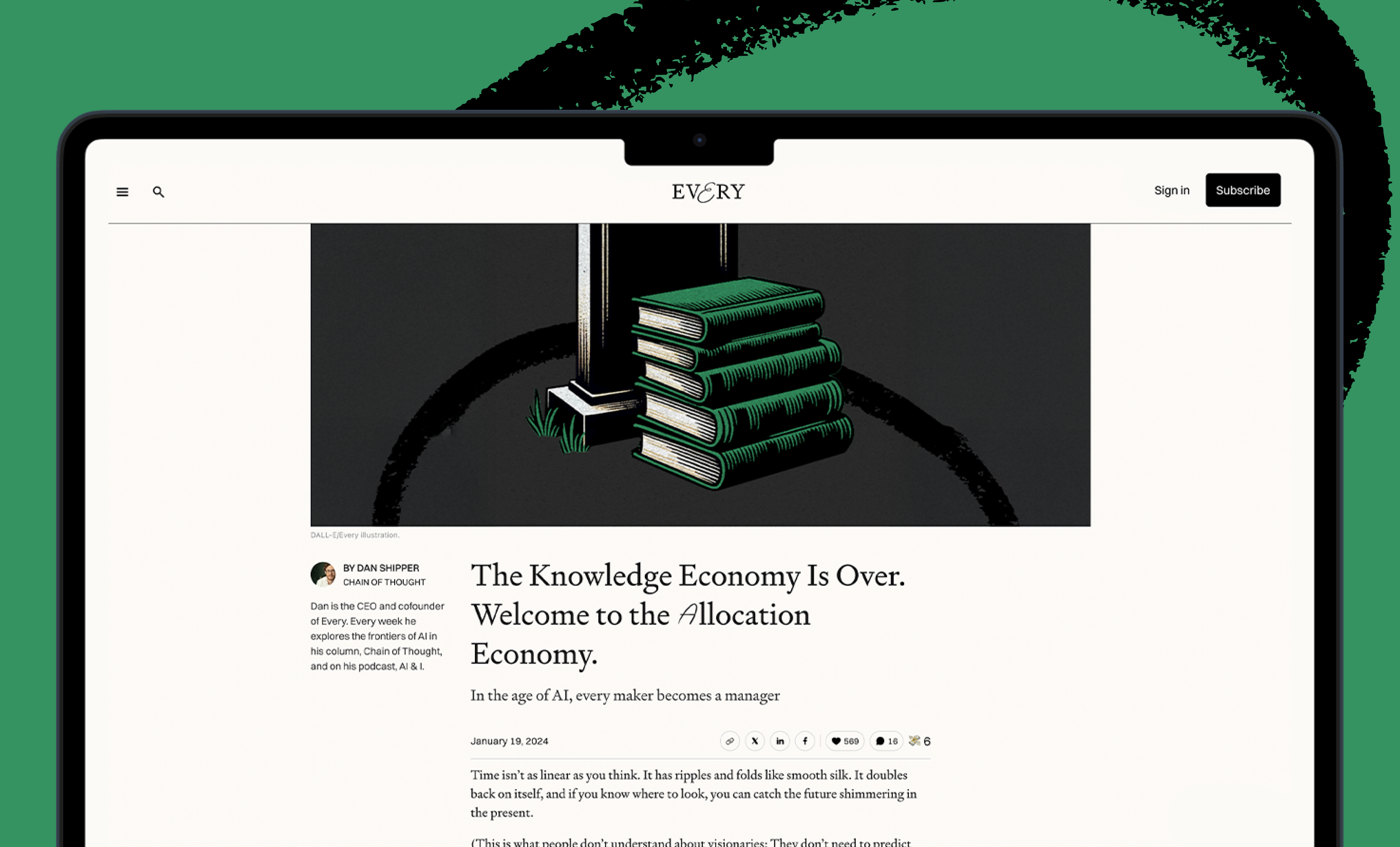


 Front-row access to the future of AI
 In-depth reviews of new models on release day
Playbooks and guides for putting AI to work
Prompts and use cases for builders
In-depth reviews of new models on release day
Playbooks and guides for putting AI to work
Prompts and use cases for builders
In-depth reviews of new models on release day
Playbooks and guides for putting AI to work
Prompts and use cases for builders
In-depth reviews of new models on release day
Playbooks and guides for putting AI to work
Prompts and use cases for builders
 Bundle of AI software





 Every Staff
.png)
 Vivian Meng
.05.38_PM.png)
 Alex Duffy
 Reviews of new AI models on release day
Comments
Don't have an account? Sign up!