

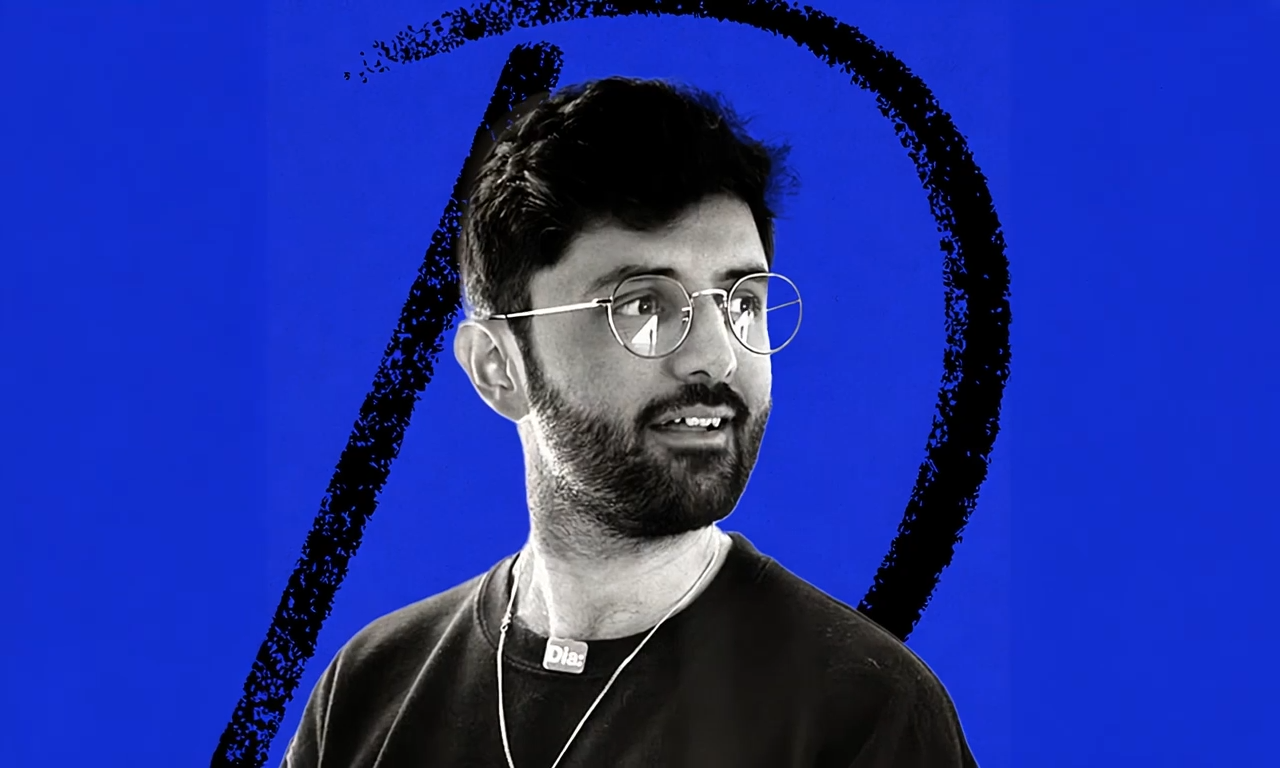
Danny Aziz is the general manager of Spiral. He has led engineering teams at startups across the U.S. and Europe, and previously was the founding engineer of workplace app General Collaboration.

I Left My Job to Run an AI Wrapper at Every
What it took to bet on myself—and why I think it will pay off
Nov 26, 2024 · 10 min readUpdated Jan 28, 2026

Today we launched v2 of Spiral, our tool to help you automate your repetitive creative work. In this edition of Source Code, our column about the inner workings of Every Studio, Spiral general manager Danny Aziz recounts his entrepreneurship journey from a childhood tinkering with technology in the UK to an established engineering career in New York—and then to taking the leap to Every.—Brandon Gell
Was this newsletter forwarded to you? Sign up to get it in your inbox.
Two months ago, I chose chaos over comfort: I left behind a $200,000-plus salary at a well-regarded startup, and a decade's worth of hard-won professional pride, to build an AI wrapper at a bootstrapped media company.
The decision to build an AI wrapper might seem counterintuitive. After all, aren't there already countless AI tools flooding the market? But that's exactly what makes it compelling. Despite the AI hype cycle, real adoption is still in its infancy. Most people have only scratched the surface, maybe asking ChatGPT for a joke or two. The opportunity to help people actually integrate AI into their daily workflows, to solve real inefficiencies in their writing process, feels wide open. It’s an opportunity that, one way or another, I’ve been looking for for a long time.
I had a feeling about the kind of feedback I’d get from my family when I told them the news:
“You're going to struggle to find a job.”
“You're going to struggle to find a wife.”
These were the concerns I'd first heard from my family at age 17, when I chose not to go to university (aka college). My mum was the first in her family to pursue higher education, and my family were immigrants to the UK, with a typical immigrant’s respect for the value of security. All they wanted was what any family wants—for me to live a secure and happy life.
I had already felt that I had disappointed them once when I didn't go to college. Ten years later, I was doubling down, once again choosing the road less traveled—and this time the stakes felt higher. I’d built a comfortable life. As a founding engineer at an exciting startup, I had everything I thought I wanted: a generous salary, the freedom to travel the world, and a home in what I consider to be the greatest city on Earth. The questions keeping me up at night weren't about finding a job, but about leaving one. Could I afford to start over? To be a beginner again?
This decision felt different than deciding not to go to college. It wasn’t a rejection of what I’d built—it was a bet on what I could create next.
Every builder has their origin story—a moment when they chose uncertainty over stability, creation over preservation. Mine began with a gnawing sense that the paths I had been following, while lucrative and respectable, were no longer fulfilling. I wasn’t chasing a paycheck anymore; I was chasing purpose.
Sponsored by: Every
Get the whole package
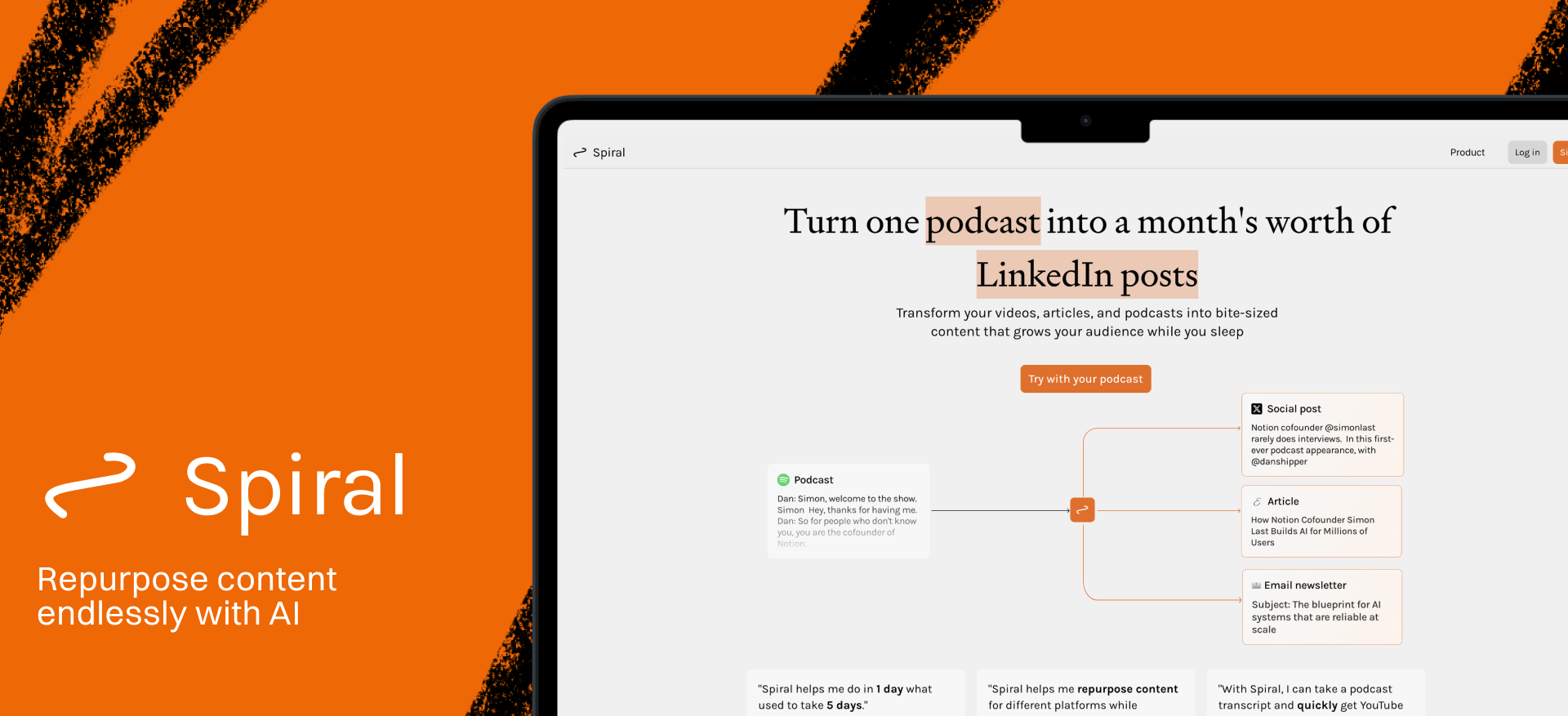
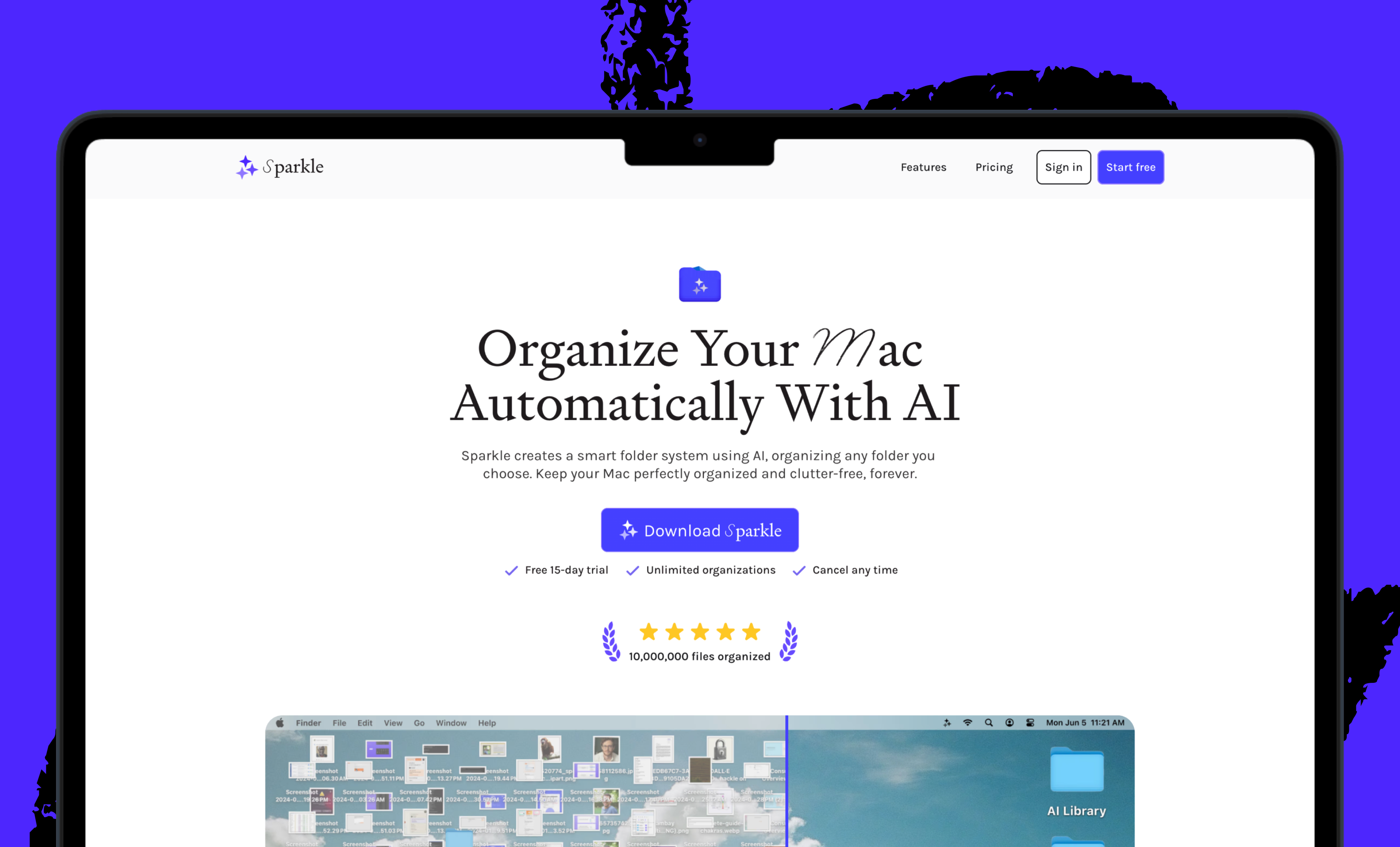
We write, and then we build. If you’re a fan of Every's writing, you’ll probably like the products we’ve made to make thinkers more efficient: Spiral to automate repeat writing tasks, Lex to help you write better, and Sparkle to clean up your desktop—for good. With our last discount of the year, we're offering the whole package of writing and software for 33% off.
The seeds of curiosity
I’ve always been a tinkerer. When I was a teenager, I spent my afternoons jailbreaking iPods for my classmates for £20 a pop. What started as a way to explore the limits of technology turned into my first taste of entrepreneurship. I wasn’t just playing around; I was solving problems and finding ways to make things better—or at least more interesting.
That curiosity followed me into programming. I wanted to learn how things worked and, eventually, how to create things myself. By 16, I was building websites for local businesses, and I learned about a lot more than just code—like how to navigate client expectations, decode vague requests like "make it good," and handle the delicate art of pricing my work. As a teenager dealing with business owners for the first time, I had to quickly master the subtle language of professional relationships. These weren't just technical projects; they were crash courses in entrepreneurship.
Around that time, I learned that a student from a neighboring school had sold his startup to Yahoo for $30 million. It was an eye-opening piece of news: There was this whole world of startups and tech entrepreneurship that I'd never known about. The fact that someone my age, just five minutes away, could build and sell a company showed me what was possible.
That possibility was enough for me to skip the traditional university route. At 17, a friend and I dove headfirst into building products, though reality quickly proved humbling. Our teenage attempts at startups—a booking app for barber shops, a search engine for clips inside YouTube, multiple Chrome extensions for making browsing Twitter easier—were exactly what you'd expect: ambitious, messy, and ultimately educational failures.
Realizing we needed more than just enthusiasm, I spent the next decade honing my craft. Through a mix of full-time jobs, freelance work, and countless side projects, I built up the technical and business knowledge I'd missed by bypassing formal education, eventually leading engineering teams that spanned continents.
Over time, I developed a knack for automating the boring stuff. At one startup, I built so many dashboards and automations that my coworkers nicknamed me "Dashboard Danny." I was shocked by how inefficient internal processes could be and loved creating tools to streamline workflows.
But despite a decade of honing my technical craft, that entrepreneurial itch never went away. I was spending so much time and effort building other people’s visions that I’d never found the space to fully test my own ideas.
Escaping the golden handcuffs
The excuses were easy to find: My life had all the trappings of success I'd dreamed of as a teenager. My work funded adventures around the world, fancy dinners in cities I'd only seen in movies, and—as a child of an immigrant—the financial security I had never experienced growing up. Walking away from that felt like madness.
The stakes got even higher when I moved to New York (where I met my wife). My visa tied me to a single employer, adding a golden handcuff to my collection of comfortable constraints. One wrong move could unravel not just my lifestyle, but my entire life in the U.S.
But beneath these external barriers lay a deeper, more personal fear: Was I enough? Despite a decade of proving myself in tech, that nagging voice persisted. Without the traditional credentials—no computer science degree or Ivy League network—would I be taken seriously as a founder? I'd spent years building a reputation that helped others look past my unconventional background. Starting over meant putting that hard-won credibility on the line, exposing myself to the same doubts I'd worked so hard to silence.
Success had become its own kind of trap. The higher I climbed, the more I felt myself being squeezed into an increasingly narrow box. I was transitioning into management, or else being brought in for specific projects that needed the skills I had spent a decade building. Either way, my time was deemed "too valuable" to spend on user research, marketing, or growth—yet it was precisely these uncharted territories that energized me most. I had this deep-seated conviction, perhaps foolish, that I could do these things not just well, but better than others. Instead, I found myself standing on someone else's ladder, climbing toward a summit I wasn't sure I wanted to reach.
The final push came from an unexpected source: my own words. Looking back through a decade of journal entries, I saw a pattern:
“I feel this inner resistance.”
“I'm afraid that in the end I'll look back and realise [sic] that I haven't achieved what I originally set out to do.”
“I want to take a bet on myself. If not now, when?”
Despite all the external markers of success, that same burning desire to build something of my own had never dimmed. It had only grown stronger.
The promise of Spiral
Become a paid subscriber to Every to unlock this piece and learn about:
- Building within an established brand's ecosystem
- The power of building for users rather than investors
- Trading comfort for chaos in pursuit of creation
 Create a free account to continue reading
The Only Subscription
You Need to
Stay at the
Edge of AI
The essential toolkit for those shaping the future

"This might be the best value you
can get from an AI subscription."
- Jay S.
 Every Content
 AI&I Podcast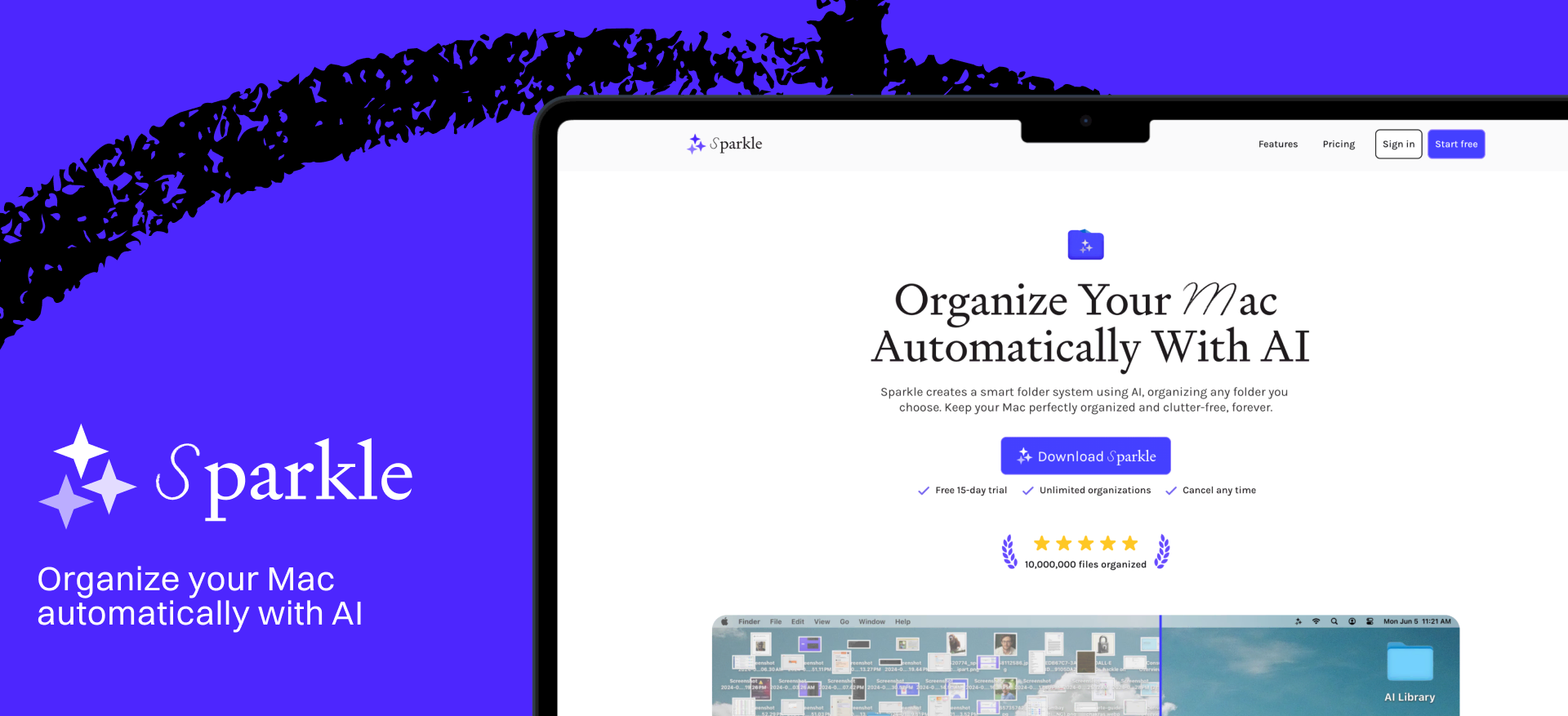


 Katie Parrott
 Every Staff












 Kieran Klaassen
Comments