



AI Isn't Your God—But It Might Be Your Intern
Make the most of AI by lowering your expectations
Dec 3, 2024Updated May 15, 2026

Was this newsletter forwarded to you? Sign up to get it in your inbox.
We've been told that AI will either save or destroy humanity…yet here we are watching LLMs hallucinate, image generators struggle to draw realistic human hands, and AI coding agents get stuck in loops without supervision.
This gap—the one between the promise of AI and the present reality—isn’t about AI progress slowing down. It’s a product of how we’re fundamentally misunderstanding the technology.
We’ve cast AI in the role of a God-like entity, when we should be thinking of it more like an intern: an intern who is linguistically capable, sometimes makes decisions in ways we don’t quite understand, and perhaps most importantly—if we put in the time to work with them—has the potential to surprise us.
Why we’re disillusioned by AI
When Ingenuity, NASA’s autonomous helicopter that operated on Mars from 2021 to 2024, took its last flight, the team behind it recorded a video to bid the craft farewell, with one of them describing it as “a plucky little helicopter that just defied everybody's expectations.” According to the first line on its Wikipedia page, the helicopter even had a nickname, Ginny. Humans have a somewhat irrational tendency to anthropomorphize technology—even the most scientifically oriented of us.
AI has lent itself to being portrayed in science fiction as an overlord, benevolent at times and terrifying at others. It has the reputation of being an intangible, all-knowing, mysterious “thing”—a reputation that broadly fits many people’s perception of God, or other similar higher power they have faith in. I think we’ve come to believe this heightened narrative around AI because:
- LLMs have the ability to speak and understand natural language, and we intuitively recognize language as a sign of intelligence.
- The inner workings of AI models are a black box, and we don’t fully grasp the complexities of how they function.
These blind spots in our thinking breed irrationally high expectations of AI—and an inevitable feeling of being underwhelmed by it. Understanding them more deeply brings us closer to the truth, so we can set realistic expectations of AI and develop more productive ways of working with the technology.
FetchFoxAI
Scrape just about anything with AI
What used to take hours with traditional scraping can now be done in seconds with FetchFox—the AI-powered web scraper that takes the raw text of a website, and uses AI to extract data you’re looking for.
Describe your desired data in plain English and watch FetchFox quickly get to work. It can help with things like building a list of leads, assembling research data, or scoping out a market segment.
Fetchfox is available as both a web app and Chrome extension. No coding required. 🙅♂️ Ready to try it for yourself?
Language as a sign of cognition
Become a paid subscriber to Every to unlock this piece and learn about:
- The deceptive relationship between language and intelligence
- Understanding AI's limitations through the intern metaphor
- The value of intentional human-AI collaboration
 Create a free account to continue reading
The Only Subscription
You Need to
Stay at the
Edge of AI
The essential toolkit for those shaping the future

"This might be the best value you
can get from an AI subscription."
- Jay S.
 Every Content
 AI&I Podcast
 Monologue
 Cora
Cora Sparkle
 Spiral
Join 100,000+ leaders, builders, and innovators

Email address

Already have an account? Sign in.
What is included in a subscription?
Daily insights from AI pioneers + early access to powerful AI tools
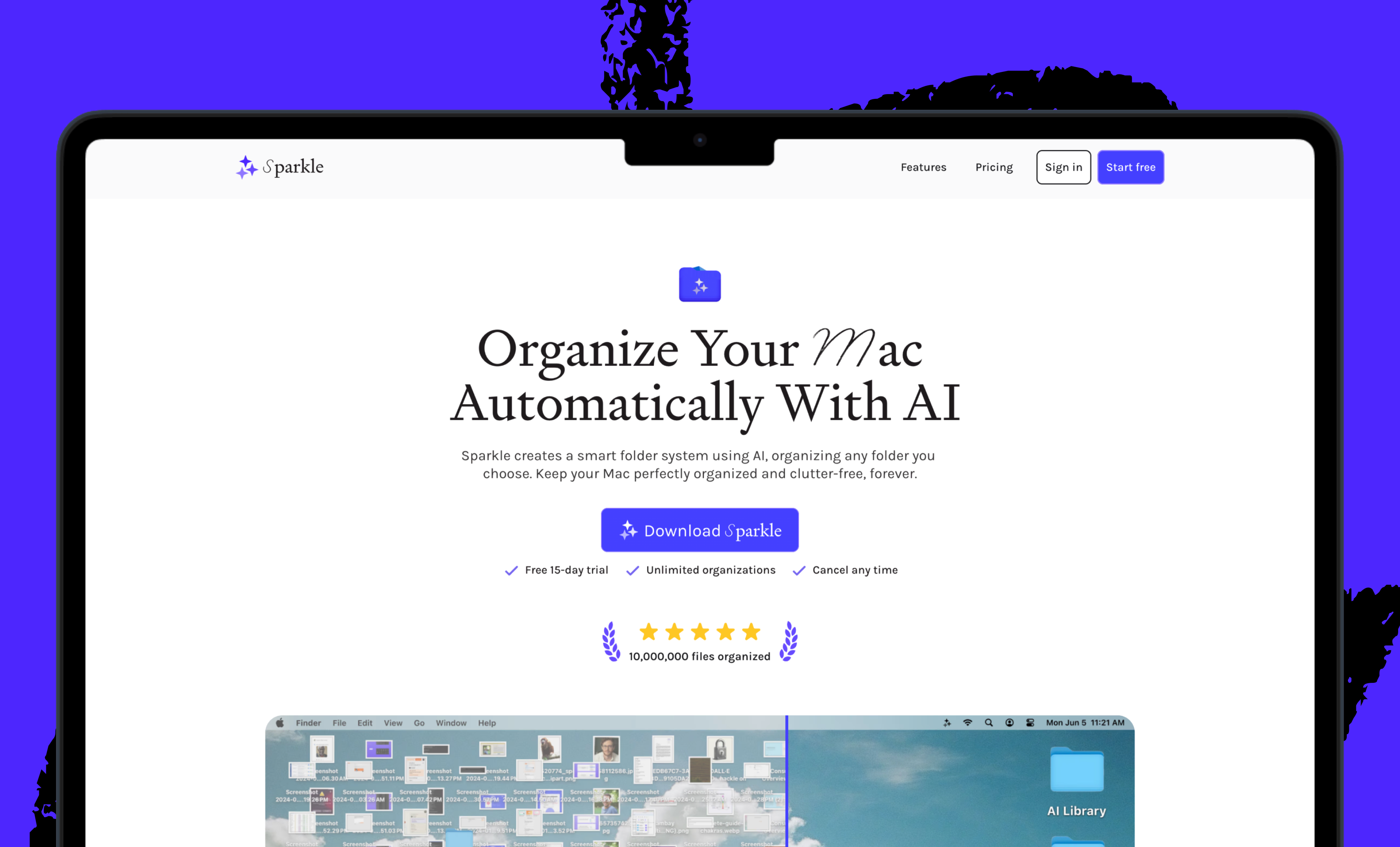

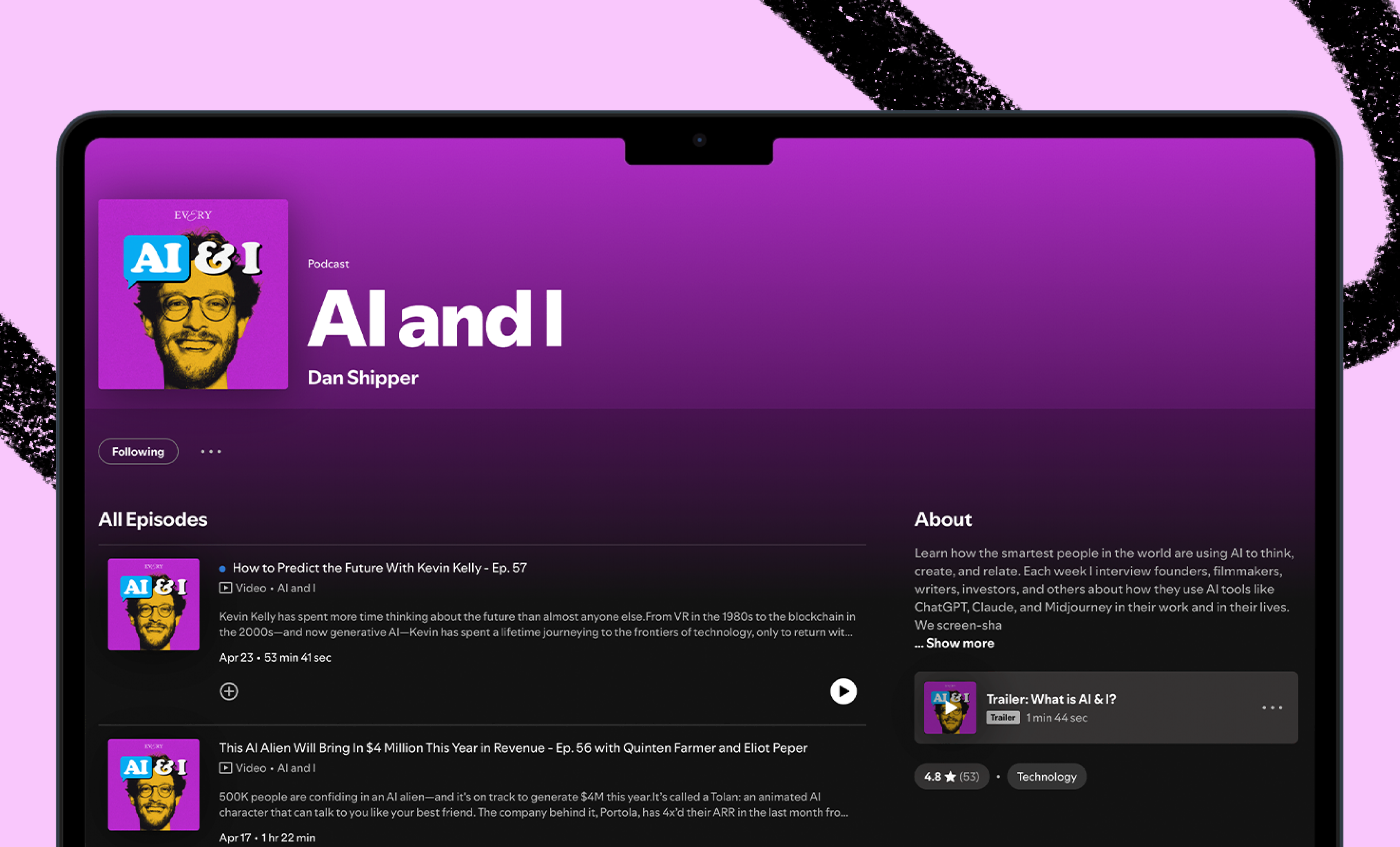

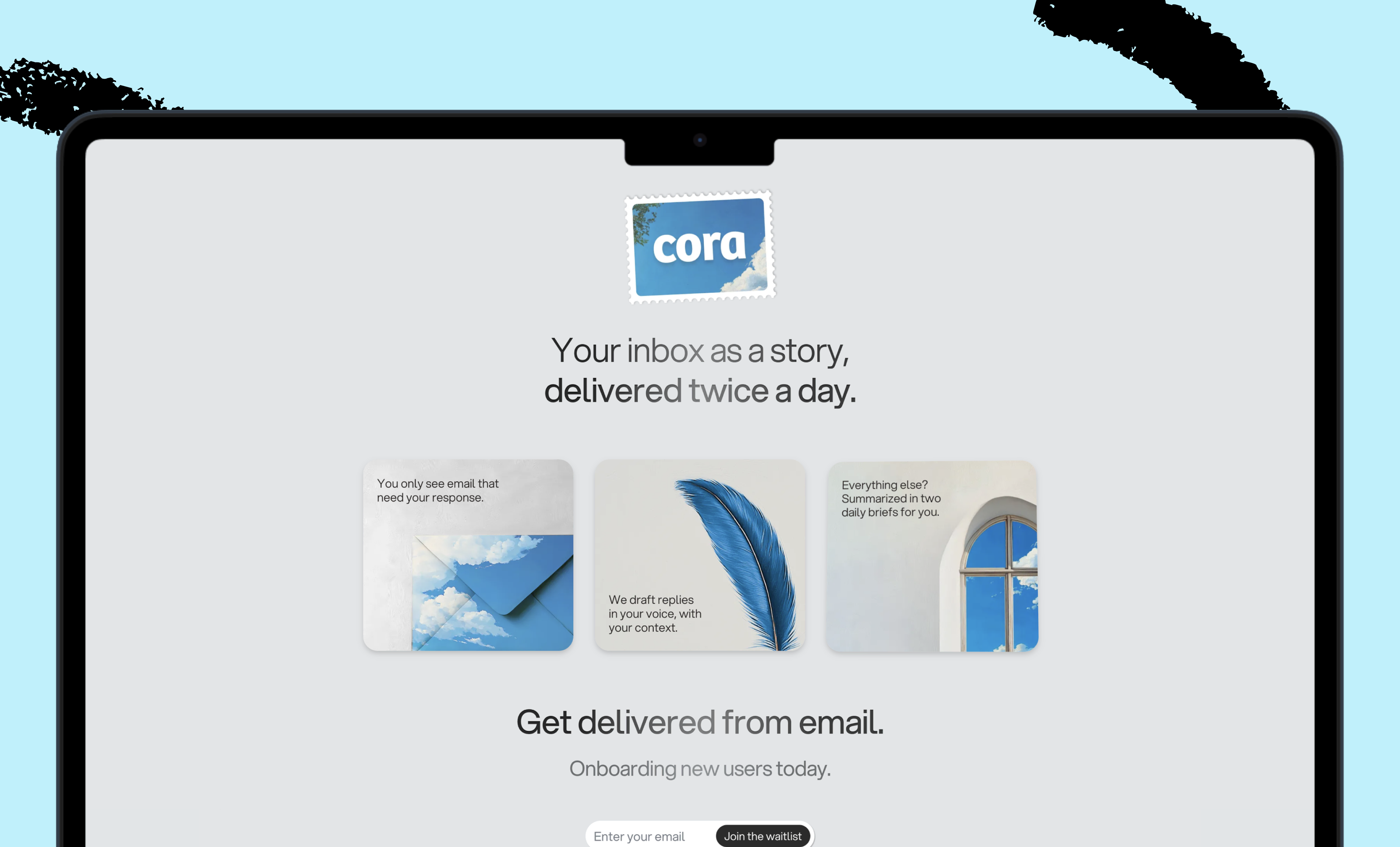
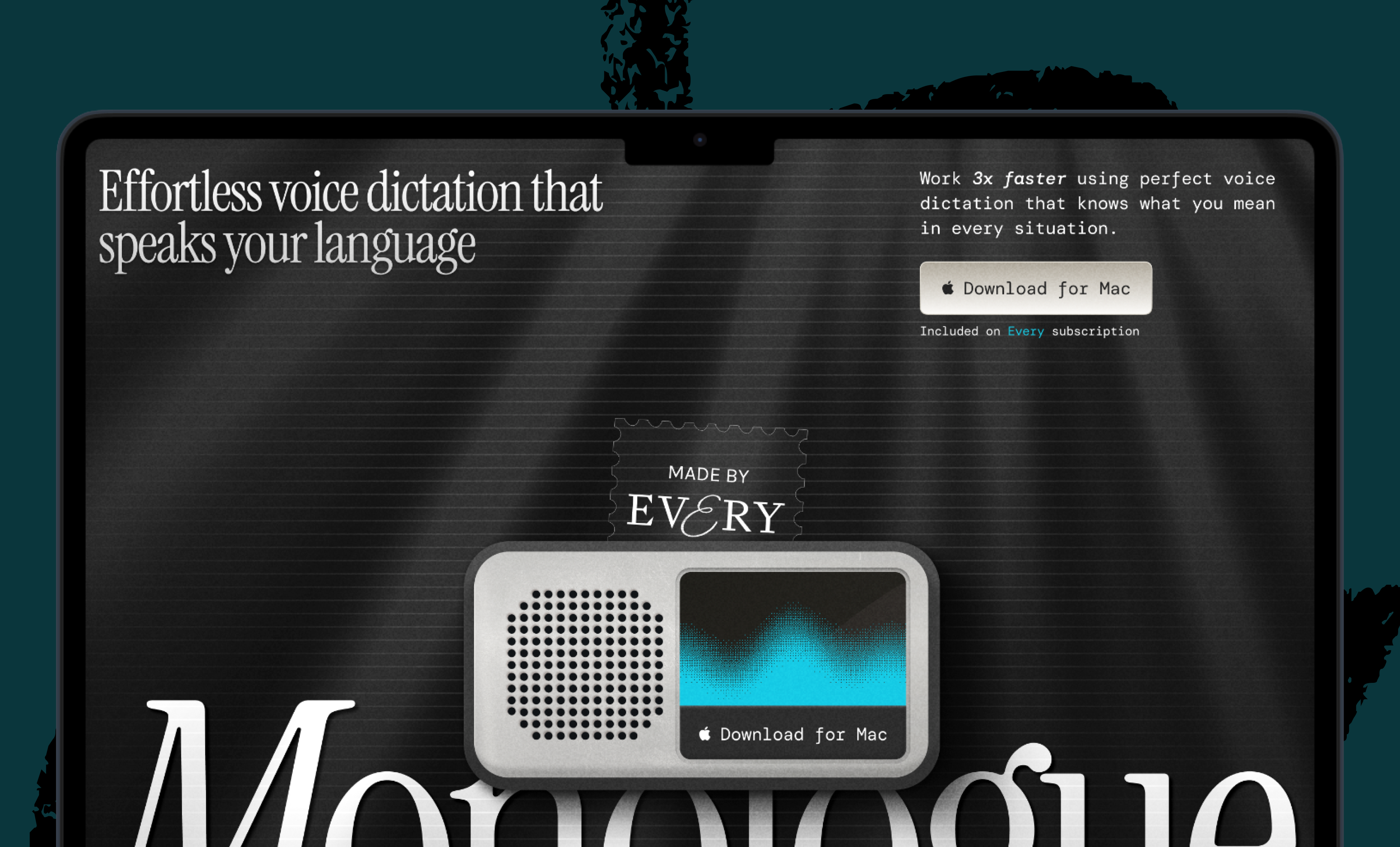
 Front-row access to the future of AI
 In-depth reviews of new models on release dayPlaybooks and guides for putting AI to workPrompts and use cases for buildersIn-depth reviews of new models on release dayPlaybooks and guides for putting AI to workPrompts and use cases for builders
 Bundle of AI software





 Rhea Purohit
Comments
Don't have an account? Sign up!