
.png&w=3840&q=75)

Alex Duffy is the cofounder and CEO of Good Start Labs, and a contributing writer.
To Improve LLMs, Coach Them Like Athletes in an Arena
Games will teach you more about model capabilities than benchmarks ever could
Aug 15, 2025 · 6 min readUpdated Sep 29, 2026

Was this newsletter forwarded to you? Sign up to get it in your inbox.
This week I and several colleagues published our findings about how, with a little elbow grease and creativity, anyone can dramatically increase performance of any LLM.
The secret is in coaching. Allow me to explain.
The reason an athlete can credibly claim to be “best in the world” is because arenas and structured competition—games—exist. There are rules, clocks, standings, and tape you can study. The AI world has benchmarks—but benchmarks only check facts. Games reveal a model’s behavior, which can be recorded and studied to help models get better. That is what we did with AI Diplomacy, a project in which we turned the classic strategy game Diplomacy into a competitive arena for language models.
AI Diplomacy works because it has clear goals—try to outfox your opponents and take over Europe—and room to improvise. But subtlety and guile are key parts of the game, which centers on tactical negotiations (check out our complete list of rules). When we first set up the game environment, the LLMs were lost. After we got past a bunch of thorny technical problems, we realized that we could learn a ton about the models’ strengths and weaknesses from how they play against each other—and that we could coach them to be better. For example, prompting models to act more aggressively turned GPT-5 from a patsy into a formidable contender. Claude Sonnet 4, meanwhile, was a strong, speedy player even without specialized prompting.
These are useful differences. One model is highly steerable, the other is fast and consistent. That improvement tells you how the model will respond to a real-world task. If you have more time to craft a great prompt and need the best result, GPT-5 would be great. In a rush? Try Claude 4.
The industry is starting to realize that games can help evaluate models and push them to new levels of performance. Google has launched Google Arena, for instance, because the company says games are “[the] perfect testbed for evaluating models & agents.”
We agree. In fact, we think there’s so much potential here that we’re putting up $1,000 in prize money to see who can prompt their agent to victory in AI Diplomacy in our Battle of the Bots in September.
In the meantime, let’s break down our findings so far.
What AI Diplomacy taught us about models
Become a paid subscriber to Every to unlock this piece and learn about:
- How Alex and his team learned to plug LLMs into a complex game environment
- How prompting totally changed how models performed
- Quirky behavior that emerged, including models getting "drunk on power"
 Create a free account to continue reading
The Only Subscription
You Need to
Stay at the
Edge of AI
The essential toolkit for those shaping the future

"This might be the best value you
can get from an AI subscription."
- Jay S.
 Every Content
 AI&I Podcast
 Monologue
 Every Agent
Join 100,000+ leaders, builders, and innovators

Already have an account? Sign in.
What is included in a subscription?
Daily insights from AI pioneers + early access to powerful AI tools
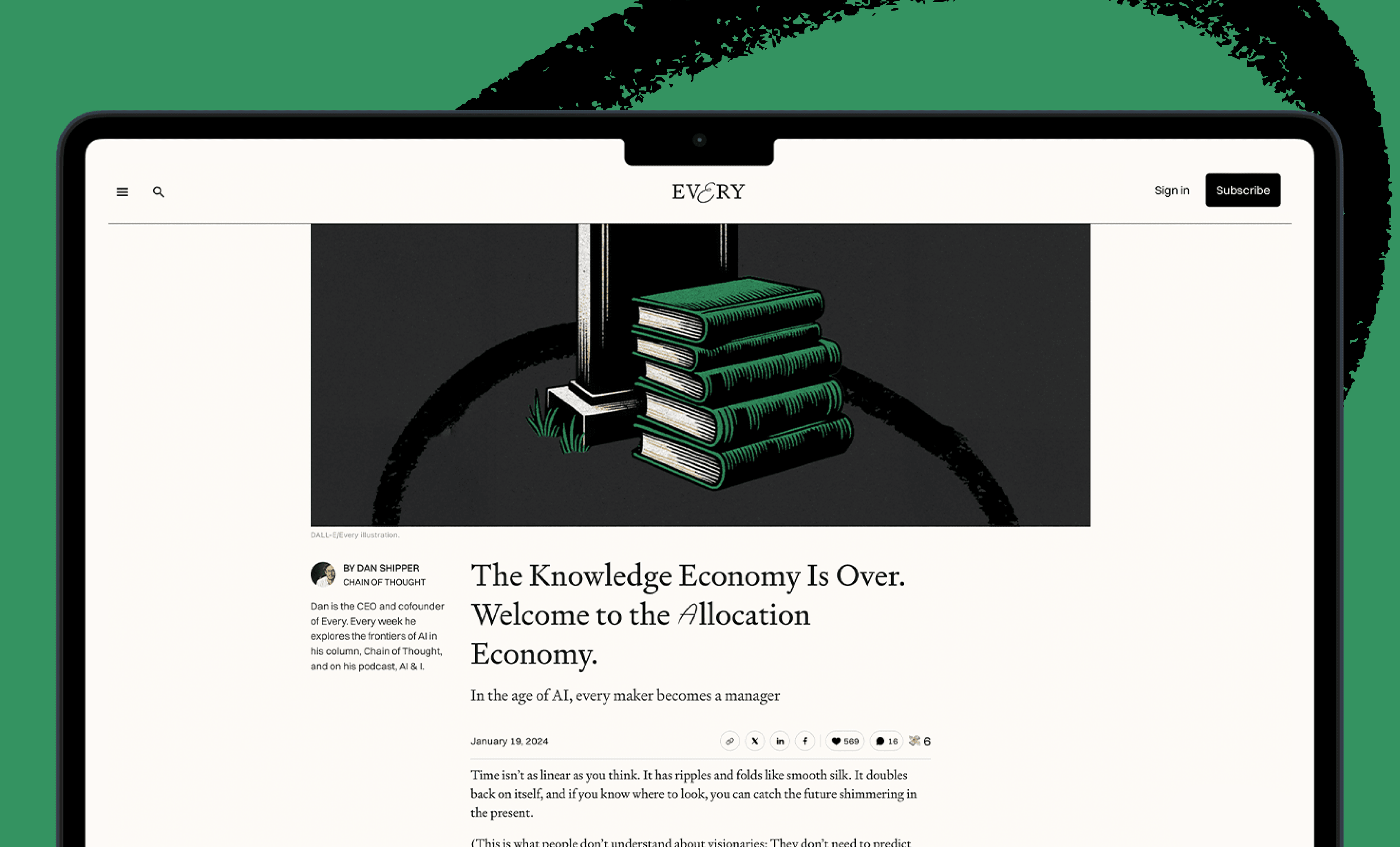
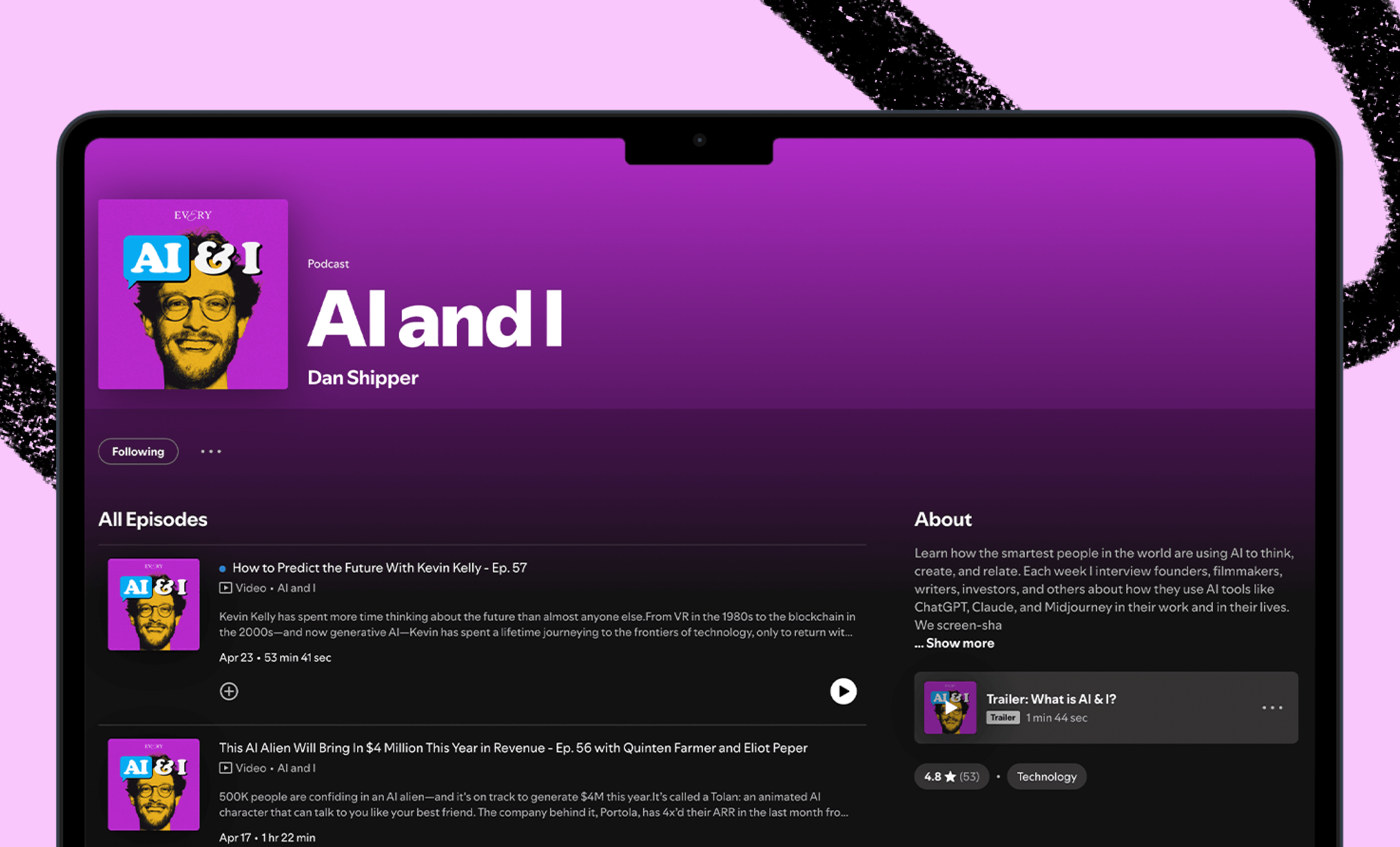
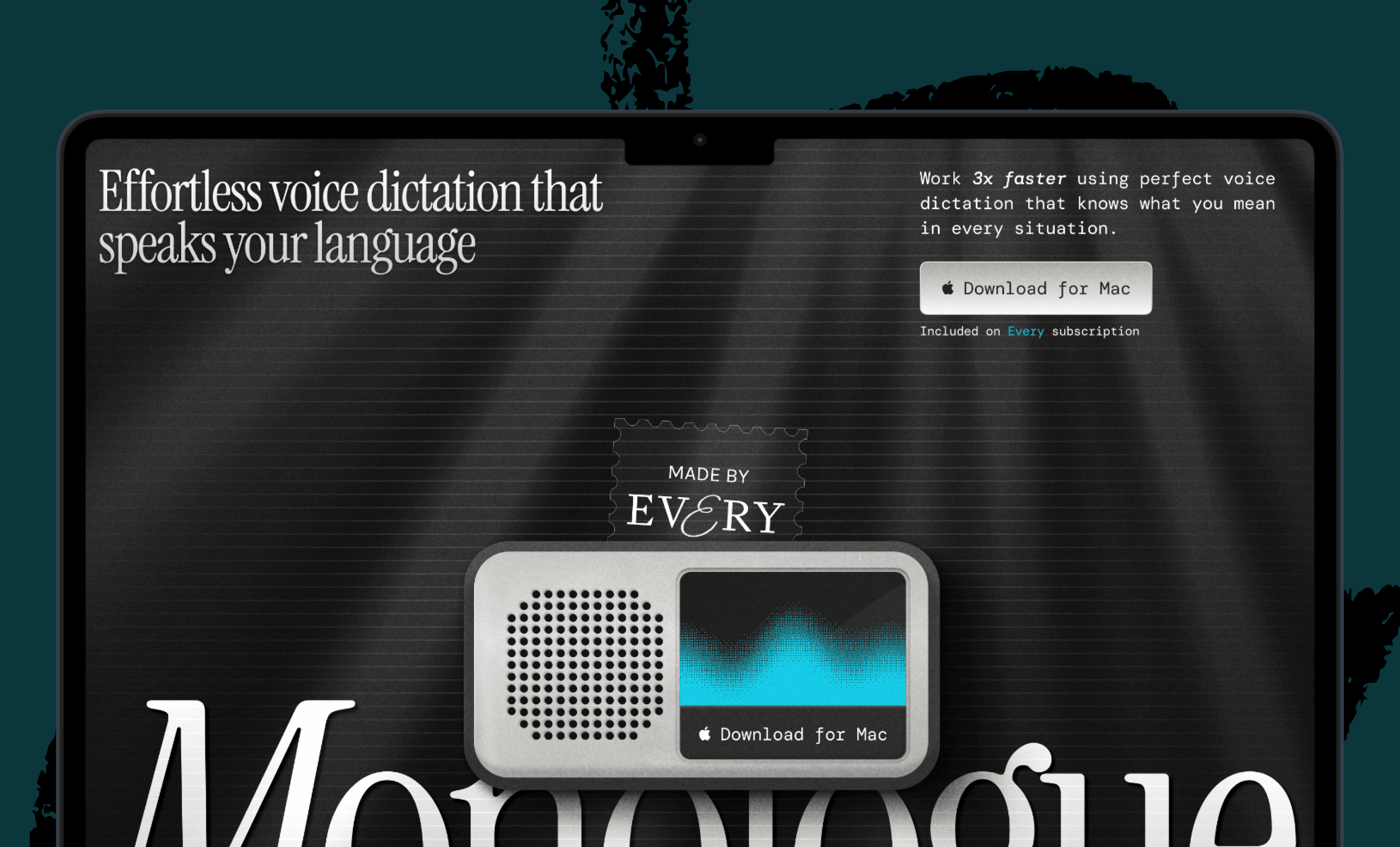
 Front-row access to the future of AI
 In-depth reviews of new models on release dayPlaybooks and guides for putting AI to workPrompts and use cases for buildersIn-depth reviews of new models on release dayPlaybooks and guides for putting AI to workPrompts and use cases for builders
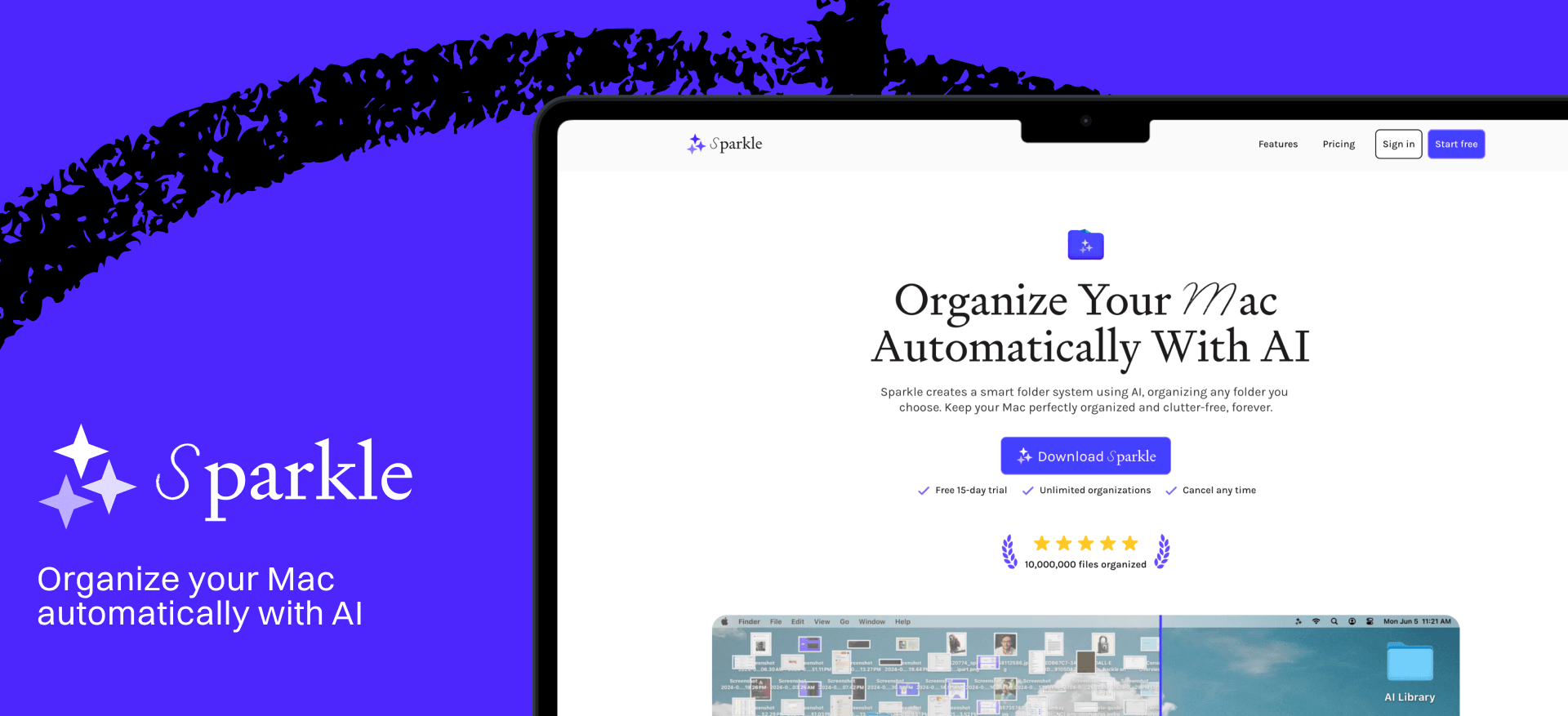
 Bundle of AI software





 Katie Parrott
 Every Staff
 Kieran Klaassen
Comments