
Dan Shipper is the CEO and cofounder of Every. Every week he explores the frontiers of AI in his column, Chain of Thought, and on his podcast, ‘AI & I.’
Admitting What Is Obvious
I’m a writer—what are you?
Sep 8, 2023 · 8 min readUpdated Jan 13, 2026

There are huge costs to ignoring what is obvious.
It requires you to go about your day numbing yourself to the reality of who you are and what you want—which is a waste of time for you and everyone around you.
By contrast, admitting what is obvious is freeing and motivating. But it’s terrifying to do it. Sometimes the most obvious truths about ourselves are hard to see because the consequences of those truths seem so dire.
This happened to me recently. I admitted a truth that was probably obvious to everyone around me, but not to myself: I’m a writer. This sounds so obvious that it feels like it is a joke. I write a weekly column at a newsletter that I started—of course I’m a writer
But this is one of those truths for me. And I’m glad I can admit it.
If there are obvious truths like this for you, you should find them, and admit them, too.
Why you can’t admit the obvious
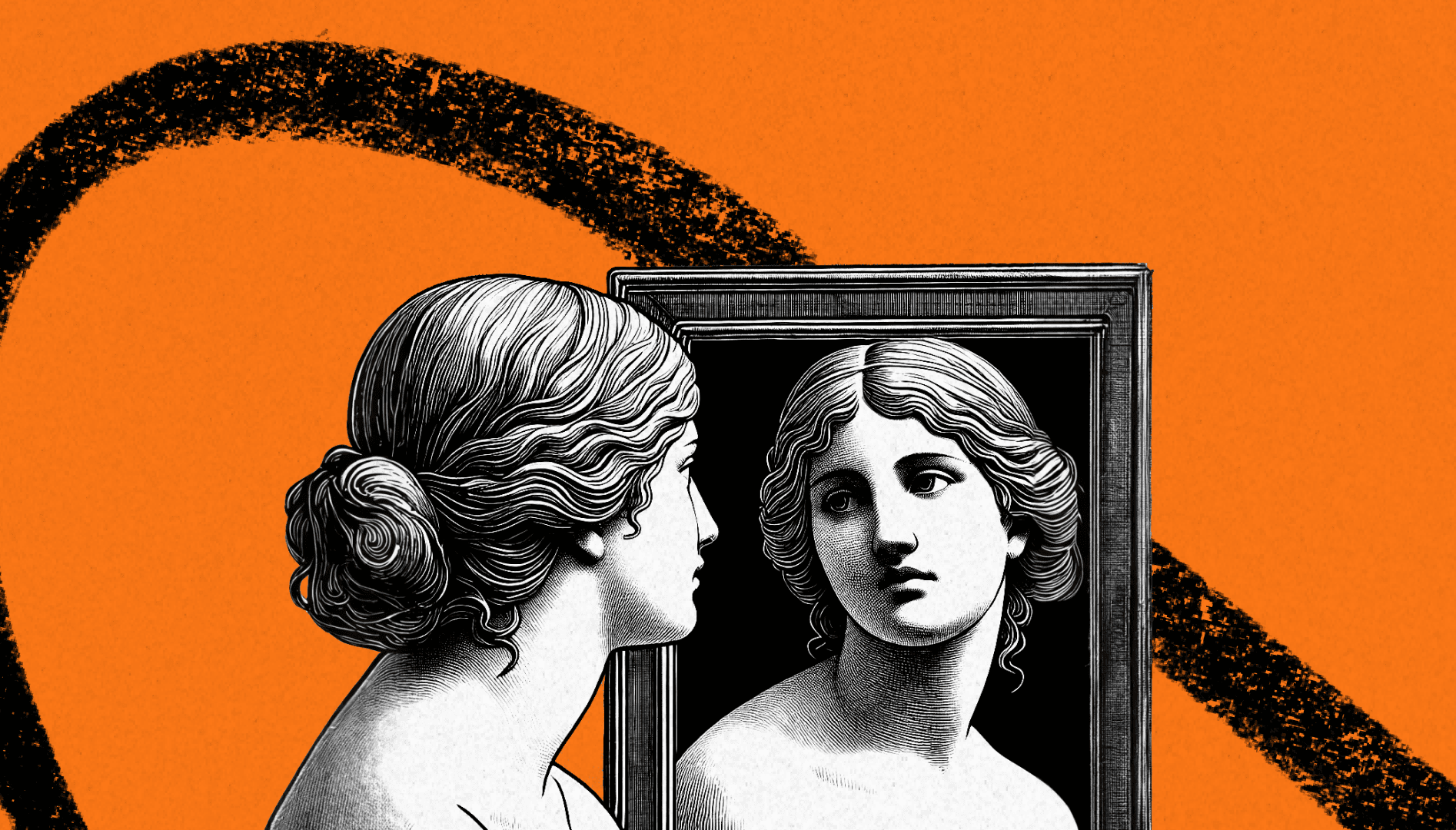
The poet Robert Bly wrote that we all lug an invisible bag around with us everywhere we go. We’ve been filling it since childhood with the parts of ourselves that are true to us—to how we feel and what we want—but that aren’t acceptable to the people around us.
This starts with our parents: “don’t make noise during dinner” or “in this family, we play baseball.” It continues with our teachers: “you’d be good at math if you only applied yourself.” Finally, it starts to come from peers in high school: “that’s nerdy” or “you’ll never have a career doing that.”
Each of these interactions cause us to put parts of ourselves in the bag. And the things we put in the bag are the obvious truths that we can’t admit, and that we try to ignore.
Being a writer is one of the things I tried to put in my invisible bag. For a long time, admitting that I am a writer and that I want to be a writer felt like it would force me to shed my identity as a founder, eliminate the possibility of building a consequential company, and seriously cap my potential career earnings.
So, I pretended to be a founder who also liked to write.
The first clue that I wanted to be a writer was that, after I sold my last business—a B2B software business—instead of going back into software, I started Every.
Every is a startup, so it lets me call myself founder. But on the inside, it also secretly lets me do the thing that I really wanted to do but couldn’t admit to myself or anyone else: be a writer.
While I deeply enjoy almost every part of running a startup—coding, sales, marketing, managing, fundraising, etc.—writing is the thing that I’ve always loved the most.
I knew this back in third grade when I wrote a 100-page novel in longhand on loose-leaf sheets of paper. But after writing that novel, I decided I needed more life experience to be a real writer, so I “retired.”
In fifth grade I read a biography of Bill Gates and became enamored with entrepreneurship, so I decided to start a Microsoft competitor. I called it Megasoft. I learned to code so I could build an operating system to compete with Bill—and even though the operating system never saw the light of day, it set me off on a path building software businesses.
Both of these parts of myself have always been intertwined in a braid. But now, I’ve decided to shift the emphasis. I’m not a founder who also likes to write. I’m a writer who also likes to build businesses.
Living in this truth—the truth of what is obvious—is freeing. It will make me the best writer I can be. And, I think, paradoxically it will help me build better businesses.
When you admit what is obvious, you start to improve
Billions of dollars in value are wasted every year by people doing the high-status thing they wish they felt compelled to do instead of the weird, low-status thing they actually want to do. Why is this value wasted?
You’re never going to be great at something you want to want. It’s always going to be a half-in, half-out kind of thing—instead of the all-in endeavor that greatness requires. Doing what you want to do, by contrast...
 Create a free account to continue reading
The Only Subscription
You Need to
Stay at the
Edge of AI
The essential toolkit for those shaping the future

"This might be the best value you
can get from an AI subscription."
- Jay S.
 Every Content
 AI&I Podcast
 Katie Parrott
 Every Staff







 Kieran Klaassen
Comments