


Laura Entis is a staff writer at Every.

Why We’ll Still Be Employed When AI Can Do Everything
Spiral 4.0 introduces a new style engine, why enterprise roadmaps are hard, and a workflow for making your coding agent more efficient
Jun 4, 2026 · 9 min readUpdated Jul 14, 2026

Was this newsletter forwarded to you? Sign up to get it in your inbox.
Launch
Spiral 4.0
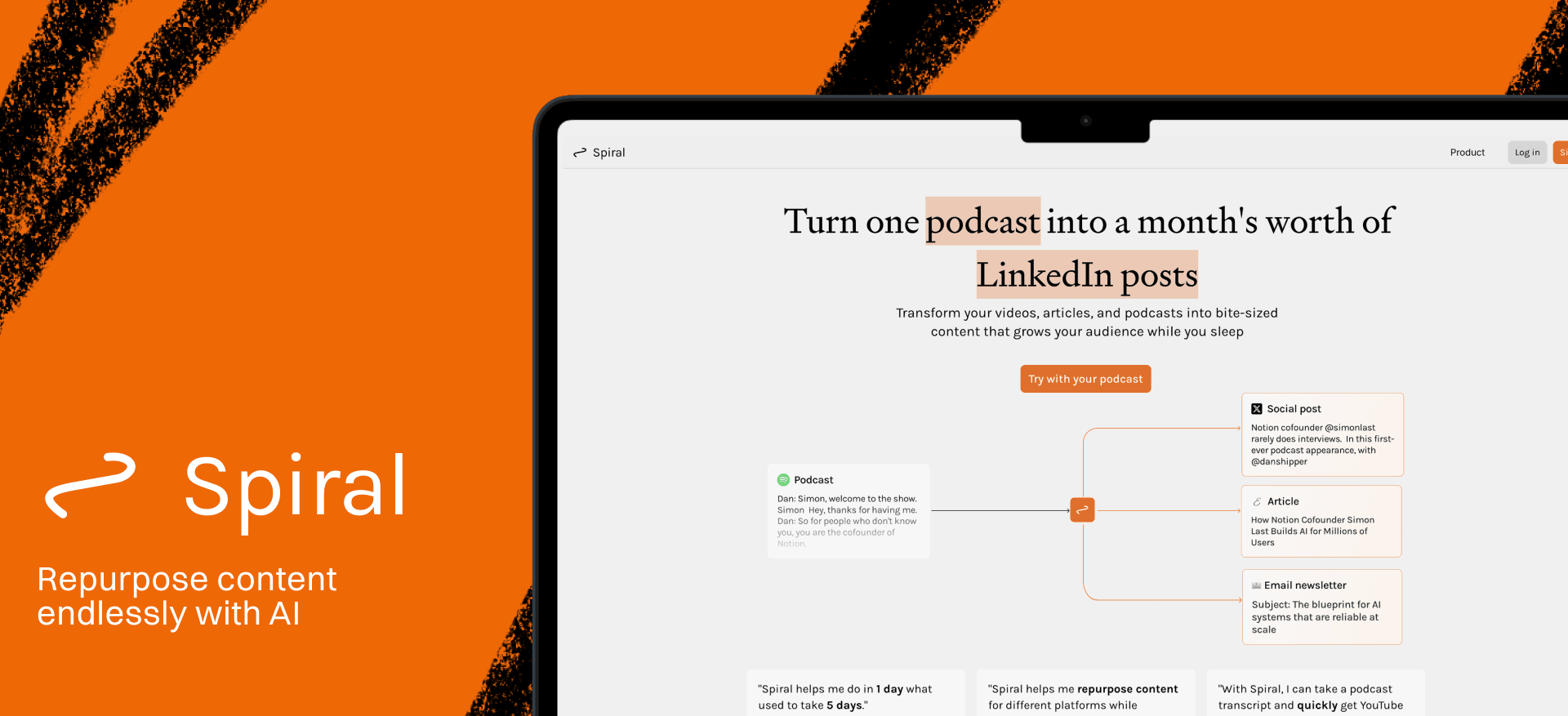
Today we’re launching Spiral 4.0, which writes drafts in your voice from idea to line edit. Spiral has a new MCP alongside the existing CLI and API, so any agent or workflow can write in your voice too. For teams, we’ve expanded workspaces, which let you share styles, prompts, knowledge—and now chats and drafts. Finally, Spiral has a new pricing model: We’ve switched from session limits to token limits, so costs match your actual usage rather than how many times you opened a new chat. A vast majority of users will end up paying less: Personal plans now start at $15 a month—down from $25—and team plans are $25 per user, down from $35.
Signal
Enterprise AI product roadmaps are hard
Microsoft is moving fast. Three months after OpenClaw came out in November 2025, Microsoft CEO Satya Nadella described it as a “virus”-like security risk. By May, the company’s “Project Lobster” was internally testing “ClawPilot,” an OpenClaw-based desktop environment. This week at the Microsoft Build conference, the company released Scout, a personal agent for work built on OpenClaw. For a company employing 100,000 engineers, this is blindingly fast. Unfortunately, it may already be too late.
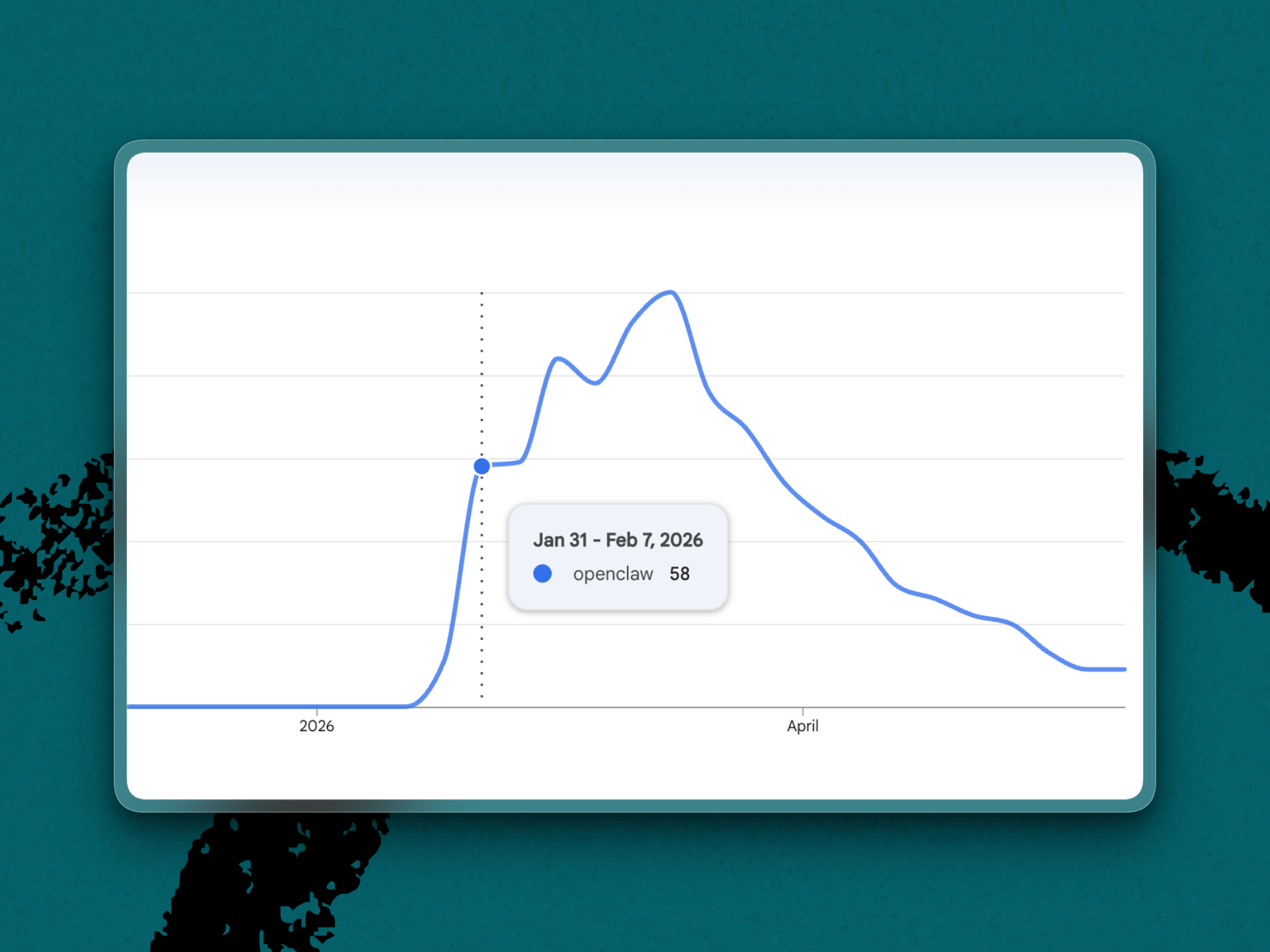
OpenClaw search traffic spiked in early January, after everyone had a chance to experiment with Opus 4.5 over the holidays. The sharp rise in interest died down almost as quickly as it took off, helped along in early April by Anthropic ending support for subsidized Max plan usage—thereby forcing everyone to scramble to get OpenClaw working on cheaper models.
This doesn’t mean OpenClaw is dead; the open-source project saw a recent uptick in download and is still under active development, with millions of dollars of patronage from OpenAI, which hired its creator Peter Steinberger. AI agents as a category aren’t dead, either, as traffic has moved to other agents like Hermes, Google has just rolled out Gemini Spark (first announced last month at its I/O developer conference), and Claude and Codex have both adopted more agentic features inspired by OpenClaw.
That said, it must be tough to manage enterprise AI product roadmaps these days. You do everything right, watch the latest trends, pivot your focus to supporting new tools and making them secure in enterprise environments. You move mountains to explain to stakeholders why this is a good idea. You plan the keynote of your big conference, which has to be scheduled months in advance. Then a month after the internal beta (just three months since the tool went viral), you’re already behind the news cycle. Everyone has moved onto the next shiny thing. You go back to the drawing board and think “maybe next time, we’ll just announce it on X.”—Mike Taylor
Log on
Get hands-on with how Every uses AI. These are the live camps, workshops, and meetups where team members teach the workflows behind our work.
Upcoming camp
- Compound Engineering Camp: On June 5, Cora general manager Kieran Klaassen and Trevin Chow host a one-hour walkthrough of compound engineering, the AI-native development workflow Every uses to ship products. Learn more and register.
- Codex Camp: Our Power User Guide: On June 12, Dan Shipper and the Every team host a two-hour live walkthrough of the Codex power-user guide—setup, workflows, and Codex-native app development. Learn more and register.
Steal this workflow
Make your agent more efficient with custom skills
These days, Monologue’s general manager Naveen Naidu spends most of his time in the Codex app with Fin—formerly Intercom, a customer support platform—open in the coding agent’s in-app browser. Working from a repository-local project, he has Codex investigate the customer issue displayed in the browser, create a bug report in Linear, link the Intercom ticket to the Linear issue, and draft a reply to the customer with information about the bug report—all without having to leave the app.
Fin has an MCP with 13 common actions, like searching conversations or reading and writing messages. Naveen’s workflow required a more specific one: Turn the active Fin conversation into a markdown file the coding agent could read.
Here’s Naveen’s workflow for creating a more focused setup ...
Become a paid subscriber to Every to unlock this piece and learn about:
- Naveen’s workflow for making his agent more token-efficient
- A counterpoint to “After Automation” from inside Every
- The AI conversational tics that irk Every team members
 Create a free account to continue reading
The Only Subscription
You Need to
Stay at the
Edge of AI
The essential toolkit for those shaping the future

"This might be the best value you
can get from an AI subscription."
- Jay S.
 Every Content
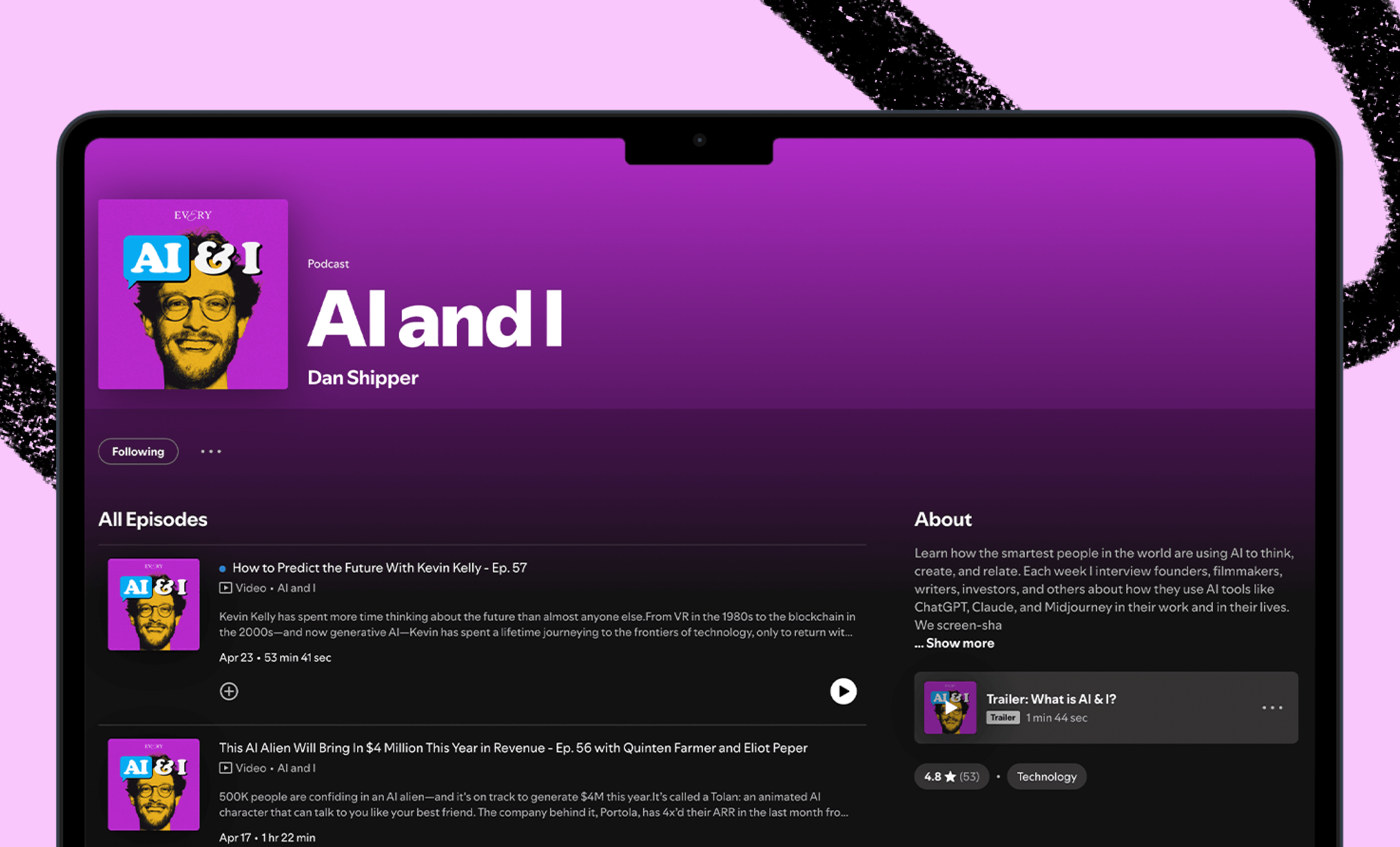
 AI&I Podcast
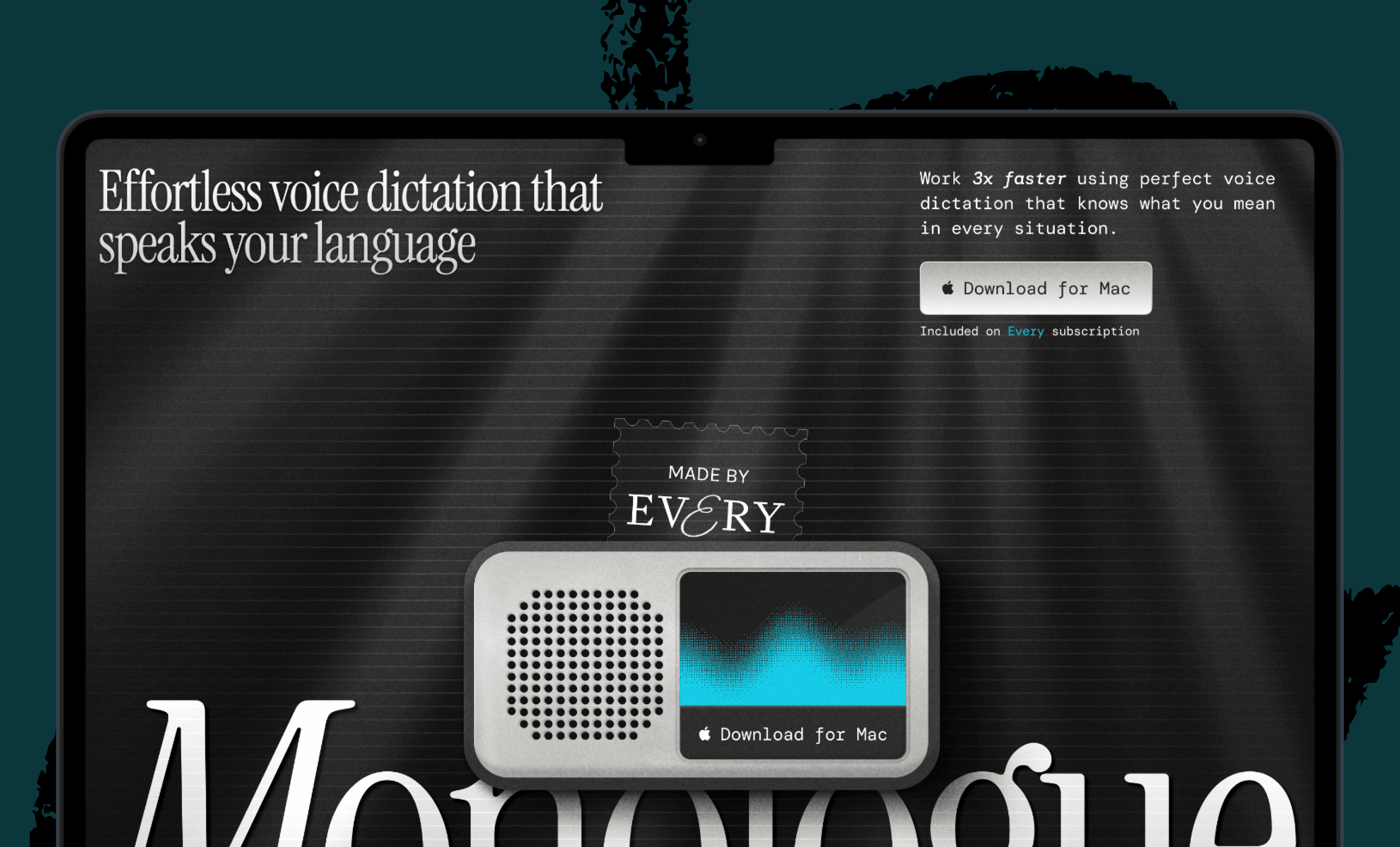
 Monologue
 Every Agent
Join 100,000+ leaders, builders, and innovators

Already have an account? Sign in.
What is included in a subscription?
Daily insights from AI pioneers + early access to powerful AI tools

 Front-row access to the future of AI
 In-depth reviews of new models on release dayPlaybooks and guides for putting AI to workPrompts and use cases for buildersIn-depth reviews of new models on release dayPlaybooks and guides for putting AI to workPrompts and use cases for builders
 Bundle of AI software





 Katie Parrott
 Every Staff
 Kieran Klaassen
Comments