



Our Agents, Ourselves
Plus: Turning your best colleagues into reusable skills, the model built to fix AI writing, and math proofs that outran their authors
Aug 30, 2026 · 7 min readUpdated Sep 23, 2026

Hello, and happy Sunday. When OpenAI folded Codex into ChatGPT in mid-July—in a move known as the merge—the coding tool became a general-purpose workspace, and the setup most knowledge workers had learned changed. So Katie Parrott rebuilt our guide from scratch: ChatGPT for Knowledge Work is a complete walkthrough of the merged app—16 workflows from the Every team, recast for what now lives in Chat, Work, and Codex, plus the new goals, projects, and scheduled tasks. And companies have the same problem, only bigger. In early June, Natalia Quintero and Mike Taylor answered questions from 400 executives on rolling out AI, then wrote up the 33 they couldn’t get to live for attendees. We’re sharing that Q&A publicly for the first time here.—Kate Lee
Was this newsletter forwarded to you? Sign up to get it in your inbox.
Knowledge base
“Our ChatGPT and OpenClaw Guides Just Got an Overhaul” by Katie Parrott/Guides: Our Codex for Knowledge Work guide from May and OpenClaw guide from March got a full rewrite. Codex for Knowledge Work is now ChatGPT for Knowledge Work, updated for the merged app; the OpenClaw guide rethinks when a personal agent is worth running, and why a shared Every Agent may be the better call. Read these to update your ChatGPT and OpenClaw setups.
“33 Questions Executives Ask About AI—Answered” by Natalia Quintero and Mike Taylor: Natalia, Every’s consulting head, and Mike, our new head of evals, answer 33 questions from 400 executives on how to adopt AI, covering strategy, winning over skeptics, tool selection, governance, and restructuring teams. Read this to see our advice to executives rolling out AI.
“Benchmarks Don’t Know Your Job” by Katie Parrott/Context Window: Companies spend millions on AI but rarely test whether a model does their own work better than a cheaper one would. Our answer is KateBench, a copyeditor trained on 30,000 of Kate Lee’s edits, which shows how a high acceptance rate can still hide the edits a human has to redo. Also inside: a counterpoint to Andreessen Horowitz’s Olivia Moore on whether diminishing returns make cheaper models like Fable good enough; Cursor’s rebuilt Git hosting, and two new reliability benchmarks; the six-agent crew that tells Every designer Tyler Nishida’s family when there’s enough solar power to run the dryer; and links worth a click.
“The Case for Cloning Your Coworkers” by Laura Entis/Context Window: Companies are starting to clone their coworkers—capturing the judgment of the people they depend on as reusable AI skills, a project Every is running on its own team. Also inside: a discussion of investor Stanley Druckenmiller admitting he used AI on a Wall Street Journal op-ed; Arielle Shipper’s self-improving Codex skill; a fresh batch of Thesis Statements from frontier builders; a signal on the enterprise opening for open-weight models; and the daily driver on which models the team is reaching for this week. Plus this week’s AI & I: Walleye Capital CEO Will England on why AI use is mandatory for his 400 employees. 🎧 🖥 Listen on Spotify or Apple Podcasts, watch on X or YouTube, or read the transcript.
 Create a free account to continue reading
The Only Subscription
You Need to
Stay at the
Edge of AI
The essential toolkit for those shaping the future

"This might be the best value you
can get from an AI subscription."
- Jay S.
 Every Content
 AI&I Podcast
 Monologue
 Every Agent
Join 100,000+ leaders, builders, and innovators

Already have an account? Sign in.
What is included in a subscription?
Daily insights from AI pioneers + early access to powerful AI tools
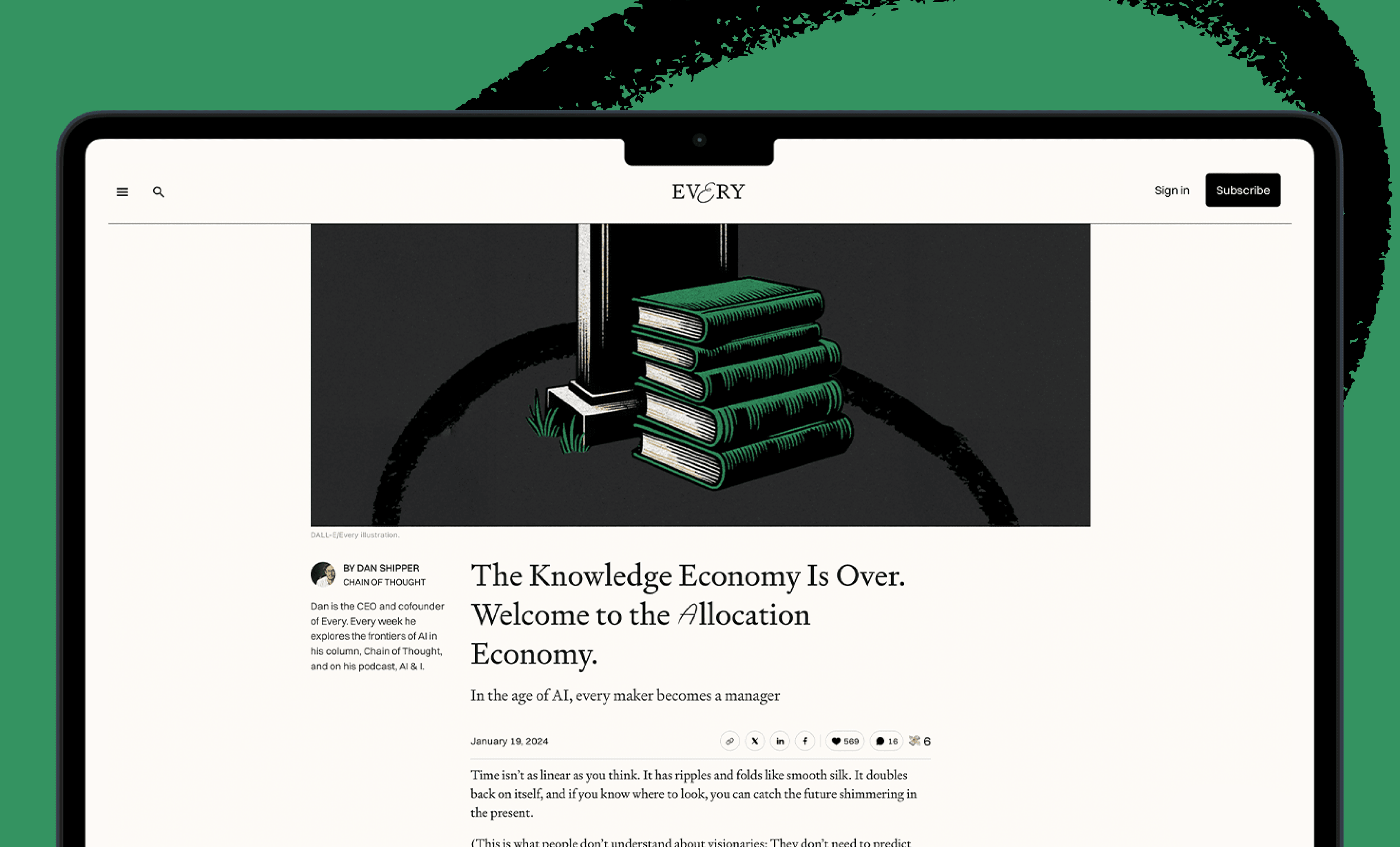
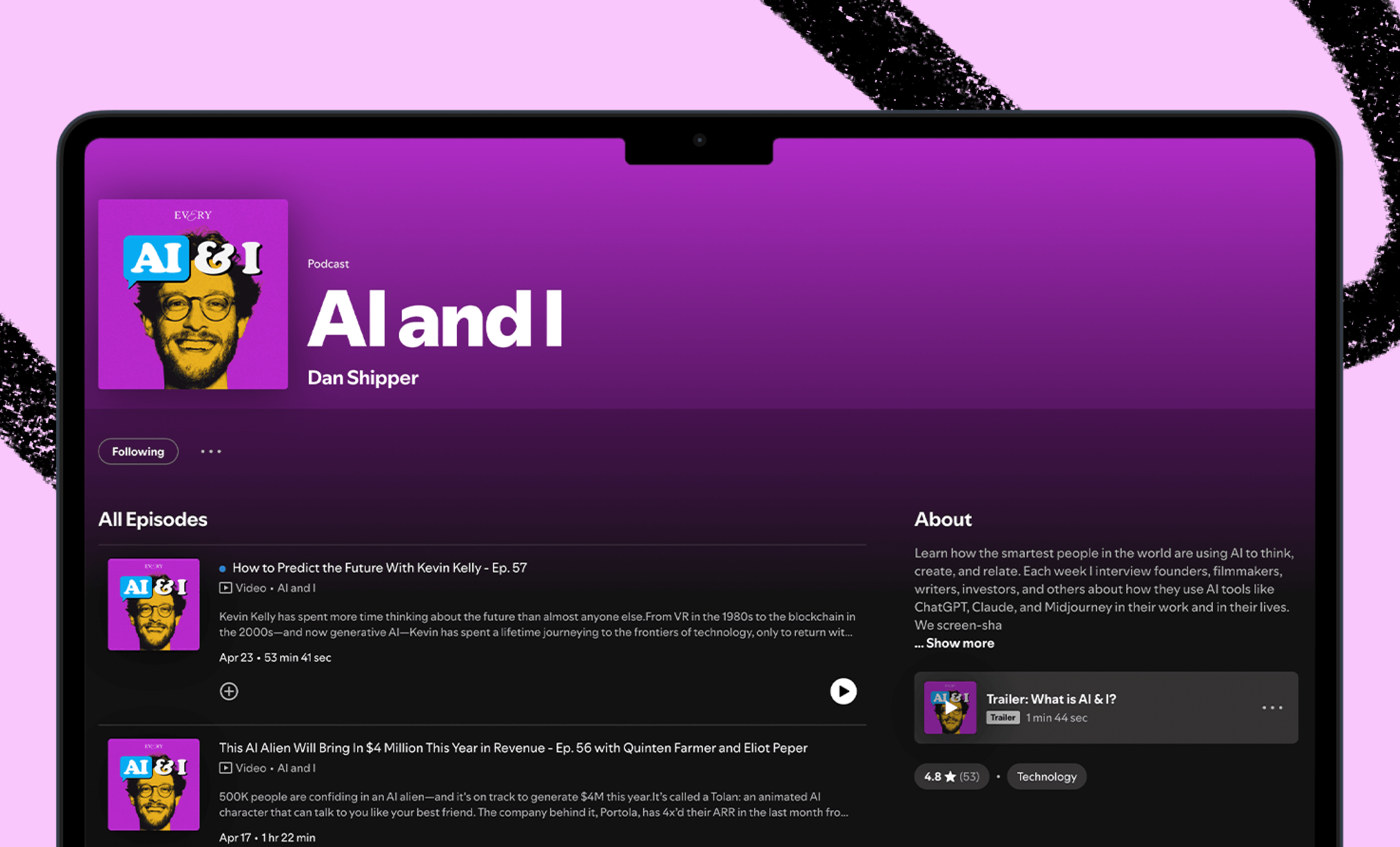
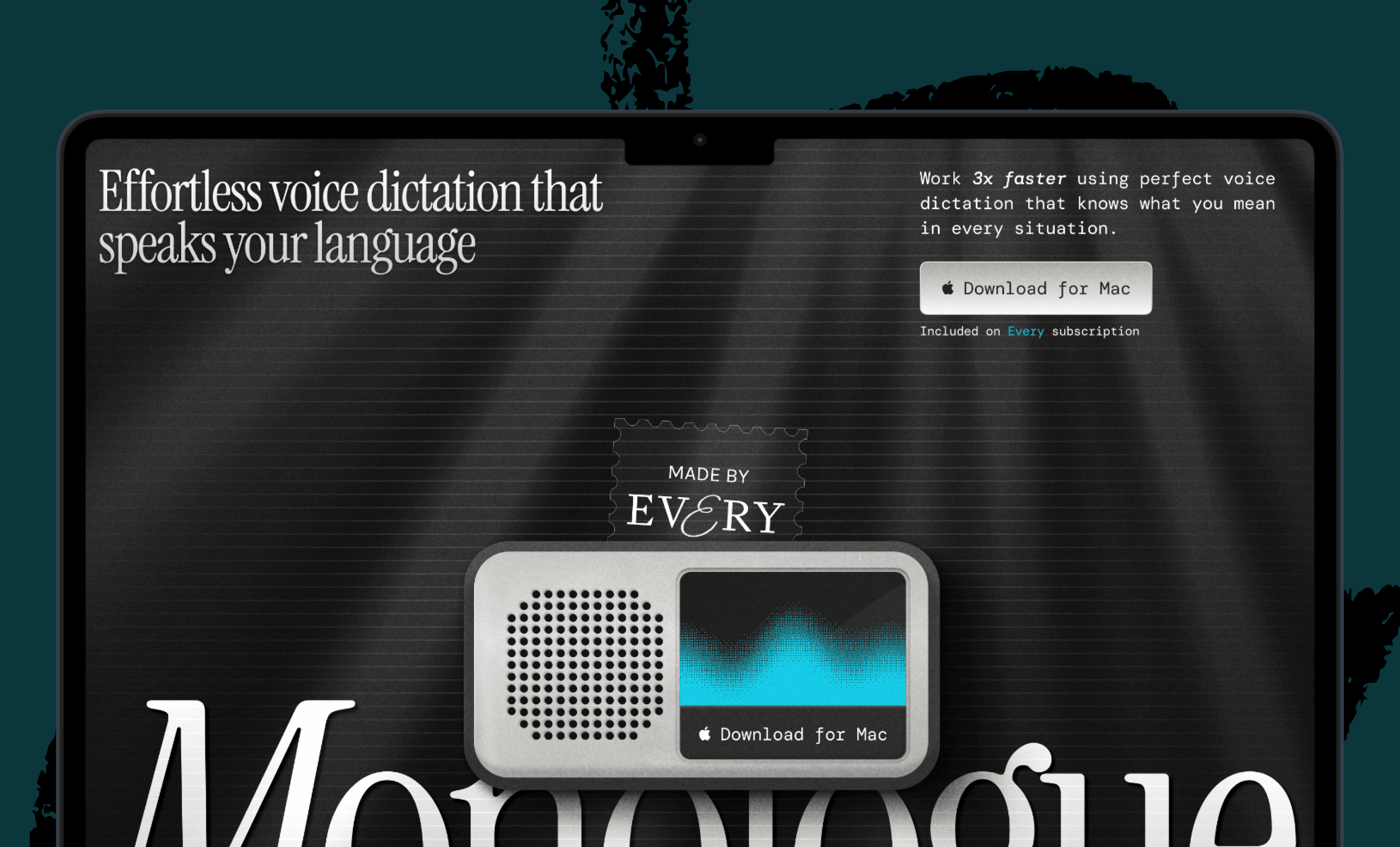
 Front-row access to the future of AI
 In-depth reviews of new models on release dayPlaybooks and guides for putting AI to workPrompts and use cases for buildersIn-depth reviews of new models on release dayPlaybooks and guides for putting AI to workPrompts and use cases for builders
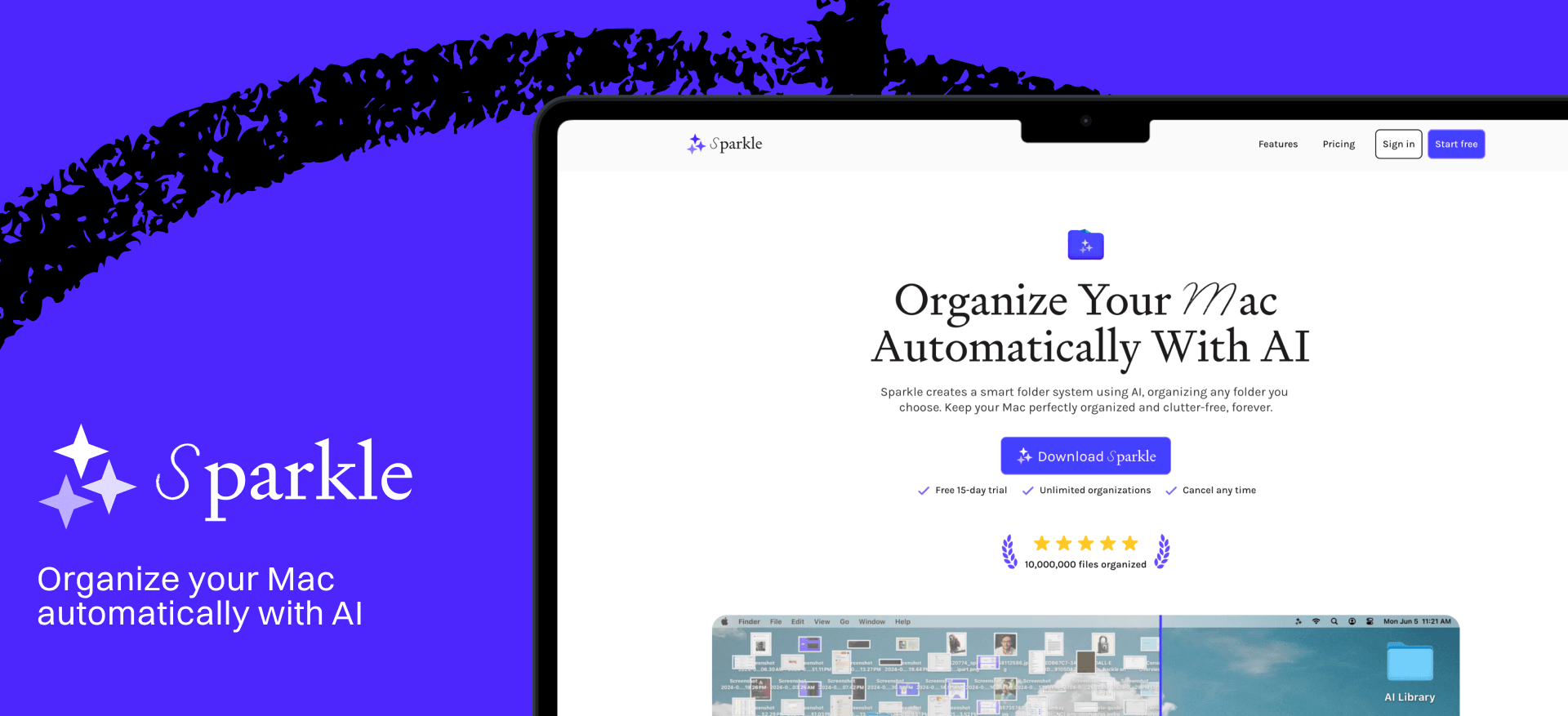
 Bundle of AI software





 Katie Parrott
 Every Staff
 Kieran Klaassen
Comments