
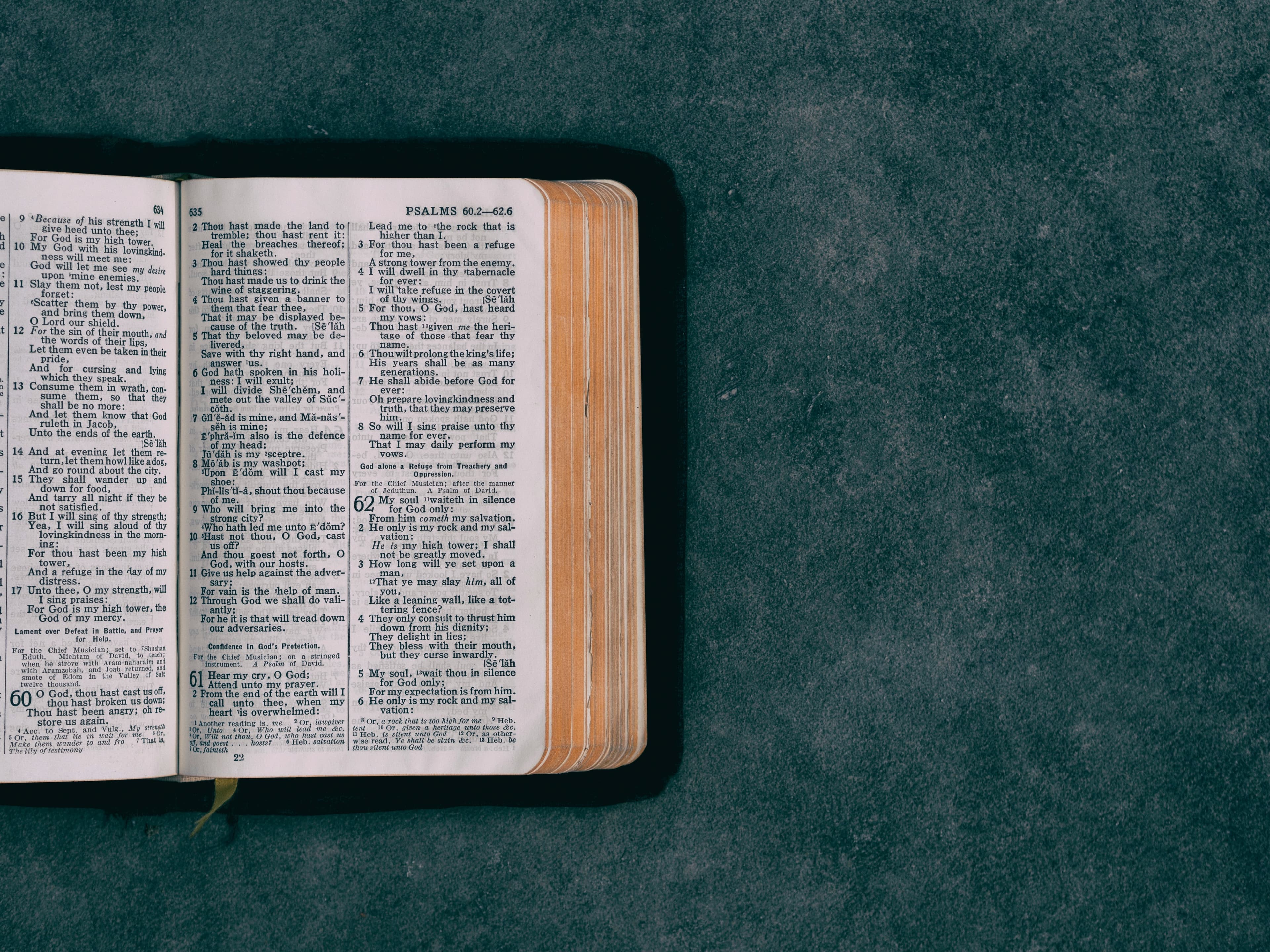


The Theology of Productivity
Exploring why productivity can feel empty, and how we can make it whole again
Oct 1, 2021 · 20 min readUpdated Jul 27, 2026

Hi all! Dan here. Today I have a guest post from strategist, coach, and writer Sarah M. Chappell. Sarah believes that in many ways productivity has replaced religion in creating structure and meaning in our lives (guilty!). The problem is that this can sometimes feel empty. The reason things are this way is that we've taken some aspects of religious practice and applied them to our work life—but left other important pieces behind. By exploring the religious roots of productivity culture, Sarah believes that we can fix this problem, and find ways to be productive while also feeling good—rather than empty. Hope you enjoy it!
I've worked at the intersection of entrepreneurship and spirituality for years, and I've come to see our obsession with planning and productivity as the new religious fervor. We plan like God ordained it, iPhone calendar clutched in our fists like a rosary, mumbling our task list under our breath with the cadence of a Hail Mary.
In the year of our Lord 2021, 47% of the U.S. population consider themselves members of a religious group, compared to 70% two decades ago. This decline, though evident across regions and age groups, is particularly pronounced among millenials. But as formal religions step off the stage of our collective life, the human need for structure, purpose, and community is as strong as it's always been. What's playing that role for us?
Doing things.
Today, we find purpose and meaning in our jobs. We build our communities around loyalty to specific domains and disciplines, and to tools that help us work faster, better, harder. We put our faith in the idea that a fresh planner, a new project management methodology, or a rising SaaS contender for managing our second brain will open the door to a fulfilling future. This is not a mistake. God is gold. Prayer is productivity.
The decline in religious life is accompanied by a simultaneous rise in hyper-growth models and winner-take-all capitalism. We’ve conferred the role of moral steward and meaning-maker to a set of rules and habits designed to optimize our every waking moment, our sleep, our dreams. And the messengers of this new religion? Today’s prophets are not in rags, they’re in Teslas.
Am I bemoaning productivity as our modern shared religious experience? Not necessarily! Through my work as a business coach, I’ve helped literally hundreds of founders start new businesses, hire employees, and grow their companies. But I believe that productivity culture can be harmful, especially if it remains unexamined.
The irony is that though productivity culture is our new religion, its roots are in religion. The problem is that we’ve ported only some of the pillars of religious practice into our modern work environment, and not others. I believe that looking into productivity culture’s religious roots might help us adapt some of the beneficial practices of religious life that have been left behind. In understanding this evolution—why it happened and to what end—we might be able to build a productivity culture that is more well-rounded and healthy. And in doing so, begin to divorce our sense of self-worth from our ability to produce work, stop agonizing about “outcomes”, and begin to re-experience the joy of making new things in the world.
 Create a free account to continue reading
The Only Subscription
You Need to
Stay at the
Edge of AI
The essential toolkit for those shaping the future

"This might be the best value you
can get from an AI subscription."
- Jay S.
 Every Content
 AI&I Podcast
 Monologue
 Every Agent
Join 100,000+ leaders, builders, and innovators

Already have an account? Sign in.
What is included in a subscription?
Daily insights from AI pioneers + early access to powerful AI tools
 Front-row access to the future of AI
 In-depth reviews of new models on release dayPlaybooks and guides for putting AI to workPrompts and use cases for buildersIn-depth reviews of new models on release dayPlaybooks and guides for putting AI to workPrompts and use cases for builders
 Bundle of AI software


 Katie Parrott
 Every Staff
 Kieran Klaassen
Comments