


Danny Aziz is the general manager of Spiral. He has led engineering teams at startups across the U.S. and Europe, and previously was the founding engineer of workplace app General Collaboration.

When AI Can Do Your Job, Who Else Are You?
Your rare skill just became common. Here's what that makes possible.
Nov 18, 2025 · 9 min readUpdated Jul 27, 2026

Today’s big news, other than the Cloudflare outage (which one Every team member referred to as an “adult snow day”), is that Google’s latest version of its Gemini model, Gemini 3 Pro, is out. We’re testing it and will be publishing a Vibe Check shortly. Until then, Danny Aziz, general manager of Spiral, wrote about how AI coding tools changed his identity as a software engineer.—Kate Lee
Was this newsletter forwarded to you? Sign up to get it in your inbox.
For years, I told people I was a software engineer. It was what paid my bills and what defined me. My technical skills proved I had earned the right to belong to a certain world.
AI shattered that identity. Sometime in March 2025, the technical work that had defined me was suddenly being done by AI tools like Cursor and Claude Code without much need for my input. AI was solving the technical problems I used to solve by hand faster and better.
My initial response was fear. I’d always felt secure knowing I could get a job anywhere if things went wrong. Now AI could do the thing I got paid well to do. What was I worth? And who was I?
For the first time in my career, I had an unexpected gift: time. I finally had a chance to discover who I really was in a world where AI can write code as well as me—a shift that I know millions of other software developers are grappling with.
Choosing to go deeper
I saw two paths forward.
The first was coasting. I saw it on X—people letting agents do work while they made coffee or watched Netflix.
Then I noticed it in myself. I’d start an AI agent on a task and reflexively reach for my phone to scroll X or check messages. All the practices I’d spent years building to get into a flow state and achieve maximum concentration—optimal break timing, deep focus sessions—went out the window. The path of least resistance was distraction, and it was easy to rationalize when I was still getting the same amount of work done.
The second path was going deeper into my fear instead of basking in the free time AI had opened up for me. I could lean into the fear I felt—that AI could do what I got paid for, this skill I’d taught myself at the age of 15 and spent a decade mastering professionally working on consumer, cryptocurrency, and marketplace apps with engineering teams across Europe and the U.S. What if I used this freed-up time not to maintain the same output with less effort, but to expand into areas I’d always been curious about but never had time for?
I chose the second path. It felt like the best long-term decision. Instead of succumbing to the fear of AI stealing my job, I needed to sit with that fear and see what happened.
But it was not the easy choice because it required that I actively resist laziness. I started putting my phone face-down on a windowsill when I entered the office. During the gaps while agents worked, I consciously chose to examine myself instead of scroll.
Decks that actually close deals
Great decks win business deals, but they take a lot of time to make. Pitch gives you everything you need to go from blank canvas to winning presentation. Edit slides, start with designer-approved templates, and embed high-quality videos. Work together with slide assignments and comments, then make your clients feel special with curated pitch rooms. With their latest AI features, you’re able to make sure your business looks good for the right people, without losing creative control.
Where the craft went
I didn’t immediately know what “going deeper” looked like...
Become a paid subscriber to Every to unlock this piece and learn about:
- How Danny transformed AI wait times from distraction traps into the moments that helped him build better products
- Why a 100-person engineering team refused to adopt AI tools—and what their resistance reveals about who gets left behind
- The four-stage practice that took Danny from a software engineer to something bigger
Thanks to our Sponsor: Pitch
Decks that actually close deals
Great decks win business deals, but they take a lot of time to make. Pitch gives you everything you need to go from blank canvas to winning presentation. Edit slides, start with designer-approved templates, and embed high-quality videos. Work together with slide assignments and comments, then make your clients feel special with curated pitch rooms. With their latest AI features, you’re able to make sure your business looks good for the right people, without losing creative control.
 Create a free account to continue reading
The Only Subscription
You Need to
Stay at the
Edge of AI
The essential toolkit for those shaping the future

"This might be the best value you
can get from an AI subscription."
- Jay S.
 Every Content
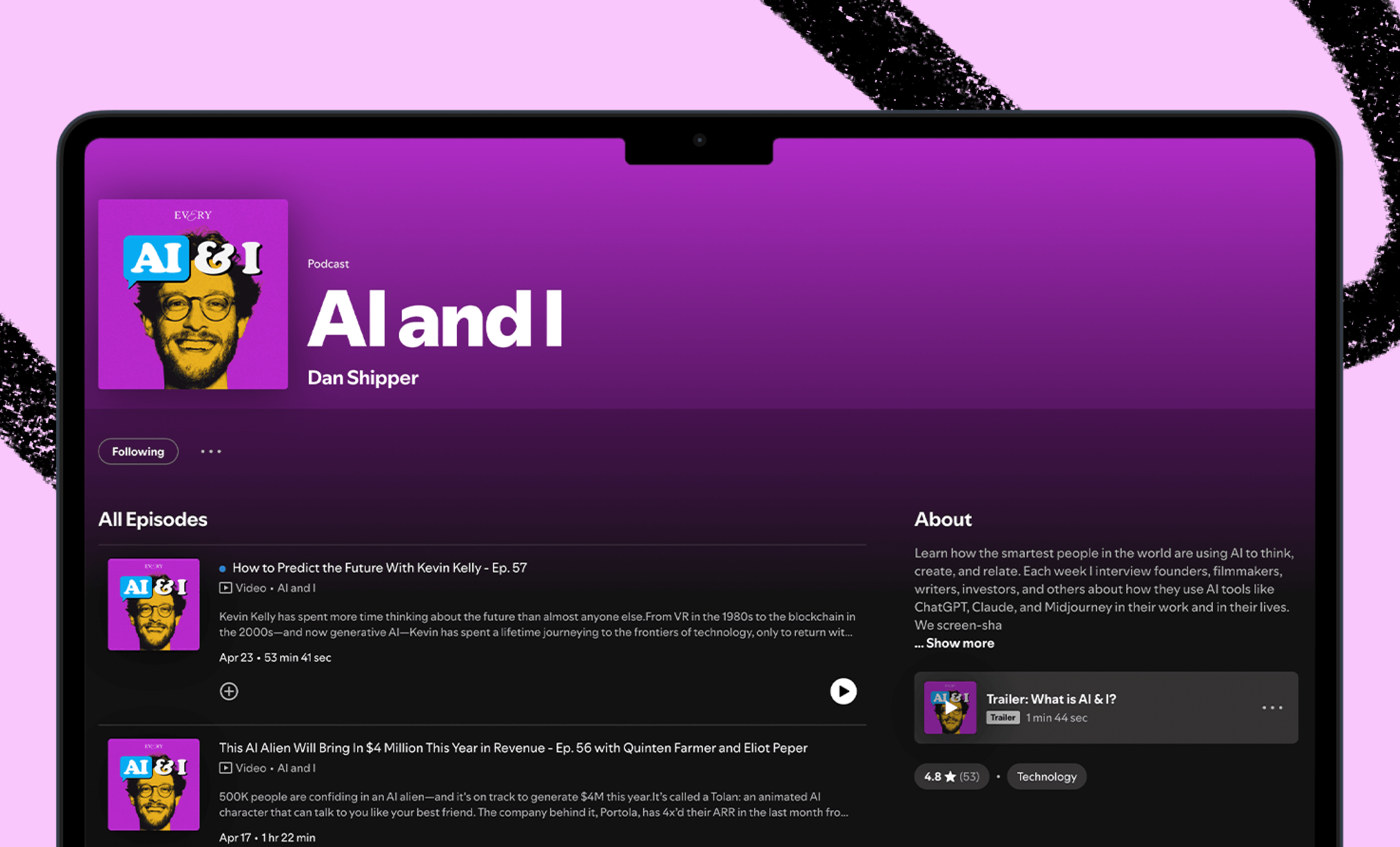
 AI&I Podcast
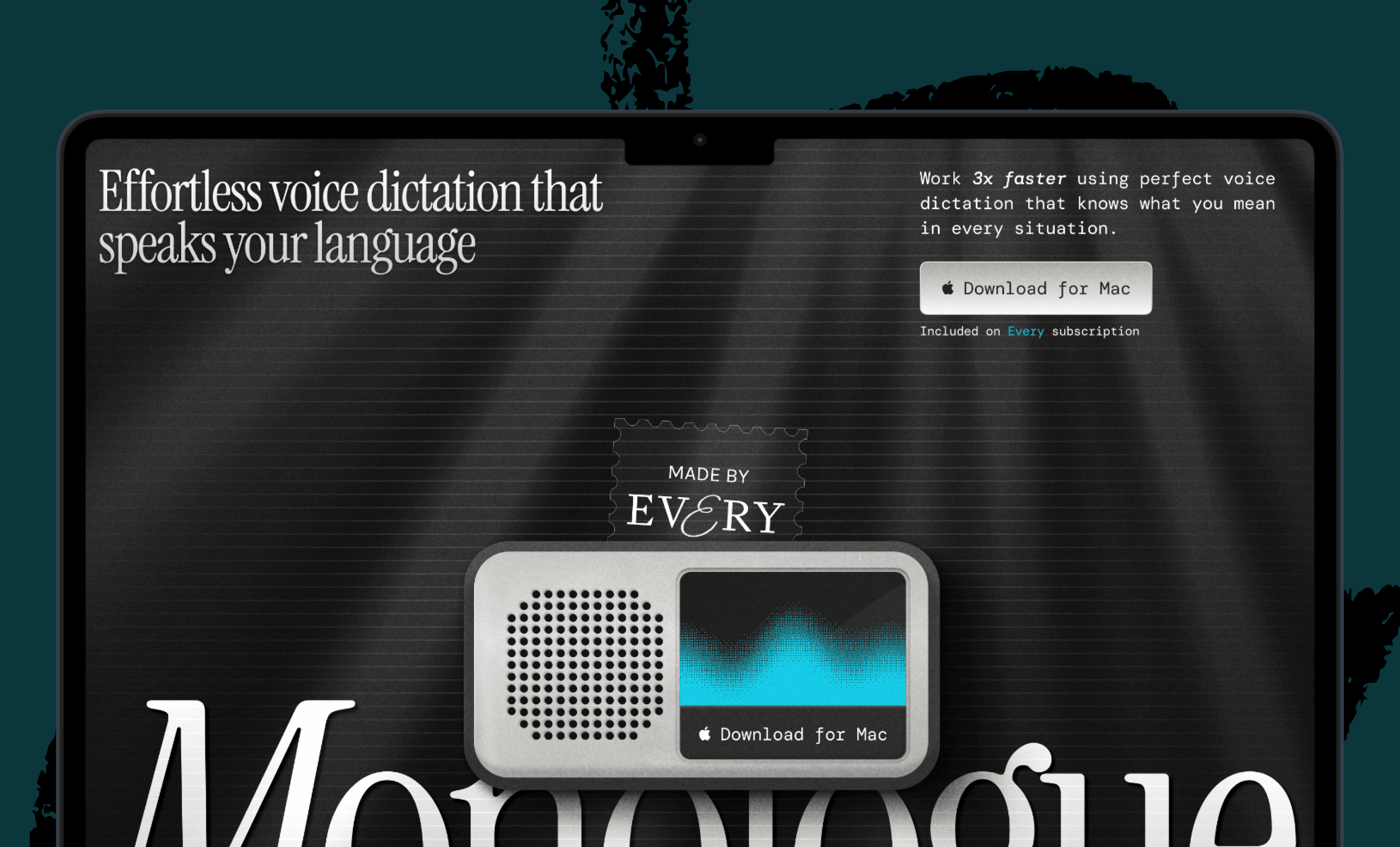
 Monologue
 Every Agent
Join 100,000+ leaders, builders, and innovators

Already have an account? Sign in.
What is included in a subscription?
Daily insights from AI pioneers + early access to powerful AI tools
 Front-row access to the future of AI
 In-depth reviews of new models on release dayPlaybooks and guides for putting AI to workPrompts and use cases for buildersIn-depth reviews of new models on release dayPlaybooks and guides for putting AI to workPrompts and use cases for builders
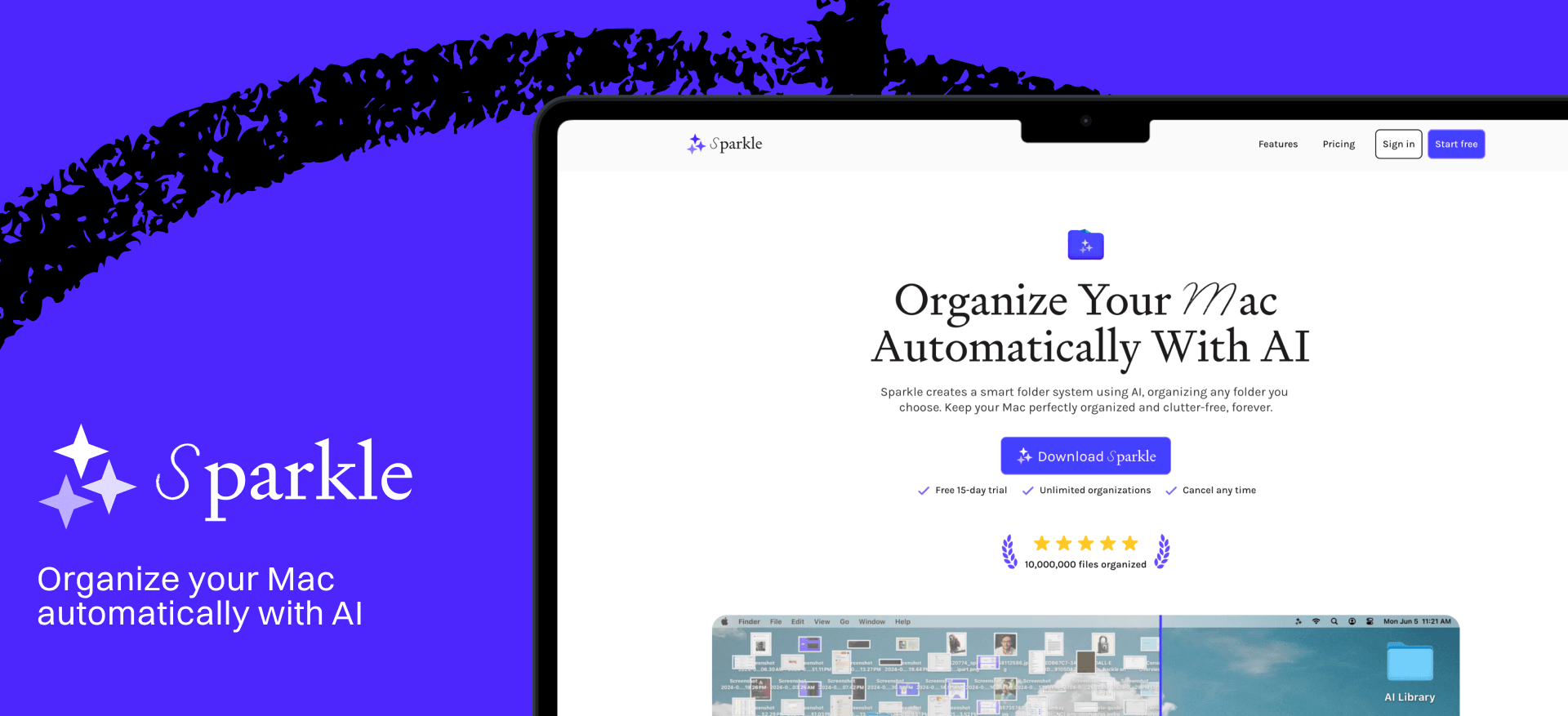
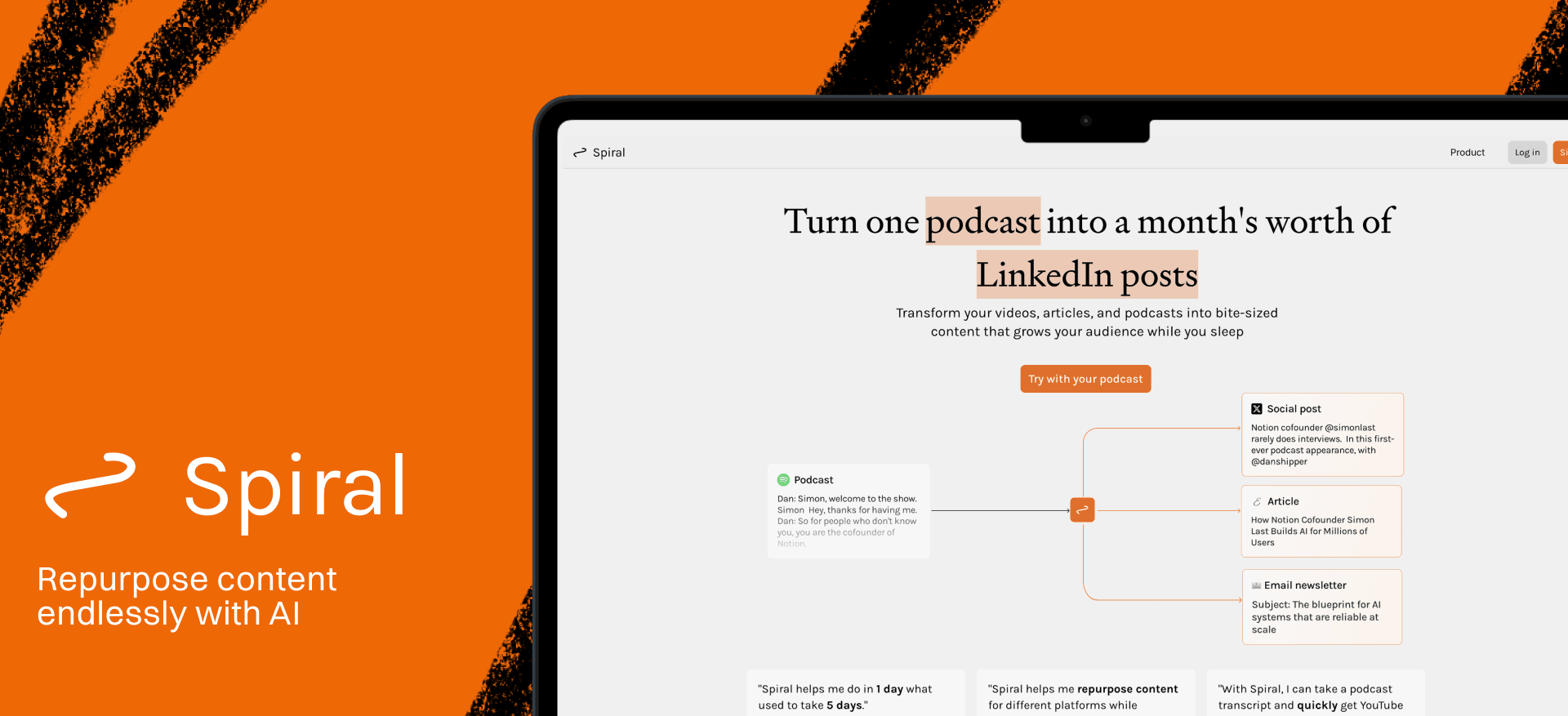
 Bundle of AI software



 Katie Parrott
 Every Staff
 Kieran Klaassen
Comments