
We use analytics and advertising tools by default. You can update this anytime.

Jack Cheng is a senior editor at Every. He is a creative generalist and the author of two novels for young readers.
When creativity is a moving target, personal experience is golden
Dec 15, 2025 · 10 min readUpdated Aug 23, 2026
Earlier this year, Willem Van Lancker argued that productive friction—the struggle of learning through failure and critique—is what AI threatens to take away. Jack Cheng picks up that thread and pulls it further: When AI makes surface creativity easy, what becomes valuable isn’t just the struggle, but the specificity of your lived experience. Call it “thisness”—the details only you can bring to your work. As creative fields shift faster than ever, personal experience is your most durable edge.—Kate Lee
“The disease you have to fight in any creative field,” says the musician Jack White, is “ease of use.”
Though White asserted this in 2008, today’s AI startups and stalwarts touting creative democratization might take heed. His insight is that creativity is fluid—and aligned with difficulty. When technology changes what’s difficult, what’s creative changes too.
I first came across the quote as a young advertising copywriter in New York City. Since then, I’ve worked across a number of creative disciplines. I co-founded and led design and front-end development at a product studio whose clients included Napster co-founder Sean Parker. I launched one of the first literary fiction projects on Kickstarter and wrote two award-winning children’s novels published by Penguin Random House. In 2023, I completed a postgraduate architecture diploma, and last year I built an iOS notes app using the first wave of AI coding tools.
I’ve seen over the last 17 years what’s difficult, and thus valuable, in these creative fields. As I now watch generative AI infiltrate each of them and smooth away some of those difficulties, I’m also starting to see what might stay difficult and grow more important in the years to come.

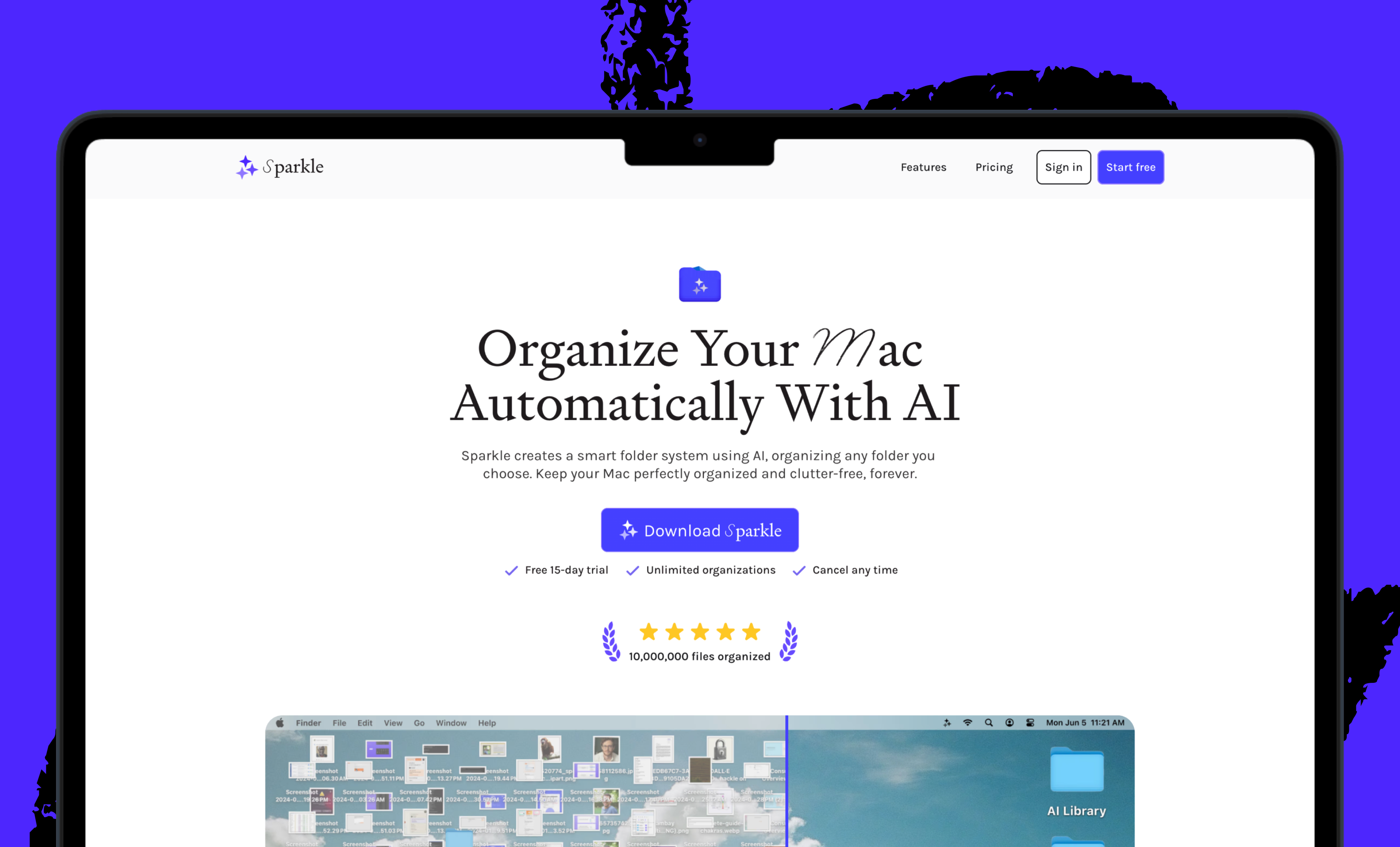
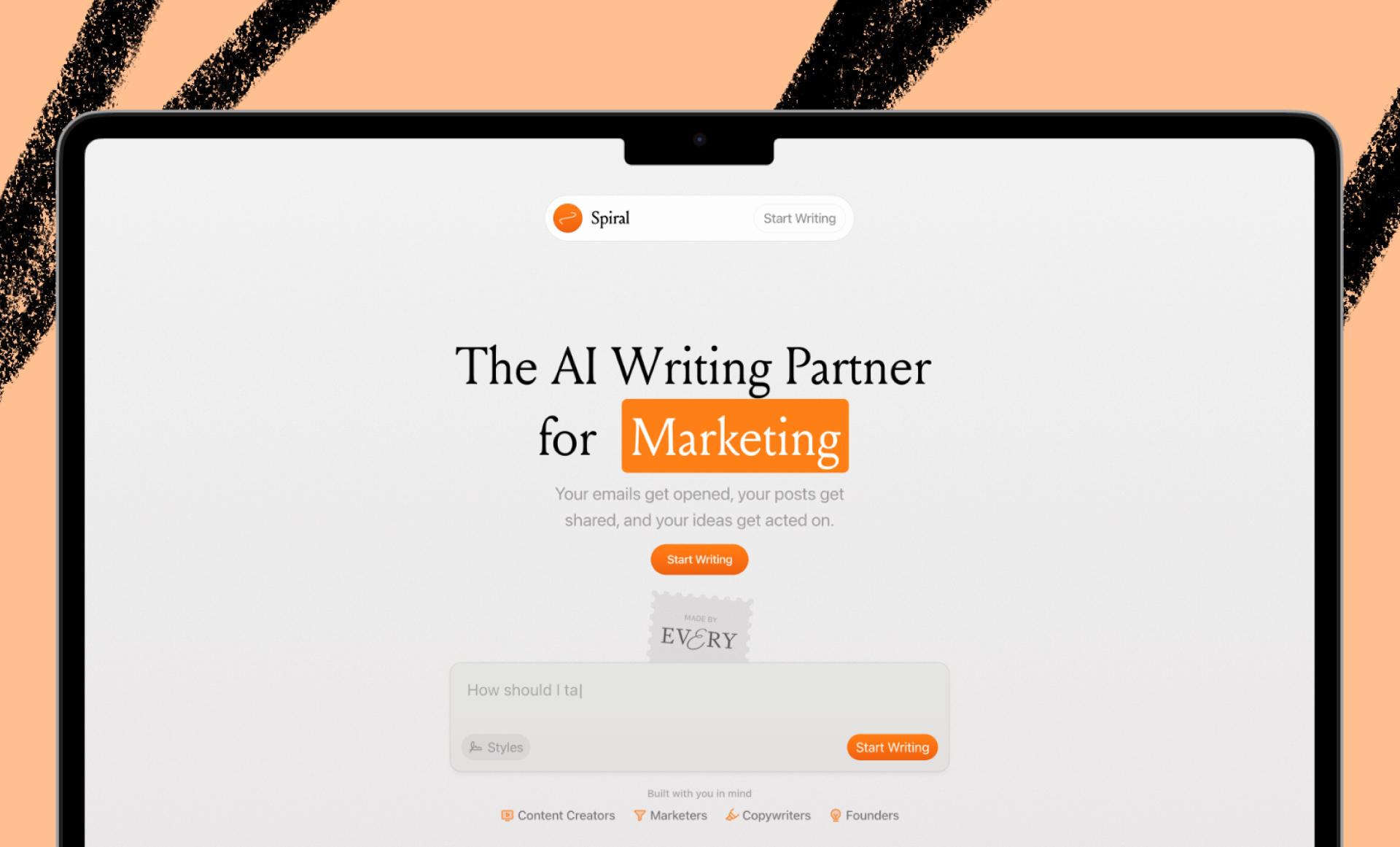
Scattered tools slow teams down. Every Teams gives your whole organization full access to Every and our AI apps—Sparkle to organize files, Spiral to write well, Cora to manage email, and Monologue for smart dictation—plus our daily newsletter, subscriber‑only livestreams, Discord, and course discounts. One subscription to keep your company at the AI frontier. Trusted by 200+ AI-native companies—including The Browser Company, Portola, and Stainless.
One way I think about the moving target of creativity is through the lens of the competitive gaming term “meta,” short for “metagame.” The meta is the current dominant or “best” strategy among a game’s community. It’s the game around the game. As new updates roll out, characters and items are introduced or amended, and new tactics and countertactics are discovered, the meta changes.
In chess, the meta long emphasized attacking at all costs—until the late 1800s, when the first official World Chess Champion Wilhelm Steinitz reinvented the game with “positional chess,” which focused instead on collecting small advantages while your opponent attacked without purpose. Positional chess became the new meta, until eventually it gave way to even newer strategies.
Each creative field has, at any given time, its own meta. In hindsight, this appears broadly as movements or schools of practice. In Western art, realism gave way to Impressionism, which was succeeded by Post-Impressionism, then Expressionism, and so on. In the moment, though, an individual artist or group of artists might notice that a certain kind of art is becoming overdone, and respond to it by trying to make something new and different.
Here’s a writing example. At Every, we use an AI editor as extra eyes on the human-edited articles we publish. One thing this AI editor looks for is “tells” common to AI-generated writing (a poker term, if you needed any more proof of the game). If I write, “AI doesn’t make every hard thing easy; it makes some hard things even harder”—that’s what’s known as a correlative construction. Use them too much, and they grow stale. It doesn’t matter if the author is a chatbot or a human being.
Become a paid subscriber to Every to unlock this piece and learn about:

Scattered tools slow teams down. Every Teams gives your whole organization full access to Every and our AI apps—Sparkle to organize files, Spiral to write well, Cora to manage email, and Monologue for smart dictation—plus our daily newsletter, subscriber‑only livestreams, Discord, and course discounts. One subscription to keep your company at the AI frontier. Trusted by 200+ AI-native companies—including The Browser Company, Portola, and Stainless.
 Create a free account to continue reading
The essential toolkit for those shaping the future

"This might be the best value you
can get from an AI subscription."
- Jay S.
 Every Content
 AI&I Podcast
 Monologue
 Cora
Cora Sparkle
 Spiral
Join 100,000+ leaders, builders, and innovators

Already have an account? Sign in.
Daily insights from AI pioneers + early access to powerful AI tools


 Front-row access to the future of AI
 In-depth reviews of new models on release dayPlaybooks and guides for putting AI to workPrompts and use cases for buildersIn-depth reviews of new models on release dayPlaybooks and guides for putting AI to workPrompts and use cases for builders
 Bundle of AI software







 Katie Parrott
 Every Staff
 Kieran Klaassen
Comments