

Sari Azout on Building Emotional Capital
“Companies need financial capital. But they also need emotional capital—good energy, positivity, and resilience.”
Sep 17, 2021 · 12 min readUpdated Jul 22, 2026

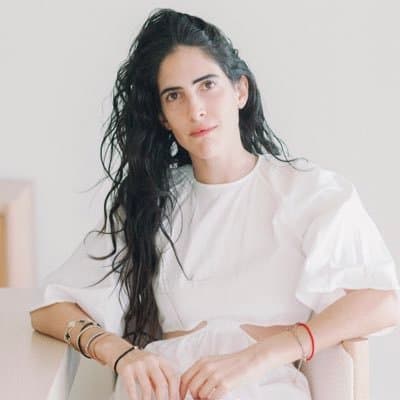
Sari Azout is a seed stage investor at Level Ventures, founder of the startup database Startupy, writer of the newsletter Check Your Pulse, and the mother of three young children— and she still has time to fire off an insightful tweet now and then.
I first became aware of Azout’s work when the description of Check Your Pulse, “a tech and startups newsletter designed to make you feel human,” caught my eye. My interest was further piqued by her essay, “From Winner Take All to Win and Help Win: the Original Vision of the Internet is Making a Comeback,” which she and collaborator Jad Esber minted as an NFT. And then I got fully on board with her work when she introduced Ghost Knowledge, a crowdfunding experiment intended to unlock wisdom from experienced operators. At a time when trust in technology is at an all time low, Azout’s optimistic insistence on mapping technological progress to tangible improvement in human lives is refreshing. What matters most to Azout is strengthening our ties to each other.
A native of Colombia who was born into a family of entrepreneurs, Azout came to the U.S. for college. After a brief stint in investment banking, she left the corporate world to launch Bib + Tuck, an online marketplace for buying and selling clothes, which she and her business partner sold in 2015. Since then, Azout has been steadily introducing projects and funding companies that make good on her mission to “bring more humanity and creativity to technology and business.”
Sara Campbell: It’s apparent when reading Check Your Pulse (and anything about Startupy) that you place a high priority on mental well-being. Were you raised that way? Or was that something you had to learn? Would especially love to hear about any events or lightbulb moments you've experienced that influenced you.
Sari Azout: I wasn’t raised that way, but I learned early on when I was working on my first startup that poor emotional health kills more startups than competition or market forces do, and I was surprised by how under-discussed this was. Building a company is an inspired person’s game—you need to be happy, excited, and able to put forth your best self to do great work. Later on, when I started investing, I saw many founders struggle quietly with imposter syndrome and burnout. It became so clear to me that a healthy mind is an entrepreneur’s biggest competitive advantage.
In a recent issue of Check Your Pulse, you said, “What makes work good is time to read, think, slow down, and create a rich inner life. In other words, good work comes from slowing the fuck down and trusting that good ideas will come through if we give ourselves enough time and space to see them.” How do you make space to do this amidst all the competing demands you encounter as a parent, founder, writer, investor, etc?
It’s taken me a while to warm up to the idea that thinking is working, and that what is actually work can at first look lazy. I love Naval [Ravikant’s tweet], “Be too busy to do coffee while keeping an uncluttered calendar.” More often than not, spending two hours thinking about a problem is a much better use of my time than taking two calls without an agenda, which ends up fragmenting my attention. It’s incredible what you can do in 4-5 hrs a day if you’re working on the right thing. I think people need focus more than they need intensity.
You said recently that your guiding principle for building Startupy is to “strip away the bullshit.” You also said you’re “building the business at a pace that suits my sanity.” We’re so accustomed to startup founders who talk about building at breakneck speed that patience like this is radical. Can you give us a sense of what your way looks like?
Being a parent has made me a lot more accountable for how I spend my time. When you have less time, you are forced to squeeze out the stuff that doesn’t matter and are left with the stuff that does, and the reality is that compression works.
The most important question for me is, "How do I want to spend my days?" And the answer is: I want to spend my time thinking, creating, and ideating with a small group of people to build a beautiful, creative, values-aligned business. I am not interested in 14-hour work days, back-to-back meetings that deplete my energy, can’t catch a breath to-do lists, endless projects I’ll half-ass due to exhaustion, or scaling a team so fast that it’s impossible to get everyone rowing in the same direction. I’m also not interested in building an empire. You have to figure out what success means to you rather than accepting others’ views. Considering this, I try to make sure my choices are in favor of these goals. That includes not hiring an additional person when a contractor will do, building an asynchronous-first written culture, and measuring output, not inputs. On the asynchronous-first topic, I’ve been very inspired by Amazon’s written culture, as depicted here.
Issue #61 of Check Your Pulse was especially philosophical, as you used it as an opportunity to reflect on your life in the wake of a health crisis that landed you in the hospital. One of your reflections was: “'This too shall pass.' Call it obvious, but it’s taken me my entire life to half-master this axiom.” Can you tell us about how you’ve gotten to “half-mastery” here?
Motherhood hit me like a pile of bricks. The sleep deprivation, the temper tantrums, the picky eating... it was all so hard. And then my children grew (they’re now 4 and 6) and I could appreciate that challenging times were temporary.
More recently, I had a serious health scare—my lung collapsed out of nowhere and I was in the hospital for two weeks before undergoing surgery at seven months pregnant. The physical pain I endured (I could get very little in the way of pain meds due to the pregnancy) felt unbearable. I couldn’t walk or stand up for weeks, and it was hard to imagine myself going back to normal. I’m still not fully on the other side, but I’m far enough from that to appreciate that everything is temporary. Everything is figure-out-able.
There is so much wisdom on display in the Twitter thread you posted after your hospitalization. I love this bit in particular: “We are great at focusing on what is missing from our lives. This dissatisfaction keeps us from complacency (a good thing) but it also keeps us over-achievers from taking stock and noticing what is already very good.” Given these practices can be at odds, have you been able to find a balance between tuning into your ‘noticing’ mode and your ‘achieving’ mode?
I wish I could say I have it all figured out. As someone who is very driven and has more ideas than time, I often live inside my head. The reality is it took a near-death health scare to shatter the illusion of security and privilege and remind me not to take the small pleasures for granted.
These small beautiful things we experience—the hot shower, the home cooked meal, the commute to work while listening to a podcast, the color of the sky—it’s possible not to have them. If you take a moment to imagine not having them, the good fortune of having them is no longer lost on you. We appreciate so much more of every day when we notice the small pleasures instead of reserving our gratitude for the big life events.
Practices and strategies for bolstering your mental health are so specific to the individual – what works for one person does not necessarily work for someone else. That said, what have you found to be most effective for you?
What works for me is lots of yoga and meditation, dance sessions with my kids, spending time in nature, and making lists (I always feel better after making lists).
I make lists about everything and break them down into categories like Family, Personal, Startupy, Newsletter, etc. I use old school Apple Notes — it doesn't have fancy features like bidirectional linking but I love how easy it is to access from my phone/desktop and how it allows for easy capture wherever I am.
Under Personal, I include everything from "get my sister a birthday gift" to "buy kids school uniforms.” On the Work side, I break complex things down into smaller, achievable blocks. For example, instead of "Write a blog post on X," which will take longer than a day, I will say something like "Outline/idea dump for blog post on X," which is far friendlier and more likely to get done. I also like to allocate time for deep thinking about something specific, so I'll often include things like "Think about Curator Onboarding strategy for Startupy," which has a less defined outcome but normalizes the idea that thinking is working.
I am more creative than I am organized but I believe that impact = creativity x organization. My to-do lists are flexible in that they are not structured by day. They are just a big list of actionable things broken down by category. I start my day by looking at the lists and based on what I'm in the mood to work on and what feels like a priority that day, I decide what to tackle. This gives me a sense of order and control without compromising flexibility.
What signs come up for you when things are not going so well, mental-health wise? For example, I’ve noticed that when I start being overly forgetful, it’s usually a sign there’s a larger issue at play.
The sure sign for me is I lose my patience and take it out on my kids, my husband, or my co-workers. When that happens, it’s usually less about them and more a reflection of something else going on in my life.
I like to label feelings (burnout, stress, anxiety), and be explicit with the people in my orbit. I subscribe to the belief that all problems are people problems and if you believe that, that means people are the solution too.
After going through lung surgery at seven months pregnant, I felt pressure to power through the pain and anxiety and keep crossing things off my to-do list, but I wasn't showing up to work as my best self. Being honest with the people around me about needing time off is the only thing that helped.
Is there something you wish you had known ten years ago when it comes to mental health?
I wish I had an ownership mindset sooner. It’s very easy to become a victim of your circumstances. But if you take ownership of your life and see the things that happen as “happening for you” and not “to you,” that’s a powerful place to be.
I had a bit of an “aha” moment when I was in the hospital recently. I was in a good place and had a lot of momentum career-wise when it happened, so the whole incident really disrupted a lifelong illusion of full control over my life and an obsession to have everything figured out.
What was surprising is that during the most physically challenging and painful moment of my life, I was overwhelmed by a feeling of gratitude. I felt grateful that at 33 years old I had experienced something that would forever haunt me and remind me to not take anything for granted. The sense of powerlessness I had in that moment in some ways freed me from a life-long obsession with output. It rid me of expectations of how things should unfold and forced me to let go. In many ways, I am more focused on the process and the inputs now, because I know life is weird and twisty and serendipitous and unpredictable—and perfectly orchestrated to teach us the lessons we need to learn.
Substance use and substance abuse are common for founders and in startups generally, as a response to stress and isolation. Have drugs or alcohol or other coping mechanisms played a role in your life? Have you seen your relationship to substances change over your career?
I don’t drink alcohol or consume any substances. I’ve seen it destroy too many people’s lives and I made a conscious choice to keep them away from mine.
I made the choice to abstain from alcohol in college (alcoholism runs in my family and I was afraid of repeating the cycle), so I've gotten used to being made fun of for not drinking. Amongst my friends, I've always been "the girl that doesn't drink." I don't really like that label, but it also taught me to not care what other people think.
Many people critique out of insecurity—they are caught in a cycle of self-medicating using adderall, nicotine, alcohol, ambien, etc...
I don't know that I have anything smart to add to this topic other than I'm happy to see consumer behavior changing. I invested in non-alcoholic beverage alternative Ghia, which is the drink I wish I had when I was living in NYC and going to events and parties all the time.
Have self-doubt or “impostor syndrome” been an issue for you? How have you approached them, if so?
Self-doubt has always been an issue. I was born and raised in Colombia and only moved to the U.S. for college. As an international student and a woman, I always felt insecure about my English, my writing, my ambition. I think what’s helped me is meeting my heroes. They say “you should never meet your heroes” because it’ll likely end up being a disappointment. I disagree. I think meeting my heroes—the people I most look up to—is what’s made me realize we’re all humans and there is nothing separating me from them.
Being honest also helps. Every time I’ve shared the burdens and realities of what I’m going through with others, either 1:1 or publicly, the universe finds mysterious ways to help. People are tired of filters and polished stories of overnight success. Vulnerability is refreshing.
Lastly, I read something recently (I don’t know where) that I jotted down in a post-it to keep around my desk: “Confidence won’t automatically get you results, but self-doubt sets your ceiling.” I thought that was powerful.
What advice would you give someone who is experiencing burnout, or struggling to keep up with the demands of the working world in general?
Specifically for founders, our identity is often tied to our company’s success. But that’s just buggy code in our systems. You have to actively work to debug that and do whatever you can to decouple your self-worth and your identity from your achievements.
I was forever changed by Clay Christensen's book, "How Will You Measure Your Life?" and the idea that the source of deepest joy in our lives comes from intimate, loving, and enduring relationships, not from our achievements. The quality of our relationships is the single metric that matters and yet it's inconsistent with how most of us spend our time.
I've made a conscious effort in the last few years to invest more of my time and energy into relationships that matter.
Companies need financial capital. But they also need emotional capital—good energy, positivity, and resilience. Ironically, being surrounded by close friends and having a strong support system is the best source of emotional capital for founders.
Good relationships make for a healthy mind. A healthy mind leads to healthy actions, and good actions lead to successful outcomes. It's a powerful flywheel.
The Only Subscription
You Need to
Stay at the
Edge of AI
The essential toolkit for those shaping the future

"This might be the best value you
can get from an AI subscription."
- Jay S.
 Every Content
 AI&I Podcast
 Monologue
 Every Agent
Join 100,000+ leaders, builders, and innovators

Already have an account? Sign in.
What is included in a subscription?
Daily insights from AI pioneers + early access to powerful AI tools
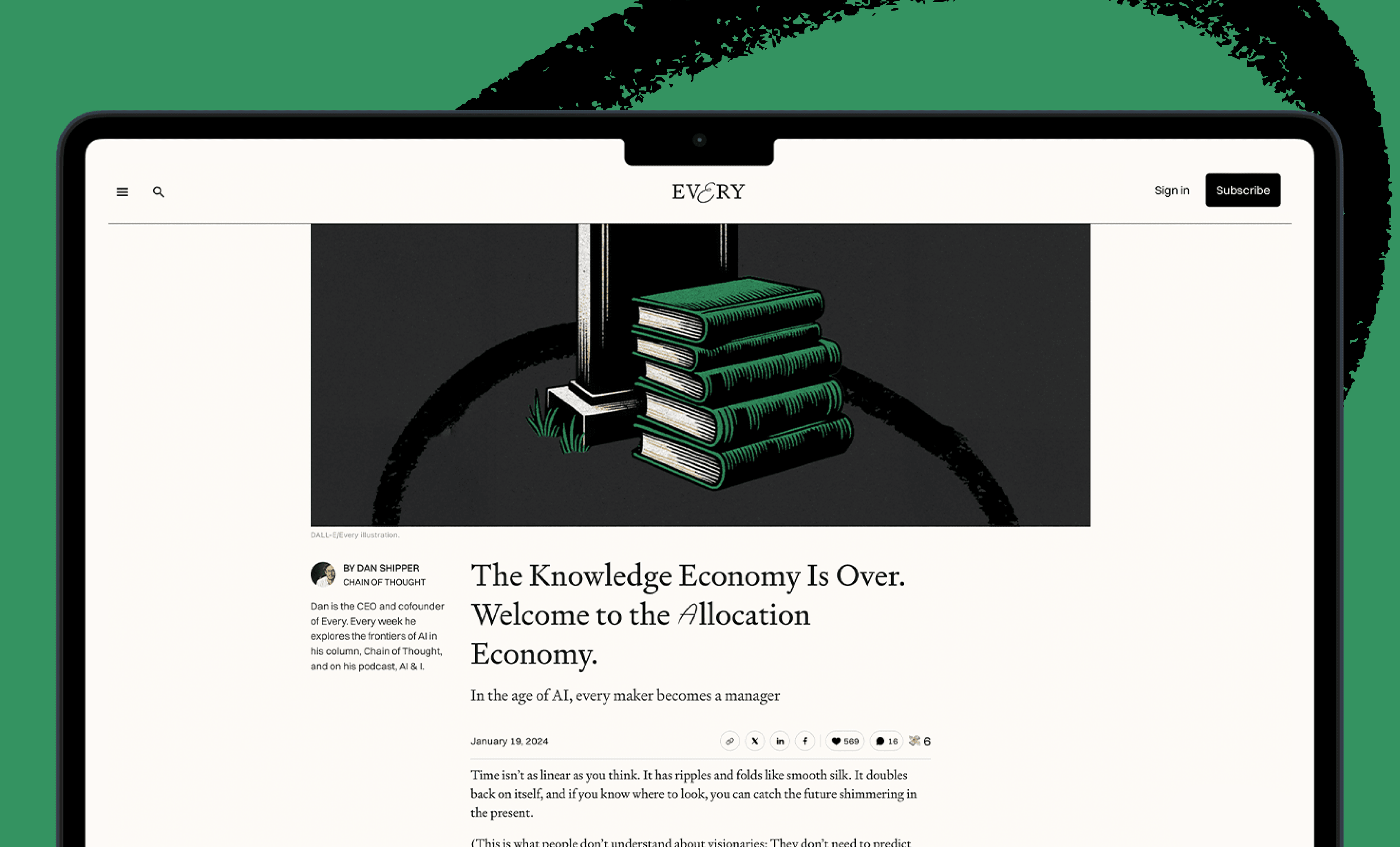
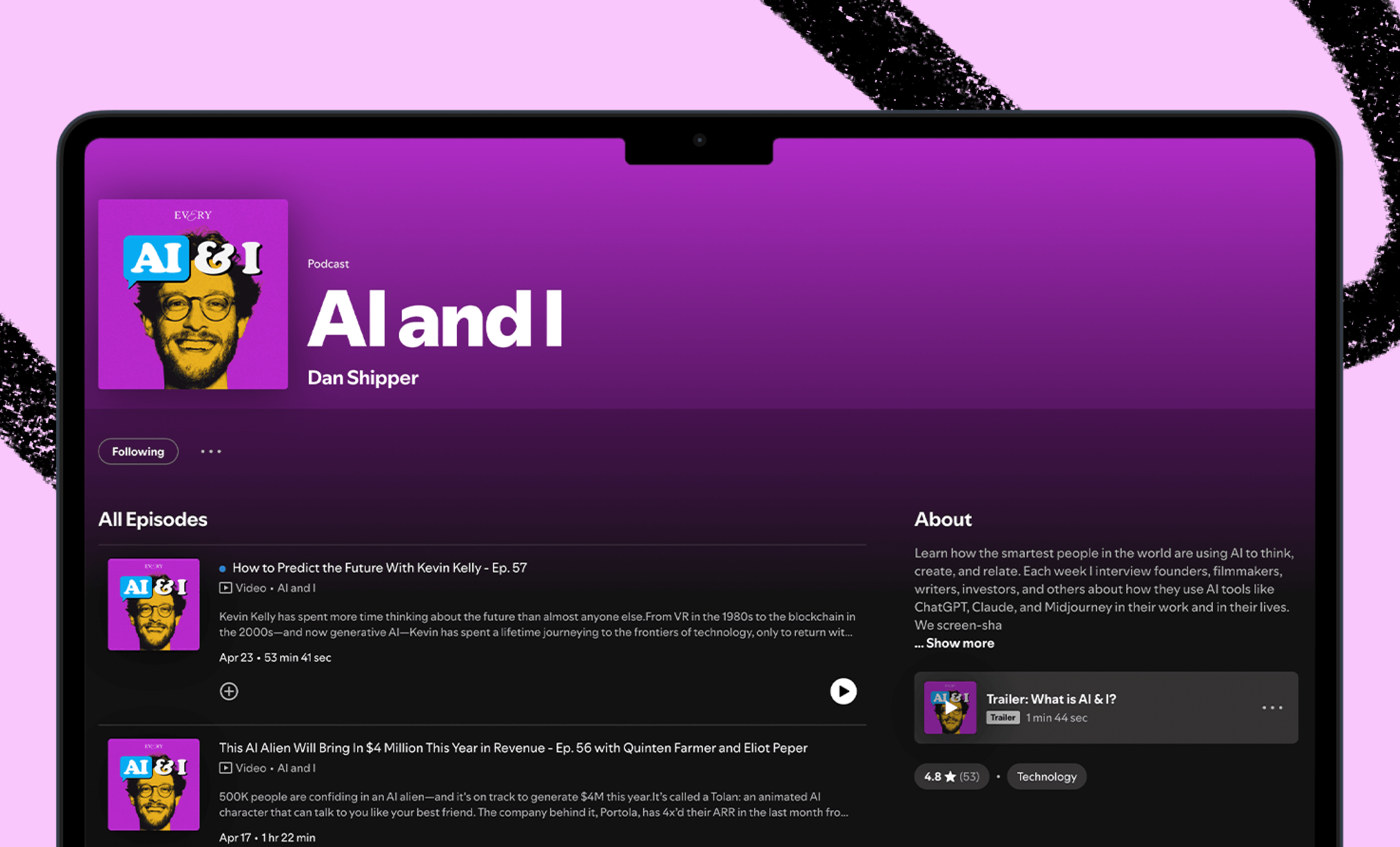
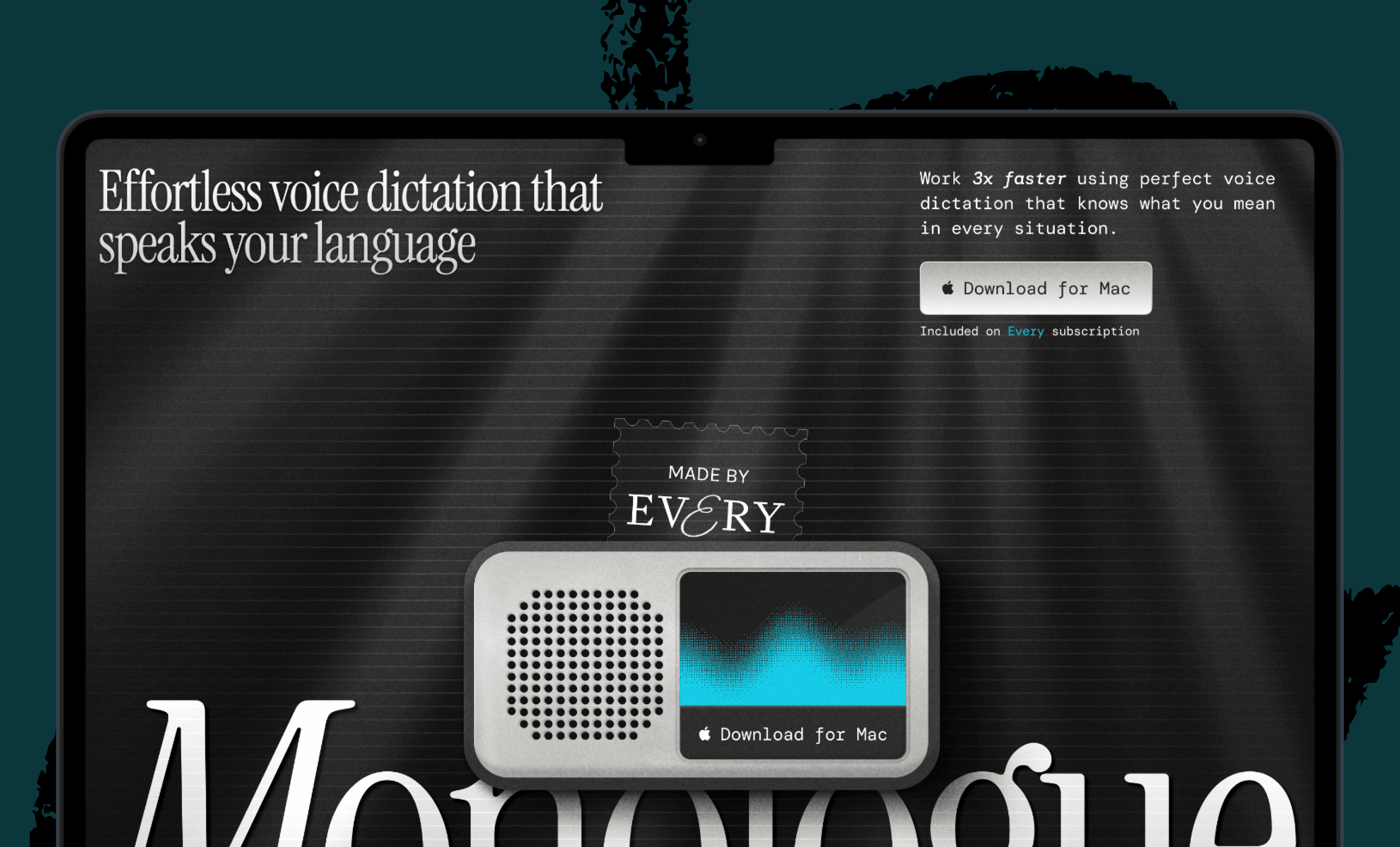
 Front-row access to the future of AI
 In-depth reviews of new models on release dayPlaybooks and guides for putting AI to workPrompts and use cases for buildersIn-depth reviews of new models on release dayPlaybooks and guides for putting AI to workPrompts and use cases for builders
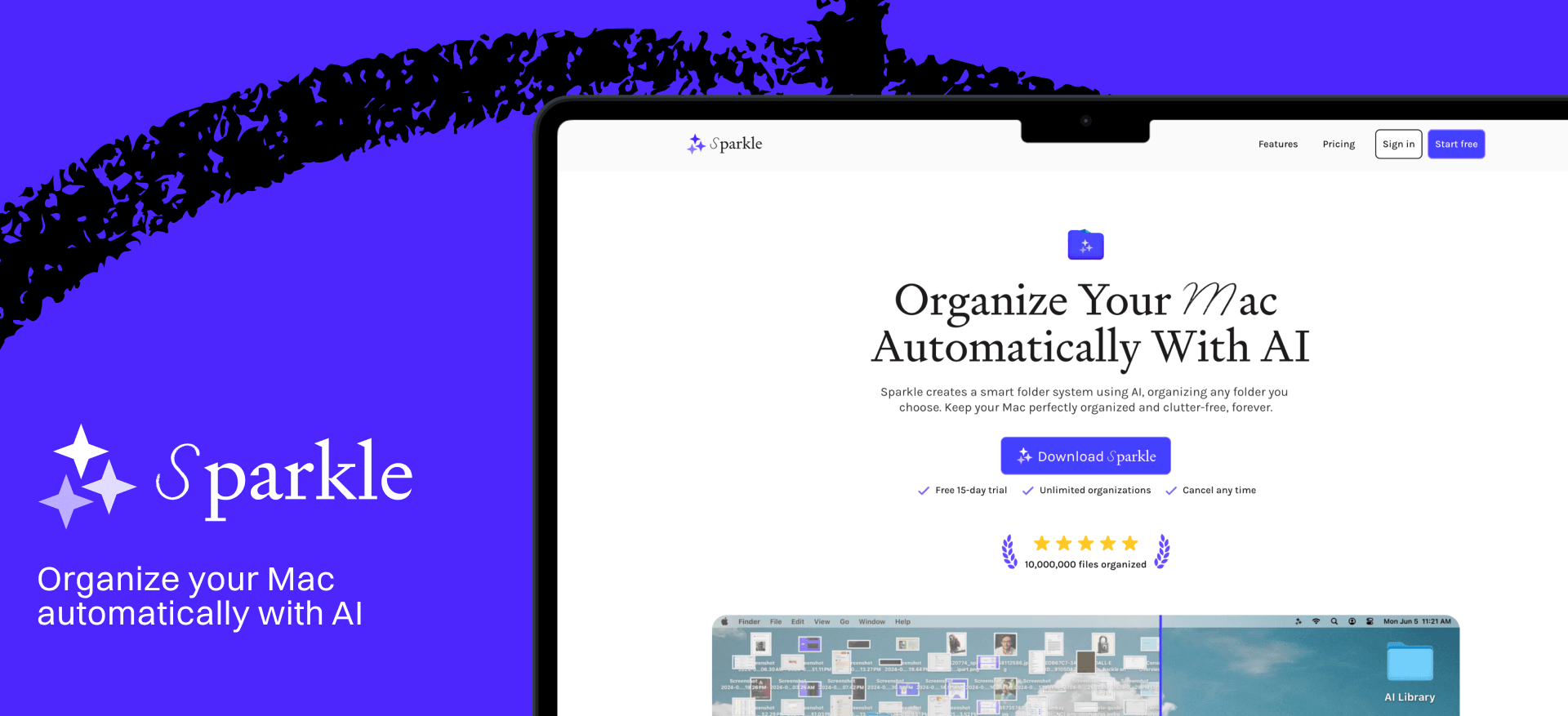
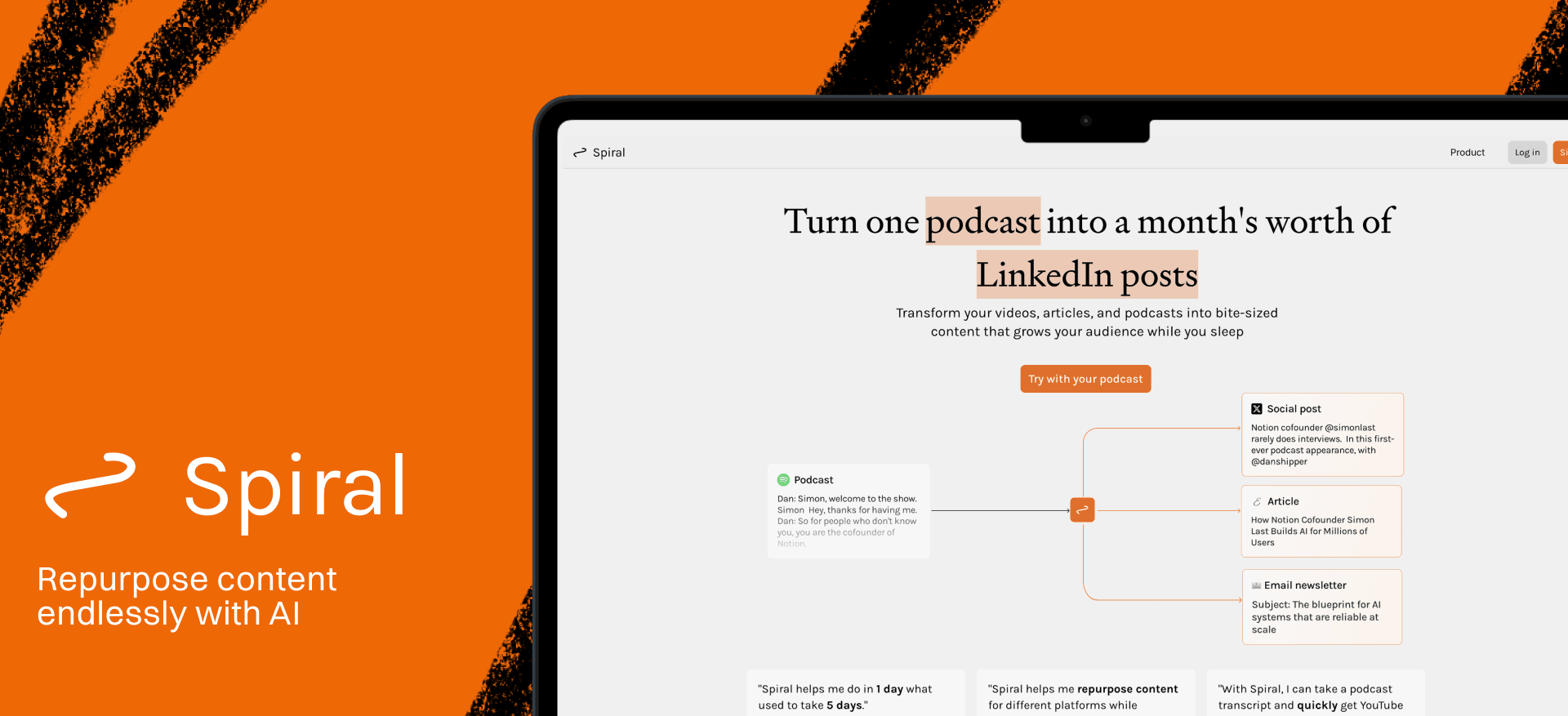
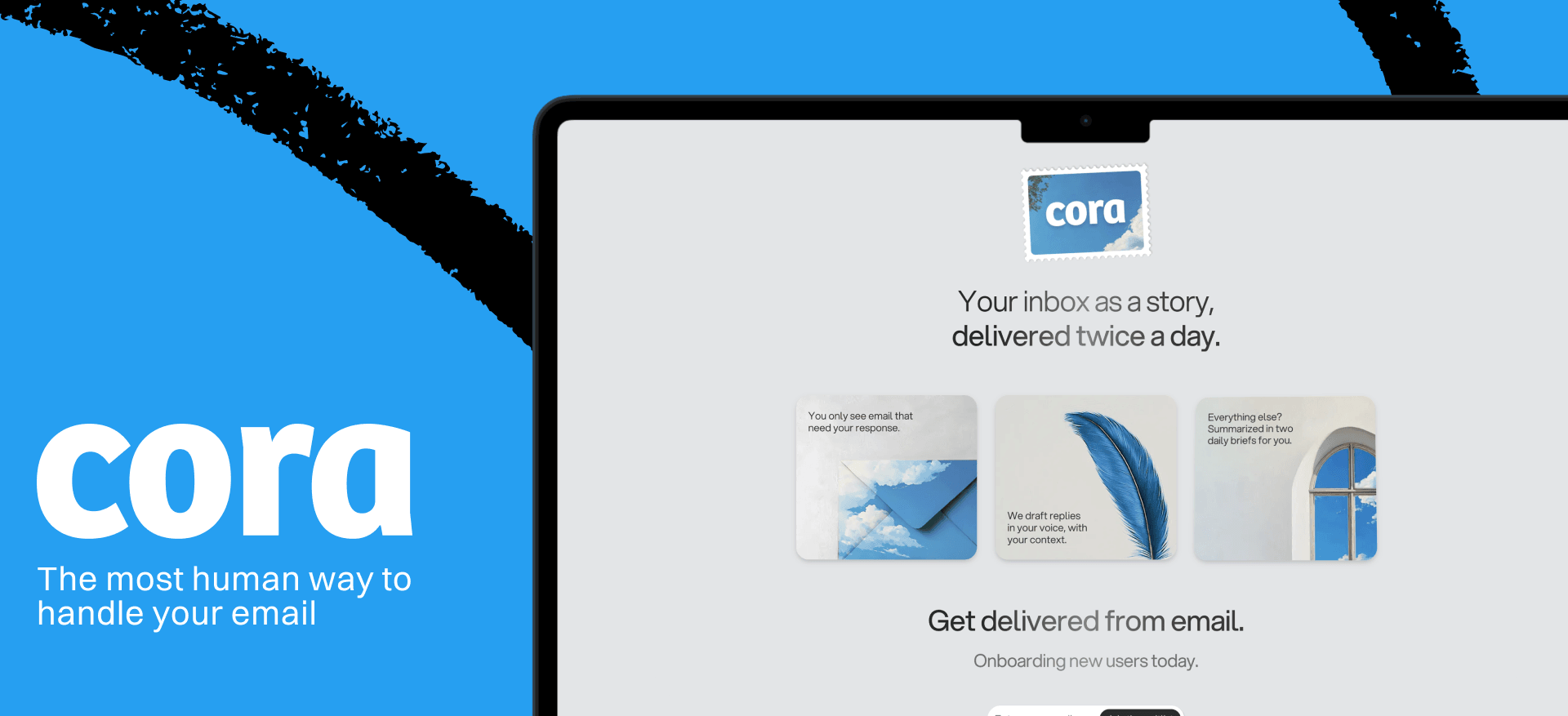
 Bundle of AI software



 Katie Parrott
 Every Staff
 Kieran Klaassen
Comments