

Dan Shipper is the CEO and cofounder of Every. Every week he explores the frontiers of AI in his column, Chain of Thought, and on his podcast, ‘The Every Podcast’.

The Every Bundle Now Includes Cora
Free yourself from email (and get our writing and 3 other high-quality AI apps)—for just $20 per month
Feb 4, 2025 · 5 min readUpdated Oct 1, 2026

TLDR: The Every bundle now includes Cora—the most human way to manage your inbox. The waitlist is currently 10,000 users strong, but Every subscribers jump to the front. To gain early access, sign up for Cora’s waitlist and become a subscriber today.
In December we launched the waitlist for our newest product: Cora, the most human way to manage your inbox with AI. Since then, more than 10,000 people have signed up, and the feedback has been (mostly) amazing.


- Cora, a better way to manage your email
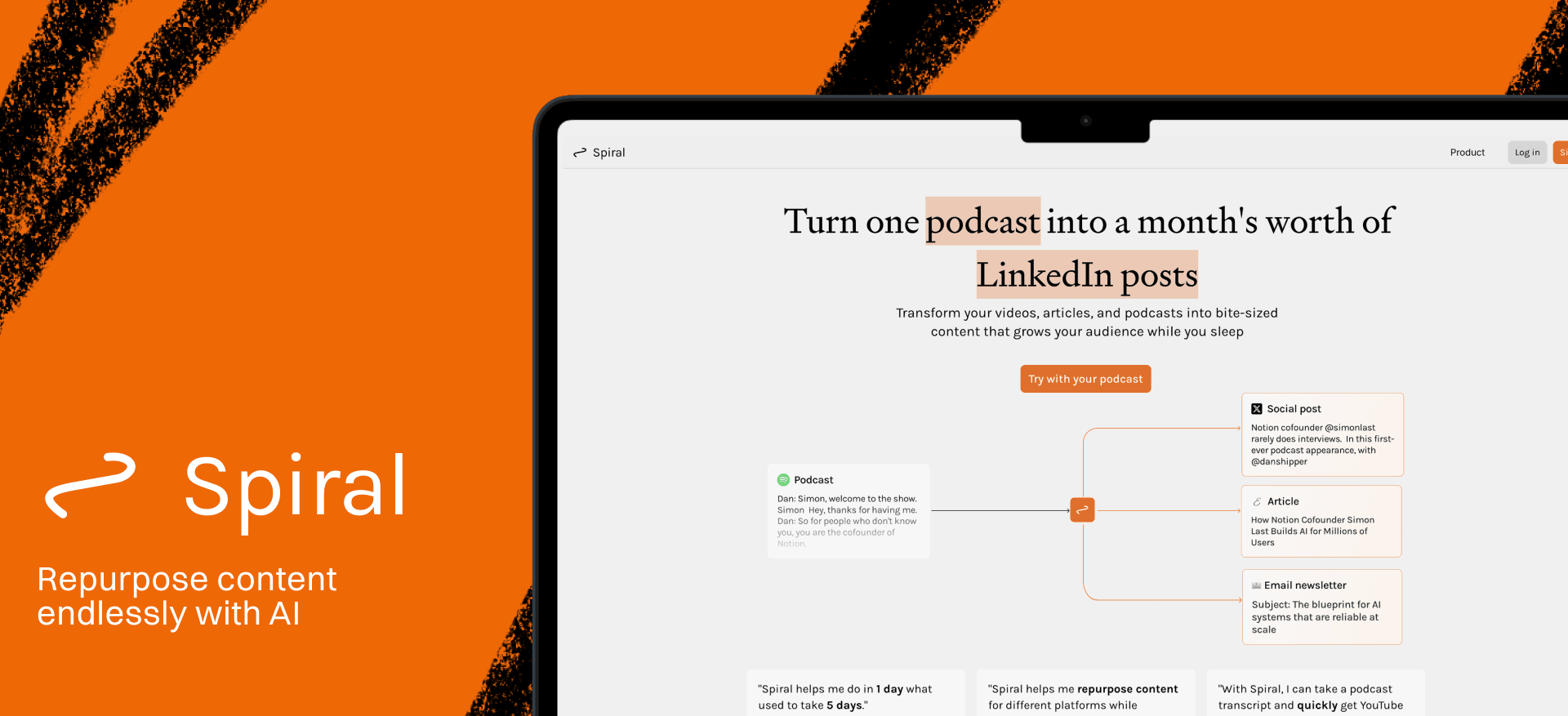
- Spiral, the best way to repurpose content
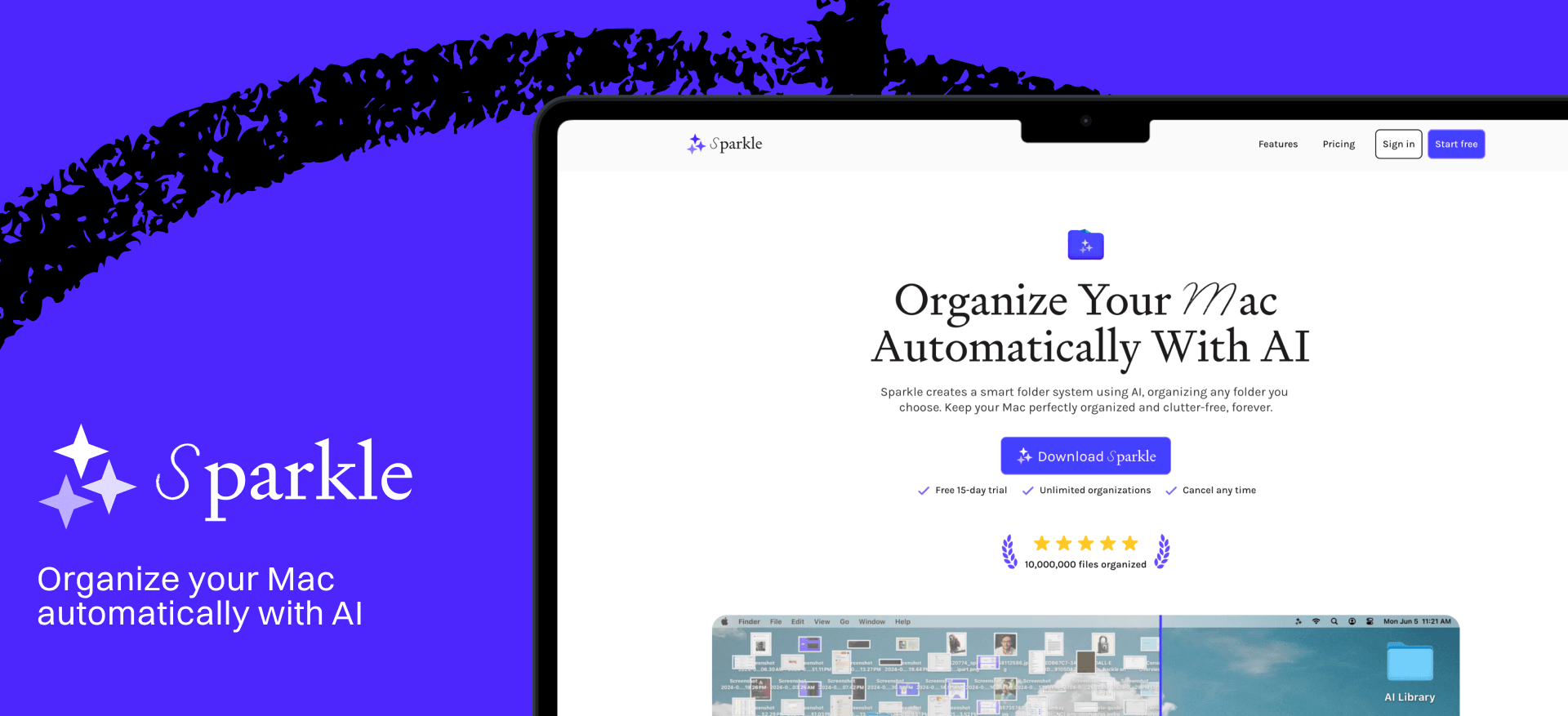
- Sparkle, file organization across your Mac
- Lex, AI-powered writing
In addition, you’ll get all of the writing we publish every day covering what comes next in AI, discounts to courses like How to Write With AI, and our AI consulting expertise.
We think it’s by far the best deal on the internet for anyone who wants to stay up to date on AI and use AI tools to do the best work of their lives. Individually, each part of the bundle would cost $65 per month or more—but Every subscribers get access for just $20 per month. And we’re incubating new tools all the time that will expand the bundle’s value in the near future.
Paid subscribers who are on the waitlist can skip to the front starting today, and all paid subscribers will have access in the coming months. The waitlist has more than 10,000 people, so if you want to skip the line:
We always like to give a behind-the-scenes look at how we build our products, so I wanted to take some time to walk you through Cora.How we lowered AI costs
We always knew we wanted Cora to be part of the bundle, but originally it was way too expensive for that to be realistic. Initial versions of the product cost between $25-35 per user per month in AI inference costs to run. That’s crazy.
Now, it costs less than $5 per month. And we expect that to get even cheaper soon. How did we do it?
First, Cora’s general manager Kieran Klaassen loaded a few LLM request-heavy parts of the codebase into OpenAI’s o1 Pro—the version of the model that costs $200 per month. It found a ton of extraneous calls and fixed them in one shot. (Pretty good deal for $200!)
Then, Kieran realized that most of our inference costs were coming from summarizing newsletters. He switched the newsletter model from 4o to 4o-mini, and costs went down again by approximately 10x. Turns out, Cora users subscribe to a lot of newsletters.
Which brings me to my next point: our summaries.
Prompt engineering
One of my favorite rituals in building Cora is sitting down with Kieran on Friday mornings and writing prompts to try and improve email summarization quality. Every week, I hand-summarize a few of the emails in my inbox—everything from newsletters to long email chains between coworkers. Then, Kieran turns those summaries into rules and few-shot examples for Cora to use in everyone’s inbox.
It’s a totally new kind of writing—I think of it as meta-writing. We try to do this every week so that the system gets better and better. After months (or years!) of doing this, I expect the summaries in Cora to be exceptional.
Cora is sticky
If you’ve interacted with Cora at all—whether as a member of the waitlist or a user—you’ve no doubt interacted with Brandon Gell, our head of Studio. Brandon has been relentless in communicating with everyone that’s using Cora so that we know what’s working, what’s not, and how to steer the ship.
He started by hand-onboarding new users in January. Here’s a sample day from his schedule:
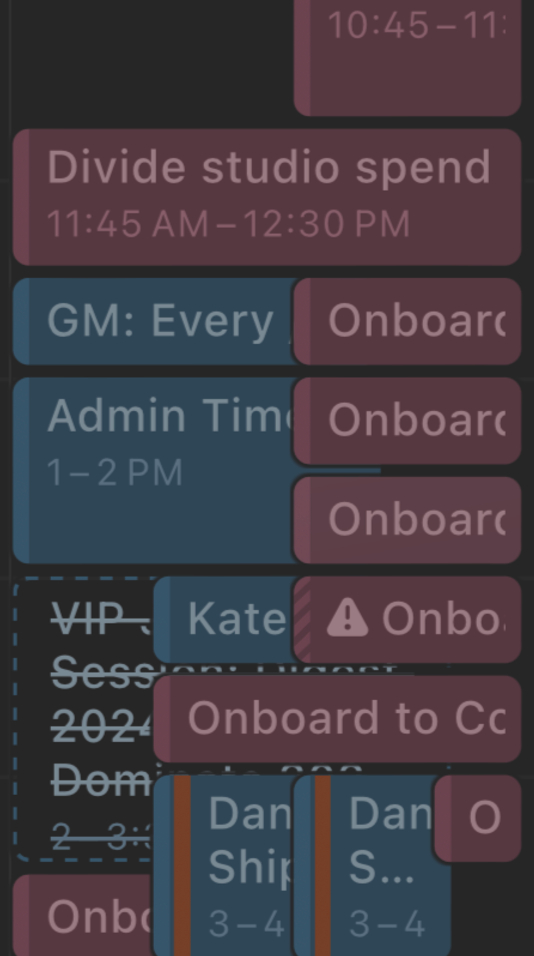
This is not for the faint of heart, but it’s been one of the most valuable ways of learning about what we’re building. What Brandon found is that Cora is incredibly sticky: Once you start using it, you keep using it—every day. And that’s special.
But trust is the most important thing for people to start using Cora. Trust is currency—and if you lose it, you lose your users. The number-one fear that people have in using Cora is that they’ll miss an important email. That’s impossible—any email Cora archives will be presented to you in your brief and remain in Gmail with a label—but it’s the feeling that matters.
We’re very good at making sure that doesn’t happen today, but once Cora is rolled out to paid subscribers, we’re going to spend a few weeks to make this even better. We have some ideas that we think will feel magical.
Invitation system
Cora has grown virally, even though it’s not yet released publicly. This week we’re hoping to make that viral growth even better by allowing users to invite their friends to skip the waitlist.
The waitlist invitation system was designed by Every creative lead Lucas Crespo (and it is gorgeous!).
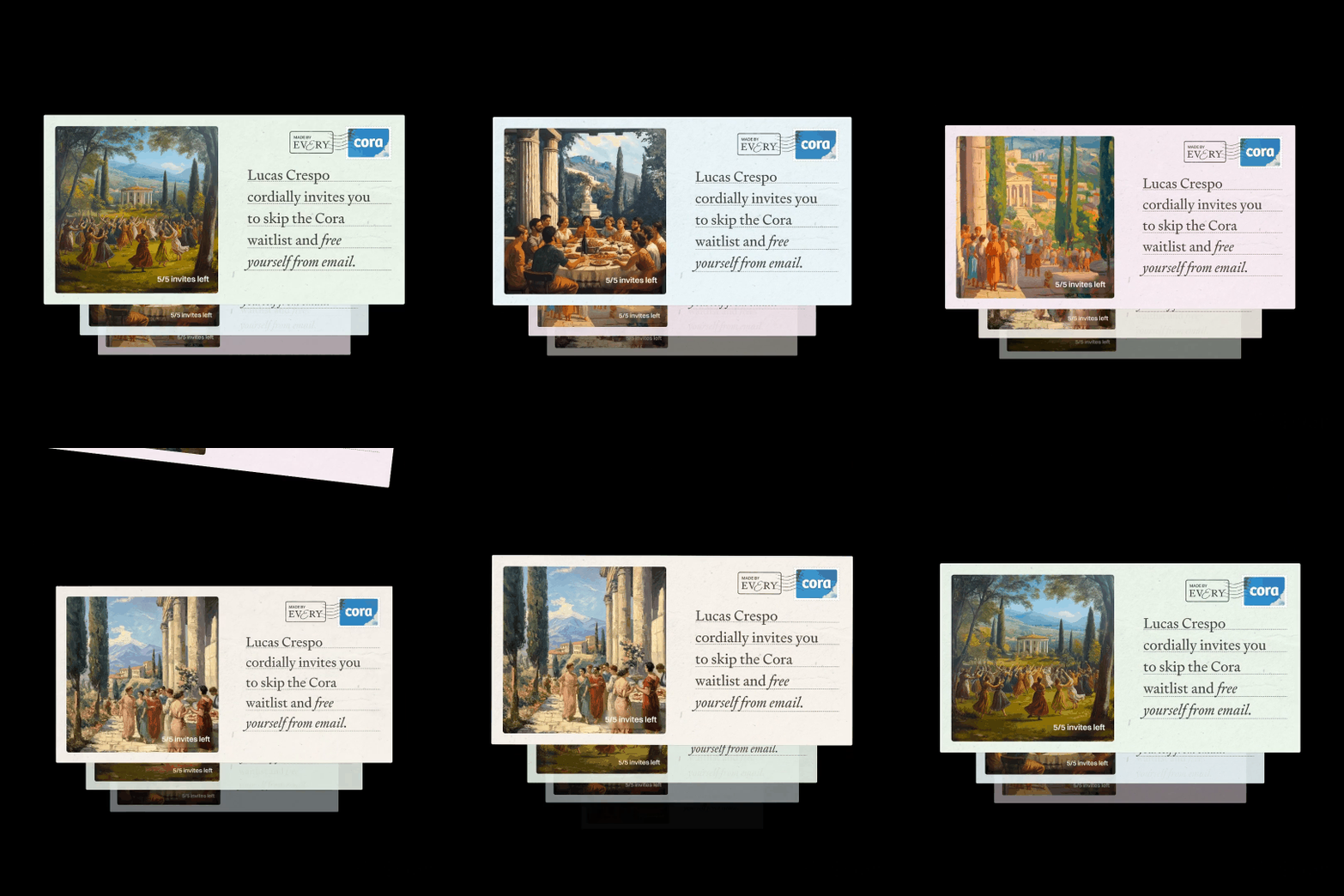
At Every we care a lot about how useful what we make is, but we also care deeply about how it feels. And we think touches like this make a difference between a good product and a great one.
If you get one of these, we hope it puts a smile on your face—and leads to a quieter inbox.
Dan Shipper is the cofounder and CEO of Every, where he writes the Chain of Thought column and hosts the podcast AI & I. You can follow him on X at @danshipper and on LinkedIn, and Every on X at @every and on LinkedIn.
We also build AI tools for readers like you. Automate repeat writing with Spiral. Organize files automatically with Sparkle. Write something great with Lex. Deliver yourself from email with Cora.
Get paid for sharing Every with your friends. Join our referral program.
 Subscribe to read the full article
The Only Subscription
You Need to
Stay at the
Edge of AI
The essential toolkit for those shaping the future

"This might be the best value you
can get from an AI subscription."
- Jay S.
 Every Content
 AI&I Podcast
 Monologue
 Every Agent
Join 100,000+ leaders, builders, and innovators

Already have an account? Sign in.
What is included in a subscription?
Daily insights from AI pioneers + early access to powerful AI tools


 Front-row access to the future of AI
 In-depth reviews of new models on release dayPlaybooks and guides for putting AI to workPrompts and use cases for buildersIn-depth reviews of new models on release dayPlaybooks and guides for putting AI to workPrompts and use cases for builders
 Bundle of AI software






 Katie Parrott
 Every Staff
 Kieran Klaassen