


Laura Entis is a staff writer at Every.

You’re the Manager Now
Plus: Why small models can't match Mythos, an AI workflow confidence check, Claude Code token tracking, our agent-muting plugin, the AI philosopher draft, and a mini-Vibe Check on Dia
Apr 16, 2026 · 7 min readUpdated Jul 10, 2026

Was this newsletter forwarded to you? Sign up to get it in your inbox.
Now, next, nixed
Developer UI
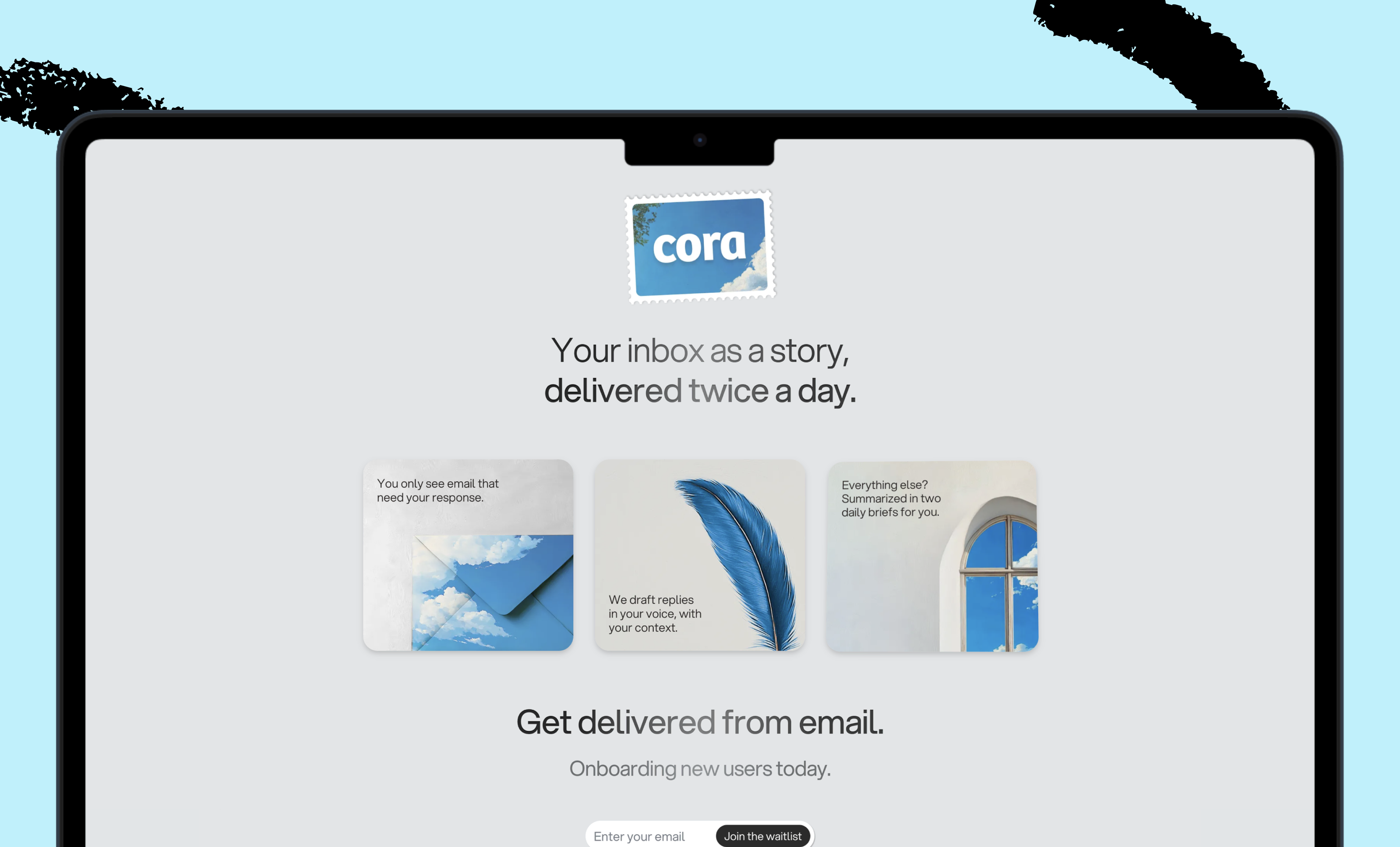
Now: Anthropic gave Claude Code’s desktop app a redesign, adding a sidebar for managing sessions, drag-and-drop panes, and an integrated terminal and file editor. Altogether, it makes it easier to work multiple projects in parallel. Cora general manager Kieran Klaassen was thrilled—this was already his preferred setup.
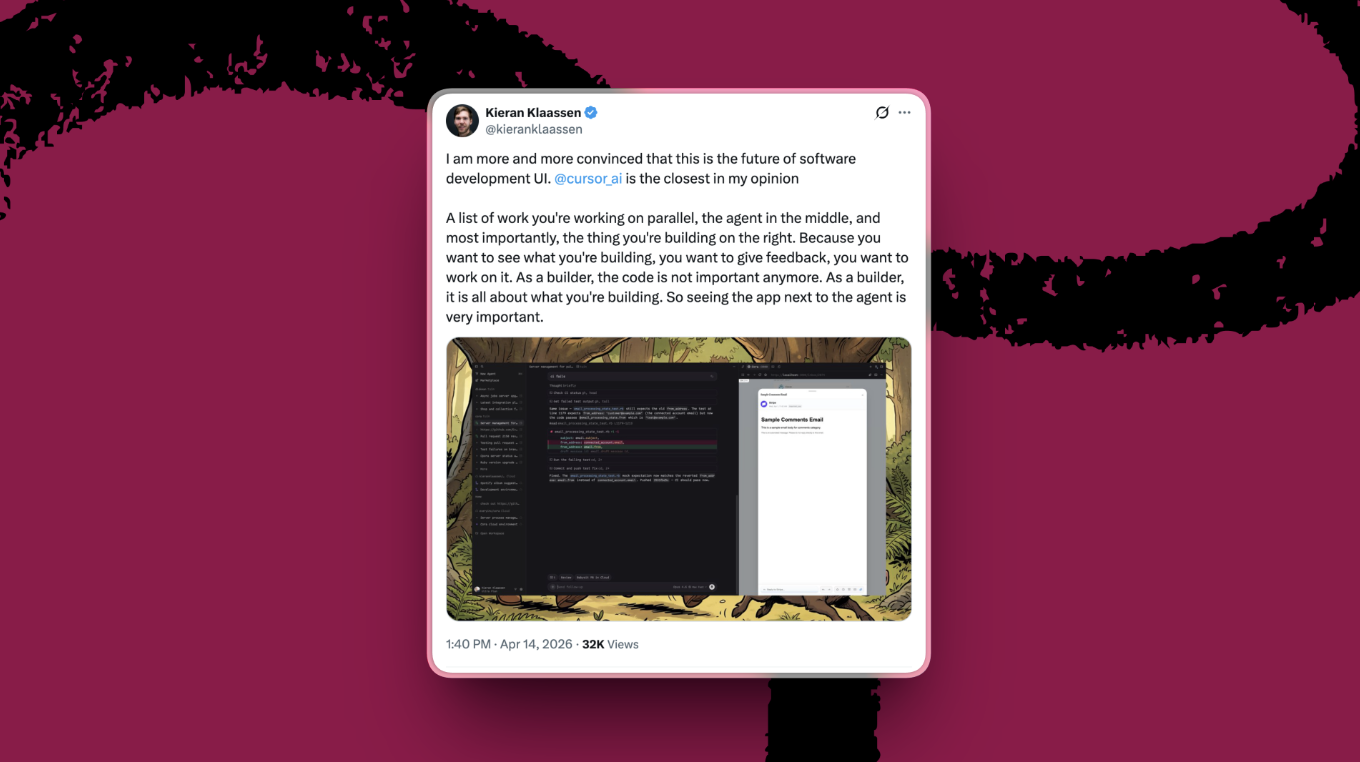
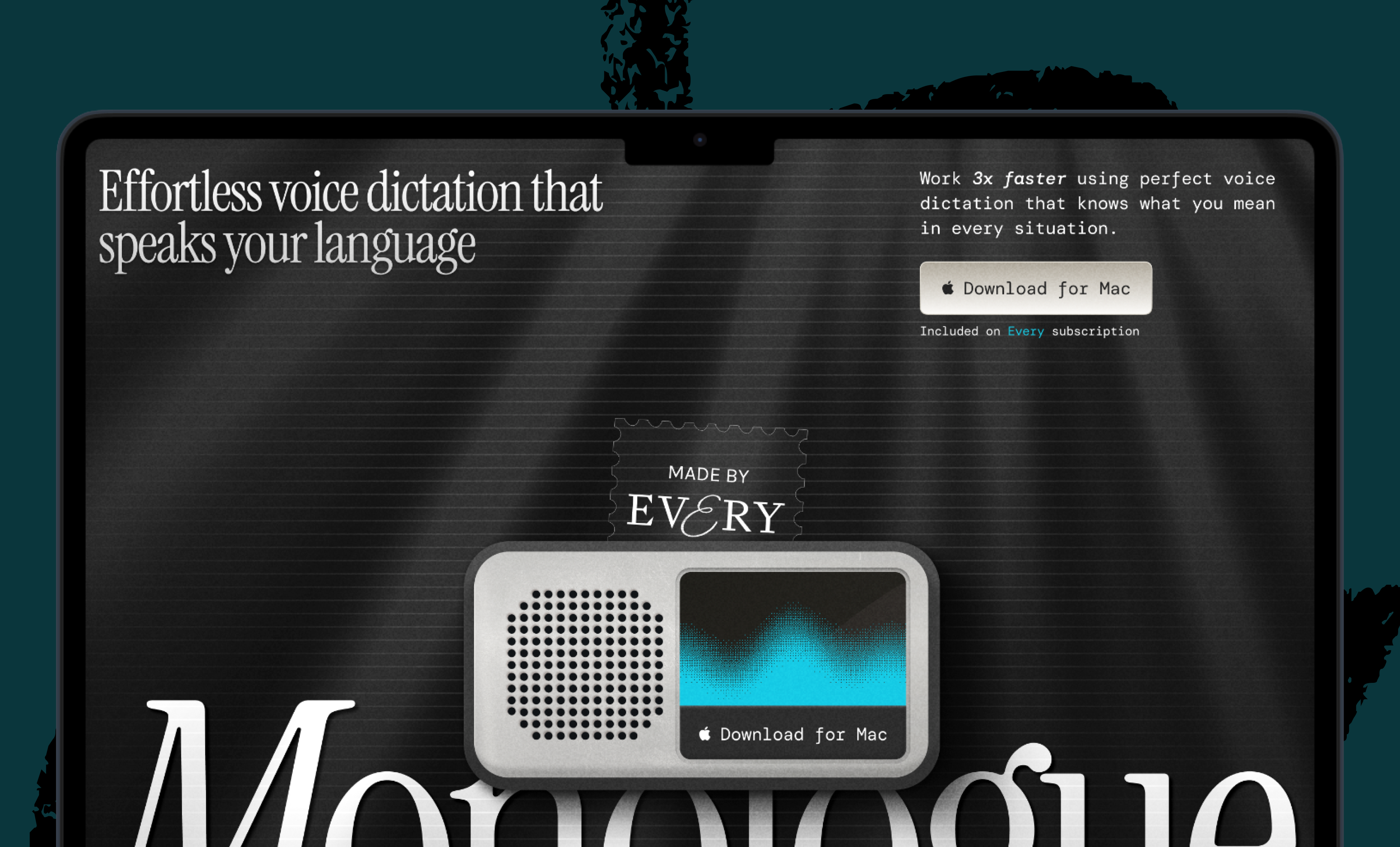
Next: Claude Code’s refreshed look is not exactly original, says Monologue general manager Naveen Naidu. Cursor offers a similar experience, and both companies “just copied Codex’s design,” he says.
But it confirms where dev work is headed: overseeing agents, not writing code.
Nixed: The idea that command-line interface (CLI) will eat user interface (UI). With a CLI-first workflow, you mostly supervise through text: commands, logs, git state, diffs, and terminal output. Now that agents are doing the coding, that’s not a good primary interface.
Instead, the future coding UI is centered on managing parallel work, staying aware of git/task context, and—most importantly, Kieran says—having access to a preview of what you’re building.
Permission to skip
Smaller models can’t do what Claude Mythos does
A researcher at a cybersecurity company made waves online when he reported smaller models could find the same security vulnerabilities as Mythos, Anthropic’s new model so powerful it isn’t being made public, when pointed to the relevant code.
You have permission to skip this discourse—or better yet, reframe it.
Because this is a framing issue, says Dan Shipper, Every’s CEO. Mythos and smaller models are operating within completely different ones. Yes, you can point a smaller model to a codebase and tell it to find a bug when you already know that capability is possible, but you cannot ask it to find serious vulnerabilities in critical software across every major operating system and browser, autonomously, the way Mythos did.
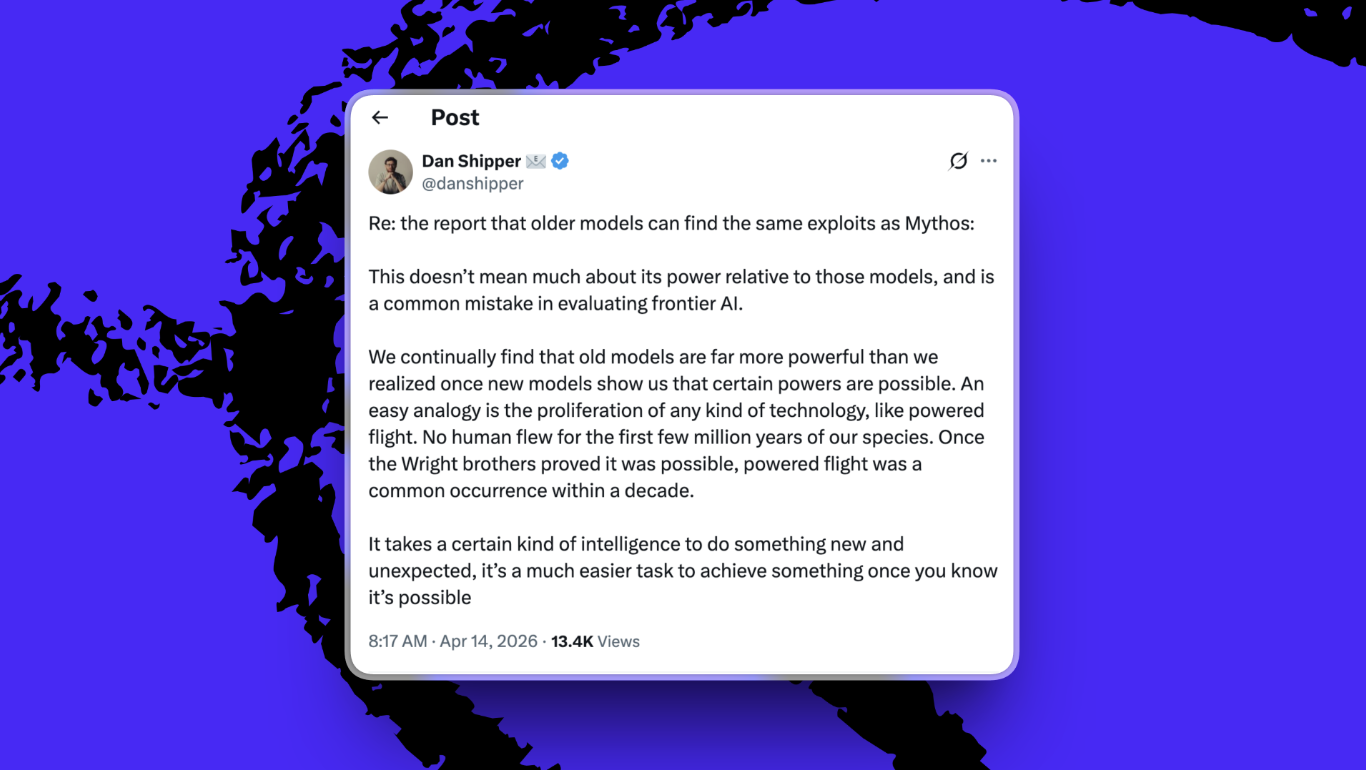
As models get better, they automatically handle smaller, concrete problems, allowing you to demand more from them.
Say you have a bug in your code. A lower-level frame, which requires you to describe the problem in detail, would be to explain what’s going wrong and propose possible solutions. A higher-level frame allows you to get abstract: “There seems to be a problem, can you fix it?”
As you climb the frame hierarchy, your role is less about communicating the mechanics of a problem and more about defining what the most important problem even is. In the coding example, the higher frame is powerful because it allows for expansiveness. (“There seems to be a problem, can you fix it?” might surface the same bug as the lower-frame prompt, or it may find that bug and identify a far more significant architectural issue.)
The higher the frame, the more possible solutions unfold before you—and the more room to consider what constitutes a solution in the first place.
Documentation for the AI era
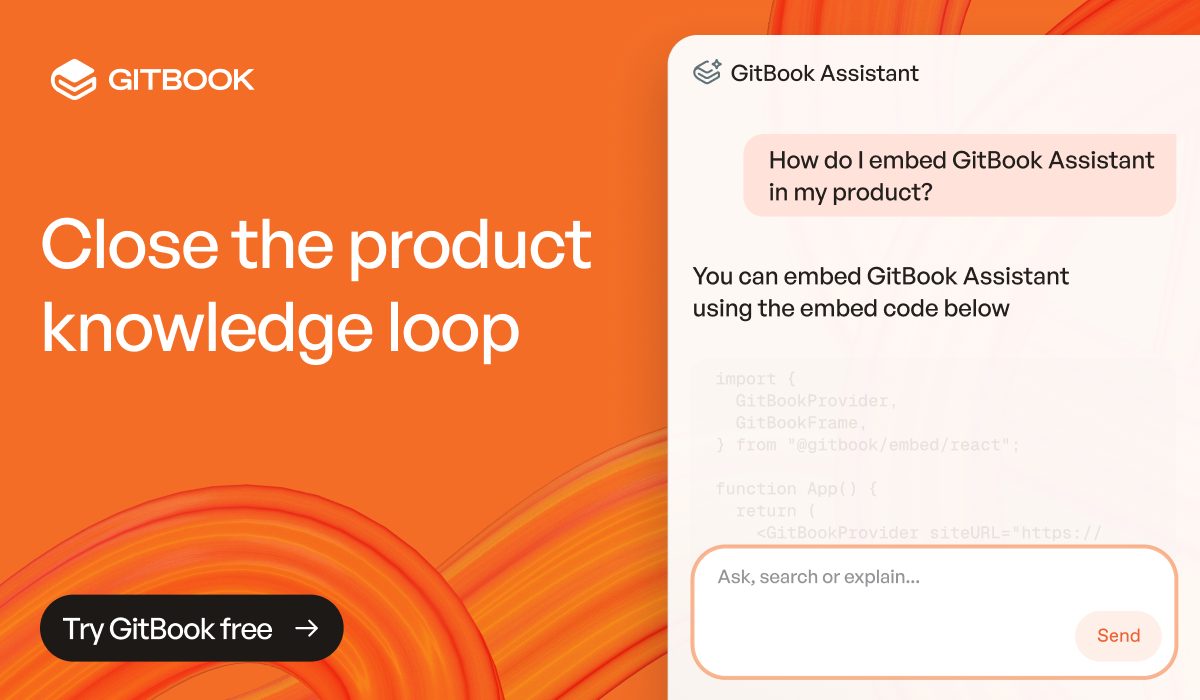
AI-era documentation can be a nightmare. Your user is querying an LLM to figure out how to use your product, and the LLM is pulling from all manner of outdated sources. GitBook fixes this. Its connected knowledge system combines your docs, external sources like YouTube tutorials and GitHub Discussions, and an embeddable AI assistant that can be inserted inside your product. Answers are grounded in actual knowledge and link back to real sources—and you get data that helps you tell exactly where users get stuck. Used by teams at Nvidia, Zoom, and n8n.
Steal this workflow
The confidence check
Before he lets Claude Code ship anything, Austin Tedesco, Every’s head of growth, asks it one question:
Become a paid subscriber to Every to unlock this piece and learn about:
- The quality-control trick Austin uses to keep Claude Code from shipping half-baked work
- How we trained our AI agents to know when to stay out of the conversation
- Which philosopher each major AI lab would draft if they could pick anyone from history
Thanks to our Sponsor: Gitbook
Documentation for the AI era
AI-era documentation can be a nightmare. Your user is querying an LLM to figure out how to use your product, and the LLM is pulling from all manner of outdated sources. GitBook fixes this. Its connected knowledge system combines your docs, external sources like YouTube tutorials and GitHub Discussions, and an embeddable AI assistant that can be inserted inside your product. Answers are grounded in actual knowledge and link back to real sources—and you get data that helps you tell exactly where users get stuck. Used by teams at Nvidia, Zoom, and n8n.
 Create a free account to continue reading
The Only Subscription
You Need to
Stay at the
Edge of AI
The essential toolkit for those shaping the future

"This might be the best value you
can get from an AI subscription."
- Jay S.
 Every Content
 AI&I Podcast

 Every Staff











Comments
Don't have an account? Sign up!