



Compute Is the New Cash
Plus: The end of the AI subsidy, do you actually want to talk to your agent, and how to turn customer feedback into a product queue
April 29, 2026 · Updated May 2, 2026


‘AI & I’: How Stripe is building for an agent-native world
A new episode of AI & I is here. Dan Shipper sits down with Emily Glassberg Sands, head of data and AI at Stripe, to discuss how AI is reshaping online commerce. Dan and Emily discuss how compute is the new cash, fraud has moved beyond the checkout, and agents are starting to act as economic participants on the internet.
Watch on X or YouTube, or listen on Spotify or Apple Podcasts. You can also read the transcript.
Here are the highlights:
- The definition of fraud is expanding: Fraud used to be about payments and stolen credit cards. Now AI companies also have to defend against attackers stealing tokens from free trials, credits, and unpaid compute bills. “Fraud is now a full-funnel problem, not a transaction problem alone,” says Glassberg Sands.
- AI is making fraud easier to execute and detect: Fraudsters now have AI on their side, but so do the companies trying to stop them. AI services also have higher marginal costs than traditional SaaS, so stolen compute can be burned through quickly or resold.
- The internet needs to evolve: Stripe was built for an internet where people browsed, filled out forms, and clicked checkout buttons. Now, humans act through AI interfaces, agents act for them, and software increasingly interacts directly with other software. Every layer of the stack has to adapt to these new behaviors.
- AI growth is still mostly new money: The top AI companies on Stripe are reaching $30 million in annual recurring revenue in about 18 months—roughly three times faster than top SaaS companies from 2018. For now, that growth is largely net new spend rather than cannibalized software budgets, says Glassberg Sands.
- Agents are snapping up commodities: Agentic commerce is real but still in its early stages, and focused on smaller purchases. People are more comfortable letting agents buy low-stakes, easily comparable items like Halloween costumes or school supplies than letting them book a summer trip or order an expensive couch.
Miss an episode? Catch up on Dan’s recent conversations with LinkedIn cofounder Reid Hoffman; the team that built Claude Code, Cat Wu and Boris Cherny; Vercel cofounder Guillermo Rauch; podcaster Dwarkesh Patel; and others, and learn how they use AI to think, create, and relate.
Signal
The fees they are a-changin’
Recent years saw the end of the millennial lifestyle subsidy, which let a generation live off of inordinately cheap Ubers, delivery services, and coworking space—all while venture capital covered the tab. Now the bill’s coming due for AI.
What happened: Github announced this week that it’s moving its Copilot subscription plans, which charged as little as $10 per month no matter how many AI interactions you ran, to billing tied directly to token consumption. Earlier this month, Anthropic similarly changed its pricing for Claude Enterprise plans, which serve organizations with more than 150 employees, from per-seat pricing to pricing based on usage.
Why it matters: The economics were never quite honest. At $10—or even $200—per month, a developer running multi-hour autonomous coding sessions consumes far more compute than someone firing off a few quick questions. The math held up when AI tools were reactive assistants that sat idle between queries, but it makes far less sense for agentic workflows because agents don’t sleep.
“Imagine a gym membership where the default assumption is that the person can work out 24/7 without rest,” says Mike Taylor, Every’s head of tech consulting. “Or even occupy 20 exercise machines at once.” It’s for this same reason that Anthropic banned OpenClaw from Claude subscription plans: As the models have grown more capable at running untended on complex tasks, they’re outgrowning price structures built around human workers.
What to do this week:
- GitHub is sending a preview bill to Copilot customers in early May before the new pricing goes into effect on June 1. Check it to avoid surprises.
- If your team runs agentic workflows, estimate your token burn now. Add cost caps and monitor usage, especially for billing accounts that power your agents.
- Experiment while you can. Use this “AI lifestyle subsidy” moment to figure out which workflows are novelties—and which are worth their weight in compute.—Jack Cheng
 Create a free account to continue reading
The Only Subscription
You Need to
Stay at the
Edge of AI
The essential toolkit for those shaping the future

"This might be the best value you
can get from an AI subscription."
- Jay S.
 Every Content
 AI&I Podcast
 Monologue
 Cora
Cora
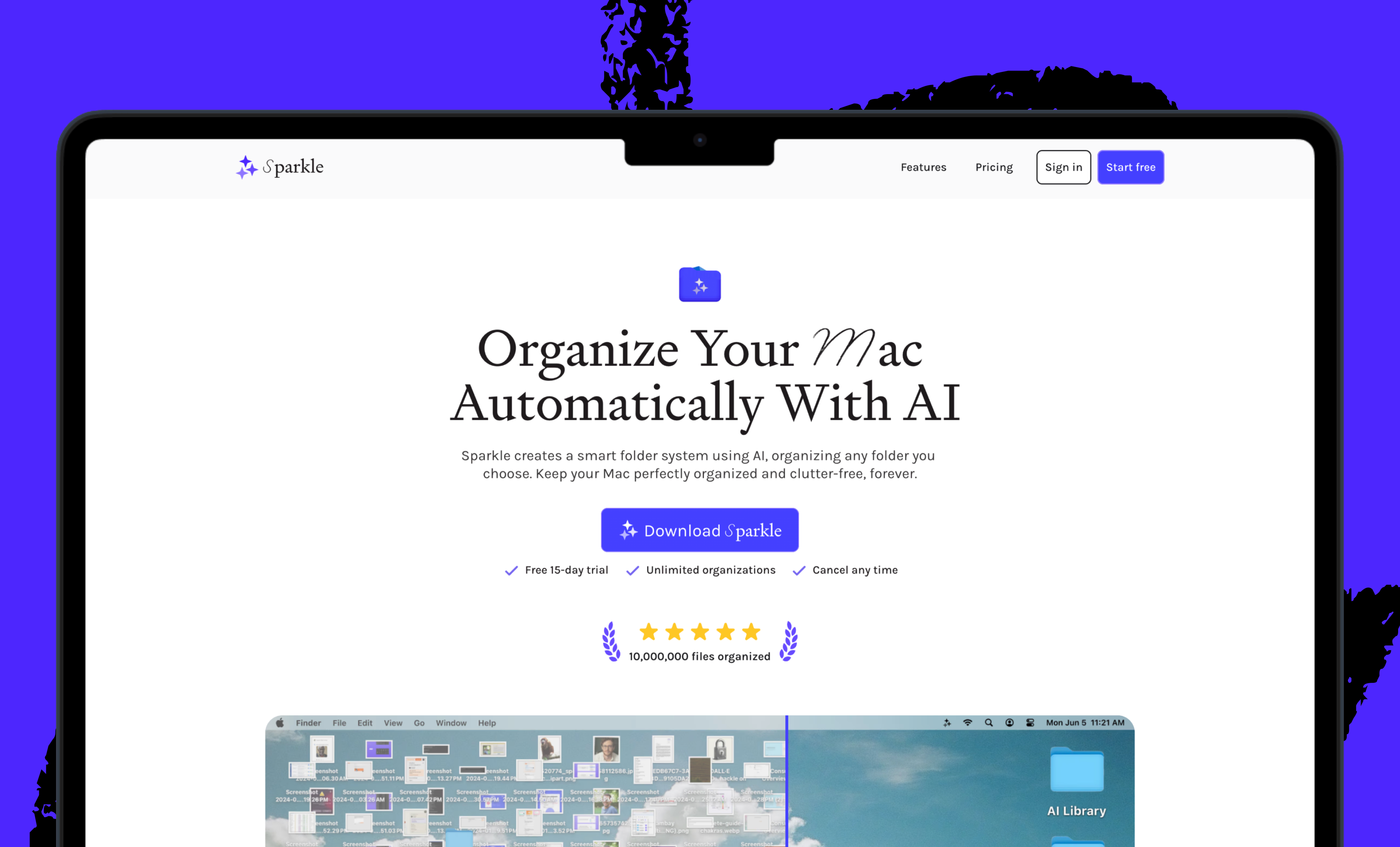
 Sparkle
 Spiral
Join 100,000+ leaders, builders, and innovators

Email address

Already have an account? Sign in
What is included in a subscription?
Daily insights from AI pioneers + early access to powerful AI tools





 Front-row access to the future of AI
 In-depth reviews of new models on release day
Playbooks and guides for putting AI to work
Prompts and use cases for builders
In-depth reviews of new models on release day
Playbooks and guides for putting AI to work
Prompts and use cases for builders
In-depth reviews of new models on release day
Playbooks and guides for putting AI to work
Prompts and use cases for builders
In-depth reviews of new models on release day
Playbooks and guides for putting AI to work
Prompts and use cases for builders
 Bundle of AI software




.25.09_PM.png)
 Alex Duffy
.png)
 Every Staff
.png)
 Reviews of new AI models on release day
Comments
Don't have an account? Sign up!