


Brandon Gell is the COO of Every and leads the product studio. Previously he founded and sold Clyde, an insurance tech company.
How We Built a 7-figure AI Consulting Business in Less Than a Year
What we've learned helping companies go from 'Try this tool' to 'This actually works'
May 12, 2025 · 11 min readUpdated Jan 28, 2026

TLDR: If you’re interested in learning more about our AI training, adoption, and innovation for companies, contact us. Was this newsletter forwarded to you? Sign up to get it in your inbox.
We didn’t set out to start a consulting business. As it turns out, that may have been the best way to get started.
We were deep in the weeds ourselves building AI products like Cora, Sparkle, and Spiral to solve our own problems; running experiments like the podcast format "TL;DR", an interactive form called Freeform, and reading tool Kairos; figuring out how AI and our editorial content overlaps; and sharing what we learned publicly as fast as the space was shifting. Every became a product studio where we built for ourselves first; a discovery lab where we uncovered unexpected workflows and edge cases, and a field journal where we documented what worked, what didn’t, and what that might mean for others.
That’s when the emails started coming in. Not just “You make a great product” emails—but “Can you help us?” emails. SOS signals from inside organizations, with constraints and mandates that went something like: Start using AI. Make it real. Show results.
Almost every company that reached out to us said they had an “AI committee” or an “AI red team,” but they had no adoption or progress to show for it. They were spending all their time coming up with a plan for how to adopt AI but didn’t adopt it. They were vetting 200 vertical-specific tools—Claude, ChatGPT, Gemini, Hebbia, Glean, Julius, Alpha Sense, Exa, Box AI, and so on—and were paralyzed by choice and hype. What they needed was a partner who could help them get moving without getting bogged down in months of strategy meetings and stalled momentum.
So we said yes to a few projects. The first was with a private equity firm we knew well, which created an atmosphere of trust and gave us a chance to learn in the open. The second was with a 1,000-person law firm tackling a document review bottleneck. Jumping between them gave us whiplash—and the beginning of a tough but necessary lesson (see lesson 3).
Before long, we were helping product teams, operators, and senior leaders across finance, media, and tech deploy custom tools, design workflows, and train teams to use AI—not just talk about it.
Less than a year later, we’ve built a seven-figure AI consulting business. In doing so, we’ve seen what actually works when you’re trying to bring AI into real workflows, across real teams, under real constraints.
Whether you're building your own AI consultancy or looking to lead adoption inside a company, these four patterns helped us (and our clients) get traction faster, with less friction.
Thanks to our sponsor: Microsoft

Get more done with less
We’re all busy building—launching startups, side ventures, personal projects. But using multiple tools can complicate things. That’s why we use Microsoft Teams Free, which combines some of our most important collaboration needs—video, chat, file-sharing—in one place, for free. We’re getting more done now with way less.
Lesson 1: Be a practitioner, not a management consultant
If you want to lead in AI, build first. There’s never been a better time.
Practitioners see what frameworks miss. You learn how a tool works, where it breaks, how people use it, and what makes it stick. That firsthand experience is your best diagnostic tool. It helps you move faster, explain more clearly, and spot what matters before the spec sheet tells you.
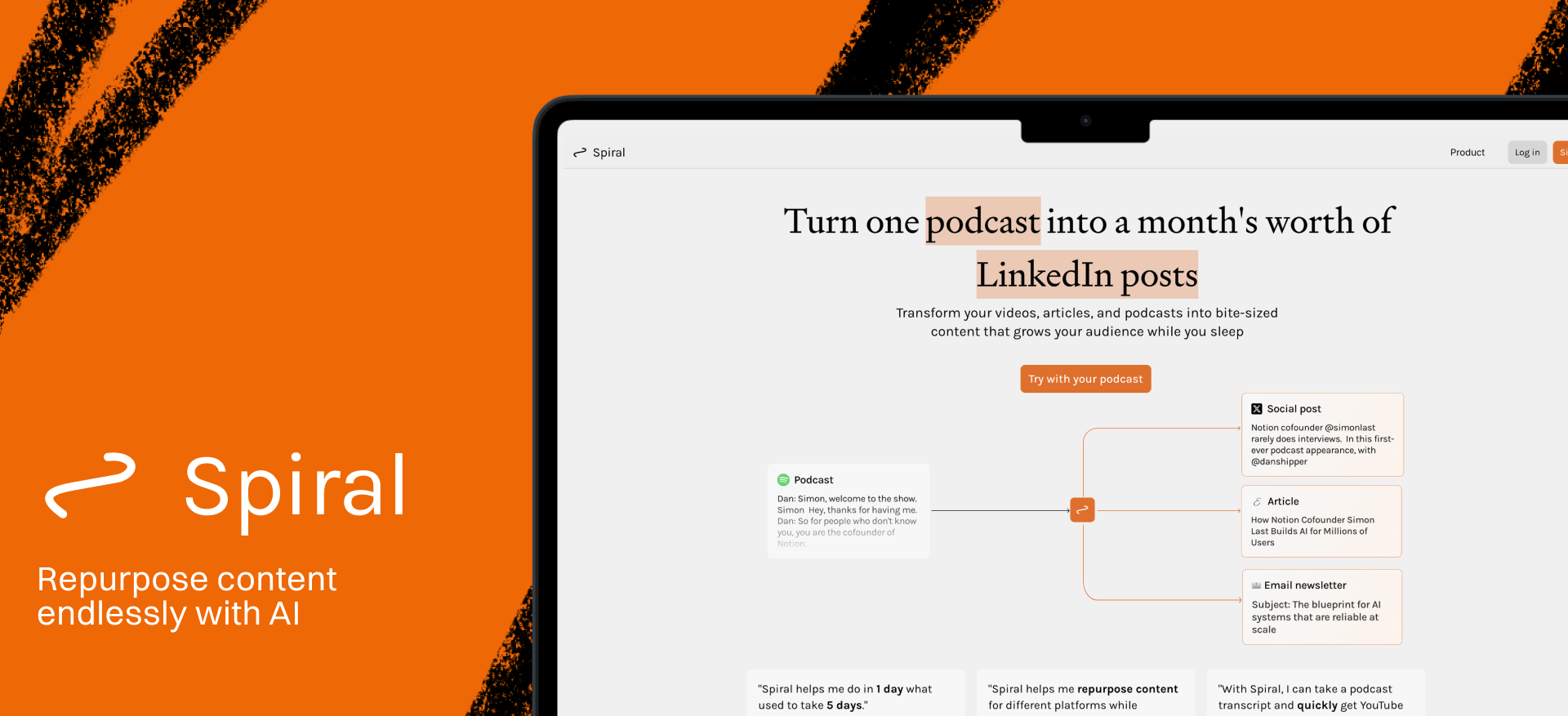
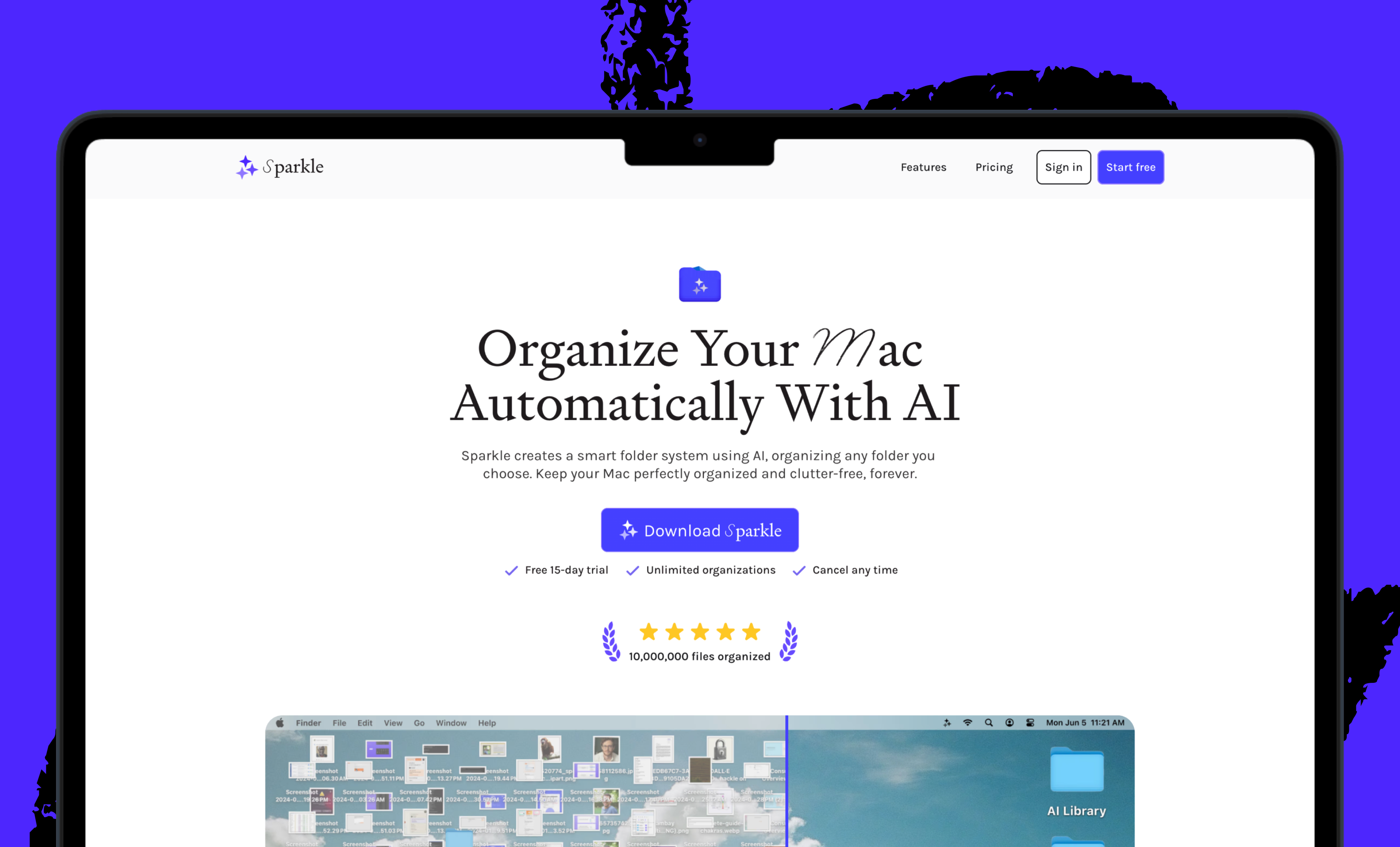
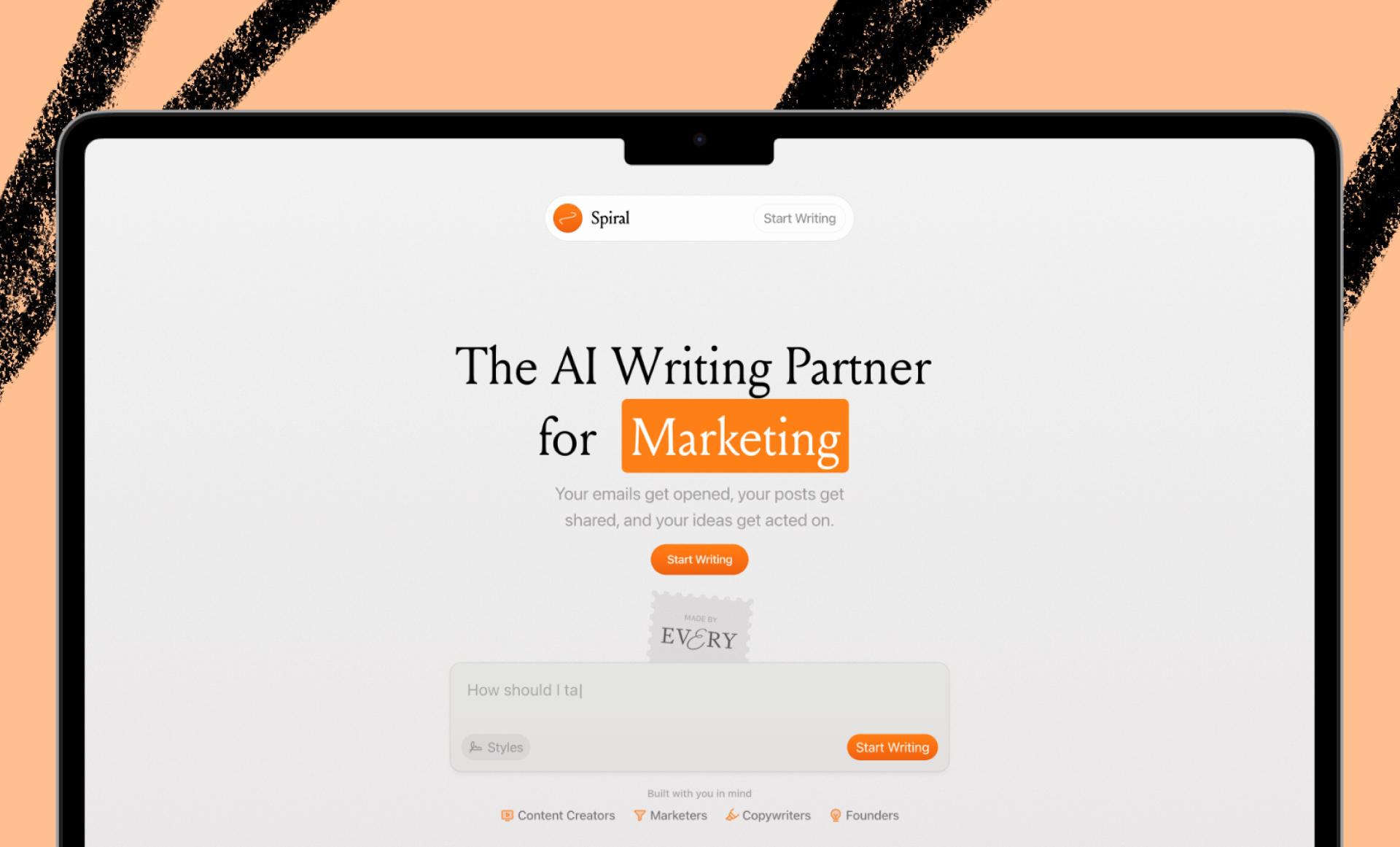
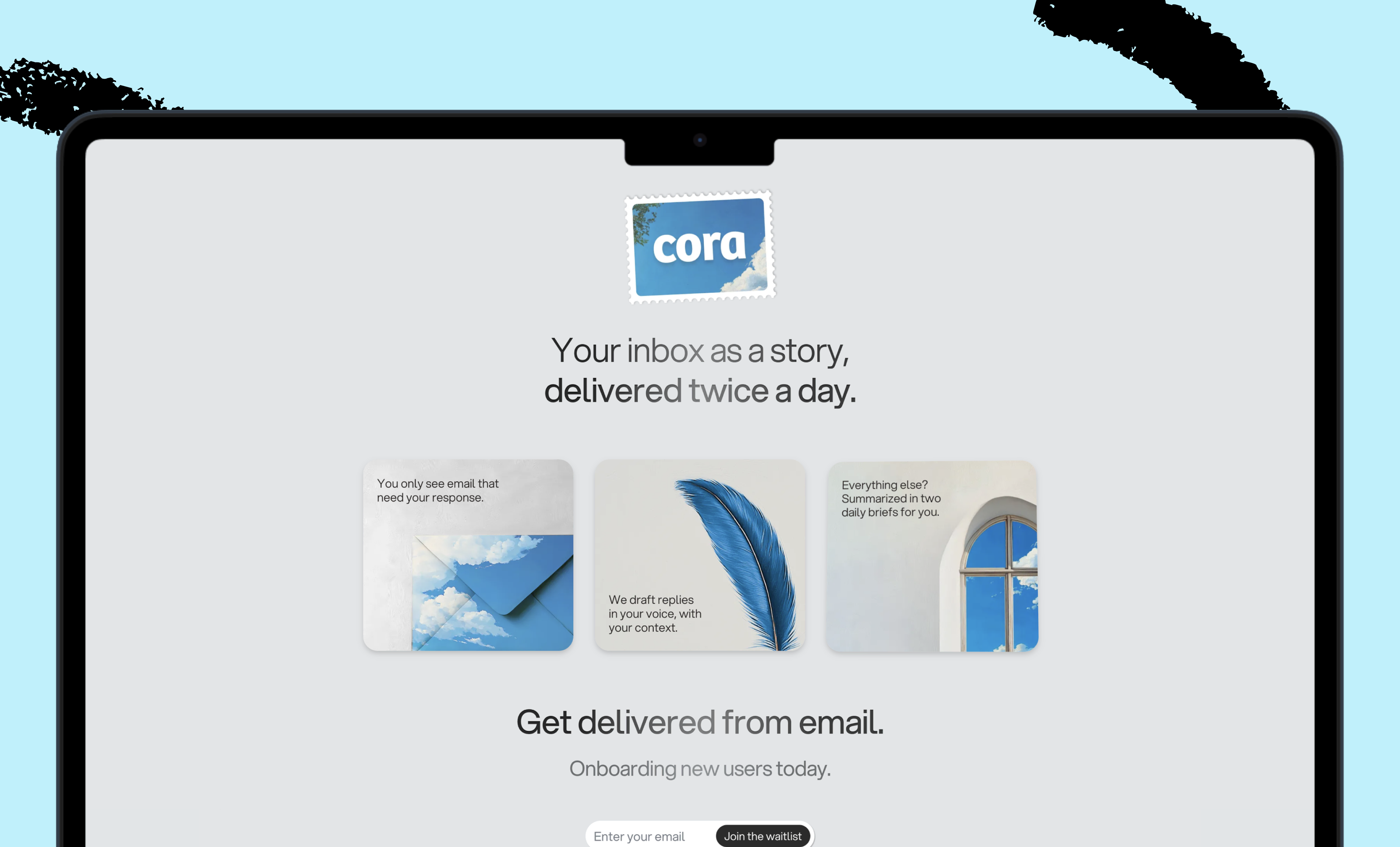
At Every, we started with problems we needed to solve for ourselves. We reluctantly spent all day in Google Docs, so we built an AI word processor called Lex, which we spun out into its own company. Our team was drowning in repackaging essays and podcasts for distribution, so we built Spiral to turn long-form pieces into short-form content. We were constantly distracted by our unorganized digital folders and desktops, so we built Sparkle to organize your computer for you. And most recently, we felt that email needed a complete reinvention, so we built Cora to fix it.
Throughout all of this building, we wrote about our experiments and learnings—in our essays, on social media, and internally in our subscriber-only Discord. Prospective clients saw our thinking before they ever got on a call. They saw the process, the false starts, and the evolution. That created trust faster than any pitch deck could.
If you’re serious about helping others adopt AI, this combination—practitioner experience plus public learning—delivers strategic leverage. It helps you:
- Attract new business by showing, not selling. Public experiments do the heavy lifting. By the time someone reaches out, they’ve already seen how you work.
- Understand business problems first. Tools matter, but only in context. Practitioners see the hidden constraints that make or break adoption.
- Stay close to the edge. Building with new tools—then writing about the results—keeps your thinking current and your insights useful.
Lesson 2:...
Become a paid subscriber to Every to unlock the rest of this piece and learn about the three other lessons we learned from building an AI consultancy (hint: it's more about culture than code).
Thanks to our sponsor: Microsoft

Get more done with less
We’re all busy building—launching startups, side ventures, personal projects. But using multiple tools can complicate things. That’s why we use Microsoft Teams Free, which combines some of our most important collaboration needs—video, chat, file-sharing—in one place, for free. We’re getting more done now with way less.
 Create a free account to continue reading
The Only Subscription
You Need to
Stay at the
Edge of AI
The essential toolkit for those shaping the future

"This might be the best value you
can get from an AI subscription."
- Jay S.
 Every Content
 AI&I Podcast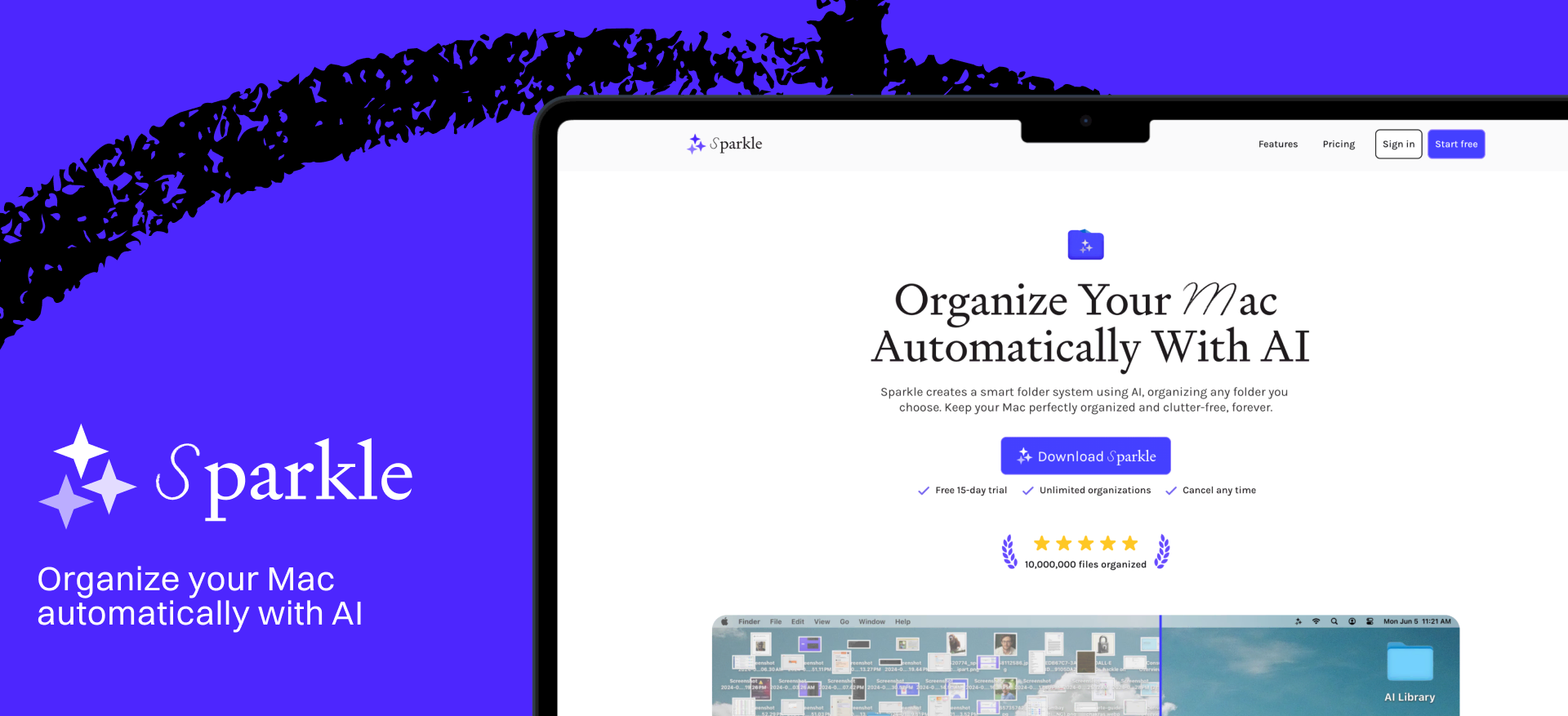

















Comments
Don't have an account? Sign up!