



Get Your Hands Dirty
Plus: Why Anthropic is shutting out third-party agents, and OpenAI isn’t
Apr 7, 2026 · 6 min readUpdated Aug 11, 2026

Today we’re testing a new newsletter format, aimed at giving our readers both a taste of our long-form writing and our perspective on what matters in AI today. Let us know what you think.—Kate Lee
Today’s top story
“Your Best AI Strategy Starts at the Top” by Natalia Quintero and Mike Taylor: Executives might be waiting on the sidelines to see what will happen with AI, but they need to be get
ting their hands dirty with the tools, write Natalia Quintero and Mike Taylor, both part of Every’s consulting team. That’s because AI can’t be evaluated like software, where you compare features, platforms and integrations. It needs to be treated like a new kind of employee.
Natalia and Mike offer five concrete things for executives to do this quarter—starting with suspending skepticism—to get started building AI-native organizations. Read more.
Signal
Anthropic’s OpenClaw ban is a gift to OpenAI
The news: Anthropic blocked Claude subscriptions from being used with third-party agent harnesses like OpenClaw. OpenAI hasn’t.
The context: Anthropic’s stated reason for the ban is to prioritize compute for its own products, saying flat-rate subscriptions weren’t built for the high usage of third-party tools.
It’s a valid argument: Agents that run 24/7 are enormously expensive. But rival OpenAI has raised so much money it can afford to let subscribers use their models however they want.
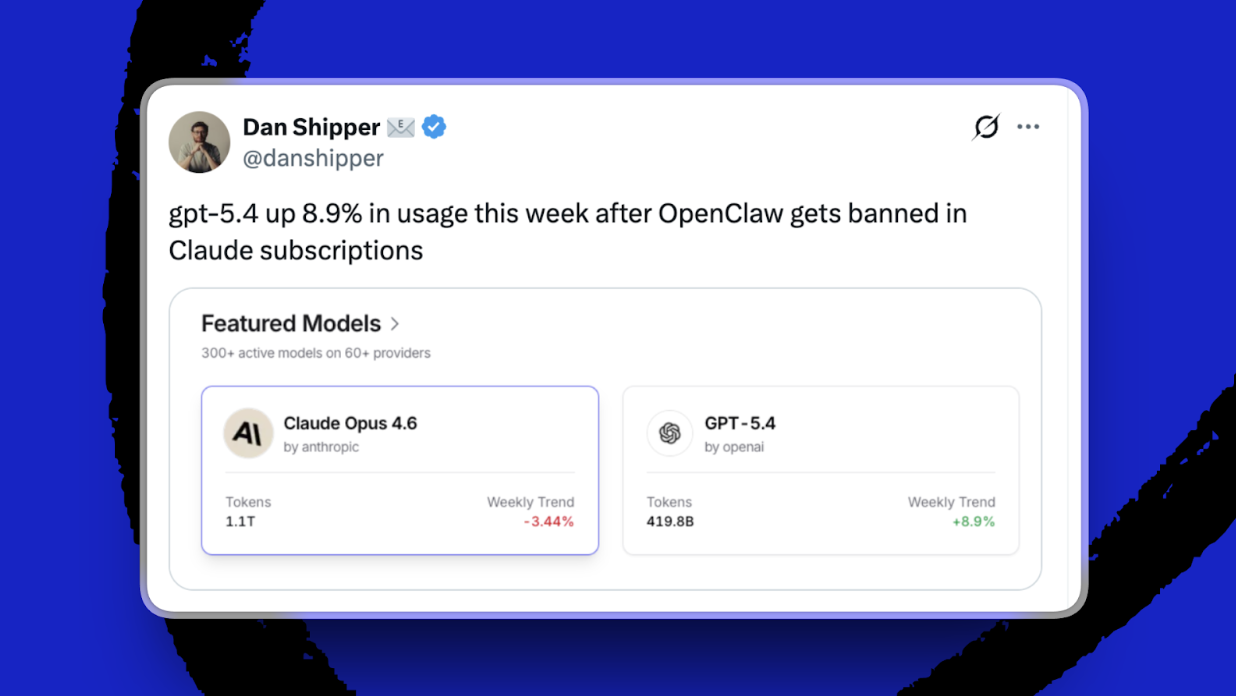
The implications: Anthropic’s ban provides an opening for OpenAI to siphon away users. The strategy appears to be working: Opus 4.6 token usage is significantly down week over week; GPT-5.4’s has surged.
Bigger picture, the future of the industry depends on figuring out ways to drive down compute costs.
(Running frontier AI agents like OpenClaw can cost $300–$1,000 a day, a number that’s only growing.)
OpenAI has a clear advantage here. It’s building its own data centers, which puts it closer to the metal on compute. Meanwhile Anthropic is buying compute from third parties, and will never have as low a cost basis.—Laura Entis
Good prompts don’t guarantee good design
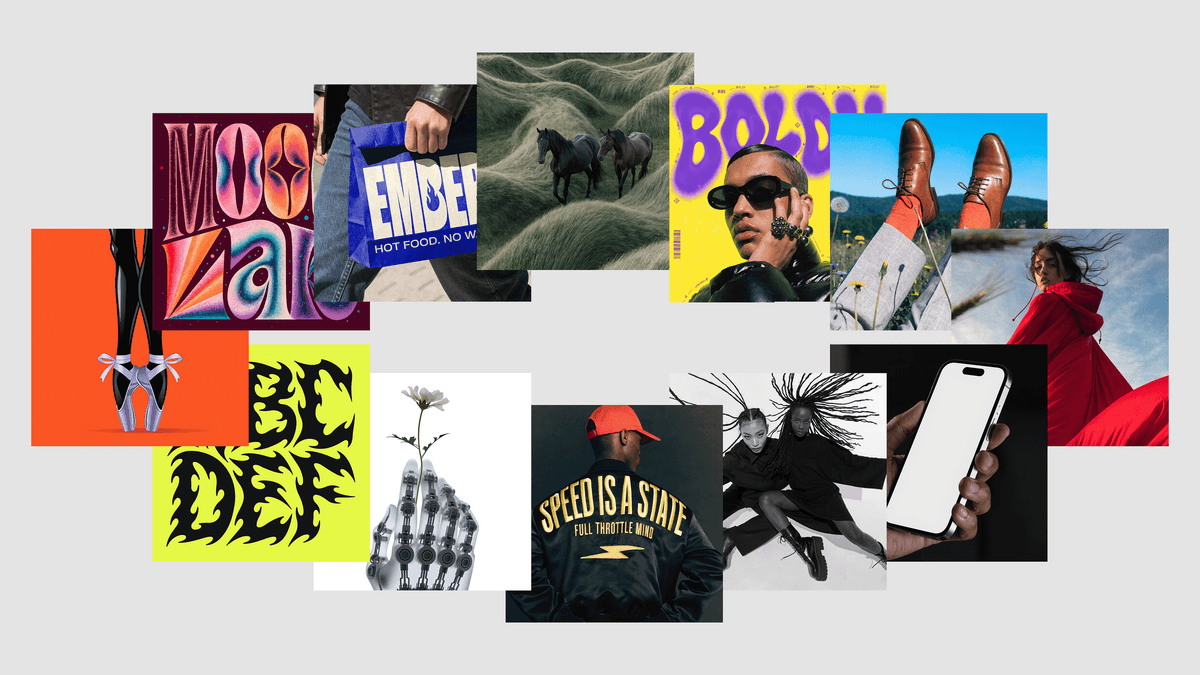
Your prompt might be excellent, but most AI image generators follow instructions without aesthetic judgment. Recraft V4 is different. It combines exceptional prompt accuracy with visual taste. Create photorealistic mockups, native vector logos, or editorial layouts—production-ready on first pass. Crisp text in any language. Composition that holds up. Design teams at Ogilvy, HubSpot, and Airbus already use it.
New job alert
We’re flagging new job postings that signal where AI is reshaping teams...
Become a paid subscriber to Every to unlock this piece and learn about:
- New job alert: The role that only makes sense now that AI exists
- Inside Every: Why the technical/non-technical split in AI adoption is the wrong one
- Steal this workflow: HTML gets you to good. Figma gets you to great.
Thanks to our Sponsor: Recraft
Good prompts don’t guarantee good design
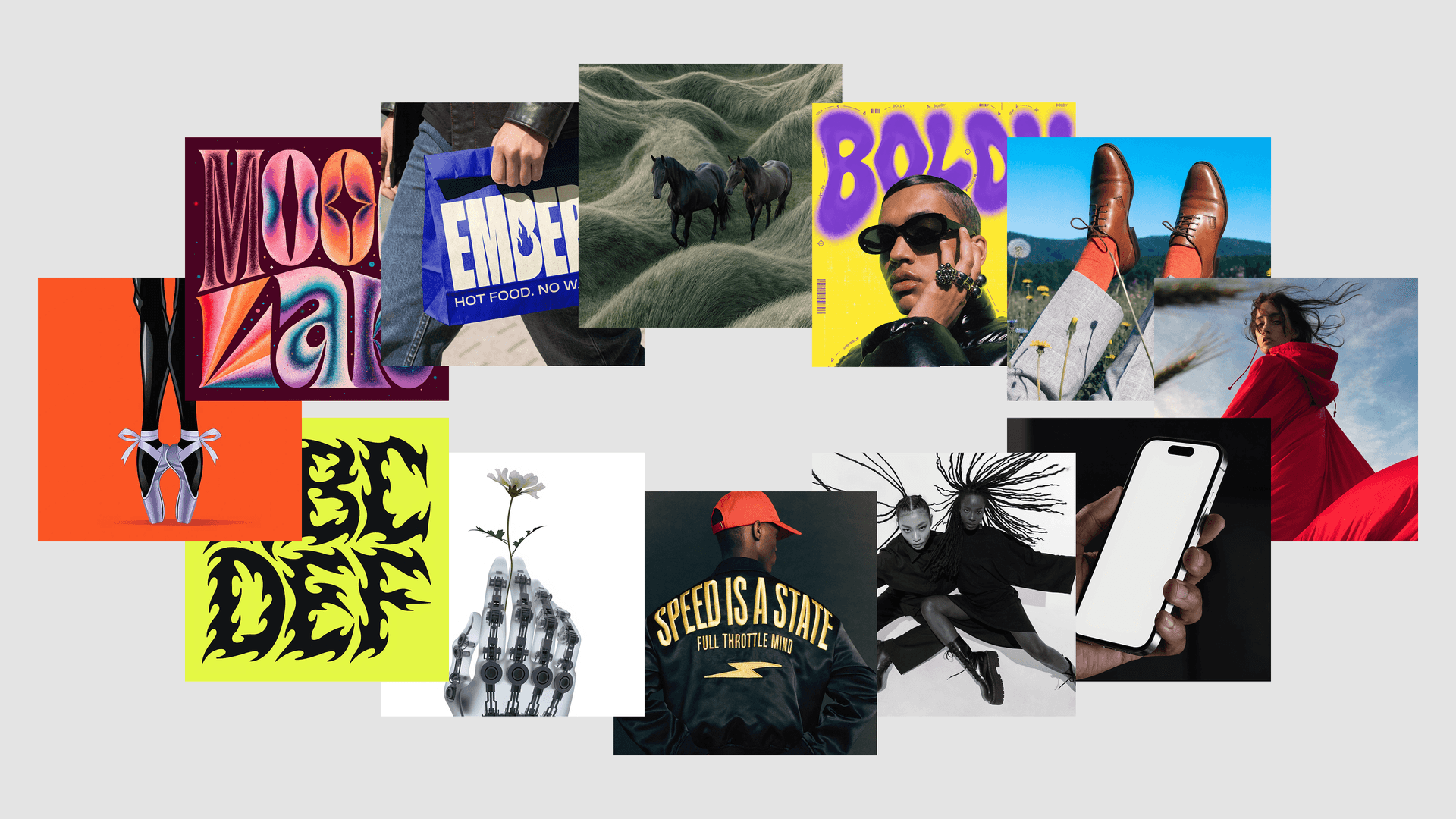
Your prompt might be excellent, but most AI image generators follow instructions without aesthetic judgment. Recraft V4 is different. It combines exceptional prompt accuracy with visual taste. Create photorealistic mockups, native vector logos, or editorial layouts—production-ready on first pass. Crisp text in any language. Composition that holds up. Design teams at Ogilvy, HubSpot, and Airbus already use it.
 Create a free account to continue reading
The Only Subscription
You Need to
Stay at the
Edge of AI
The essential toolkit for those shaping the future

"This might be the best value you
can get from an AI subscription."
- Jay S.
 Every Content
 AI&I Podcast
 Monologue
 Every Agent
Join 100,000+ leaders, builders, and innovators

Already have an account? Sign in.
What is included in a subscription?
Daily insights from AI pioneers + early access to powerful AI tools


 Front-row access to the future of AI
 In-depth reviews of new models on release dayPlaybooks and guides for putting AI to workPrompts and use cases for buildersIn-depth reviews of new models on release dayPlaybooks and guides for putting AI to workPrompts and use cases for builders
 Bundle of AI software





 Katie Parrott
 Every Staff
 Kieran Klaassen
Comments