

Dan Shipper is the CEO and cofounder of Every. Every week he explores the frontiers of AI in his column, Chain of Thought, and on his podcast, ‘The Every Podcast’.

Why Generalists Own the Future
In the age of AI, it’s better to know a little about a lot than a lot about a little
Sep 6, 2024 · 5 min readUpdated Sep 1, 2026

Was this newsletter forwarded to you? Sign up to get it in your inbox.
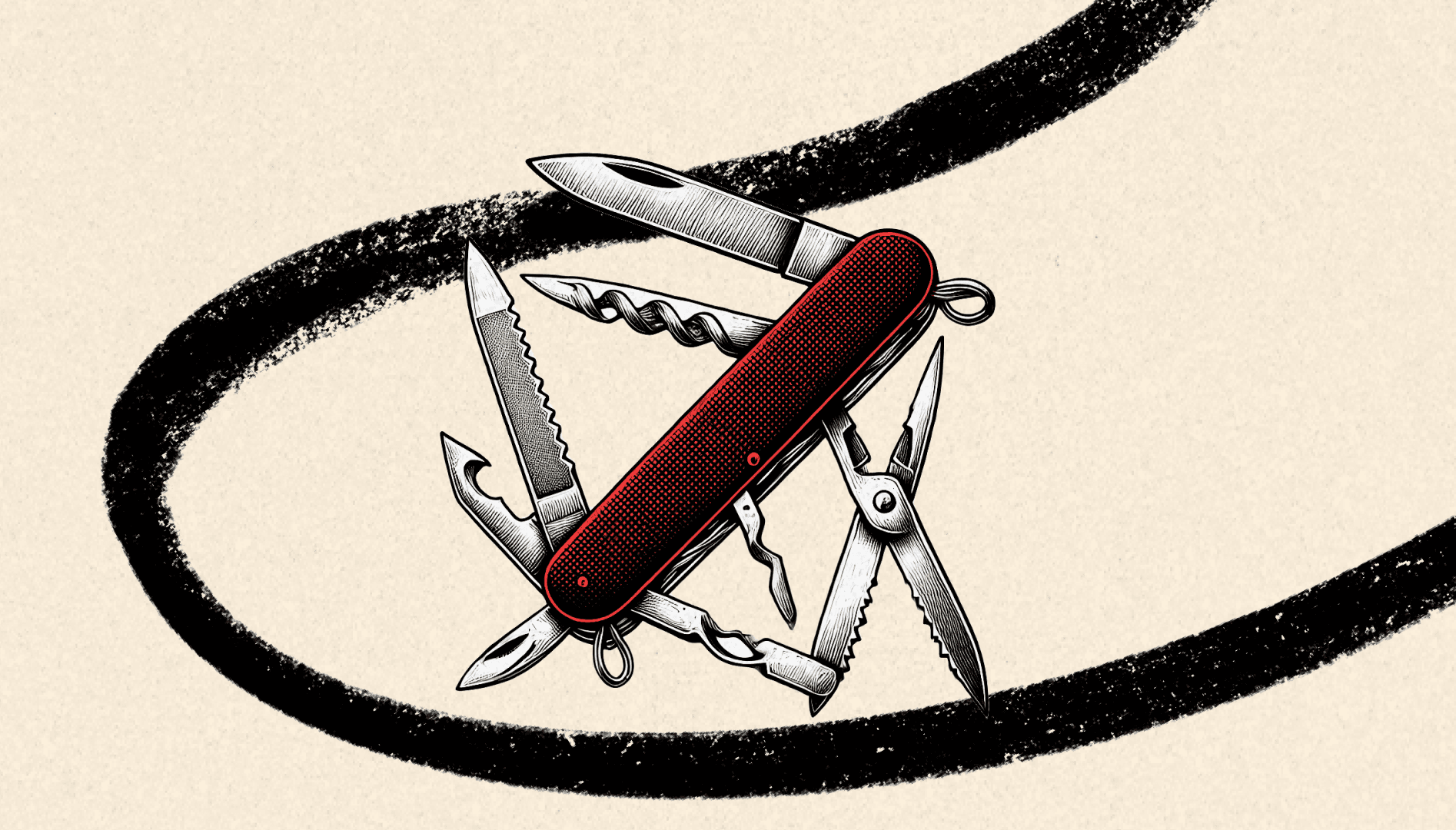
A common refrain I hear is that in the age of AI, you don’t want to be a “jack of all trades and a master of none.”
For example, my good friend (and former Every writer) Nat Eliason recently argued: “Trying to be a generalist is the worst professional mistake you can make right now. Everyone in the world is getting access to basic competence in every white-collar skill. Your ‘skill stack’ will cost $30/month for anyone to use in 3-5 years.”
He makes a reasonable point. If we think of a generalist as someone with broad, basic competence in a wide variety of domains, then in the age of AI, being a generalist is a risky career move. A language model is going to beat your shallow expertise any day of the week.
But I think knowing a little bit about a lot is only a small part of what it means to be a generalist. And that if you look at who generalists are—and at the kind of mindset that drives a person who knows a lot about a little—you’ll come to a very different conclusion: In the age of AI, generalists own the future.
What generalists are
Become a paid subscriber to Every to unlock the rest of this piece and read about:
- Generalists: Masters of the uncertain
- AI's limitations in novel problem-solving
- How the allocation economy favors adaptable minds
- Why asking the right questions trumps knowing all the answers
 Create a free account to continue reading
The Only Subscription
You Need to
Stay at the
Edge of AI
The essential toolkit for those shaping the future

"This might be the best value you
can get from an AI subscription."
- Jay S.
 Every Content
 AI&I Podcast
 Monologue
 Every Agent
Join 100,000+ leaders, builders, and innovators

Already have an account? Sign in.
What is included in a subscription?
Daily insights from AI pioneers + early access to powerful AI tools

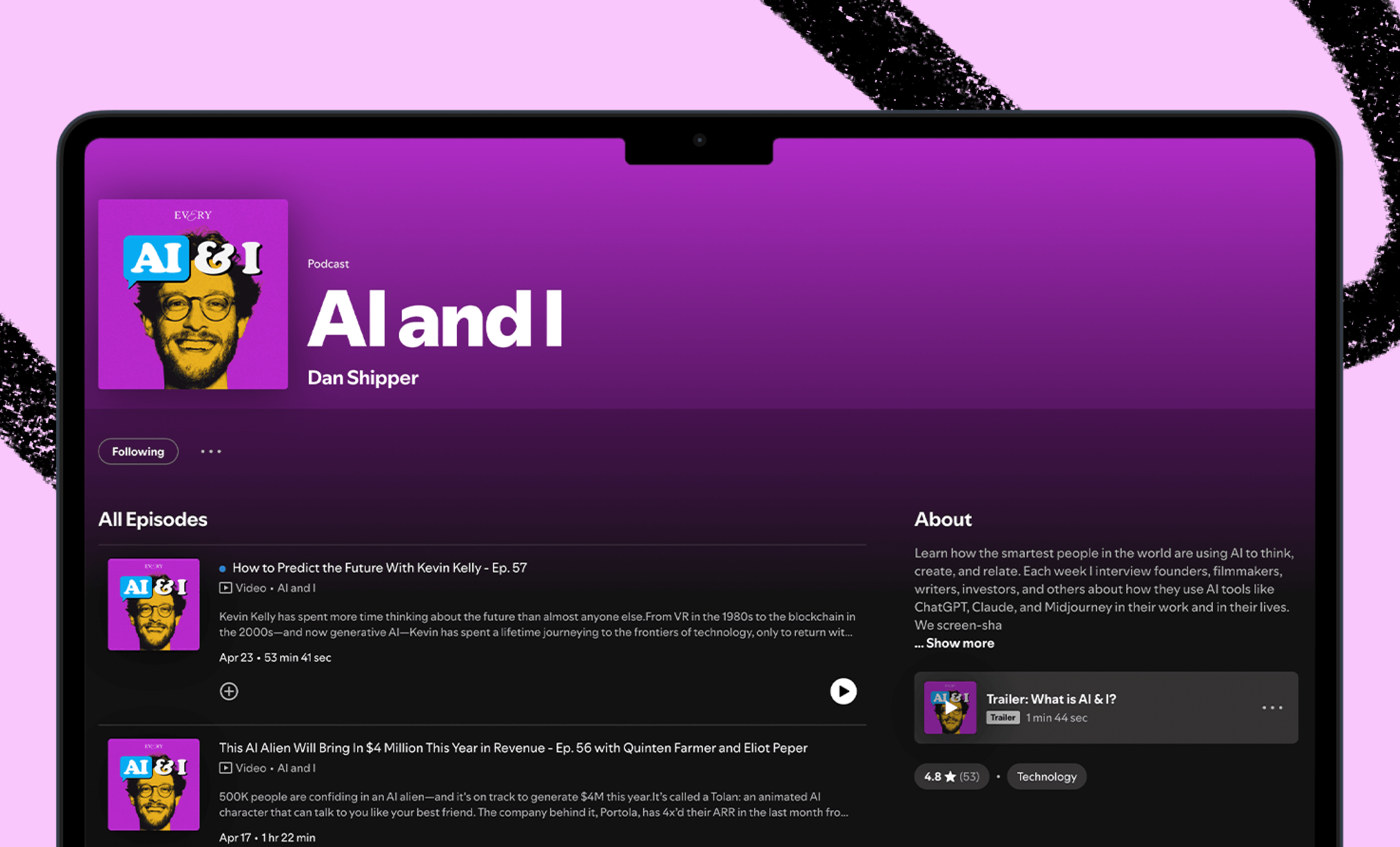

 Front-row access to the future of AI
 In-depth reviews of new models on release dayPlaybooks and guides for putting AI to workPrompts and use cases for buildersIn-depth reviews of new models on release dayPlaybooks and guides for putting AI to workPrompts and use cases for builders
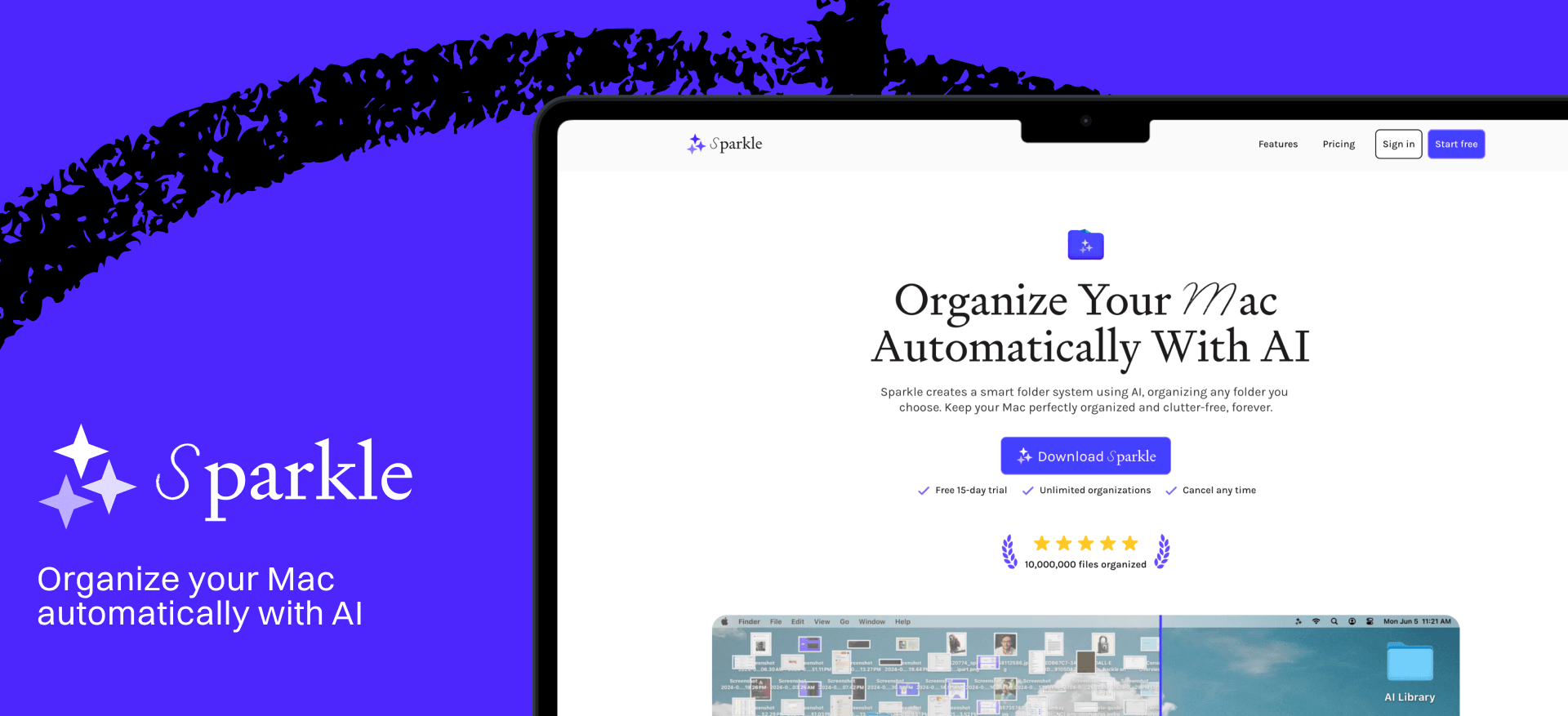
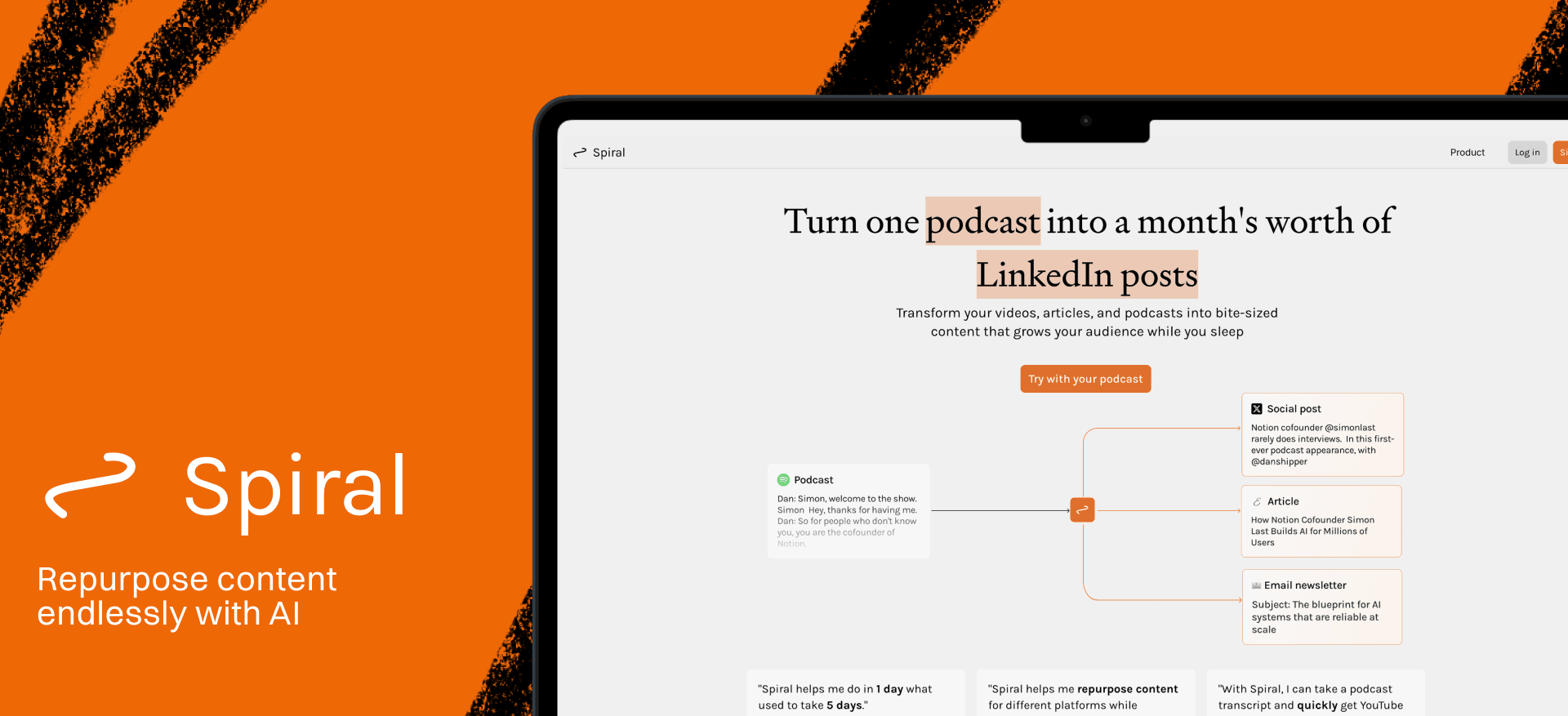
 Bundle of AI software





 Katie Parrott
 Every Staff
 Kieran Klaassen
Comments