


Dan Shipper is the CEO and cofounder of Every. Every week he explores the frontiers of AI in his column, Chain of Thought, and on his podcast, ‘The Every Podcast’.

The Two-slice Team
Amazon’s “two-pizza rule” worked for the past twenty-four years. We need a new heuristic for the next twenty-four.
Feb 13, 2026 · 4 min readUpdated Jul 27, 2026

TLDR: Today we’re launching a new experiment: Proof, an agent-native markdown editor that lets you collaborate on documents with multiple humans and AI agents—and tracks who wrote what. It’s available now for paid Every subscribers.
For the past two decades, Amazon’s “two-pizza rule” has been the gold standard for team size.
The story goes like this: At a company retreat in 2002, when Amazon managers wanted more communication, Jeff Bezos fired back that “communication is terrible!” A few weeks later, he restructured the company around small autonomous teams. If a team had more than 10 people—more than could be fed by two pizzas—it was too big.
Twenty-four years later, two-pizza teams are now themselves too big for building software products. When each employee is armed with Opus 4.6 and Codex 5.3, the ideal team size shrinks even further.
I call it the two-slice team. Two slices, to feed one person. (These are New York slices that you fold in half and eat standing at a counter.)
This is how we structure our product teams at Every. We have four software products, each run by a single person. Ninety-nine percent of our code is written by AI agents. Overall, we have six business units with just 20 full-time employees.
The two-slice team structure lets us ship faster, pivot more quickly, and maintain the entrepreneurial spirit that larger teams lose.
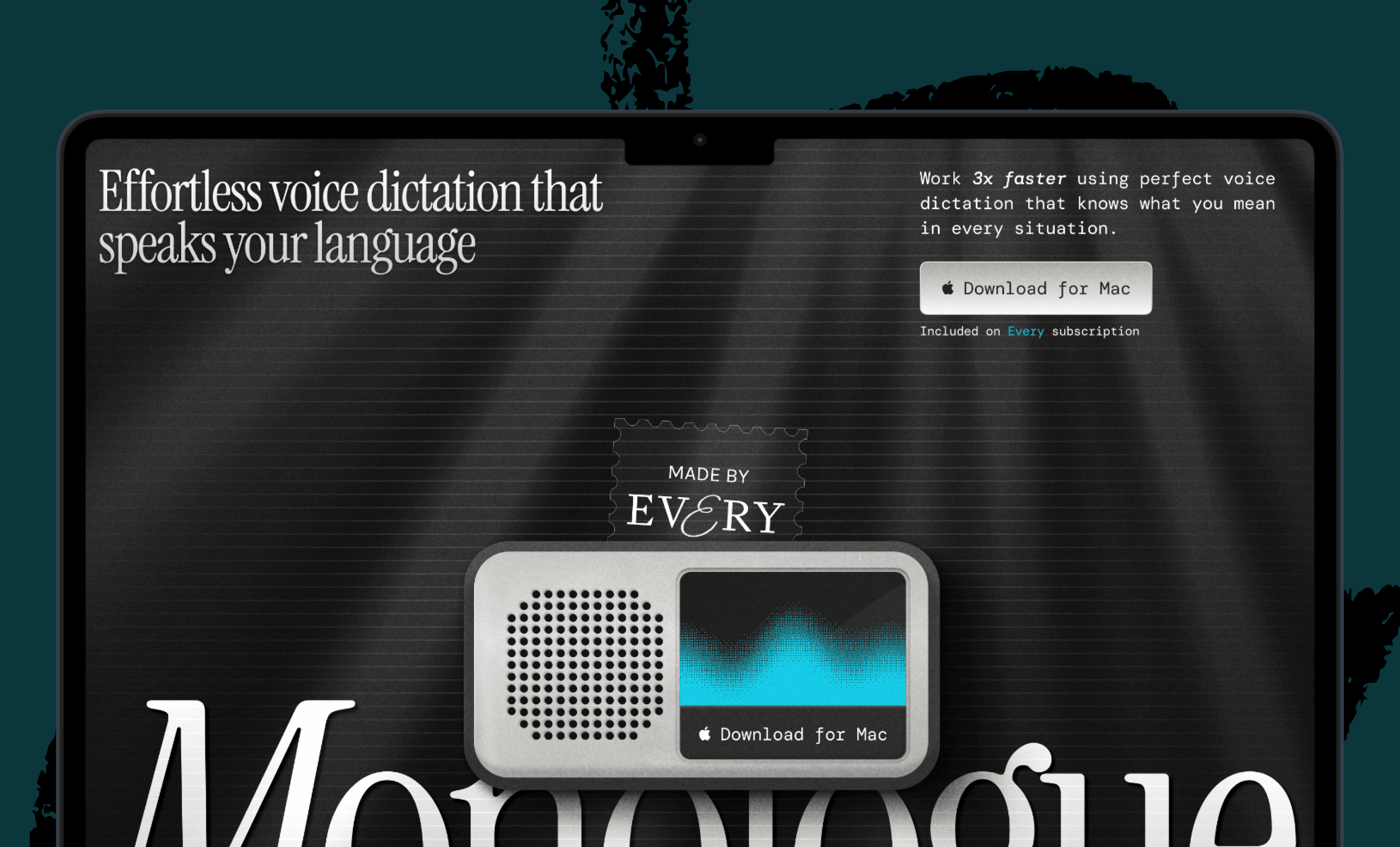
And these are real products, not just weekend vibe coding demos. For example, Monologue, our smart dictation app run by Naveen Naidu, is used about 30,000 times a day to transcribe 1.5 million words. The codebase totals 143,000 lines of code and Naveen’s written almost every single line of it himself with the help of Codex and Opus.
AI also helps Naveen do customer service and market research, and think through business and product strategy. It allows him to do by himself what would normally take 3–4 people before AI.
A two-slice team works well as a starting point for software products. But as these products have grown and as we’ve introduced new products we’ve also had to re-invent how the rest of the organization supports these teams.
How organizations support two-slice teams
Rather than putting more full-time employees on existing products, two-slice teams pull in help as needed from both inside and outside of Every.
To enable this, our design, growth, and marketing teams act as internal agencies that move team members in and out of projects as needed.
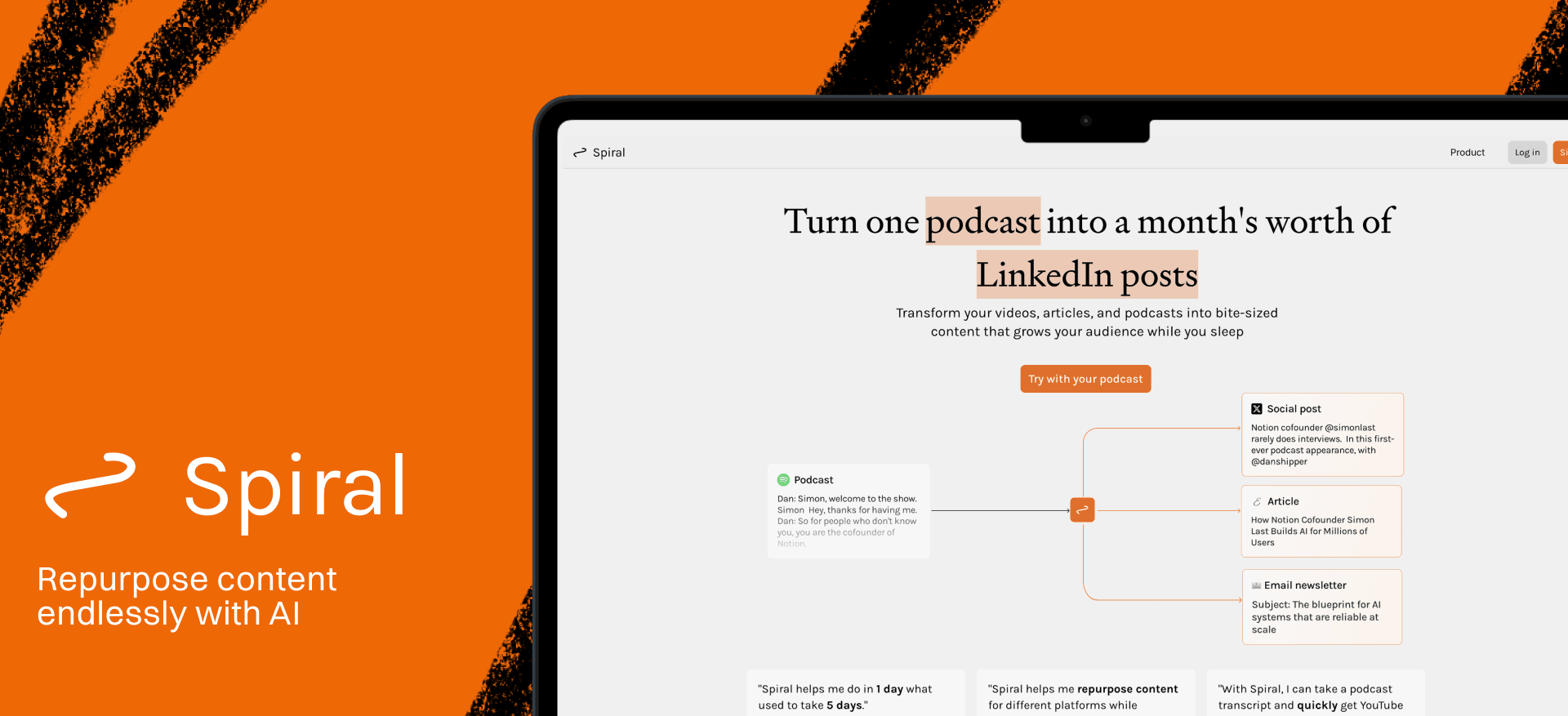
For example, our creative director Lucas Crespo runs a three-person team. A team member might help design a new Monologue screen, but that won’t be all they work on. They might also design a promotional banner for Spiral, our AI writing helper, or an email template for Cora, our AI email assistant. In any given week, one creative team member might touch two or more of our products.
Sometimes these resources come from outside of Every too. Cora, run by Kieran Klaasen, employs a full-stack senior engineer who helps out a few days a week with hairy problems that current AI models aren’t great at solving in one go. The engineer dips in and out to help build the infrastructure that lets Cora process millions of emails per day.
This kind of flexible structure is only possible because AI lets internal employees and freelancers alike get up to speed on an unfamiliar product in minutes. For example, a technical freelancer can quickly understand the codebase using AI, without Kieran having to step away from his own work to help explain.
We think it’s a superior working experience for everyone involved. General managers get a lot of autonomy and can move extremely quickly on new opportunities. Internal team members get to touch different products and problems every day, so the work is always interesting.
In fact, I’ve been acting as a two-slice team myself. For the last few weeks I’ve been building an agent-native markdown editor called Proof. It lets you easily collaborate on markdown documents with multiple humans and AI agents together. It also tracks provenance so you can tell who wrote what.
It’s a great example of what’s possible with a two-slice team-size. An editor like this would have previously taken 3-4 engineers six months to build. Instead, I made it in my spare time.
Proof has started to get traction inside of Every. We use it to collaborate on the plan files generated by coding agents. It’s available now for paid Every subscribers. If you’re interested, give it a shot.
Dan Shipper is the cofounder and CEO of Every, where he writes the Chain of Thought column and hosts the podcast AI & I. You can follow him on X at @danshipper and on LinkedIn.
To read more essays like this, subscribe to Every, and follow us on X at @every and on LinkedIn.
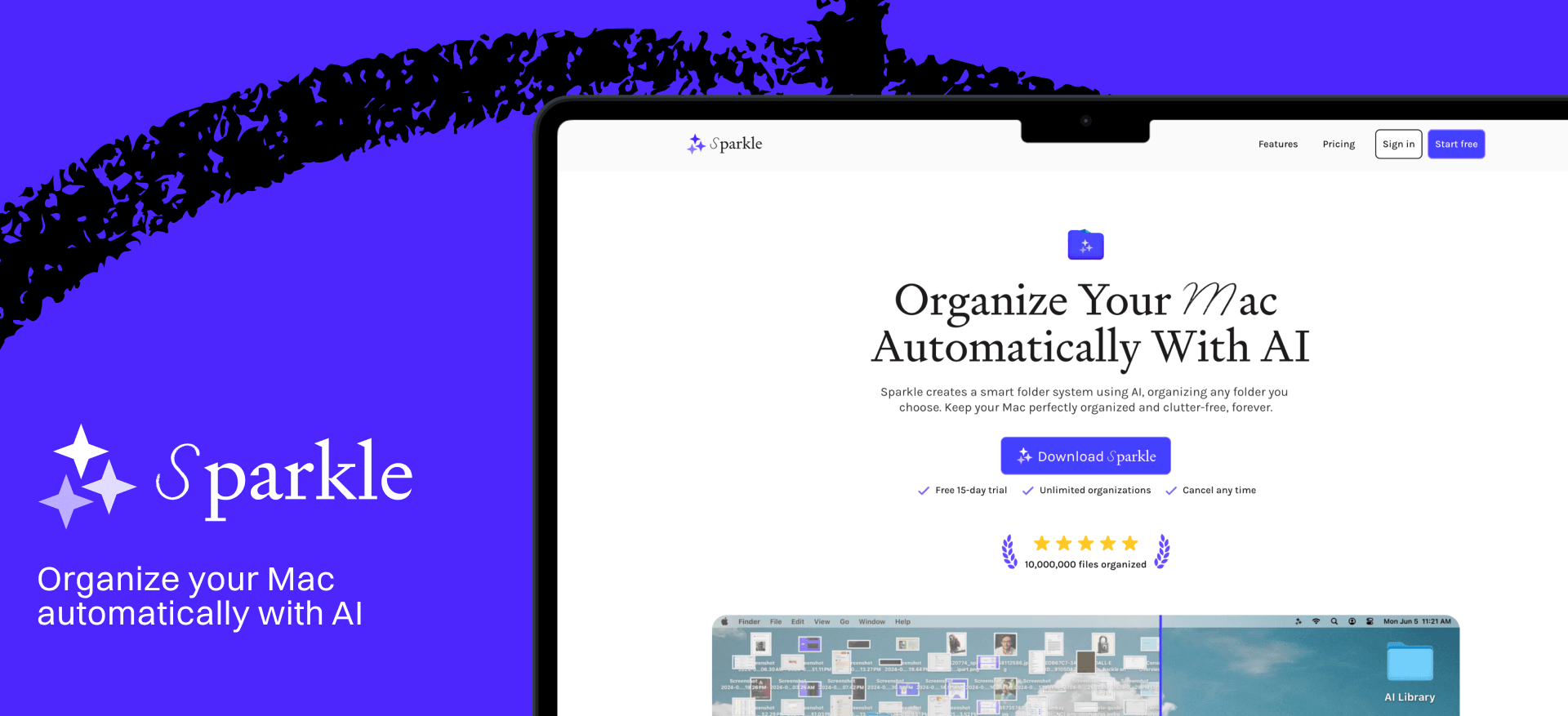
We build AI tools for readers like you. Write brilliantly with Spiral. Organize files automatically with Sparkle. Deliver yourself from email with Cora. Dictate effortlessly with Monologue.
We also do AI training, adoption, and innovation for companies. Work with us to bring AI into your organization.
Get paid for sharing Every with your friends. Join our referral program.
For sponsorship opportunities, reach out to [email protected].
Help us scale the only subscription you need to stay at the edge of AI. Explore open roles at Every.
The Only Subscription
You Need to
Stay at the
Edge of AI
The essential toolkit for those shaping the future

"This might be the best value you
can get from an AI subscription."
- Jay S.
 Every Content
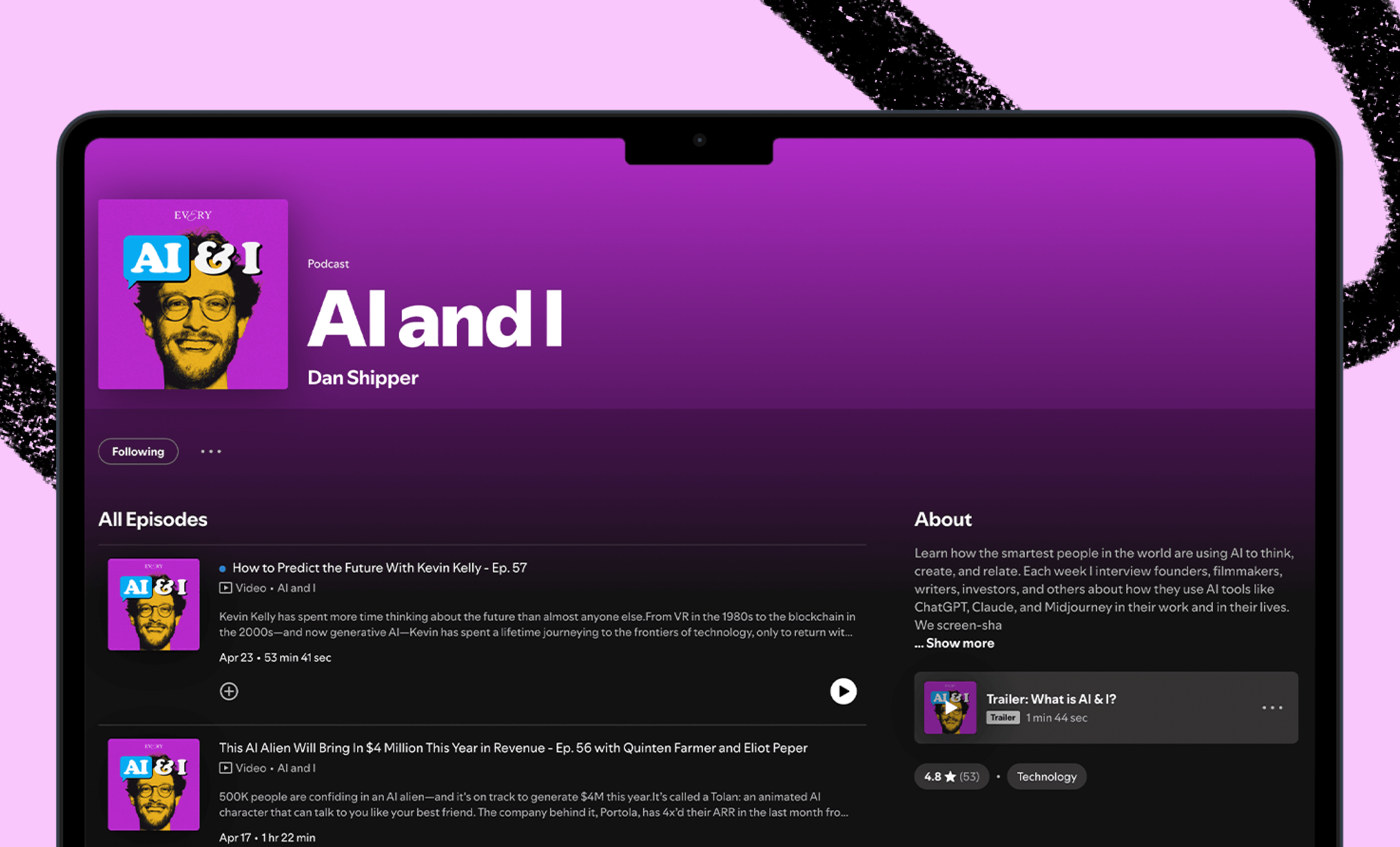
 AI&I Podcast
 Monologue
 Every Agent
Join 100,000+ leaders, builders, and innovators

Already have an account? Sign in.
What is included in a subscription?
Daily insights from AI pioneers + early access to powerful AI tools

 Front-row access to the future of AI
 In-depth reviews of new models on release dayPlaybooks and guides for putting AI to workPrompts and use cases for buildersIn-depth reviews of new models on release dayPlaybooks and guides for putting AI to workPrompts and use cases for builders
 Bundle of AI software





 Katie Parrott
 Every Staff
 Kieran Klaassen
Comments