Every major technology revolution brings with it new ways of defining intelligence. The early origins of “IQ” tests began with Darwin and his then-revolutionary theories of evolution. Then, after the second and third Industrial Revolutions, psychologists introduced the concept of emotional intelligence, later referred to as “EQ.” So what kind of intelligence arises in an age of AI?
Some argue it’s aesthetic intelligence (AQ). The term originated with philosophers and art curators decades ago, but was later popularized by the former chairman of the French luxury powerhouse LVMH in North America, Pauline Brown, in a book of the same name. (Interior designer Chloe Redmond Warner—who also happens to be the person who designed my home!—familiarized it for me with her recent book.) Brown defined aesthetic intelligence as “the ability to understand, interpret, and articulate feelings that are elicited by a particular object or experience” across the five senses. She argues that when people and businesses become numb to their senses, they create or consume products that are “functional and transactional” but not “experiential, aspirational, and memorable.”
In other words: We need AQ to increase something’s value, whether in price or in meaning.
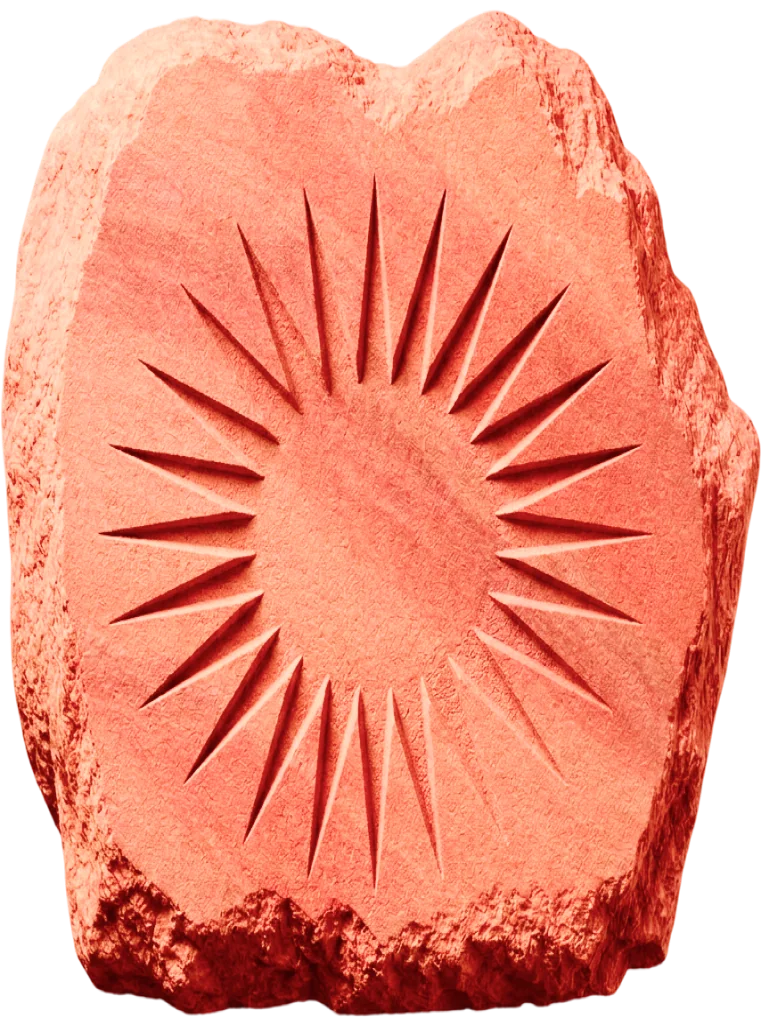
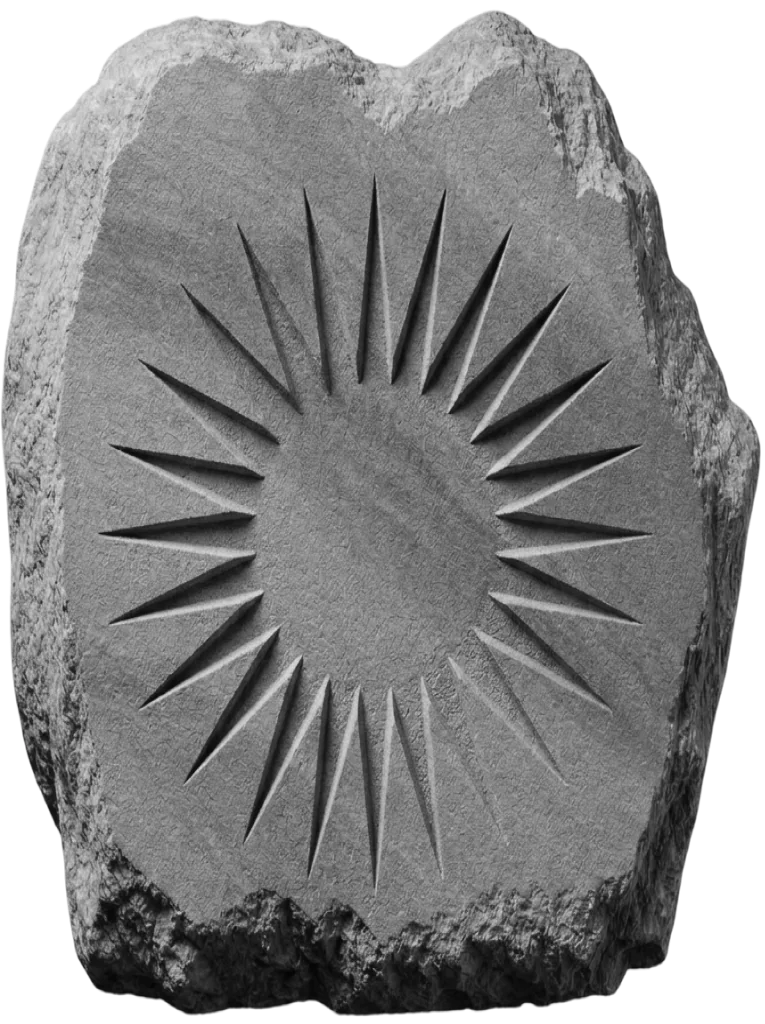
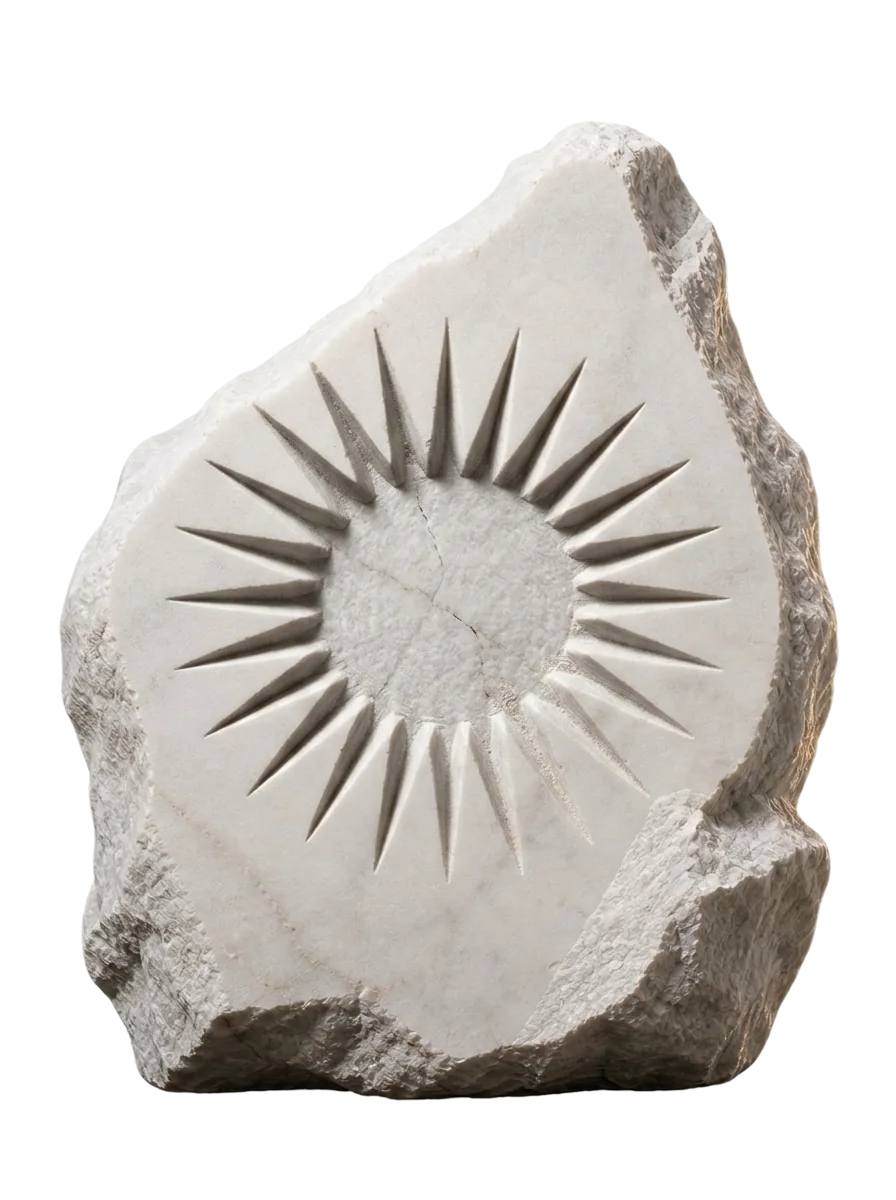
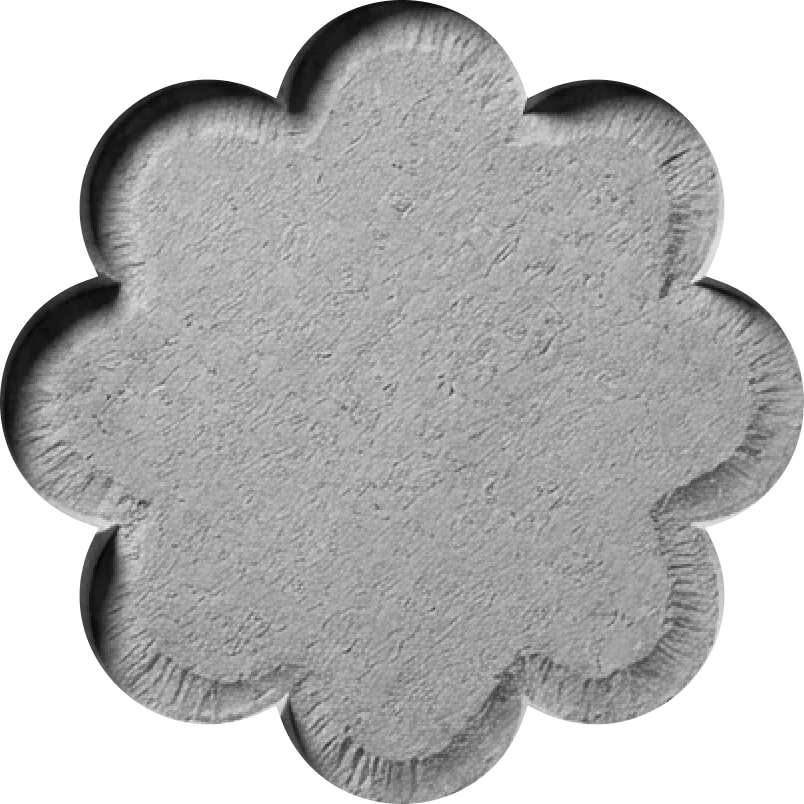
I am going to take this a step further and argue that to truly achieve AQ, we need to actually embrace something I’m calling MQ—materials intelligence: the bare-metal layer, the raw materials in the creation. In just the past few months, I’ve noticed different kinds of designers increasingly posting their “material libraries” online: images of the materials they use, whether physical textiles and stitches, powder coating and color palettes, digital textures, and more. MQ makes aesthetics post-AI not just a topic in the discourse, but something much more enduring and grounded in being human.
Technique is part of MQ, too. It matters, for instance, whether a particular jewelry or watch design has enamel that is champlevé, cloisonné, meenakari (common in my parents’ region in India), or paillonné—as did the famous Croisillon bracelets designed by Jean Schlumberger for Tiffany and famously worn by Jackie Kennedy Onassis. We already talk about these layers of provenance when we share fashion or shopping lore—who made it, who wore it, where—yet without the material know-how, we merely perform the stories, devoid of meaning.
This is why it’s not enough to merely post provenance, process, or inspiration boards online as an antidote to automation; doing so may reveal the human side of the work compared to AI, but the act of sharing can be superficial, and often lacks connection to the senses.
We don’t have to understand the materials and techniques in depth, either. We just need to savor the material details along with all the other layers of provenance and lore. Because as AI commoditizes all these other layers, the materials resist and persist. MQ confers centuries of tacit expertise—earned by human hands alongside past waves of automation—into a single product; it etches in deeper human context and meaning.