


Katie Parrott is a staff writer. She writes Working Overtime and contributes to Vibe Checks, Source Code, and Context Window.

How to Start a Career When AI Is Doing Your Entry-level Job
Four pieces of unsolicited advice from an AI-pilled millennial
May 18, 2026 · 12 min readUpdated Jun 27, 2026

Was this newsletter forwarded to you? Sign up to get it in your inbox.
My first job out of college was as a copywriter at a little crowdfunding website based in Columbus, Ohio, called Fundable.com. The company had no money, so they didn’t care that I had no experience. I had no experience, so I didn’t care that the job didn’t pay at first.
The offer was simple: Create a profile for your startup, and we’ll connect you with investors. Most founders didn’t want to write their own profiles, so my job was to take whatever strange, half-formed thing a founder was building and translate it into investor-speak. The profiles were so templatized I can still recite the format: problem, solution, traction, team, business model, revenue projections, competitive landscape, funding terms.
I’ve been thinking about that job lately because AI could now produce one of those profiles in two minutes. At 23, I would have heard that and thought: “Thank God.” At 36, I think: “Thank God it couldn’t.” Without that job, I would have never learned how to take a company apart and put it back together as a story, or how to organize information for an audience that wasn’t being paid to read my stuff like my professors in undergrad.
This year’s crop of recent graduates has it harder than mine did. AI, which can perform many entry-level tasks, is replacing those early experiences faster than employers can figure out what’s going on. Researchers at Stanford’s Digital Economy Lab found that employment for 22-to-25-year-olds in the jobs most vulnerable to AI has dropped 13 percent since late 2022, even as older workers in the same roles held steady.
I think about the 22-year-old version of myself, if I were sending out applications right now into the void of LinkedIn. What would she think about the headlines about AI and job displacement? Would she be scared?
Yeah, probably. She was scared of much less.
So with full awareness that no one born this millennium wants career advice from someone born before the fall of the Berlin Wall, here’s what I’d do if I were starting over today, knowing what I know about work, AI, and how one is shaping the other.
You’ve been meaning to start outbound for six months.
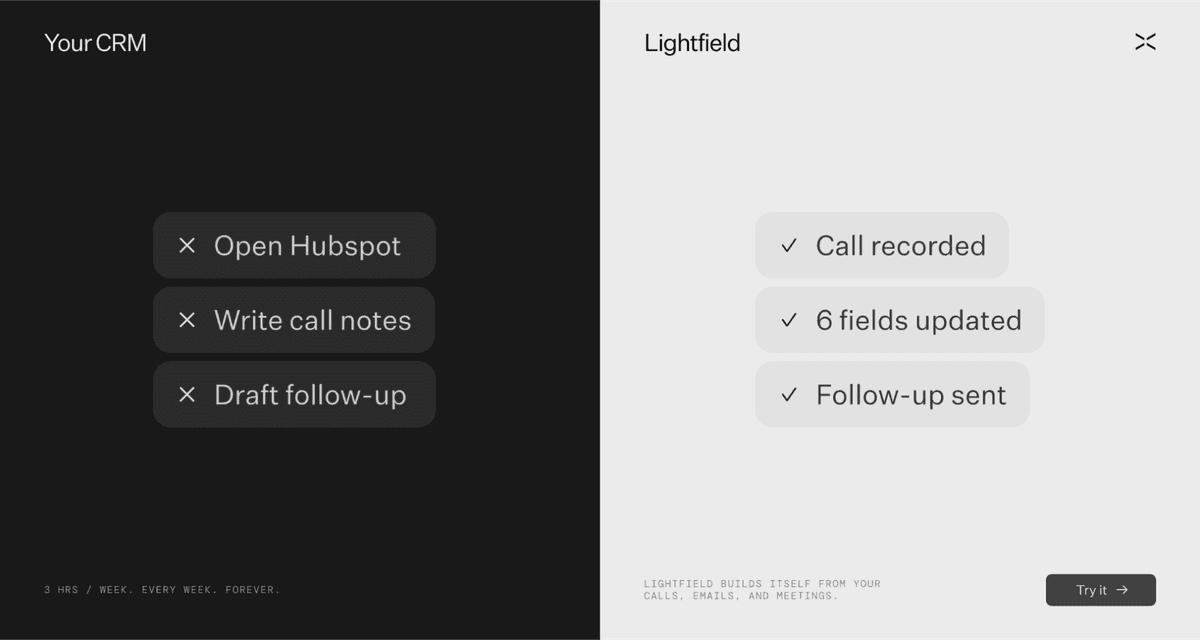
You know who to reach. You’ve got the messaging in your head. You just don’t have the hours to build the list, find the right contacts, write the sequences, and do it again next week. And the week after that. Lightfield’s outbound agents run on your CRM. They score accounts against your real won deals. Draft sequences from the language your customers actually use. Surface warm intro paths from your team’s network. You see every campaign before it ships.
You set the strategy. The agents build the list, run the sequences, and escalate the replies that need you.
There’s good news, and there’s bad news
The paradox facing today’s entry-level workers is as old as the entry-level job itself: In many cases, in order to get a job, you need experience, but in order to get experience, you need a job. And while employers requiring experience in AI when the technology barely existed when you picked your major may feel like a cosmic joke, employers have long asked for five years of experience with brand-new technologies.
All that is small comfort to the recent grad with a near-empty resumé. And there are qualitative differences in what AI is doing to entry-level work.
For one thing, when you look at the kind of AI skills employers expect young workers to bring to the table, they want more than the ability to type a prompt into ChatGPT. They want people who can evaluate tools, review outputs, and figure out how to improve those outputs, whether it be with better prompting or fixing the work themselves.
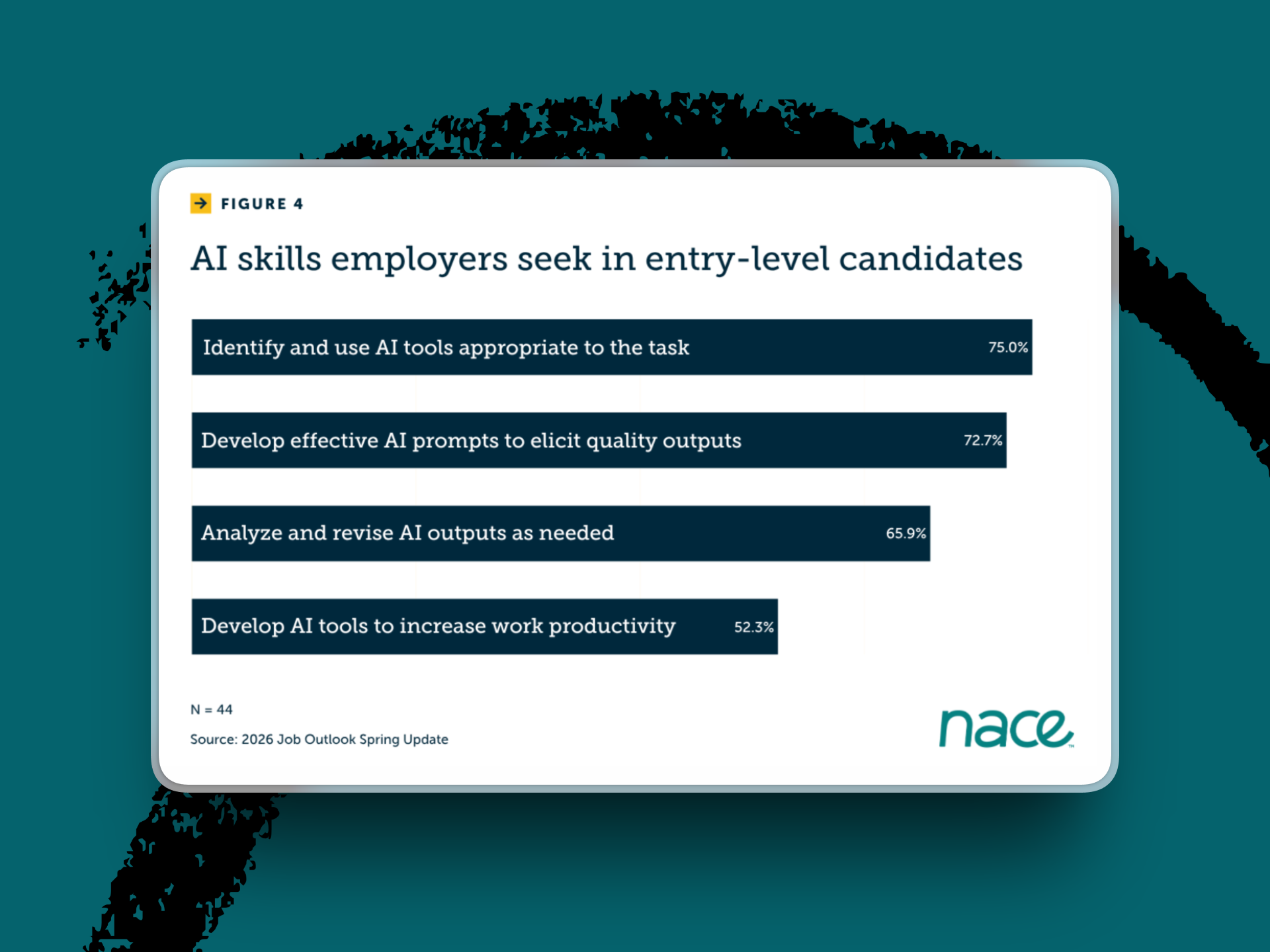
They’re looking for judgment, which is something that you can really only build through experience. When I was writing those funding profiles, I learned how to tell good work from bad. The first 50 that I wrote were so bad that at one point, a client said I should be taken out back and shot. With AI in the mix, the bad ones wouldn’t have been bad enough to teach me anything.
The other way today’s job market is more intense for entry-level workers is that employers are expecting competence in a technology that won’t stand still long enough for anyone to completely grasp. Agentic tools are changing functions in months, rather than years. There’s no canon to study or senior teammate to apprentice under. Everyone in the org chart is figuring it out on the fly, and you’re expected to figure it out with them while learning how to navigate office politics and pay your taxes.
What to do about it?
Become a paid subscriber to Every to unlock this piece and learn about:
- How Katie developed the judgment necessary to use AI effectively in writing
- What replaces the CV in today’s world
- Katie’s prompt for using ChatGPT or Claude as a career coach
Thanks to our Sponsor: Lightfield
Outbound agents that run on your CRM
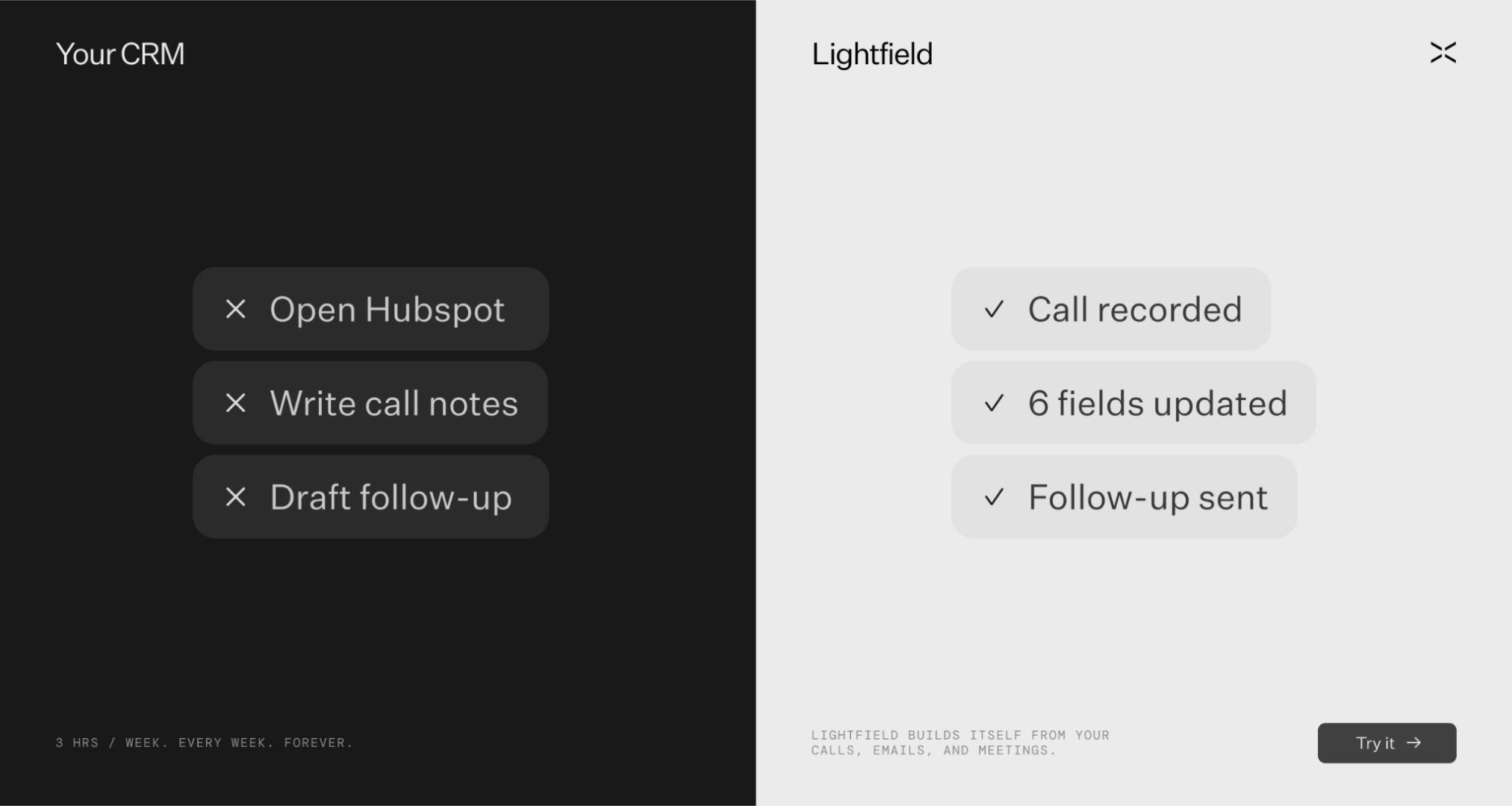
Most outbound tools pull lists from external databases and generate sequences from generic prompts. They run from the outside in. Lightfield runs from the inside. The agents score accounts against your real won deals, draft sequences from your actual customer language, and source contacts with warm intro paths from your network.
You set the strategy. The agents build the list, run the sequences, and escalate the replies that need you. More than 3,000 startups on the platform.
 Create a free account to continue reading
The Only Subscription
You Need to
Stay at the
Edge of AI
The essential toolkit for those shaping the future

"This might be the best value you
can get from an AI subscription."
- Jay S.
 Every Content
 AI&I Podcast



 Katie Parrott













Comments
Don't have an account? Sign up!